
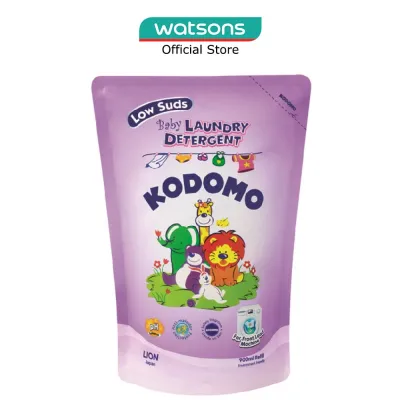
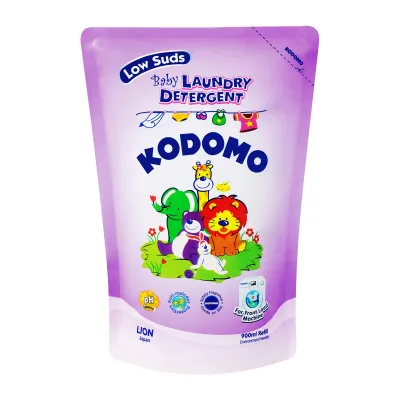
Evaluating whether Kodomo Low Suds is safe for your newborn’s skin involves looking closely at its specific formulation, as infant skin is exceptionally delicate and prone to irritation from chemical residues. While low-suds detergents are generally formulated to rinse away cleanly, parents should inspect the product label to verify the absence of harsh additives like optical brighteners, synthetic dyes, and strong allergens. Because manufacturers may update their ingredient profiles over time, checking the physical bottle or the manufacturer’s official documentation is the most reliable way to ensure the current formula aligns with your baby’s skin needs.
When choosing a laundry detergent for a newborn, the primary goal is to minimize the chemical footprint left on fabrics. Newborns have a developing skin barrier that is highly sensitive to external irritants. By understanding how to read detergent labels and implementing safe washing practices, you can protect your baby’s skin while keeping their clothes clean and fresh.
Understanding Newborn Skin and Detergent Requirements
Newborn skin is structurally different from adult skin, requiring specialized care and attention. The outer layer of an infant’s skin, known as the stratum corneum, is significantly thinner than that of an adult. This structural difference means the skin barrier is less developed, making it highly permeable to external substances and more susceptible to moisture loss.
Products mentioned in this guide
![[Carton Deal] Kodomo Baby Laundry Detergent Low Suds Refill 900ml](https://img.lazcdn.com/g/p/32385a14c4dff574c25090bdf96c85c0.jpg_400x400q80.jpg_.webp)
Prices are valid at publication and may change. Please refer to the product page for the latest price.
Because of this increased permeability, any chemical residues left on clothing, swaddles, or bedsheets can easily penetrate the baby’s skin. Harsh surfactants, synthetic fragrances, and chemical dyes that remain trapped in fabric fibers can cause localized irritation, dryness, or allergic reactions. Minimizing exposure to these potential irritants is crucial during the first few months of life.
Low-suds detergents offer a distinct mechanical advantage when washing baby clothes. High-sudsing detergents create a dense foam that can trap dirt and surfactant molecules, making them difficult to rinse out completely, especially in modern high-efficiency washing machines. A low-suds formulation is designed to clean effectively while producing minimal foam, allowing the water to flush through the fabric fibers more efficiently.
By reducing the amount of foam generated during the wash cycle, low-suds detergents require less water and mechanical agitation to achieve a thorough rinse. This efficient rinsing process helps ensure that no soapy residue is left behind on the fabric. Consequently, the risk of chemical buildup rubbing against your baby’s sensitive skin is significantly reduced.
General pediatric guidelines emphasize the importance of avoiding harsh chemical residues on everything that touches an infant. Pediatricians often recommend using mild, fragrance-free, and dye-free detergents specifically formulated for babies. Ensuring that your laundry routine focuses on thorough rinsing and gentle ingredients is a foundational step in protecting your newborn’s skin health.
How to Evaluate the Ingredient List on Kodomo Low Suds
To determine if a specific bottle of Kodomo Low Suds is suitable for your newborn, you must first locate and evaluate the full ingredient list. Manufacturers typically print the ingredient disclosure on the back label of the bottle, sometimes under a peel-back sticker designed to fit detailed information. If the packaging only lists broad categories, you can search the manufacturer’s official website or contact their customer service for a complete list.

When reviewing the ingredients, pay close attention to the primary surfactant base used in the formula. Surfactants are the active cleaning agents that lift dirt and oils from fabrics. Plant-derived surfactants, such as those sourced from coconut or palm, are generally preferred for baby laundry because they tend to be milder and less drying than petroleum-based alternatives.
Next, check the label for the explicit presence or absence of optical brighteners, artificial dyes, and synthetic fragrances. Optical brighteners are chemical compounds designed to remain on fabrics to reflect light and make clothes appear whiter, but they can be highly irritating to newborn skin. A safe baby detergent should ideally be free of these cosmetic additives, focusing purely on cleaning performance rather than visual enhancement.
Finally, verify any dermatological testing claims or safety certifications printed on the packaging. Look for labels indicating the product has been dermatologically tested or is classified as hypoallergenic. Keep in mind that these terms are not standardized medical guarantees, so they should always be cross-referenced with the actual ingredient list to ensure no known personal allergens are present.
Key Ingredients to Look For and Avoid in Baby Detergents
When evaluating any baby detergent, having a clear checklist of ingredients to avoid can help you make an informed decision. Phosphates should be strictly avoided, as they can irritate the skin and have a negative environmental impact. Chlorine bleach is highly alkaline and can damage delicate fabric fibers while leaving behind harsh residues that irritate sensitive skin.
Artificial dyes and colorants are purely cosmetic and serve no functional purpose in cleaning clothes, yet they are common triggers for contact dermatitis. Additionally, look out for harsh preservatives such as methylisothiazolinone (MI) and methylchloroisothiazolinone (MCI). These preservatives are known contact allergens and should not be present in products used for newborn laundry.
Instead, look for gentle alternatives that clean effectively without compromising skin safety. Mild non-ionic surfactants, such as alkyl polyglucosides, are excellent choices because they clean gently and rinse away easily. Natural enzymes, such as amylase or protease, can also be beneficial for breaking down organic stains like milk and spit-up, provided the clothes are thoroughly rinsed afterward.
Fragrance is another critical consideration when selecting a detergent for a newborn. While mild, naturally derived scents are sometimes tolerated, completely fragrance-free formulas are the safest option for the first few months of life. Synthetic fragrances often contain phthalates and other complex chemical mixtures that can easily trigger respiratory or skin sensitivities in young infants.
Safe Washing Practices and Monitoring for Skin Reactions
Even the gentlest detergent can cause issues if used incorrectly, making proper washing practices essential. Always follow the manufacturer’s dosing instructions carefully, using the provided measuring cap. Over-dosing concentrated low-suds formulas does not make the clothes cleaner; instead, it leads to product buildup within the fabric fibers, which can irritate your baby’s skin.
To further minimize the risk of irritation, utilize an extra rinse cycle for all newborn laundry. This extra step is particularly important for items that have prolonged, direct contact with the skin, such as swaddles, blankets, onesies, and reusable cloth diapers. An additional rinse ensures that any remaining traces of surfactant or soil are completely flushed away.
Before introducing a new detergent to your baby’s entire wardrobe, it is wise to conduct a simple fabric patch test. Wash one or two small items, such as a single onesie or a pair of socks, using the new detergent. Have your baby wear these items for a few hours and monitor the skin closely for any signs of redness, warmth, or irritation.
Monitor your baby’s skin regularly for early signs of contact dermatitis, which can present as dry patches, small red bumps, or localized rashes. If you notice any unusual skin reactions, stop using the detergent immediately and re-wash the clothing in plain, warm water to remove any remaining residue. If the rash persists, spreads, or causes your baby discomfort, consult a qualified pediatrician for professional medical advice.
Frequently Asked Questions (FAQ)
Can I use regular low-suds detergent instead of a baby-specific one?
Regular adult low-suds detergents are often formulated with stronger surfactants, optical brighteners, and heavy synthetic fragrances designed to linger on fabrics. These additives can easily irritate a newborn’s delicate skin barrier. While some mild, fragrance-free adult detergents formulated for sensitive skin may be acceptable, baby-specific formulas are generally a safer choice as they are specifically designed to minimize these common irritants.
Do I need to wash new baby clothes before the first use?
Yes, it is highly recommended to wash all new baby clothes, blankets, and fabric toys before they come into contact with your newborn’s skin. New fabrics often carry chemical residues from the manufacturing process, including starches, finishing agents, excess dyes, and dust accumulated during shipping. Washing them first with a gentle baby detergent removes these potential irritants, ensuring the fabrics are clean, soft, and safe for your baby.
Community discussion
Share your experience or ask a question. Comments are reviewed before publication.