
When choosing a laundry detergent for your infant, understanding the ingredients is a vital step in protecting their delicate skin barrier. Kodomo baby detergent is formulated specifically to target common baby stains like milk, formula, and baby food while aiming to be gentler than standard adult detergents. However, whether it is entirely safe for your baby’s sensitive skin depends on the specific ingredients in the variant you choose and your baby’s unique skin sensitivity. While baby-specific detergents generally avoid the harshest industrial surfactants, some formulations still contain fragrances, preservatives, or specific cleaning agents that can trigger contact dermatitis or eczema flare-ups. To make an informed decision, parents must learn how to decode the ingredient label, recognize early signs of skin irritation, and implement laundry habits that minimize chemical residues on clothing.
Understanding the Building Blocks of Baby Detergents
To evaluate any baby detergent, it helps to understand the functional categories of ingredients that make up these liquid cleaners. The primary active components in any detergent are surfactants, or surface-active agents. These molecules work by lowering the surface tension of water, allowing it to wet fabrics more effectively and lift away oils, grease, and dirt. While standard adult detergents often rely on strong anionic surfactants like sodium lauryl sulfate (SLS) which can strip the skin’s natural lipid barrier, baby detergents typically utilize milder anionic, non-ionic, or amphoteric surfactants. These gentler alternatives clean fabrics effectively without leaving behind highly aggressive residues that can compromise a baby’s delicate skin.
Enzymes are another common category of ingredients found in modern baby detergents. These biological catalysts are highly effective at breaking down organic stains, such as proteins from milk and spit-up, or lipids from baby oils and food. Because baby clothes are frequently subjected to these specific types of organic soils, enzymes are incredibly useful for keeping garments clean and stain-free. However, if clothes are not rinsed thoroughly, enzyme residues can remain trapped within the fabric fibers. When these fibers rub against a baby’s skin, especially in Singapore’s warm and humid climate, the active enzymes can cause localized irritation, making thorough rinsing a critical step in the laundry process.
Products mentioned in this guide
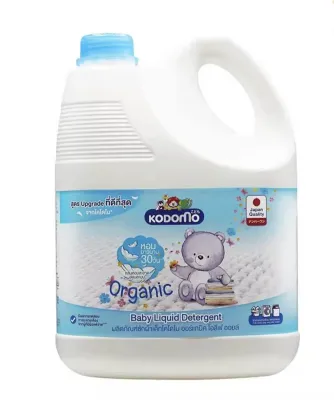
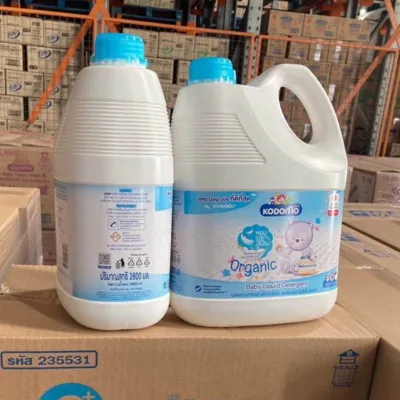
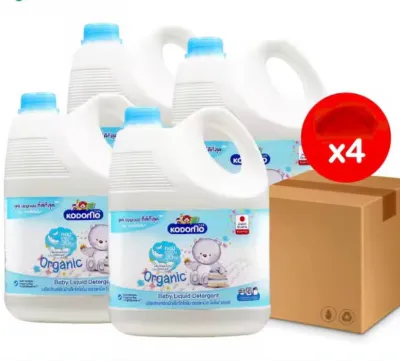
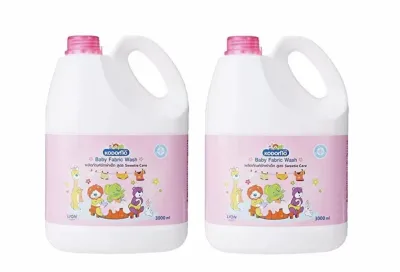
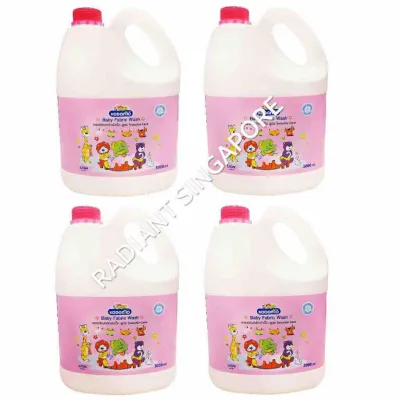
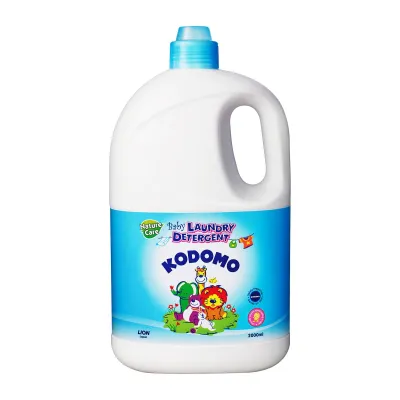
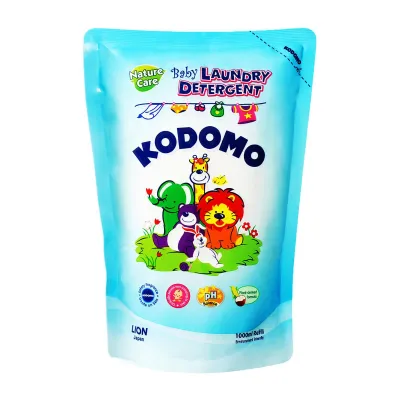
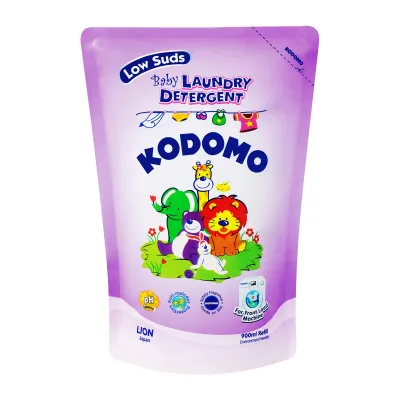
Prices are valid at publication and may change. Please refer to the product page for the latest price.
Preservatives and fragrances are also frequently added to baby detergents, but they represent the most common culprits behind skin irritation and allergic contact dermatitis. Preservatives are necessary to prevent the growth of bacteria, mold, and yeast in water-based liquid detergents, ensuring the product remains safe to use over time. Fragrances are added to give the laundry a clean, fresh scent that many parents associate with cleanliness. Unfortunately, both synthetic fragrances and certain preservative systems can easily penetrate a baby’s thin skin barrier, leading to redness, itching, and dry patches. For babies with highly sensitive or eczema-prone skin, choosing formulas that minimize or completely exclude these additives is often the safest path.
How to Read and Decode the Kodomo Ingredient Label
Reading the ingredient panel on a bottle of Kodomo detergent requires a bit of practice, as manufacturers often list chemical names that can seem confusing at first glance. To locate the ingredient list, look at the back or side panel of the packaging, usually near the usage instructions and safety warnings. Rather than relying on broad marketing terms displayed on the front of the bottle, look for the specific chemical names of the surfactants, preservatives, and additives used in the formulation. Understanding these names allows you to identify exactly what is coming into contact with your baby’s clothing and, ultimately, their skin.

If your baby has a history of asthma, severe eczema, or known allergies, identifying specific compound families on the label is crucial. For example, look for terms like “parfum,” “fragrance,” or specific chemical preservatives such as methylisothiazolinone (MIT) or phenoxyethanol. While these ingredients keep the product stable and smelling pleasant, they are known sensitizers that can trigger flare-ups in compromised skin. If your pediatrician or dermatologist has identified specific chemical triggers for your child, cross-referencing those exact names with the ingredient list on your Kodomo bottle is the most reliable way to prevent adverse skin reactions.
It is also important to differentiate between verified ingredient exclusions and broad marketing claims like “hypoallergenic,” “gentle,” or “dermatologically tested.” These terms are frequently used on baby care products, but they do not have a single, legally binding global definition. A product labeled “hypoallergenic” simply means it is formulated to be less likely to cause allergic reactions compared to standard products, but it does not guarantee the complete absence of all potential irritants. Similarly, “dermatologically tested” means the product was evaluated by a dermatologist, but it does not disclose the specific testing parameters or guarantee that your baby will not react to it. Always prioritize reading the actual ingredient list over front-of-pack marketing claims.
Assessing Suitability for Sensitive and Eczema-Prone Skin
Determining whether a specific Kodomo detergent formulation is compatible with your baby’s skin requires careful observation, especially during the first few weeks of use. The skin of a newborn or infant is significantly thinner and more permeable than adult skin, making it highly susceptible to environmental irritants. Early signs of detergent-related irritation typically present as localized redness, dry or rough patches, or small red bumps on the skin. You may also notice your baby scratching or showing signs of discomfort, particularly in areas where clothing fits snugly or rubs against the skin, such as around the collar, cuffs, waistband, or thighs.
While monitoring your baby’s skin is an excellent starting point, it is important to recognize the limitations of self-diagnosis. If your baby experiences persistent redness, widespread dry patches, or weeping eczema that does not improve after changing laundry habits, you should consult a pediatrician or a pediatric dermatologist. Skin conditions in infants can be complex, and what appears to be a simple detergent allergy could be a symptom of an underlying skin condition that requires targeted medical treatment. A qualified healthcare professional can help identify the root cause of the irritation and recommend safe, effective skincare routines.
Knowing when to stop using a product is a critical aspect of managing your baby’s skin health. If you observe an immediate flare-up, intense itching, or a spreading rash after your baby wears clothes washed in a new detergent, establish a clear stop-condition and discontinue use immediately. Transition to a fragrance-free, dye-free, and simplified laundry formulation designed specifically for extremely sensitive skin. To help soothe the irritation, re-wash your baby’s current wardrobe and bedding using only warm water to strip away any lingering detergent residues that may still be trapped in the fabric fibers.
Laundry Habits That Minimize Residue and Irritation
Even the gentlest baby detergent can cause skin irritation if improper laundry habits leave chemical residues on fabric fibers. One of the most common mistakes parents make is using too much detergent in an effort to get clothes cleaner. Excess detergent does not rinse away easily, leading to a buildup of surfactants and enzymes within the weave of the fabric. Over time, this buildup rubs against your baby’s skin, causing friction and chemical irritation. Always measure the detergent dose carefully using the cap or a measuring cup, adjusting the amount based on the size of the load and the level of soil, rather than guessing.
To further minimize the risk of residue, utilize extra rinse cycles on your washing machine. Modern, high-efficiency washing machines are designed to use minimal water, which is excellent for environmental conservation but can sometimes fail to completely flush out detergent residues from thick fabrics like towels, cloth diapers, and heavy cotton onesies. Adding an extra rinse cycle to your washing program ensures that any remaining cleaning agents are thoroughly washed away, leaving the fabric clean and free of potential skin irritants.
Additionally, establishing a routine of pre-washing all new garments, bedding, and muslin cloths before they touch your baby’s skin is highly recommended. New clothing often carries manufacturing residues, chemical sizing agents, and dust from shipping and handling that can easily irritate delicate skin. It is also wise to separate your baby’s laundry from heavily soiled adult items, such as greasy work clothes or heavily perfumed sportswear. Washing baby clothes in dedicated, smaller loads prevents the cross-contamination of stronger chemicals, heavy fragrances, and stubborn dirt from adult garments.
Frequently Asked Questions (FAQ)
How can I safely test if a new detergent is suitable for my baby's skin?
To safely test a new detergent, select a single small item that comes into direct contact with your baby’s skin, such as a cotton onesie or a muslin cloth. Wash this item separately using the new detergent, ensuring you follow the correct dosage and rinse it thoroughly. Once dry, have your baby wear or use the item as normal, and monitor their skin closely over the next 24 to 48 hours. Look for any localized redness, dryness, or signs of itching. If no reaction occurs, you can gradually transition the rest of their laundry to the new product; if irritation develops, discontinue use immediately and consult a healthcare professional.
Is it necessary to use a dedicated baby detergent for all household laundry?
While it is not strictly necessary to wash the entire family’s laundry in baby detergent, doing so can significantly reduce the risk of accidental skin irritation. Infants spend a great deal of time snuggled against their parents’ chests and shoulders, meaning their sensitive skin frequently rubs against adult clothing. If adult garments are washed in harsh detergents with strong synthetic fragrances, this contact can trigger reactions in sensitive babies. If your baby has active eczema or highly sensitive skin, washing their clothes separately is highly recommended. Additionally, running an empty rinse cycle on your washing machine between adult and baby loads helps clear out any lingering residues of stronger household detergents.
Community discussion
Share your experience or ask a question. Comments are reviewed before publication.