
Introducing solid foods is a major milestone in your baby’s first year, and choosing the right first food requires careful consideration of nutritional value and ingredient quality. Hipp cereal is a widely recognized option among parents navigating this transition. When evaluating this brand, understanding how its organic formulation aligns with your child’s developmental needs is essential. By learning to read the nutritional labels, verify organic certifications, and match specific cereal varieties to your baby’s age, you can make an informed decision that supports safe and healthy early feeding.
Key Nutrients to Look for in Baby Cereal
During the first year of life, a baby’s nutritional requirements change rapidly, particularly as natural iron stores begin to deplete around six months of age. Fortified baby cereals are often introduced to help bridge this nutritional gap. When examining a box of Hipp cereal, the nutrition facts panel serves as your primary guide to understanding what nutrients are provided. Key fortifications to look for include iron, which supports cognitive development and red blood cell production, as well as zinc and B vitamins, which play vital roles in metabolic function and immune support.
To interpret the nutrition facts panel accurately, start by checking the serving size and comparing the nutrient percentages to the recommended daily intake for your baby’s specific age group. Keep in mind that different regional formulations of Hipp cereal may have varying levels of fortification. For instance, some versions distributed in certain markets may contain added vitamins and minerals, while others rely more heavily on the natural nutrient profile of the grains. Always verify the exact values printed on the packaging of the specific box you purchase.
Products mentioned in this guide
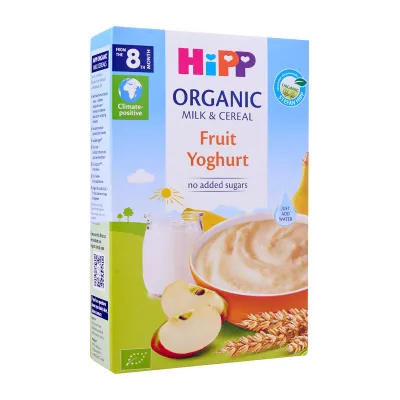
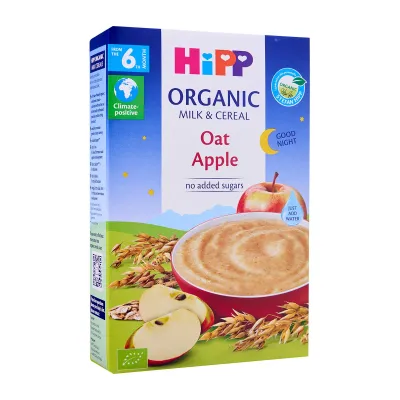
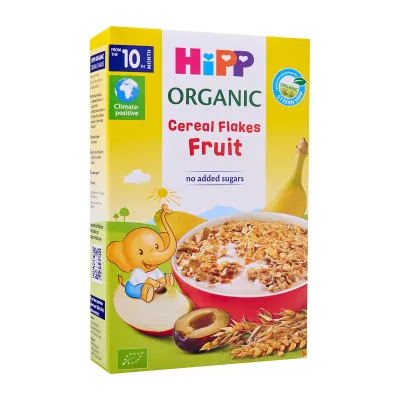
Prices are valid at publication and may change. Please refer to the product page for the latest price.
It is also helpful to distinguish between naturally occurring nutrients and added fortifications. Whole grains like oats, millet, and spelt naturally contain dietary fiber, magnesium, and certain B vitamins. Fortification, on the other hand, involves adding specific vitamins and minerals during manufacturing to ensure consistent nutritional delivery. Reviewing the ingredient list will clarify this distinction: whole grains will be listed as primary ingredients, while added nutrients like ferrous sulfate (iron) or thiamin (vitamin B1) will typically appear near the end of the list.
Decoding Organic Ingredients and Certifications
Organic baby food is produced without the use of synthetic pesticides, chemical fertilizers, or genetically modified organisms (GMOs). For parents considering Hipp cereal, the organic label indicates a commitment to strict agricultural standards. Organic farming practices focus on maintaining soil health and biodiversity, which in turn influences the quality of the raw grains used in the cereal.

To ensure the product meets these rigorous standards, you should locate and verify the official organic certification logos on the packaging. Because Hipp is a European brand, many of its products carry the EU Organic Bio logo (a leaf pattern made of stars) or national organic seals depending on where the product was imported. These logos indicate that the product has complied with strict organic production, processing, and labeling regulations. Parents should check for recognized import labels or certification marks that confirm the product’s organic status in their local market.
Beyond the organic seal, it is crucial to inspect the ingredient list for unnecessary additives. High-quality baby cereals should feature simple, recognizable ingredients. Scan the label to ensure there are no added sugars, artificial flavors, colors, or chemical preservatives. Some cereals may contain naturally occurring sugars from fruit flakes or grains, which will be reflected in the total sugar count on the nutrition panel, but the ingredient list itself should remain free of refined sweeteners or syrups.
Matching the Cereal to Your Baby's Developmental Stage
Babies progress through weaning at different rates, and their digestive systems require gradual introductions to different textures and grain complexities. When selecting a Hipp cereal, always check the manufacturer’s recommended age indicator on the front or side of the box. These indicators, often labeled as “from 4 months,” “from 6 months,” or “from 8 months,” serve as a general guideline for when a baby’s digestive tract is typically ready to process those specific ingredients.
For early weaning, single-grain cereals such as rice, millet, or corn-based varieties are generally recommended. These single-grain options offer a smooth, fine texture that is easy to swallow and digest, making them ideal for babies just learning to transition from liquid milk to solids. As your baby grows and demonstrates readiness for more complex textures, you can gradually introduce multi-grain blends that incorporate oats, wheat, spelt, or added fruit flakes. Observing your baby’s ability to sit upright, control their head, and swallow without pushing the food back out with their tongue will help you gauge their readiness for these advanced textures.
Before introducing any new food into your baby’s diet, consult your pediatrician or a qualified healthcare professional. This step is particularly important if there is a family history of food allergies, eczema, or asthma. A healthcare provider can offer personalized guidance on the timing of allergen introduction and help you monitor your baby’s growth to ensure their nutritional needs are being met safely.
Safe Preparation and Feeding Practices
Proper preparation is essential to ensure baby cereal is both safe and easy to digest. Always follow the manufacturer’s mixing instructions printed on the packaging. These instructions specify the correct ratio of dry cereal to liquid to achieve a safe consistency. For babies who are just starting solids, the mixture should be quite runny, gradually thickening as their swallowing coordination improves over the coming months. Never feed dry cereal directly to a baby, and avoid adding cereal to a baby bottle unless specifically instructed to do so by a pediatrician, as this can present a choking hazard.
When introducing a new variety of Hipp cereal, practice the “one at a time” rule. Introduce only one new food or grain blend at a time, and wait three to five days before introducing another. This waiting period allows you to monitor your baby closely for any potential allergic reactions or digestive sensitivities, such as skin rashes, vomiting, diarrhea, or unusual fussiness. Keeping a simple food diary can help you track which varieties your baby has successfully tolerated.
If you observe any signs of intolerance, digestive discomfort, or an allergic reaction, stop feeding the cereal immediately. For mild symptoms, consult your pediatrician for advice. If your baby exhibits severe symptoms, such as difficulty breathing, swelling of the face or lips, or extreme lethargy, seek immediate professional medical attention. Caregiver supervision is required during every feeding session to ensure the baby remains upright and safe while eating.
Frequently Asked Questions (FAQ)
Can I mix baby cereal with breast milk or formula?
Yes, mixing baby cereal with breast milk or your baby’s usual infant formula is an excellent way to prepare it. Using a familiar liquid provides a recognizable taste, which can make the transition to solid foods smoother and more comforting for your baby. Additionally, preparing the cereal with breast milk or formula enhances the overall nutritional value of the meal. Always refer to the preparation instructions on the Hipp packaging to determine the correct liquid-to-powder ratio, and ensure the liquid is at a safe, lukewarm temperature before mixing to preserve the nutrients.
How should I store opened packages of organic baby cereal?
To maintain freshness and prevent contamination, opened packages of organic baby cereal must be stored properly. Keep the dry cereal in its original inner foil bag, folding the top down tightly and securing it with a clip, or transfer the contents to a clean, airtight container. Store the container in a cool, dry place away from direct sunlight, heat, and moisture. Avoid storing baby cereal in the refrigerator, as condensation can introduce moisture and lead to spoilage. Always check the packaging for the manufacturer’s specific guidelines regarding how quickly the cereal should be consumed after opening, which is typically within three to four weeks.
When should I transition from single-grain to multi-grain cereals?
The transition from single-grain to multi-grain cereals typically occurs after your baby has successfully tolerated several individual grains without any adverse reactions. Once your baby is comfortable swallowing smooth, single-grain cereals and shows signs of readiness for more texture—such as chewing motions or reaching for family foods—you can begin introducing multi-grain blends. This transition usually happens around seven to eight months of age, but it should always be guided by your baby’s individual developmental progress and tolerance. Introduce multi-grain blends gradually, starting with small amounts to ensure easy digestion.
Community discussion
Share your experience or ask a question. Comments are reviewed before publication.