
Quick Answer: Is Ella Baby Food Nutritionally Suitable?
Evaluating the nutritional suitability of Ella baby food products requires a systematic approach tailored to your child’s specific developmental stage. Because baby food lines vary widely in their ingredients and nutritional density, suitability is never a one-size-fits-all determination. Instead, it depends on your baby’s age, individual growth milestones, and any unique health conditions or dietary restrictions they may have.
To ensure any commercial baby food aligns with your child’s needs, parents should cross-reference the product packaging with standard pediatric feeding guidelines. This practice helps verify that the food provides the right balance of nutrients without introducing unnecessary additives.
When examining a package, there are three critical label sections you should check immediately: the ingredient list, the nutritional information panel, and the allergen warnings. Focusing on these areas allows you to make an informed, safe choice for your baby’s daily diet.
Products mentioned in this guide

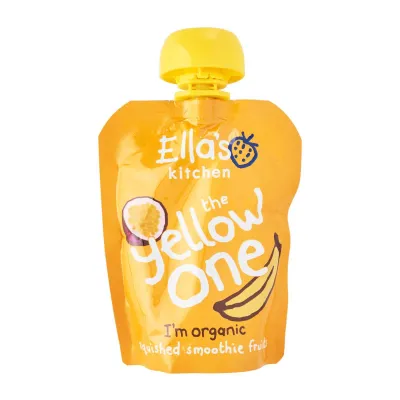
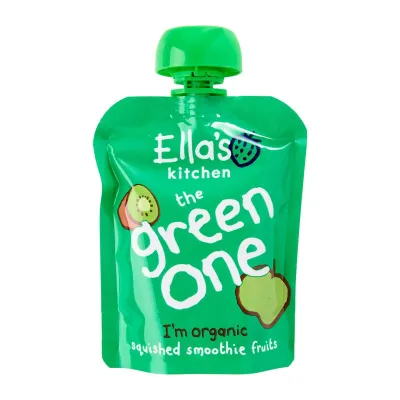
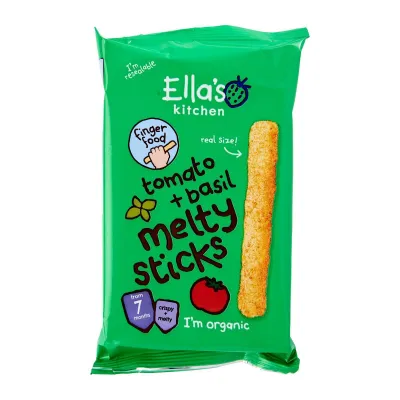
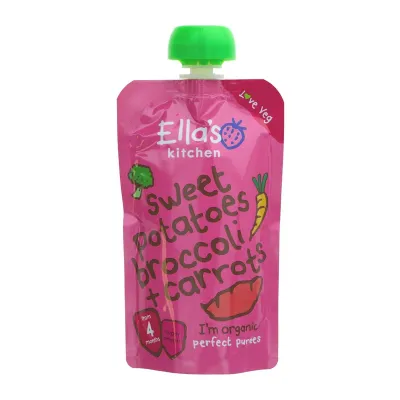
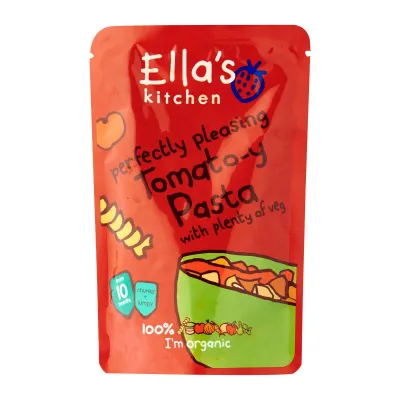
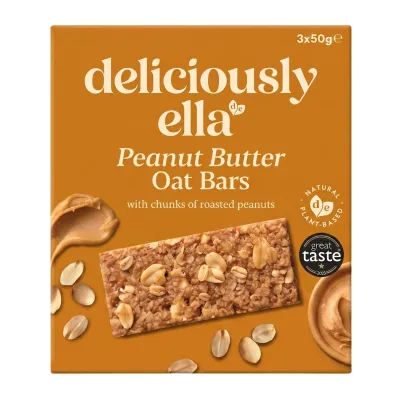
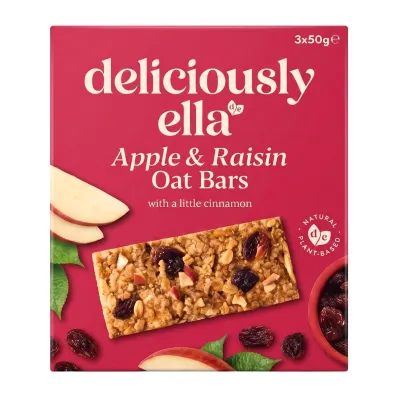
Prices are valid at publication and may change. Please refer to the product page for the latest price.
How to Evaluate the Ingredient List
Decoding the ingredient list is the most reliable way to understand exactly what your baby is consuming. By law, ingredients are listed in descending order by weight, meaning the first few items on the list make up the majority of the product. When choosing a vegetable or fruit puree, look for whole foods listed at the very beginning of the ingredient list rather than water, reconstituted juices, or starches.

A high-quality baby food product should prioritize whole, nutrient-dense ingredients. If a product is labeled as a spinach and pear puree, spinach and pear should be the primary ingredients listed, rather than apple juice concentrate or water used as fillers. This ensures your baby is receiving the actual nutritional benefits of the featured foods.
Parents must also watch for hidden sugars, sodium sources, and unnecessary thickeners that are sometimes added to commercial baby foods. Added sugars may appear under names like fruit juice concentrate, cane sugar, brown rice syrup, or dextrose. While natural sugars from whole fruits are expected, concentrated juices can significantly elevate the overall sugar content without providing the fiber of whole fruits.
Similarly, check for added sodium or salt, which is unnecessary for infants and can strain their developing kidneys. Thickeners such as cornstarch, tapioca starch, or xanthan gum are often used to create a smoother texture or extend shelf life. While these additives are generally safe, they can dilute the nutritional density of the meal by replacing whole food ingredients.
To verify organic or specific farming claims, look beyond the marketing slogans on the front of the packaging. Instead, locate the official certification logos on the back or side panel, such as the USDA Organic seal, the EU Organic leaf, or organic certification marks recognized in Singapore. These logos confirm that the product has met strict independent standards, providing a more reliable guarantee than unregulated front-of-pack claims.
Assessing the Nutritional Profile by Developmental Stage
As your baby transitions from a diet of breast milk or formula to solid foods, their nutritional priorities undergo a significant shift. Solid foods are introduced not just for calories, but to expose your baby to new textures, flavors, and essential vitamins and minerals. Reading the nutritional information panel helps you track these nutrients to ensure they align with your baby’s changing physical demands.
When reviewing the nutritional panel, start by checking the serving size to understand how the nutrient values are calculated. Next, evaluate the macronutrients—proteins, healthy fats, and carbohydrates—alongside key micronutrients like iron, calcium, and sodium. This analysis allows you to match the food’s nutritional output with your baby’s specific developmental milestones.
Key Nutrients for Early Eaters (Around 6 Months)
At around six months of age, a baby’s natural iron stores, which were built up during pregnancy, begin to deplete. Because breast milk and standard formulas may not fully meet their growing iron requirements, introducing iron-rich solid foods becomes a primary nutritional goal. When evaluating baby foods for early eaters, look for naturally iron-rich ingredients or check for iron-fortified options.
For babies who are just beginning their solids journey, single-ingredient simplicity is highly recommended. Starting with single-ingredient purees makes it much easier to identify and isolate potential food sensitivities or allergic reactions. Look for labels that list only one whole food and water, with no added salt, sugar, or preservatives.
Texture is another critical factor to verify on the packaging for early eaters. The label should clearly indicate that the product is a smooth, completely homogeneous puree suitable for beginners. This texture helps babies learn the mechanics of swallowing solids safely, minimizing the risk of choking as they transition away from a purely liquid diet.
Below are the key indicators to check on the label for early eaters:
- Iron-rich ingredients: Look for pureed meats, poultry, lentils, or dark green vegetables, or check for iron-fortified baby cereals.
- Single-ingredient simplicity: Choose products with only one main ingredient to easily monitor for potential food sensitivities.
- Appropriate texture: Ensure the packaging indicates a smooth, fine puree suitable for babies just starting solids.
Nutritional Needs for Older Babies (9 Months and Up)
By the time babies reach nine months and older, their physical activity increases as they begin to crawl, pull up, or take their first steps. This increased activity, combined with rapid brain development, requires a more energy-dense and nutritionally diverse diet. At this stage, look for commercial baby foods that offer a balanced profile of macronutrients, including healthy fats and proteins that support active growth.
Micronutrients like calcium and zinc also become increasingly important during this period of rapid bone and muscle development. Check the nutritional panel for these minerals, which are naturally present in baby foods containing dairy, whole grains, beans, or blended meats. These ingredients help support a strong immune system and healthy physical development.
It is also essential to evaluate the calorie density of products designed for older babies. Avoid foods that rely heavily on water, starches, or low-calorie fruit juices as fillers, as these can fill your baby’s small stomach without providing sufficient nutrients. Instead, opt for thicker purees, mashed textures, or soft chunks that offer substantial nutrition in every spoonful.
Consider these essential factors when selecting foods for older babies:
- Balanced macronutrients: Look for healthy fats and proteins to support rapid brain development and muscle growth.
- Essential minerals: Check for calcium and zinc sources, which are vital for bone development and immune function.
- Calorie density: Avoid products relying heavily on water or low-calorie fillers that might replace nutrient-dense foods.
Navigating Allergens and Dietary Restrictions
Safely navigating potential allergens is one of the most important aspects of introducing commercial baby foods. Standardized allergen declarations are typically located directly below the ingredient list on the packaging. These declarations are often highlighted in bold text or introduced by a clear “Contains:” statement, making it easier to identify common allergens such as milk, eggs, wheat, soy, peanuts, tree nuts, fish, and shellfish.
Parents must understand the distinction between direct allergen ingredients and precautionary allergen labeling. An advisory statement, such as “made in a facility that also processes wheat” or “may contain traces of dairy,” indicates a potential risk of cross-contamination during the manufacturing process. In contrast, a “contains” statement indicates that the allergen is an active ingredient in the recipe.
If your baby has a diagnosed food allergy or a high risk of developing one, consult your pediatrician before introducing products with precautionary allergen statements. For babies with mild sensitivities, these products may be acceptable, but a professional medical opinion is always the safest path.
To ensure a product aligns with specific dietary restrictions, such as gluten-free, dairy-free, vegetarian, or halal diets, always perform a comprehensive review of the entire ingredient list. Do not rely solely on front-of-pack marketing claims or symbols, which may not account for trace ingredients or specific processing aids used during manufacturing.
When to Stop Use and Consult a Professional
While commercial baby foods offer convenience, parents must closely monitor their baby’s physical and behavioral responses to new foods. Stop feeding a specific product immediately if you observe any signs of an adverse reaction or food allergy. These signs can include hives, skin rashes, swelling of the face or lips, vomiting, diarrhea, or sudden respiratory distress such as wheezing.
Similarly, watch for signs of food intolerance, which may manifest as severe abdominal gas, unusual fussiness, or changes in stool consistency after eating. If your baby displays a persistent aversion to eating, frequent gagging, or a refusal to accept new textures, it may indicate a developmental feeding challenge rather than a simple dislike of the food.
Babies with unique medical conditions, faltering growth, or developmental delays often require a highly customized feeding plan that standard commercial options cannot provide. In these cases, rely on a pediatrician or a registered pediatric dietitian to conduct a personalized nutritional assessment. These professionals can provide tailored guidance to ensure your baby receives safe, adequate, and balanced nutrition.
Frequently Asked Questions (FAQ)
Can I mix Ella baby food with breast milk or formula?
Yes, mixing commercial baby food purees with breast milk or prepared formula is a safe and effective way to adjust the consistency of the food for early eaters. This practice can also help ease the transition to solids by introducing a familiar taste to new flavors. To do this safely, spoon a single portion of the puree into a clean serving bowl and stir in a small amount of expressed breast milk or prepared formula until you reach the desired thickness.
However, you should never add breast milk or formula to the baby food before heating or cooking. High temperatures can destroy the delicate vitamins, minerals, and protective antibodies present in breast milk and formula. Additionally, always discard any leftover mixture that your baby does not finish during a feeding, as bacteria from your baby’s saliva can transfer to the bowl and multiply rapidly in the leftovers.
How long can I keep an opened pouch or jar in the fridge?
As a general food safety rule, opened commercial baby food pouches or jars can be stored in the refrigerator for 24 to 48 hours. However, storage limits can vary depending on the specific ingredients in the product. For example, purees containing meat, poultry, or fish typically have a shorter safe storage window than simple fruit or vegetable purees.
To ensure safety, always check the specific manufacturer’s label instructions on the packaging for exact storage limits and guidelines. Before serving any refrigerated leftovers to your baby, perform a quick quality check. Inspect the food for visual signs of spoilage, such as mold, unusual separation, or discoloration, and check for any sour or off-putting odors. If you detect any of these signs, discard the food immediately.
Community discussion
Share your experience or ask a question. Comments are reviewed before publication.