
Choosing the right diaper pants for a baby in Singapore’s year-round tropical humidity requires balancing absorption, breathability, and cost. While Drypers SuperDry Pants XL is a popular, budget-friendly option designed for active toddlers, its performance in high-humidity environments depends heavily on individual fit, skin sensitivity, and changing frequency. To determine if this specific diaper meets your baby’s needs compared to alternative brands, parents must evaluate key physical features, verify sizing specifications, and monitor how the materials interact with local climate conditions.
What Makes a Diaper Effective in Singapore's Humid Weather
Singapore’s tropical climate, characterized by high temperatures and relative humidity levels often exceeding 80 percent, presents a unique challenge for diaper performance. In these conditions, high ambient humidity significantly slows down the evaporation rate of moisture trapped inside a diaper. When sweat and urine cannot evaporate efficiently, the microclimate inside the diaper becomes hot and damp, creating an environment where friction can easily damage delicate skin.
To combat this, parents should look closely at manufacturer label claims regarding airflow and material construction. Effective diapers for humid weather typically feature a breathable back sheet that allows warm air to escape while keeping liquid contained. Additionally, a moisture-wicking top layer is essential to quickly draw wetness away from the baby’s skin and lock it into the absorbent core, minimizing direct contact time.
Products mentioned in this guide
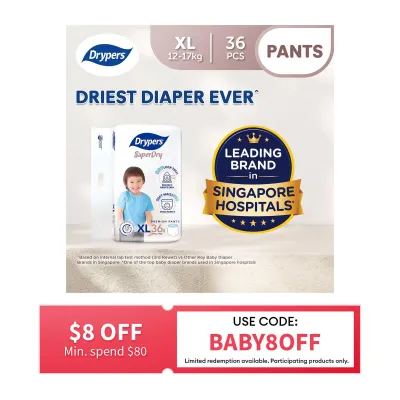
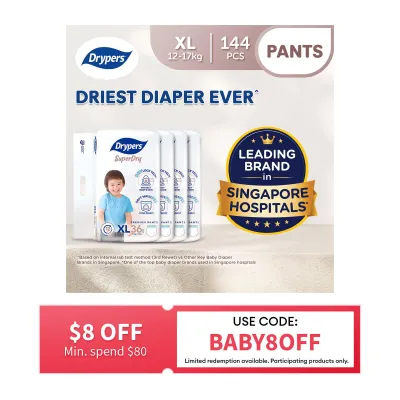
![Drypers [SAMPLE] Drypers SuperDry Premium Pants Baby Diaper L (9-14kg) - 2pcs](https://img.lazcdn.com/g/p/c8eb83f0f5218aa892276d3c741098c8.jpg_400x400q80.jpg_.webp)
Prices are valid at publication and may change. Please refer to the product page for the latest price.
Trapped humidity and prolonged wetness often lead to early signs of skin irritation, such as heat rash, chafing, or redness around the waistband and leg cuffs. Heat rash typically presents as tiny, red bumps in areas where sweat accumulates, while chafing occurs where damp diaper edges rub against active legs. Monitoring these physical indicators helps caregivers assess whether a diaper’s breathability is sufficient for the local climate.
Checking the Specifications of Drypers SuperDry Pants XL
Before purchasing Drypers SuperDry Pants XL, caregivers must verify the specific product details and sizing guidelines printed on the packaging. The XL size is generally designed for toddlers within a specific weight range, which should be cross-referenced with your baby’s current weight and physical build. Because diaper cuts vary, checking the manufacturer’s recommended weight limits on the pack is the first step to preventing leaks and ensuring comfort during active play.

When examining the packaging of Drypers SuperDry Pants, look for descriptions of its absorbent core technology and waistband design. The product features an elastic waistband and leg elastics designed to provide a secure fit without digging into the skin. Caregivers should also check the label to see if this specific line includes a wetness indicator, which changes color to signal when a change is needed, or if you will need to rely on physical checks.
Additionally, it is important to review the packaging for any dermatological testing claims or statements regarding ingredients. Parents of babies with sensitive skin should verify whether the product is formulated without added fragrances, lotions, or potential allergens. Because product formulations and packaging details can change over time, reading the physical label of the current batch is the most reliable way to confirm these specifications.
How to Compare Drypers Against Competing Diaper Brands
To make an informed comparison between Drypers SuperDry Pants XL and other diaper brands available in Singapore, parents can use a structured evaluation framework. Start by comparing physical attributes that directly impact comfort in humid weather. Feel the material thickness of each brand; thinner, lighter diapers often feel less bulky and may allow better heat dissipation, while double-layered leg gussets help prevent leaks during movement without restricting airflow.
Cost is another critical factor for most households, making it useful to calculate the exact cost per diaper in S$. Because pack sizes and retail prices vary across local supermarkets and online marketplaces, divide the total pack price by the number of pants inside. This calculation allows you to compare the economic value of Drypers, which is often positioned as a budget-friendly option, against premium or alternative brands.
Finally, track real-world performance metrics at home over a trial period of several days. Note the frequency of leaks during active daytime play and observe whether the diaper sags excessively after a single wetting, which can pull the waistband down and cause gaps. Pay close attention to the condition of your baby’s skin after overnight wear, checking for any dampness or redness that suggests moisture is not being sufficiently locked away.
Decision Framework: Which Diaper Should You Buy?
To help streamline your choice, you can use a conditional decision framework based on your baby’s unique needs, your household budget, and local environmental factors.
- Choose Drypers SuperDry Pants XL if: You are looking for an affordable, everyday diaper option for an active toddler, your baby does not have highly sensitive skin, and you are able to maintain a regular changing schedule throughout the day.
- Consider alternative brands if: Your baby is prone to severe diaper rash, requires maximum overnight absorbency without sagging, or if you prefer ultra-thin materials specifically marketed for high-heat environments.
- Verify first if: The physical fit around your baby's thighs and waist is snug yet comfortable, and check the packaging of the specific pack you buy to confirm the current weight recommendations and material specifications.
Before committing to bulk cartons, it is highly recommended to purchase smaller trial packs or request samples. Testing a small quantity allows you to observe how the diaper performs in Singapore’s humidity without a significant financial commitment. If your baby develops persistent redness, swelling, or an allergic reaction that does not resolve with regular diaper changes and barrier creams, stop using the product immediately and consult a qualified pediatrician.
Additionally, proper storage of your diapers is crucial in Singapore’s climate. Keep unused diapers in a cool, dry place, sealed in their original packaging or a plastic container, to prevent the absorbent materials from drawing in ambient moisture from the air before they are even worn.
Frequently Asked Questions (FAQ)
How often should I change diapers in humid weather to prevent rashes?
In Singapore’s humid climate, prolonged exposure to moisture weakens the skin’s natural barrier, making it highly susceptible to breakdown and bacterial or fungal infections. Caregivers should change diaper pants every two to three hours, or immediately upon detecting soil. Observable signs that indicate an immediate change is needed include a heavy, sagging diaper core, a change in the wetness indicator color, or a baby fussing and tugging at the waistband. Before putting on a fresh diaper, ensure the diaper area is completely clean and dry, and apply a thin layer of zinc oxide-based barrier cream to protect the skin from friction and moisture.
Does the XL size fit differently across various diaper brands?
Yes, diaper sizing is not universally standardized, meaning an XL size in Drypers may fit differently than an XL in another brand. Weight ranges and physical cuts vary significantly by manufacturer, with some brands designing a narrower crotch or a higher waistband. To find the best fit, measure your baby’s waist and upper thighs, and cross-reference these measurements with the specific brand’s sizing charts. Watch for fit issues such as red pressure marks on the thighs, which indicate the elastic is too tight, or gaps at the waistband and leg cuffs, which can lead to leaks.
Community discussion
Share your experience or ask a question. Comments are reviewed before publication.