
Navigating a tropical climate with a young child often means dealing with sudden weather changes, sweaty outdoor play sessions, and impromptu visits to water parks. For parents on the move, managing damp or soiled outfits is a daily logistical challenge. A diaper bag equipped with a reliable wet clothes compartment is an essential tool for keeping clean items dry and organized. However, finding the right bag requires looking beyond brand names and marketing claims to evaluate the actual capacity, material quality, and design of these specialized pockets.
Because diaper bag models and specifications are updated frequently by manufacturers, relying on static brand rankings can be misleading. Instead, selecting the most functional compartment depends on your specific daily routine—whether you require a high-capacity built-in pocket for multiple wet outfits or a compact, modular solution for single changes. By understanding how to verify waterproof linings, seam construction, and accessibility features, you can confidently choose a diaper bag that meets your family’s needs and withstands daily wear.
Key Criteria for Evaluating Wet Clothes Compartments
To evaluate the effectiveness of a wet clothes compartment, you must first look at its physical capacity. Many diaper bags feature pockets that look spacious when empty but become highly compressed once the main compartment is packed with diapers, wipes, and bottles. When reviewing product specifications, check the internal dimensions of the wet pocket to ensure it can comfortably hold soiled outfits, swimwear, or a small towel without stretching the seams or bulging into other storage areas.
Products mentioned in this guide
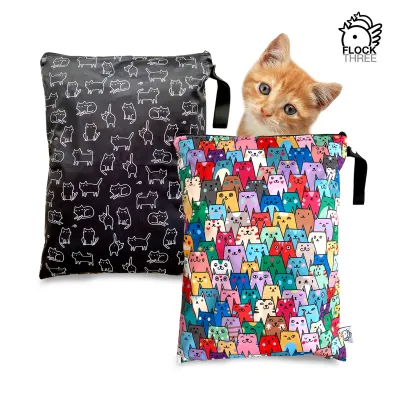
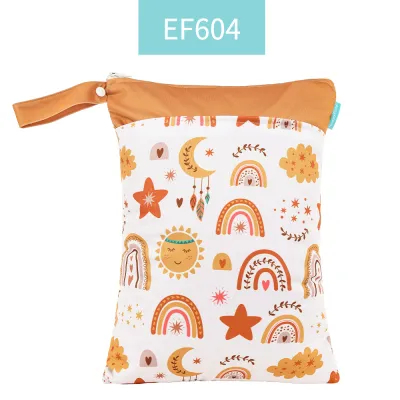
Prices are valid at publication and may change. Please refer to the product page for the latest price.
Waterproofing standards are the next critical factor to verify on product specification sheets. Generic terms like “water-resistant” often mean the fabric can repel light splashes but will eventually let moisture seep through under pressure. For reliable leak protection, look for linings made from thermoplastic polyurethane (TPU) or polyethylene vinyl acetate (PEVA). These materials provide a solid barrier against moisture and are generally easier to wipe clean than standard nylon linings.
Accessibility and odor containment also play a major role in daily convenience. A well-designed wet compartment should feature separate exterior access, allowing you to slip damp items inside without opening the main bag and exposing clean clothes to humidity. Additionally, look for secure zipper closures that seal tightly to contain dampness and odors, which is particularly important when traveling home on public transport or spending several hours in warm outdoor environments.
Comparing Compartment Features Across Diaper Bag Styles
The overall style of your diaper bag significantly influences how the wet compartment functions. Backpack diaper bags are highly popular due to their hands-free convenience, which makes navigating busy transit stations or pushing a stroller much easier. In a backpack design, wet compartments are typically positioned vertically, either at the bottom or along the front panel. While this keeps the bag balanced, a fully packed wet pocket can sometimes reduce the depth of the main compartment, making it harder to reach items at the bottom.

Tote-style diaper bags, on the other hand, offer a wider horizontal layout. This structure often allows for larger wet pockets that can accommodate flat-laid items like towels or swimsuits more easily. However, carrying a heavy tote on one shoulder can become uncomfortable if the wet compartment is packed unevenly, causing the bag to sag or pull to one side. Parents should consider their primary mode of transport and carrying preferences when choosing between these two styles.
Another major decision is choosing between a built-in wet compartment and a modular wet bag system. Built-in compartments offer excellent convenience because they are integrated directly into the bag’s structure, ensuring you never leave home without a place to store soiled clothes. However, they can be difficult to dry completely if the bag’s main body cannot be turned inside out. Modular wet bags, which are removable inserts, provide excellent flexibility. They can be taken out of the diaper bag, thrown directly into the washing machine, or transferred to a different carrier depending on your plans for the day.
Balancing storage capacity with the overall weight and bulk of the bag is essential. A massive wet compartment is highly useful for pool days, but it adds unnecessary bulk on quick trips to the mall. If you choose a bag with a large integrated wet pocket, ensure the surrounding fabric is lightweight and flexible so the pocket can collapse flat when not in use, preserving space for your daily essentials.
How to Verify Waterproofing and Material Durability
Before purchasing a diaper bag, it is important to verify the materials used in the wet compartment by reading the manufacturer’s tags or official product listings. Look for food-grade, PVC-free, and BPA-free materials such as TPU or PEVA. These materials are not only highly effective at blocking moisture but are also safer for storing items that come into direct contact with your baby’s skin. Avoid bags that list the lining simply as “polyester” without specifying a waterproof coating or laminate.
The construction of the seams is just as important as the fabric itself. Standard stitched seams create tiny needle punctures that can allow moisture to slowly weep through to the dry sections of your bag over time. For maximum leak protection, look for compartments with welded or heat-sealed seams, which fuse the waterproof lining together without stitching. Additionally, inspect the zipper area; water-resistant zippers or protective fabric flaps over the zipper track help prevent moisture from escaping through the closure.
Finally, always review the manufacturer’s maintenance and care instructions. Some high-performance waterproof linings can be damaged by machine washing, harsh detergents, or exposure to high heat in a clothes dryer. Over time, improper washing can cause the waterproof laminate to peel away from the fabric, destroying its protective qualities. Choosing a bag with clear, manageable care instructions ensures you can maintain proper hygiene without compromising the durability of the wet compartment.
Decision Framework: Choosing the Right Bag for Wet Clothes
To select the right diaper bag for your family, consider your typical daily activities and the age of your child. If your routine involves frequent swimming lessons, outdoor water play, or if you use cloth diapers, you will benefit most from a diaper bag with a large, dedicated exterior wet pocket. This design keeps bulky, damp items completely isolated from your clean gear and allows for quick access when you need to pack up in a hurry.
If you prefer a lighter, more streamlined daily carry and primarily need wet storage for occasional diaper blowouts or spilled drinks, a modular system is often the better choice. Opting for a bag that includes a removable, machine-washable wet bag gives you the flexibility to carry the extra storage only when needed, making the main diaper bag lighter and easier to organize on standard outings.
Regardless of the style you prefer, always verify the exact compartment dimensions, material specifications, and care requirements on the manufacturer’s official website or authorized retail listings before finalizing your purchase. Checking these details beforehand ensures the bag will fit your specific gear and align with your preferred cleaning routine, saving you from unexpected leaks or maintenance issues down the road.
Frequently Asked Questions (FAQ)
Can I use a standard plastic bag instead of a built-in wet compartment?
While a standard plastic bag is a common temporary solution, it has several drawbacks compared to a designed wet compartment. Plastic bags are highly prone to tearing, which can lead to unexpected leaks inside your diaper bag. They also trap moisture completely without any breathability, creating a humid environment that accelerates the growth of mold and unpleasant odors, especially in warm climates. A dedicated wet compartment or reusable wet bag is constructed from durable, wipeable materials that contain moisture safely while being much more environmentally friendly.
How do I clean and maintain a diaper bag's wet clothes pocket to prevent odors and mold?
To keep the wet compartment fresh and hygienic, wipe it down after every use with a damp cloth and a mild, baby-safe soap. If the lining can be pulled outward, turn the pocket inside out and allow it to air dry completely in a well-ventilated area before zipping it back up. Avoid storing damp items in the pocket for extended periods, and never use bleach or high heat unless the manufacturer’s care label explicitly permits it, as this can degrade the waterproof lining over time.
Community discussion
Share your experience or ask a question. Comments are reviewed before publication.