
Introducing solid foods is a major milestone in your infant’s development, and choosing the right carrot baby food is an excellent way to start this journey. Carrots are globally celebrated as an ideal first food due to their mild sweetness, smooth texture when pureed, and exceptional nutritional profile. For parents in Singapore navigating the crowded shelves of local supermarkets and online grocers, selecting the best options requires a clear understanding of nutritional quality, ingredient purity, and developmental suitability. By focusing on products that preserve natural vitamins and avoid unnecessary additives, you can ensure your baby receives the full health benefits of this vibrant root vegetable.
Why Carrots Are a Nutritional Staple for Infants
Carrots serve as an outstanding foundational food during the weaning process because they are naturally packed with essential micronutrients that support rapid infant growth. Chief among these nutrients is beta-carotene, a powerful antioxidant that the infant’s body converts into Vitamin A. This vitamin is critical for the healthy development of your baby’s vision, particularly night vision and color perception, while also playing a vital role in strengthening their developing immune system and maintaining healthy skin barriers.
The natural sweetness of carrots is another reason they are highly recommended by pediatricians and nutritionists. Breast milk and infant formula are naturally sweet due to their lactose content, meaning babies are biologically predisposed to prefer sweet flavors. Introducing a vegetable that mirrors this familiar sweetness helps ease the transition from an all-milk diet to solid foods, making the baby more receptive to new textures and flavors without relying on artificial sweeteners.
Products mentioned in this guide
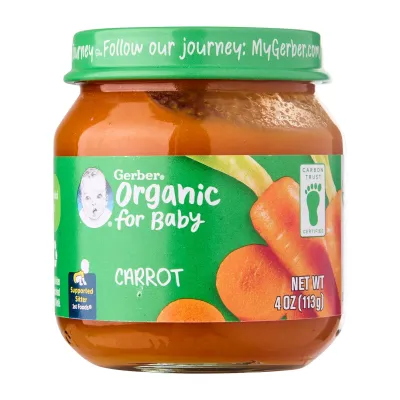
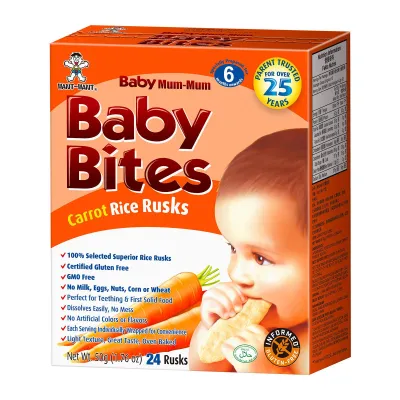
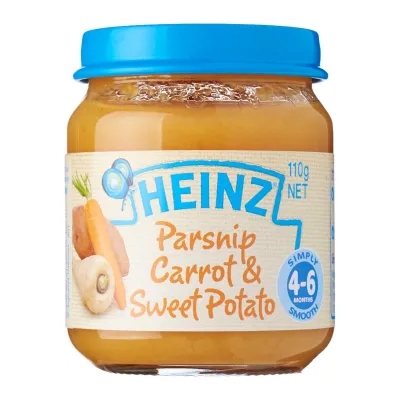
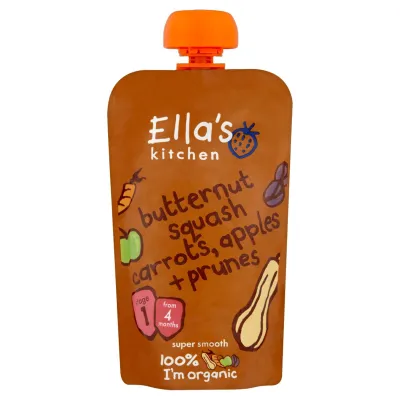

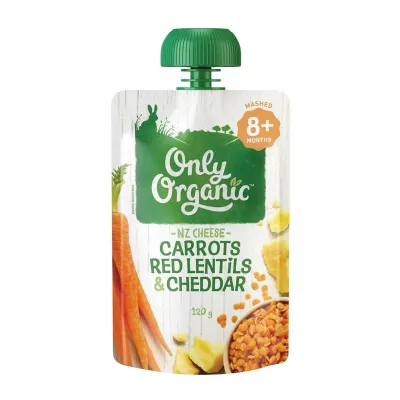
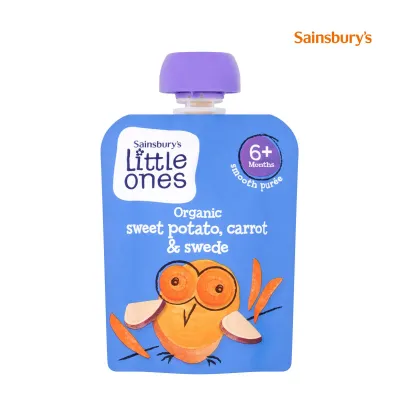
Prices are valid at publication and may change. Please refer to the product page for the latest price.
In addition to vitamins, carrots provide a gentle source of dietary fiber, which is highly beneficial as your infant’s digestive system adapts to processing solid foods. The dietary fiber in carrots helps promote regular bowel movements and supports a healthy gut microbiome, reducing the likelihood of infant constipation—a common challenge during the early stages of weaning. This fiber works in tandem with the vegetable’s high water content to keep your baby’s digestive tract functioning smoothly.
While raw carrots are exceptionally nutrient-dense, the actual vitamin and mineral retention in commercial baby food depends heavily on the manufacturer’s processing and packaging methods. High-heat sterilization processes can sometimes degrade heat-sensitive nutrients like Vitamin C and certain B vitamins. To maximize nutritional intake, parents should look for brands that utilize gentle cooking techniques, such as steam-cooking or rapid flash-pasteurization, which lock in the natural goodness of the vegetable before sealing.
How to Evaluate Carrot Baby Food Brands for Nutritional Quality
When standing in the baby food aisle of a Singapore supermarket, evaluating the ingredient list is your first and most reliable line of defense. The gold standard for an early weaning food is absolute simplicity: the ingredient list should ideally read “100% organic carrots” or contain only carrots and water used for cooking consistency. You should actively avoid products that contain added salt, cane sugar, cornstarch, rice flour, or chemical preservatives, as these ingredients dilute the nutritional density of the food and can establish unhealthy taste preferences early in life.

Understanding how to read the Nutrition Information Panel (NIP) on the packaging is crucial for making informed comparisons between different brands. Pay close attention to the sodium levels, which should be negligible or zero, as an infant’s immature kidneys cannot process high amounts of salt. Additionally, examine the sugar content; while carrots naturally contain simple sugars, the label should clearly indicate that there are zero “added sugars,” ensuring that all sweetness comes solely from the vegetable itself.
Organic certifications and food safety standards provide an extra layer of reassurance for discerning parents. Look for internationally recognized organic seals, such as the USDA Organic, EU Organic, or Australian Certified Organic logos, which guarantee that the carrots were grown without synthetic pesticides, herbicides, or chemical fertilizers. Furthermore, ensure that the brand complies with the strict import and safety regulations set by the Singapore Food Agency (SFA), which monitors contaminant levels in imported infant foods.
Brand transparency regarding sourcing and manufacturing is a strong indicator of high product quality. Reputable baby food companies often share detailed information about the specific farms where their vegetables are harvested and the exact processes used to prepare their purees. Choosing brands that prioritize sustainable farming, clean-label manufacturing, and rigorous quality control ensures that your baby is consuming a product free from heavy metals and environmental toxins.
Matching Carrot Baby Food Types to Your Baby's Weaning Stage
Single-Ingredient Purees
Single-ingredient carrot baby purees are the perfect starting point for infants who are just beginning their weaning journey, typically around six months of age. Introducing carrots in this isolated form allows your baby to experience the distinct, unadulterated flavor of the vegetable, which helps build sensory recognition. This single-ingredient approach is also highly practical for identifying potential food sensitivities or rare allergic reactions, as it allows you to isolate carrots from other ingredients for several days before introducing a new food.
Multi-Ingredient Blends
As your baby grows more accustomed to solid foods, usually around seven to eight months, you can transition them to multi-ingredient blends that feature carrots alongside complementary ingredients. Popular combinations include carrot mixed with sweet potato, peas, apples, pumpkin, or even proteins like lentils and chicken. These blends not only expand your baby’s palate by introducing more complex flavor profiles but also provide a more balanced macronutrient distribution, combining the vitamins of carrots with the healthy fats, proteins, and carbohydrates of other whole foods.
Carrot-Based Snacks and Finger Foods
For older infants who are developing their pincer grasp and oral motor skills, typically between eight and ten months, carrot-based snacks and finger foods offer an engaging way to practice self-feeding. Options such as carrot-infused puffed grains, dissolvable melts, and soft teething rusks provide a safe outlet for chewing practice. When selecting these snacks, always verify the age recommendations on the packaging and read the ingredient list to ensure they are made with real carrot powder rather than artificial flavorings or excessive starches.
Texture Progression
Progressing the texture of your baby’s food is vital for the development of their jaw muscles, tongue coordination, and future speech skills. Parents should gradually transition their infants from completely smooth, runny purees to thicker, mashed consistees, and eventually to soft, chunky mixtures that require some chewing. Commercial brands often categorize their products by “stages” (e.g., Stage 1 for smooth purees, Stage 2 for textured blends, and Stage 3 for chunky meals) to help parents navigate this physical transition safely and confidently.
Safety, Storage, and Feeding Boundaries for Carrot Products
While commercial purees are prepared to be perfectly safe and smooth, parents must remain highly vigilant about choking hazards as their babies transition to solid finger foods. Raw, hard carrots are one of the most common choking hazards for young children due to their rigid texture. If you are preparing carrots at home to complement commercial options, always ensure they are steamed or boiled until they are completely fork-tender, and cut them into thin, easily manageable strips rather than round coins, which can easily block an infant’s airway.
Another important safety consideration involves the natural presence of nitrates in root vegetables like carrots. Nitrates are compounds absorbed from the soil that can, in extremely high quantities, affect the oxygen-carrying capacity of an infant’s blood. While commercial baby food manufacturers carefully monitor and test their products to ensure nitrate levels are well within safe, legally regulated limits, it is still wise to consult your pediatrician regarding the frequency of feeding root vegetables to very young infants, especially those under six months of age.
Monitoring for food allergies is a fundamental practice when introducing any new food item to your baby’s diet. Although carrot allergies are relatively rare, they can still occur, presenting symptoms such as mild skin rashes, hives around the mouth, vomiting, or diarrhea. When introducing a new carrot-based product or a complex blend, feed it to your baby in small amounts and observe them closely for two to three days without introducing any other new foods, allowing you to easily identify the source of any adverse reaction.
Proper storage and hygienic handling of carrot baby food are critical to preventing foodborne illnesses, particularly in Singapore’s warm and humid tropical climate. Unopened jars and pouches should be kept in a cool, dry pantry away from direct sunlight. Once a container is opened, any unused portion must be refrigerated immediately and consumed within 24 to 48 hours, depending on the manufacturer’s specific instructions. To prevent bacterial contamination from your baby’s saliva, never feed them directly from the jar or pouch if you intend to save the remainder; always spoon the desired portion into a separate clean bowl first.
Quick Shopping Checklist for Supermarkets and Online Grocers
To make your shopping trips to local supermarkets or online grocery platforms as efficient as possible, keep this practical checklist in mind:
- Inspect Packaging Integrity: Always check that the safety button on glass jar lids is firmly down and does not click when pressed, indicating the vacuum seal is intact. For squeeze pouches, ensure there are no signs of bloating, leaks, or punctures.
- Verify Expiry Dates: Carefully check the "best before" or expiration date printed on the packaging, especially when purchasing bulk packs or promotional items that may have a shorter shelf life.
- Compare Unit Prices: Look at the price per 100 grams rather than the total package price to accurately compare the value of different brands, balancing your budget with your baby's actual consumption rate to minimize food waste.
- Check for Dietary Certifications: If your family follows specific dietary guidelines, look for verified labels such as Halal certifications, vegan symbols, or declarations of allergen-free manufacturing facilities.
- Evaluate In-Store Storage: Ensure that the products you purchase are displayed in clean, temperature-controlled aisles away from heat sources or direct sunlight, which can accelerate nutrient degradation.
Frequently Asked Questions (FAQ)
Can I mix store-bought carrot puree with breast milk or formula?
Yes, mixing store-bought carrot puree with breast milk or prepared infant formula is a safe and highly effective practice, especially during the initial stages of weaning. The familiar taste and aroma of your baby’s usual milk can make the introduction of a new vegetable texture much less intimidating, increasing their acceptance of the carrot flavor. When doing this, only mix the specific portion your baby is going to consume during that feeding session. Any leftover mixture must be discarded immediately, as the introduction of saliva during feeding can promote rapid bacterial growth and spoil the food.
Why does my baby's skin look slightly orange after eating carrots?
If your baby’s skin, particularly on their palms, the soles of their feet, or the tip of their nose, develops a mild orange tint after consuming carrots regularly, they are likely experiencing a benign condition called carotenemia. This occurs when an abundance of beta-carotene from orange vegetables accumulates harmlessly in the outer layer of the skin. Carotenemia is completely safe, is not associated with any illness, and will gradually resolve on its own once you temporarily reduce the frequency of beta-carotene-rich foods in their diet. However, if you notice that the whites of your baby’s eyes are turning yellow, this could be a sign of jaundice, and you should consult a pediatrician immediately.
Community discussion
Share your experience or ask a question. Comments are reviewed before publication.