
Determining whether Bzu Bzu Wipes 30s are safe for your newborn’s skin requires a careful look at the ingredient list on the physical packaging, an understanding of early skin development, and a systematic approach to patch testing. Because a newborn’s skin barrier is highly delicate and still developing, parents cannot rely solely on front-of-pack marketing claims. Instead, evaluating the specific chemical composition of the wipes and observing how your baby’s skin responds is the most reliable way to ensure safety.
While many commercial baby wipes are formulated to be gentle, individual sensitivities vary widely. By learning how to decode the ingredient label on the compact 30s travel pack, understanding the physiological needs of newborn skin, and practicing safe application methods, you can make an informed decision that protects your baby from unnecessary irritation and discomfort.
Understanding Newborn Skin Sensitivity and Wipe Ingredients
A newborn’s skin is fundamentally different from adult skin, requiring specialized care and highly controlled exposure to topical products. At birth, the outer layer of the skin, known as the stratum corneum, is significantly thinner and less structured than it will be in later childhood. This structural difference makes the skin barrier highly permeable, meaning it absorbs topical substances more rapidly and is far more vulnerable to environmental irritants.
Products mentioned in this guide
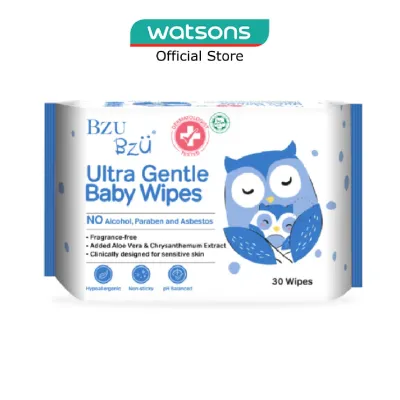
![[BUNDLE DEAL] BZU BZU Ultra Gentle Baby Wipes 30pcs x24](https://img.lazcdn.com/g/p/dd1e2ef98956357c86f9e9926e3d6d30.jpg_400x400q80.jpg_.webp)
![[BUNDLE DEAL] BZU BZU Ultra Gentle Baby Wipes 30pcs x12](https://img.lazcdn.com/g/p/b70968a8849e72d2db92b9cbc206919c.jpg_400x400q80.jpg_.webp)
![[BUNDLE DEAL] BZU BZU Baby Wet Wipes | Kill 99.9% Germs | Safe for Face & Body](https://img.lazcdn.com/g/p/8346df933d1802f5c68bd3356eeb27a4.jpg_400x400q80.jpg_.webp)
![[CARTON DEAL] BZU BZU Ultra Gentle Fragrance Free Baby Wet Wipes 30pcs x48](https://img.lazcdn.com/g/p/72f9696d7be6da31ebc509535a7b84f6.jpg_400x400q80.jpg_.webp)
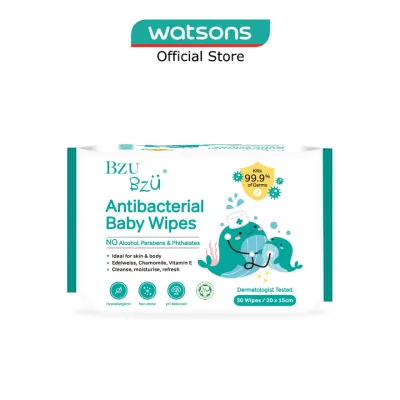
![[BUNDLE DEAL] BZU BZU Anti-Bacterial Baby Wipes 30pcs x24](https://img.lazcdn.com/g/p/f2eb039b4eb906ddf470ffb4c9ed26b9.jpg_400x400q80.jpg_.webp)
![[BUNDLE DEAL] BZU BZU Anti-Bacterial Baby Wipes 30pcs x48](https://img.lazcdn.com/g/p/6d86d0ac5f8a52f082f223ce9a2a0d87.jpg_400x400q80.jpg_.webp)
Prices are valid at publication and may change. Please refer to the product page for the latest price.
In addition to being thinner, newborn skin has a higher rate of transepidermal water loss, making it highly susceptible to dryness and chafing. The natural protective acid mantle, which helps defend the skin against harmful bacteria and environmental pathogens, is also still developing during the first few months of life. Consequently, any product applied to the diaper area must support, rather than disrupt, this fragile, slightly acidic pH balance.
The diaper area presents a particularly challenging microenvironment for a baby’s skin. It is constantly subjected to moisture, warmth, friction from diapers, and exposure to the digestive enzymes present in urine and stool. When you use a wet wipe, you are not just cleaning the skin; you are also leaving behind a thin film of the wipe’s liquid formulation. If this formulation contains harsh chemicals, the compromised skin barrier can easily become inflamed.
To evaluate any baby wipe systematically, it helps to understand the basic functional categories of ingredients typically found in these formulations:
- Water Base: Usually comprising over 95% of the liquid formula, highly purified water serves as the primary solvent to dissolve other ingredients and physically lift away soil.
- Surfactants: These are mild cleansing agents that lower the surface tension of water, allowing it to mix with oils and organic matter so they can be easily wiped away.
- Preservatives: Essential for preventing the growth of harmful bacteria, mold, and yeast in a moist, sealed environment.
- Conditioning Agents: Ingredients such as glycerin, aloe vera, or other botanical extracts intended to soothe the skin and lock in moisture.
When choosing a wipe for a newborn, the goal is to find a formulation that minimizes the number of ingredients while completely avoiding known sensitizers. A shorter ingredient list generally reduces the statistical likelihood of an allergic reaction or contact dermatitis.
How to Evaluate the Ingredient List on Bzu Bzu Wipes 30s
To determine if the Bzu Bzu Wipes 30s pack is suitable for your newborn, you must inspect the physical packaging rather than relying on general advertisements. The 30s pack size is highly convenient for diaper bags and travel, but the ingredient formulation must meet the same strict safety standards as larger household packs. Locate the full ingredient list, which is typically printed on the back or side panel of the packaging, and verify its completeness.

According to international cosmetic labeling standards, ingredients must be listed in descending order of concentration. This means the first few ingredients make up the vast majority of the liquid formula. When reviewing the Bzu Bzu Wipes 30s label, cross-check the listed components against established pediatric and dermatological guidelines to identify potential irritants.
First, check for the presence of added fragrances or perfumes. Even if a product claims to be “freshly scented” or uses “natural fragrances,” these aromatic compounds are among the most common triggers for allergic contact dermatitis in infants. For newborns, completely fragrance-free wipes are highly recommended to avoid sensitizing their highly reactive skin.
Second, look for drying alcohols, such as ethanol, denatured alcohol, or isopropyl alcohol. These substances evaporate quickly and can strip the skin of its natural lipids, leading to severe dryness, cracking, and irritation. Note that these are distinct from fatty alcohols, such as cetearyl alcohol or stearyl alcohol, which act as emollients and are generally safe and non-drying.
Third, examine the preservative system used in the wipes. While preservatives are absolutely necessary to keep the wipes sanitary, certain older or harsher preservatives should be avoided. Ensure the ingredient list does not contain parabens, methylisothiazolinone (MIT), methylchloroisothiazolinone (MCI), or formaldehyde-releasing agents, as these have a high rate of skin sensitization.
Finally, understand how to interpret common marketing terms like “hypoallergenic” or “dermatologically tested.” These terms are not tightly regulated medical certifications; rather, they indicate that the manufacturer has conducted basic safety testing or formulated the product to minimize common allergens. They do not guarantee that your specific newborn will not experience a reaction, making a personal ingredient check and a physical patch test indispensable.
Safe Usage Practices and Patch Testing for Newborns
Even when a baby wipe formulation appears exceptionally mild on paper, every newborn’s skin chemistry is unique. Before introducing Bzu Bzu Wipes 30s into your daily diapering routine, performing a localized patch test is a highly recommended, low-risk safety measure. This simple precaution allows you to identify any potential sensitivity before applying the product to highly sensitive or already irritated areas.
To perform a proper patch test on your newborn, follow these steps:
- Select a Test Area: Choose a small, clean, and healthy patch of skin on your baby's body that is easily visible but not prone to excessive rubbing, such as the inner forearm or the upper thigh.
- Apply the Product: Take a fresh wipe from the Bzu Bzu 30s pack and gently swipe it across the selected test area once. Do not scrub or apply heavy pressure.
- Allow to Dry: Let the liquid residue dry naturally on the skin. Do not rinse or wipe it off with water.
- Observe the Skin: Monitor the area closely over the next 24 to 48 hours. Look for any localized changes in skin texture or color.
- Repeat the Test: To rule out delayed contact allergies, repeat this application on the exact same spot twice a day for two consecutive days, provided no initial reaction is observed.
During the observation period, watch for visual signs of mild irritation or allergic reaction. These signs include localized redness, tiny raised bumps, dry or flaky patches, swelling, or warmth in the tested area. If any of these signs appear, wash the area gently with cool water and discontinue using the wipes immediately.
If the test area remains completely clear, smooth, and normal, the wipes are generally considered safe for regular use on your baby. When using the wipes during diaper changes, always practice gentle wiping techniques. Avoid vigorous rubbing, which can cause mechanical friction damage to the skin barrier. Instead, use soft, sweeping motions from front to back, and ensure the skin is completely dry before putting on a fresh diaper to prevent moisture entrapment.
In warm and humid climates, such as in Singapore, managing moisture is particularly critical. High ambient humidity can slow down the drying process of the skin after a diaper change. Leaving the diaper area damp before fastening a clean diaper traps moisture against the skin, significantly increasing the risk of diaper rash. Allowing a few moments of air drying after using a wipe can help maintain skin integrity.
When to Stop Use and Seek Professional Guidance
As a caregiver, it is vital to recognize the boundaries of home care and know when to stop using a product. If your newborn develops skin irritation, continuing to use wet wipes—even those formulated for sensitive skin—can exacerbate the condition. Recognizing the early signs of contact dermatitis or severe diaper rash allows you to take immediate corrective action.
Discontinue using the wipes immediately if you observe any of the following symptoms in the diaper area or any other area where the wipes have been applied:
- Persistent, bright red patches of skin that do not fade after a diaper change.
- The appearance of small, fluid-filled blisters, pimples, or open sores.
- Peeling, cracked, or bleeding skin.
- Signs of physical discomfort, such as your baby crying or flinching when the area is touched or wiped.
If you observe these signs of irritation, take immediate, low-risk steps to soothe the skin. Stop using all commercial wet wipes entirely. Instead, cleanse the diaper area using only lukewarm water and soft, disposable cotton pads or a clean, damp washcloth. Gently pat the skin dry with a soft towel—never rub—and allow your baby to have extended periods of diaper-free time to let the skin heal in the open air.
Consult a pediatrician or a pediatric dermatologist if the skin irritation does not show clear signs of improvement within two to three days of stopping wipe use. You should also seek professional medical guidance immediately if the rash spreads beyond the diaper area, if you suspect a fungal or bacterial infection (indicated by pus, extreme redness, or satellite lesions), or if your baby develops a fever. Do not apply medicated over-the-counter creams, antiseptic lotions, or alternative home remedies without a professional diagnosis, as these can further irritate a compromised newborn skin barrier.
Frequently Asked Questions (FAQ)
Can I use Bzu Bzu Wipes 30s on my newborn's face and hands?
The skin on a newborn’s face is significantly thinner and more sensitive than the skin on their diaper area. Additionally, because babies frequently put their hands in their mouths, any cosmetic residue left on their hands is highly likely to be ingested. Unless the Bzu Bzu Wipes 30s packaging explicitly states that the formulation is food-grade and specifically approved for facial and hand use, it is safest to avoid using them on these areas. For cleaning your newborn’s face and hands, stick to a clean washcloth dampened with plain, lukewarm water.
Do water-based wipes need preservatives?
Yes, any wet wipe formulation that contains water requires an effective preservative system to remain safe for use. Water is highly susceptible to contamination by bacteria, mold, and fungi, especially once the package has been opened and exposed to the air. Without preservatives, a pack of wet wipes would quickly become a breeding ground for pathogens, posing a severe risk of infection to a newborn’s delicate skin. The goal is not to find preservative-free wipes, but rather to choose wipes that utilize mild, well-tolerated, and food-grade preservative systems.
How should I store the 30s pack to maintain ingredient stability?
To preserve the chemical stability of the ingredients and prevent the wipes from drying out, store the Bzu Bzu Wipes 30s pack in a cool, dry place away from direct sunlight and heat sources. In warm climates, keeping the pack in a diaper bag left in a hot car or near a sunny window can cause the liquid formulation to degrade or evaporate. Always ensure the resealable plastic lid or adhesive label is pressed down firmly and sealed completely after extracting each wipe to maintain moisture and prevent airborne contaminants from entering the package.

Community discussion
Share your experience or ask a question. Comments are reviewed before publication.