
Returning to work after maternity leave is a significant milestone for breastfeeding mothers in Singapore. Balancing professional responsibilities with a commitment to providing breast milk requires preparation, support, and the right equipment. Finding the ideal breast pump brand is not about searching for a universal “best” product; instead, it is about identifying a system that aligns with your specific office layout, daily commute, and pumping schedule. In a fast-paced corporate environment, the right breast pump serves as a reliable partner that minimizes stress and maximizes efficiency.
To make an informed decision, you must evaluate how different brands and models perform across key areas such as portability, noise levels, and ease of maintenance. This guide provides a comprehensive framework to help you assess the available options, compare different pump designs, and navigate the logistics of expressing milk in a Singapore workplace.
Core Features for an Office-Friendly Breast Pump
When you are pumping at work, your requirements differ significantly from those of the early postpartum weeks at home. In an office setting, technical specifications translate directly into daily convenience and peace of mind. Prioritizing the following features will help you maintain your pumping routine without disrupting your workday.
Products mentioned in this guide
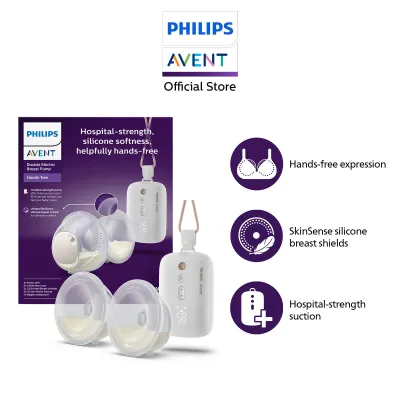
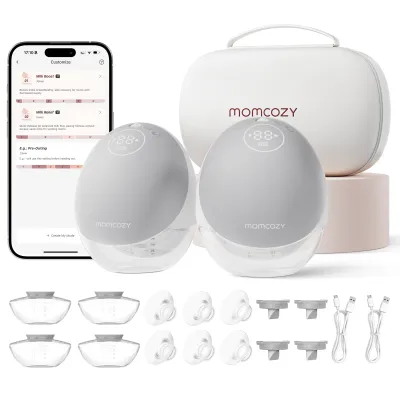
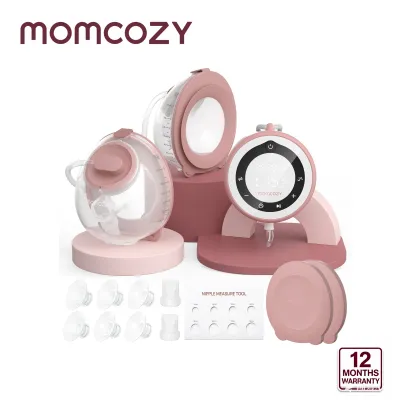
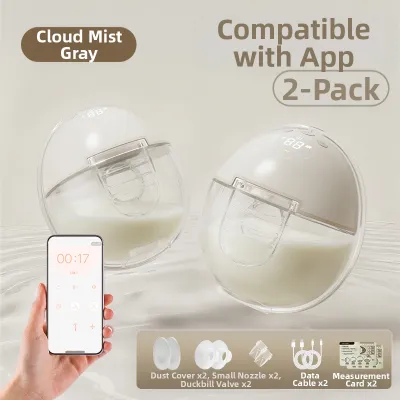
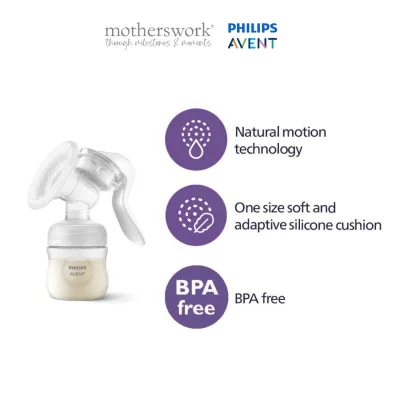
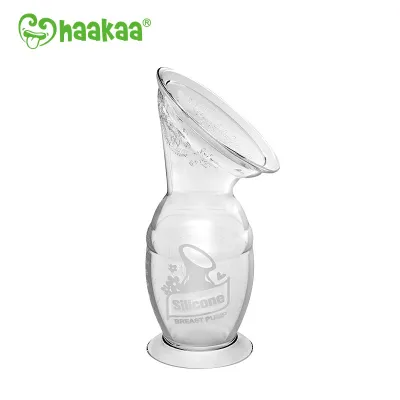
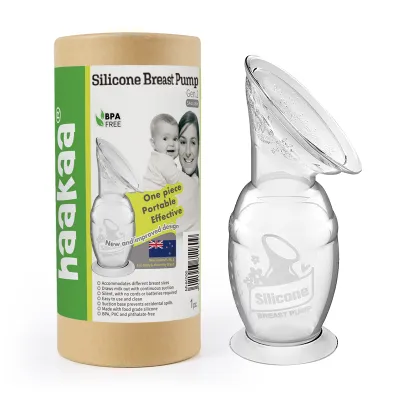
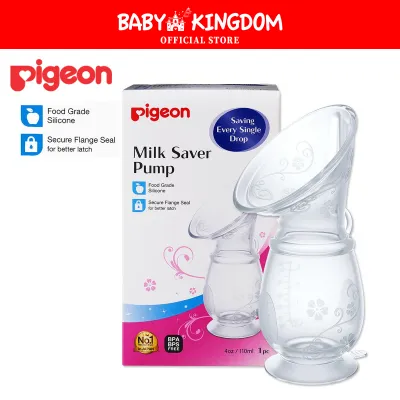
Prices are valid at publication and may change. Please refer to the product page for the latest price.
Noise Level and Discretion
In shared office spaces or open-plan cubicles, a loud, rhythmic pumping sound can cause unnecessary anxiety. When researching breast pump brands, look for models that specify their operating noise levels in decibels. A noise level below 45 decibels is generally quiet enough to be masked by standard office ambient noise or air conditioning. Reading user reviews specifically focused on the pitch and vibration of the motor can also give you a clearer picture of how discreet the pump will be during a quiet workday.
Portability and Weight
Your daily commute is a major factor to consider, especially if you travel via the MRT or public buses during peak hours. Carrying a heavy, bulky pump motor alongside your laptop, lunch, and personal items can quickly become exhausting. Look for compact motor units that fit easily into a standard handbag or backpack. The total weight of the kit—including the motor, bottles, flanges, and power adapters—should be kept as low as possible to ensure your daily commute remains comfortable.
Battery Life and Charging Options
Reliable battery life is essential when you do not have guaranteed, continuous access to a wall outlet near a comfortable seat. A breast pump with a rechargeable lithium-ion battery should ideally offer enough capacity for three to four full pumping sessions on a single charge. Furthermore, check if the pump supports USB-C or micro-USB charging. This feature allows you to charge your pump using your work laptop, a portable power bank, or a standard phone charger, eliminating the need to carry proprietary power bricks.
Ease of Cleaning and Assembly
Time is a precious commodity during the workday. If a breast pump has numerous small, intricate parts, you will spend a significant portion of your break washing and assembling equipment. Look for simplified designs with integrated parts, such as combined connector and valve systems. Minimizing the number of components not only speeds up the rinsing and sterilization process in the office pantry but also reduces the risk of losing a vital part down the sink drain.
Comparing Breast Pump Types for the Workplace
Different office environments demand different pumping solutions. Understanding the strengths and limitations of each pump category allows you to match the equipment to your specific workspace and privacy levels.

Wearable Breast Pumps
Wearable, tubeless breast pumps are designed to fit entirely inside a standard nursing bra, making them highly discreet and completely hands-free.
- Pros: These pumps allow you to continue working at your desk, typing, or even attending virtual meetings with your camera off. There are no external tubes or wires, offering unmatched freedom of movement.
- Cons: Wearable pumps often have more integrated parts that require precise alignment to prevent leaks. They may also have slightly lower milk collection capacities and can be more challenging to clean thoroughly in a communal pantry. Additionally, some mothers find that wearable pumps do not offer the same suction strength or milk extraction efficiency as traditional models.
Portable Traditional Pumps
Portable traditional pumps utilize a small, separate motor unit connected via silicone tubing to breast shields and collection bottles.
- Pros: These systems generally offer highly reliable, consistent suction patterns that closely mimic a baby's nursing rhythm. They are often easier to clean because the electronic components are completely separate from the milk path, and they typically feature fewer, larger parts.
- Cons: Using a traditional pump means you are physically connected to the bottles via tubing, which requires you to sit relatively still. You will need a private space, such as a dedicated lactation room or a locked office, to pump comfortably, as the collection bottles are fully visible during use.
Manual or Small Electric Backups
While not typically used as a primary pump for daily office sessions, manual pumps or ultra-compact single electric pumps serve as excellent secondary options.
- Pros: Manual pumps require no electricity or batteries, making them completely silent and highly reliable. They are lightweight, inexpensive, and take up very little space in your bag.
- Cons: Manual pumping requires active physical effort, which can be tiring during a busy workday, and it generally takes longer to express a full session's worth of milk.
Keeping a manual pump in your office locker or desk drawer provides an invaluable safety net in case you forget to charge your primary pump, leave a crucial valve at home, or experience an unexpected power outage.
How to Evaluate Popular Breast Pump Brands
With numerous local and international brands available in Singapore, navigating the market requires a structured evaluation framework. Rather than focusing on brand popularity alone, look at the practical ecosystem supporting each brand.
Assessing Local Warranty and Customer Support
A breast pump is an electronic device that you will rely on multiple times a day. If the motor malfunctions, you need a swift resolution. Before purchasing, verify whether the brand has an official local distributor and a physical service center in Singapore. Brands with local representation can often test, repair, or replace a faulty motor within a few hours or days. If you purchase a parallel import online, you may have to ship the unit overseas for warranty claims, leaving you without a pump when you need it most.
Checking the Availability and Cost of Replacement Parts
Silicone components such as valves, membranes, and diaphragms are consumables that stretch and wear out over time, leading to a loss of suction. Before committing to a brand, check how easy it is to purchase these replacement parts locally. Ensure they are readily available at major department stores, local baby boutiques, or reliable online marketplaces. Additionally, calculate the ongoing cost of these parts, as some brands charge significantly more for replacement consumables than others.
Verifying Flange Sizing Options
Using the correct breast shield (flange) size is critical for comfort, efficient milk expression, and preventing nipple damage. Many brands package their pumps with standard 24mm or 28mm flanges, which may not fit every mother. Evaluate whether the brand offers a wide range of alternative sizes (such as 17mm, 19mm, or 21mm) or if their shields are compatible with standard aftermarket silicone inserts. A brand that prioritizes sizing flexibility makes it much easier to customize the fit to your anatomy.
Reviewing App Connectivity and Data Privacy
Many modern breast pumps feature Bluetooth connectivity and companion mobile applications designed to track pumping duration, suction levels, and estimated milk volume. While these features can be helpful for monitoring your supply, review the app’s stability and data privacy policies. Ensure the app does not require unnecessary permissions on your phone, and check user reviews to confirm that the software connects reliably without causing delays during your limited pumping sessions.
Navigating Workplace Pumping in Singapore
Successfully maintaining your breastfeeding journey while working involves more than just owning the right equipment. It also requires managing the logistics of your office environment and communicating effectively with your team.
Identifying or Requesting Lactation Spaces
Before your official return-to-work date, contact your human resources department or office manager to discuss your pumping needs. Many modern commercial buildings in Singapore feature dedicated lactation rooms equipped with comfortable seating, electrical outlets, and a sink. If your office does not have a designated space, work with your employer to identify a private, secure room with a lockable door. A clean, private meeting room or a utility room can be temporarily repurposed; under no circumstances should you be expected to express milk in a toilet cubicle.
Managing Milk Storage and Transport
Singapore’s warm, humid climate means that expressed breast milk must be handled and stored carefully to maintain its quality. Once expressed, milk should be stored in food-grade silicone bags or BPA-free bottles. If your office has a shared pantry fridge, you can store your milk there, but keep it discreet and hygienic by placing your bottles inside an opaque, labeled cooler bag. For the commute home, use a high-quality insulated cooler bag packed with contoured, reusable ice packs to ensure the milk remains at a safe, cold temperature until you reach your home freezer.
Communicating Pumping Schedules Professionally
To minimize disruptions to your workflow and reduce stress, block out your pumping sessions in your shared work calendar. Label these blocks as “private appointments” or “personal focus time” to prevent colleagues from scheduling meetings during those windows. Discuss your schedule with your direct supervisor early on, explaining that these short breaks are necessary to maintain your milk supply and prevent painful conditions like mastitis. Most employers appreciate the proactive communication, which allows everyone to plan meetings and collaborative tasks around your availability.
Building Your Shortlist: A Pre-Purchase Checklist
Before making your final purchase, use this checklist to ensure the breast pump system you choose aligns perfectly with your daily routine and budget.
- Workplace Privacy Match: If you have a private office, a traditional portable pump offers excellent efficiency. If you work in an open-plan space or travel frequently for client meetings, prioritize a wearable, hands-free pump.
- Commute Compatibility: Weigh the entire pump kit. Ensure it fits comfortably into your daily bag alongside your laptop and does not add excessive weight to your commute.
- Total Cost of Ownership: Calculate the initial purchase price of the pump (which can range from S$150 to over S$600) and add the estimated annual cost of replacement valves, membranes, and extra bottles (typically S$80 to S$150 per year).
- Local Support Verification: Confirm that the brand has an active local distributor in Singapore and check where their physical service center is located for quick warranty support.
- Sizing and Comfort: Measure your nipple diameter before buying, and ensure the brand offers the exact flange size or compatible insert size you require.
- Professional Consultation: Consider scheduling a session with a certified lactation consultant in Singapore. They can provide professional measurements, suggest suction patterns, and help you test different pump styles to find the most comfortable fit for your body.
Frequently Asked Questions (FAQ)
Can I use a wearable breast pump during meetings?
Yes, many mothers successfully use wearable breast pumps during meetings, but it depends on the level of discretion you require. While wearable pumps fit entirely inside your bra and are highly discreet, they are not completely invisible; they do add noticeable volume to your chest profile. Additionally, while the motor hum is quiet, it may still be audible in a very small, silent meeting room. For virtual meetings with your camera turned off or in large, busy conference rooms, a wearable pump is highly practical, but you may want to avoid using it during intimate, face-to-face presentations where absolute silence is expected.
How often should I replace breast pump parts?
To maintain optimal suction and hygiene, you must replace the consumable silicone parts of your breast pump regularly. As a general guideline for daily pumping, replace silicone duckbill valves every 1 to 3 months, as they stretch and lose elasticity quickly. Silicone membranes, diaphragms, and backflow protector membranes should be replaced every 3 to 6 months. Tubing should be replaced immediately if you notice any moisture, mold, or slipping from the ports. Always inspect your parts weekly for tiny tears, warping, or residue, as even microscopic damage can significantly reduce the pump’s extraction efficiency.
Is it safe to store breast milk in the office pantry fridge?
Yes, it is safe to store expressed breast milk in a shared office pantry fridge, provided you follow clean handling practices. Store your milk in tightly sealed, sterile breast milk storage bags or bottles labeled clearly with your name and the date. To maintain hygiene and respect your colleagues’ space, place your storage containers inside a dedicated, clean, opaque cooler bag or container before putting it in the fridge. This protects the milk from light exposure, temperature fluctuations when the fridge door is opened, and accidental handling by others.

Community discussion
Share your experience or ask a question. Comments are reviewed before publication.