
Finding a baby carrier wrap that provides the best ergonomic support for your newborn requires looking beyond marketing buzzwords. While many brands claim to offer the ultimate ergonomic design, true support depends on how the wrap’s fabric, elasticity, and structure interact with your baby’s developing body. The ideal wrap must facilitate a precise, customized fit that respects a newborn’s delicate anatomy, specifically protecting their spine and hips during the crucial first months of life.
For parents navigating the vast array of options, understanding the mechanics of ergonomic babywearing is essential. A wrap is not a structured seat; it is a dynamic support system. The best wrap for your family is one that uses high-quality, supportive textiles and provides clear guidance on how to achieve a safe, secure carry. By focusing on key physical characteristics and safety standards, you can confidently select a wrap that keeps your baby safe, comfortable, and ergonomically positioned.
What Ergonomic Support Means for Newborns
Ergonomic support for a newborn is fundamentally different from the support required by an older infant or toddler. In the early weeks of life, a baby’s skeletal system is highly flexible, consisting largely of cartilage. Standard, structured carriers often feature rigid back panels that can force a newborn’s spine into an unnaturally straight position. In contrast, a high-quality baby carrier wrap molds entirely to the infant’s body, distributing their weight evenly across the caregiver’s torso while maintaining the baby’s natural posture.
Products mentioned in this guide
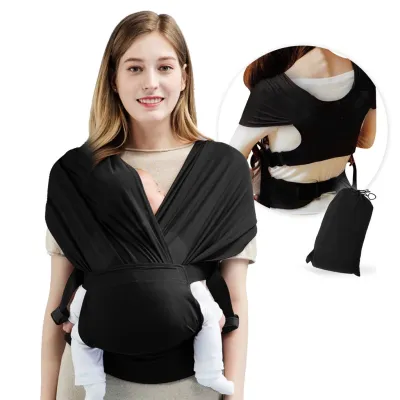
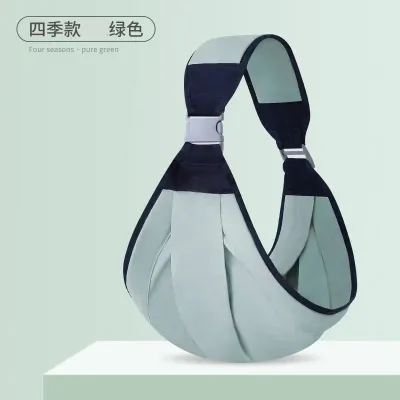
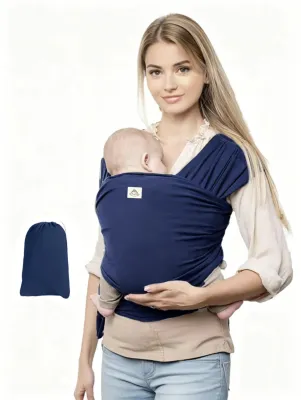
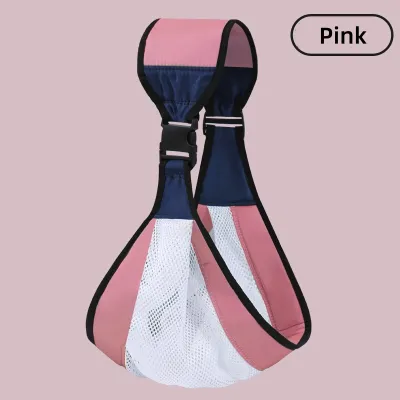
![[SG READY STCOK]Baby Carrier 0 to 36 Months Infant Baby Sling Toddler Side-Sling Carrier Up to 20kg Ice silk baby scarf](https://img.lazcdn.com/g/p/0832fea66591b0720d1ac5912f00f99f.jpg_400x400q80.jpg_.webp)
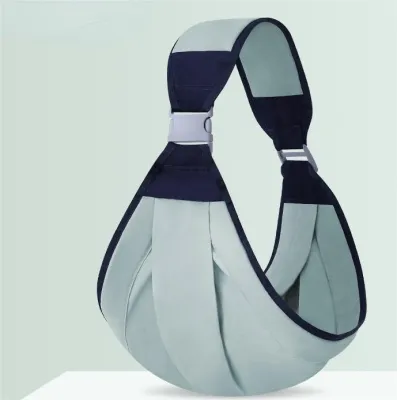
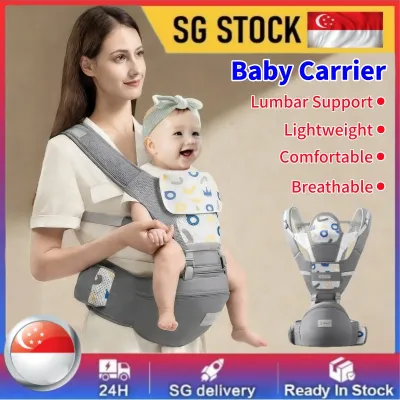
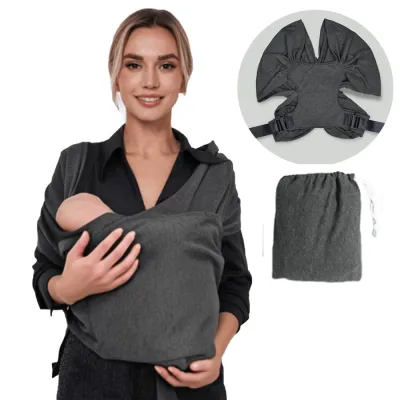
Prices are valid at publication and may change. Please refer to the product page for the latest price.
During the first few months, a newborn’s spine naturally curves forward in a gentle “C” shape. Forcing this delicate structure to flatten can place undue stress on the vertebrae and surrounding muscles. Similarly, a newborn’s hip joints are still developing, and the ball-and-socket joints can easily become misaligned if the legs are allowed to dangle straight down. An ergonomic wrap supports the baby from knee to knee, ensuring their hips remain in a stable, healthy position that encourages proper joint development.
However, even the most premium wrap brand cannot provide ergonomic support without correct application. The fabric’s tension and the caregiver’s tying technique are the ultimate determining factors of a safe carry. A wrap that is tied too loosely will allow the baby to slump, compromising their airway and spine. Conversely, a wrap tied too tightly can restrict breathing or flatten the spine’s natural curve. Selecting a reputable brand is merely the first step; mastering the wrap’s adjustments is what guarantees true ergonomic support.
Core Ergonomic Features to Evaluate in Any Wrap
To identify a wrap that offers superior ergonomic support, you must evaluate several critical design and material features. These physical characteristics dictate how well the wrap will perform in daily use and how effectively it will protect your baby’s physical development.

Spine Support and the Natural C-Curve
A newborn’s spine must be supported in its natural, rounded C-curve. When evaluating a wrap, look for fabric that offers uniform elasticity across its entire width. This lateral stretch allows the material to cling snugly to the baby’s back, mimicking the gentle support of the womb. The wrap should hold the baby’s torso firmly against your chest, preventing any lateral tilting or slumping, while still allowing the spine to curve naturally without external pressure forcing it flat.
Hip Positioning and the M-Shape
Healthy hip development requires the baby to be seated in the “M-shape” or “froggy” position. In this posture, the baby’s knees are spread wide, bent comfortably, and positioned higher than their bottom. The wrap must be wide enough to extend fully from the back of one knee, across the bottom, to the back of the other knee. This wide base of support ensures that the thigh bone is seated securely within the hip socket, minimizing the risk of hip dysplasia. Avoid wraps that narrow at the seat, as these allow the legs to dangle and pull the hip joints downward.
Fabric Characteristics and Tension Retention
The choice of fabric directly impacts both ergonomic support and comfort, especially in warm, humid climates like Singapore’s. Stretchy wraps, typically made from cotton blended with spandex or elastane, are highly forgiving for beginners because they stretch to accommodate the baby. However, they must retain their tension over hours of wear; low-quality stretchy fabrics can sag under the baby’s weight, leading to a slumped posture. Woven wraps, made from natural fibers like linen, hemp, or pure cotton, offer no diagonal stretch, providing unparalleled support and weight distribution for heavier babies, though they require a steeper learning curve to tie correctly. Lightweight, breathable fabrics such as bamboo or modal blends are excellent for managing heat and humidity while maintaining structural integrity.
Adjustability and Micro-Adjustments
Unlike structured carriers with fixed straps and buckles, a wrap offers infinite adjustability. This allows you to make micro-adjustments to the fabric tension across different zones of your baby’s body. A high-quality wrap should allow you to tighten the top rail (the upper edge of the fabric) independently to support the newborn’s neck, while keeping the middle section snug around their torso and the bottom rail secure under their seat. This level of customization ensures that the wrap adapts perfectly to your baby’s unique shape as they grow.
How to Verify Brand Safety and Ergonomic Claims
The baby gear market is filled with brands making bold claims about orthopedic benefits and safety. As a caregiver, it is vital to look past marketing terminology and verify these claims through objective standards and manufacturer specifications.
Manufacturer Specifications and Weight Limits
Always locate the manufacturer’s official product label or user manual to verify the minimum and maximum weight limits. While many wraps are rated for babies starting at 3 kg, some may have higher minimum weight requirements. It is critical to note that standard wraps are not universally safe for low-birth-weight or premature infants. If your baby is born below the standard weight threshold, you must verify whether the brand explicitly approves their wrap for smaller infants, and always seek professional medical guidance before use.
Safety Certifications and Standards
Rather than relying on self-proclaimed “ergonomic” labels, look for recognized safety certifications on the packaging or the brand’s official website. In Europe, look for compliance with the CEN/TR 16512 standard, while in the United States, look for ASTM F2907 certification. Additionally, many reputable brands submit their products to the International Hip Dysplasia Institute (IHDI) for evaluation. A designation as a “hip-healthy” product by the IHDI provides independent verification that the wrap, when used correctly, supports proper hip development.
Instructional Support and Resources
An ergonomic wrap is only effective if you know how to use it. Evaluate the brand’s commitment to safety by examining the instructional resources they provide. Reputable brands invest in clear, step-by-step printed manuals, high-definition video tutorials, and sometimes even virtual consultations with certified babywearing educators. If a brand offers vague instructions or lacks clear visual guides on how to achieve a safe tie, it is best to look elsewhere, as improper tying directly compromises your baby’s safety.
Red Flags to Avoid
When shopping on online marketplaces or local boutiques, be wary of wraps that feature vague sizing (such as “one size fits all” without specifying dimensions), missing weight limits, or an absence of clear safety warnings. Extremely cheap wraps often use low-grade fabrics that lose elasticity rapidly, causing the baby to sag and creating a suffocation hazard. If a brand does not clearly state its fabric composition or fails to provide contact information for customer support, treat these as significant red flags.
Practical Checks for a Safe and Secure Fit
Once you have selected a high-quality wrap and tied your baby in, you must perform a series of practical, observable checks to ensure the carry is safe and ergonomically sound. These checks should be repeated every time you wear your baby.
Observable Safety Checks
A simple way to remember the core safety checks is to ensure the baby is positioned high and tight on your chest. The wrap must be tight enough to hug your baby close to you, as any loose fabric will allow them to slump down, which can restrict their breathing. You should always be able to see your baby’s face simply by looking down; their face must never be covered by the fabric. Your baby should be close enough to kiss—their head should rest comfortably just below your chin. Additionally, ensure their chin is off their chest, with a gap of at least one to two fingers’ width, to keep their airway fully open. Finally, their back should be fully supported in its natural curved position, with no fabric bunching or pulling them to one side.
Airway Safety and Slumping Prevention
Airway safety is the most critical aspect of newborn babywearing. Because newborns lack neck control, their heads can easily tilt forward, pressing their chin against their chest and potentially closing their airway. If you notice your baby slumping downward, or if their face is pressed flat against your chest or the wrap fabric, you must stop use immediately. Take the baby out, re-adjust the wrap to ensure proper tension, and re-tie the carrier. Never attempt to adjust a loose wrap while walking or distracted; always find a safe, stable place to re-position your baby.
Caregiver Comfort and Weight Distribution
An ergonomic wrap should be comfortable for both the baby and the caregiver. If you experience localized pain in your shoulders, neck, or lower back, it is usually a sign of improper fabric distribution. Ensure the shoulder straps of the wrap are spread wide across your shoulders, rather than bunched up near your neck. This spreads the baby’s weight evenly across your back and hips. Additionally, make sure the wrap is tied snugly around your waist; a loose waist band forces your shoulders to carry the entire load, leading to rapid fatigue.
When to Stop Using the Wrap
Be attentive to your baby’s cues and environmental conditions. In Singapore’s warm climate, overheating is a constant consideration. If your baby shows signs of distress, starts sweating excessively, or develops a heat rash, remove them from the wrap immediately to let them cool down. You should also stop use if you feel the fabric losing tension, if the baby’s position shifts significantly during movement, or if you feel any physical discomfort that compromises your ability to carry the baby safely.
Knowing When to Adjust or Transition Carriers
While a baby carrier wrap is an invaluable tool for the newborn stage, it has a practical lifespan. Understanding when your baby is outgrowing the wrap ensures you can transition to a more suitable carrying method without compromising ergonomic support.
Monitoring Weight and Milestones
Regularly check your baby’s weight against the maximum limit specified by the wrap manufacturer. Stretchy wraps typically have a functional limit that is lower than their structural weight rating. For example, while a stretchy wrap may be safety-tested up to 15 kg, many caregivers find that the fabric begins to sag uncomfortably once the baby reaches 7 to 8 kg. If you find yourself constantly re-tightening the wrap or if the baby bounces as you walk, they have likely outgrown the fabric’s supportive capacity.
Adapting to Developmental Changes
As your baby develops neck control, increased leg strength, and curiosity about their surroundings, their carrying needs will change. Around four to six months of age, babies often begin to push against the caregiver’s chest and look around. At this stage, the tight, chest-to-chest hold of a newborn wrap may become frustrating for them. You may need to adjust your tying technique to allow for a hip carry (if using a woven wrap) or begin exploring other carrier options that allow for a wider field of view while still maintaining ergonomic hip and spine support.
Transitioning to Structured Carriers
When the wrap no longer provides adequate support or causes you physical strain, it is time to transition to a structured carrier, such as a soft-structured carrier (SSC) or a meh dai. These carriers feature padded shoulder straps, structured waist belts, and pre-formed seats that distribute a heavier baby’s weight more efficiently. When transitioning, continue to prioritize ergonomic positioning, ensuring the new carrier still supports the M-shape hip position and provides adequate back support for your growing infant.
Frequently Asked Questions (FAQ)
Can I use a stretchy wrap for a premature baby?
You must consult your pediatrician or a qualified healthcare professional before using any baby carrier wrap for a premature or low-birth-weight baby. Premature infants often have unique respiratory and muscular needs that require specialized care. Standard baby wraps have strict minimum weight limits, often starting around 3 kg, which must be adhered to unless the manufacturer explicitly states otherwise. A medical professional can advise you on whether your baby is developmentally ready for babywearing and guide you on safe positioning.
How do I know if the wrap is too tight or too loose?
To check the tension of your wrap, slide your hand flat between the fabric and your baby’s back. The fabric should feel snug and firm against your hand, similar to a fitted swimsuit. If you can easily pull the fabric away from your baby’s body, or if your baby slumps down when you let go of them, the wrap is too loose. Conversely, if you cannot easily slide your hand under the fabric, or if the wrap flattens your baby’s back completely and presses their face tightly into your chest, it is too tight and needs to be loosened.

Community discussion
Share your experience or ask a question. Comments are reviewed before publication.