
Investing in an automated baby bottle washer can significantly streamline your daily cleaning routine, but its utility depends entirely on whether your preferred bottle brands fit and can withstand the machine’s cycle. For parents managing the busy routine of infant feeding, the promise of hands-free washing, sanitizing, and drying is highly appealing. However, before purchasing the eufy bottle washer, it is essential to evaluate how your current inventory of bottles aligns with the appliance’s physical and thermal limits.
Compatibility is not just about whether a bottle can physically sit inside the machine. It involves assessing the height of the bottles, the diameter of their bases, the complexity of their internal venting systems, and the heat tolerance of their materials. By taking the time to measure your gear and understand how different brands interact with automated spray arms, you can avoid the frustration of buying an appliance that does not fit your preferred feeding system.
How to Check Bottle Compatibility Before You Buy
To determine if your baby bottles will fit securely inside the washer, start by measuring their physical dimensions. Compare the height of your tallest bottle—including any collar or attachment that must be washed alongside it—against the vertical clearance of the washer’s main chamber. Taller bottles, especially those designed for older infants who require larger volumes, may sit too close to the upper spray arm, potentially blocking its rotation or preventing water from circulating effectively.
Products mentioned in this guide
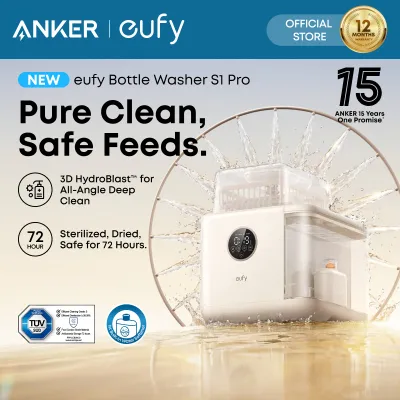
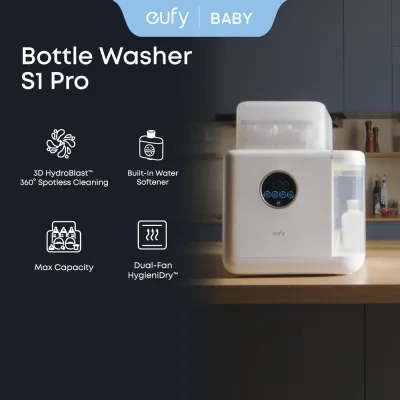
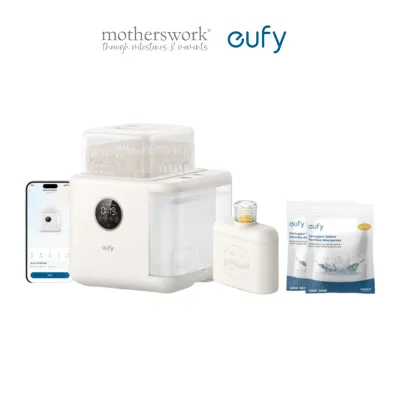
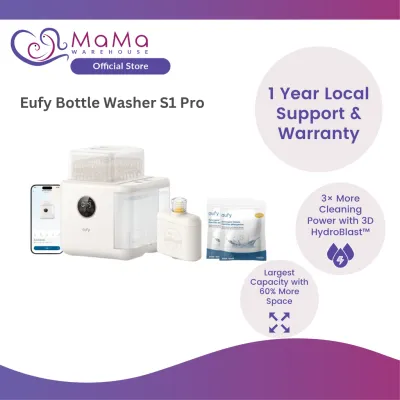
Prices are valid at publication and may change. Please refer to the product page for the latest price.
Next, examine the base diameter of your bottles. Wide-neck bottles require sufficient spacing between the rack’s prongs to prevent them from crowding or touching adjacent items. If bottles are packed too closely together, the high-pressure water jets may not reach all exterior surfaces, leaving residue behind. Additionally, consider the weight of your bottles; heavy glass bottles require sturdy, well-spaced support prongs to prevent them from tipping over during a high-pressure wash cycle, which could lead to chipping or incomplete cleaning.
Small, detachable components require equal attention. Anti-colic valves, silicone nipples, collar rings, and sealing discs must be secured so they do not fly around the chamber during the wash. Check if the washer includes a dedicated, enclosed accessory basket or if you will need to purchase a separate, heat-safe mesh bag. Keeping these lightweight parts contained prevents them from falling into the filtration system or landing directly on the heating element, which could damage both the accessory and the appliance.
Evaluating Popular Bottle Brands for the Eufy Washer
Different bottle brands feature unique shapes, widths, and internal components that affect how they sit on the washer’s prongs and how thoroughly they can be cleaned by automated spray jets.

Dr. Brown's (Anti-Colic Vents & Narrow Shapes)
Dr. Brown’s bottles are widely known for their multi-part internal green reservoir tubes and insert wheels, which are designed to reduce air ingestion. While the narrow-neck bottle bodies themselves often fit easily onto standard washing prongs, the narrow internal channels of the vent tubes present a cleaning challenge. Automated water jets spray upward in a fixed pattern, which may not fully penetrate the long, narrow interior of these tubes.
Caregivers should verify whether manual pre-scrubbing with a specialized wire brush is still recommended by the manufacturer to remove stubborn milk proteins before placing the vents in the machine. Furthermore, because the narrow-neck bottles are tall and have a small base, you must ensure they sit securely on the washer’s nozzles without wobbling or tipping over when the water pressure reaches its peak.
Pigeon (Wide-Neck vs. Standard & Soft Silicone)
Pigeon bottles, particularly the popular SofTouch wide-neck series, feature a broad base and a gently contoured shape. When evaluating these bottles, check the spacing of the washer’s bottle holders to ensure that placing multiple wide-neck bottles side-by-side does not block the spray pattern of adjacent nozzles. If the prongs are positioned too closely, you may need to space the bottles out, which reduces the overall capacity of each wash cycle.
Material composition is another critical factor for this brand. While Pigeon’s glass and PPSU (polyphenylsulfone) bottles are highly durable and heat-resistant, their soft silicone squeeze-bottle models require careful verification. Check the manufacturer’s care labels on soft silicone bodies to ensure they can tolerate the high-temperature sanitizing and drying cycles of an automated washer without warping, softening, or losing their structural integrity over time.
Philips Avent (Threading & Anti-Colic Systems)
Philips Avent bottles, such as the Natural and Anti-Colic lines, are characterized by their wide, robust shapes and pronounced neck threading. The wide base of these bottles generally provides excellent stability on washer prongs, reducing the risk of tipping. However, the deep threading on the neck can sometimes trap water or milk residue if the bottle is positioned completely vertically. Verify if the washer’s prongs hold the bottles at a slight angle to allow complete drainage during the wash and dry cycles.
For Avent models that utilize the AirFree vent insert, you must check the specific cleaning instructions for this component. Because the insert is made of a combination of plastic and silicone, verify if it is explicitly rated as safe for automated washers and high-heat sanitization. If the manufacturer recommends hand-washing for these specialized inserts to prevent warping, you will still need to wash those parts manually even if the bottle bodies go into the machine.
Material Safety and Heat Tolerance Checks
Automated bottle washers rely on a combination of hot water and heated air to clean, sanitize, and dry feeding gear. Before placing any item into the washer, you must locate the heat tolerance limits printed on the bottle’s base, its original packaging, or the manufacturer’s official website. Different materials react differently to high temperatures, and exceeding these limits can cause premature degradation.
Common bottle materials have varying thermal thresholds:
- PPSU (Polyphenylsulfone): Highly heat-resistant (often up to 180°C), making it exceptionally compatible with high-heat sanitizing and drying.
- PP (Polypropylene): Standard plastic bottles made of PP typically tolerate temperatures up to 110°C to 120°C, which is generally sufficient for most washer cycles, but they may degrade faster over months of daily high-heat exposure.
- Glass: Highly heat-resistant and durable, though rapid temperature swings should be avoided to prevent thermal shock.
- Silicone: Used in nipples and some bottle bodies, silicone generally tolerates high heat, but repeated exposure to dry heat can cause it to become sticky, cloudy, or brittle over time.
Certain components should be excluded from high-heat cycles entirely. Delicate rubber nipples, specific soft valve membranes, or bottles with brightly painted external measurement markings may suffer from heat damage or fading. If the user manual for your bottle washer does not explicitly list its maximum operating temperatures, or if you are unsure of a bottle component’s material, consult the bottle manufacturer’s customer support team before running a cycle.
Decision Framework: Should You Get the Eufy Bottle Washer?
To help you decide whether to integrate this appliance into your kitchen, consider how your current feeding setup aligns with the following scenarios.
Choose the bottle washer if:
- Your primary bottle inventory consists of standard-shaped, wide-neck or narrow-neck bottles made of highly durable materials like glass or PPSU.
- You use simple, two-piece bottle designs (just the bottle and the nipple) that fit easily onto standard prongs and do not require intricate manual pre-scrubbing.
- The physical dimensions of your bottles and daily pump parts fit comfortably within the verified clearance heights of the washer's racks.
Verify first if:
- You rely heavily on complex anti-colic systems with multiple narrow tubes, internal valves, or specialized soft silicone bodies.
- You will need to dedicate extra time to pre-brushing internal parts or spacing out wide bottles, which may reduce the convenience of an automated cycle.
- You are comfortable checking and monitoring the wear and tear of silicone nipples and valves more frequently due to the machine's heated drying process.
Skip or reconsider if:
- Your preferred feeding system consists of bottles or accessories explicitly labeled "hand-wash only" or made of low-temperature plastics.
- The height of your bottles exceeds the maximum clearance of the washer chamber, preventing the spray arms from spinning freely.
- You prefer not to pre-rinse or pre-brush complex components, as putting heavily soiled bottles with dried milk directly into the machine can clog filters and compromise cleaning performance.
Frequently Asked Questions (FAQ)
Can I wash breast pump parts in the Eufy bottle washer?
Yes, many breast pump parts can be washed in an automated bottle washer, but you must verify compatibility first. Check your breast pump manufacturer’s official guidelines to confirm if the flanges, connectors, and collection bottles are dishwasher-safe or rated for automated washers. Delicate components, such as silicone membranes, duckbill valves, and backflow protector diaphragms, should be inspected carefully. These small, flexible parts can easily warp or tear under high-pressure water jets or intense drying heat. If they are safe to machine-wash, always place them securely inside a closed accessory basket or a fine-mesh bag to prevent them from being lost or damaged during the cycle.
Do I need to pre-rinse bottles before putting them in the washer?
While automated bottle washers are highly efficient, they are not designed to dispose of large amounts of solid residue or dried-on milk. It is highly recommended to rinse your bottles under running tap water immediately after a feeding to prevent milk proteins from drying and sticking to the inner surfaces. If milk has already dried inside the bottle, a quick pre-rinse or light scrub with a bottle brush will ensure the machine’s spray jets can thoroughly clean the surface. Pre-rinsing also prevents excess milk fat and residue from clogging the washer’s filtration system, which helps maintain optimal water circulation and extends the lifespan of your appliance.

Community discussion
Share your experience or ask a question. Comments are reviewed before publication.