
Starting solids is a major milestone in your baby’s development, but walking down the feeding aisle can make you feel like you need a commercial kitchen’s worth of specialized gear. The truth is that your baby only needs a few basic, safe tools to start their weaning journey. By focusing on developmental readiness, safety, and physical ergonomics, you can bypass the marketing hype and build a streamlined, clutter-free setup that fits your home and budget.
To begin weaning successfully, you only need to secure three core things before day one: a safe place for your baby to sit, a reliable way to manage the inevitable mess, and a gentle tool to deliver their first bites. Everything else can be acquired gradually as your baby’s eating skills and preferences develop. Taking a minimalist approach not only saves money but also keeps your kitchen free of single-use gadgets that your baby may outgrow in a matter of weeks.
The Absolute Essentials: What to Buy Before Day One
Highchairs and Safe Seating
Selecting a safe, supportive highchair is the most critical and expensive investment you will make for your baby’s weaning journey. From a developmental perspective, proper posture is directly linked to safe swallowing mechanics. When a baby sits upright with their hips, knees, and ankles at 90-degree angles, they gain the core stability required to control their jaw, tongue, and throat muscles. A key feature to look for is an adjustable footrest that can be raised as your baby grows, providing a solid platform for their feet. Without a footrest, dangling legs cause the pelvic floor to tilt backward, leading to slumping, poor head control, and an increased risk of choking.
Products mentioned in this guide
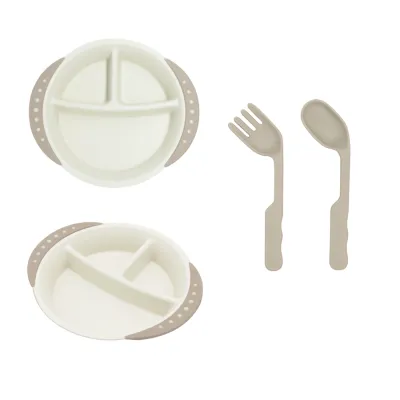
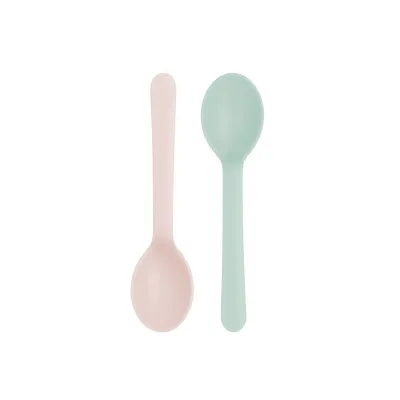
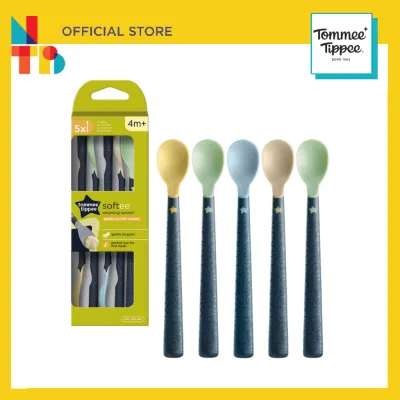
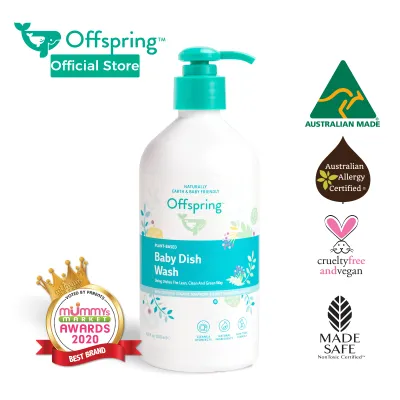
Prices are valid at publication and may change. Please refer to the product page for the latest price.
Stability and security are paramount when evaluating highchair designs. A highchair must feature a wide, sturdy base to prevent tipping, especially as your baby becomes more active and begins to lean or push against the dining table. A secure 5-point harness—which secures the baby at the shoulders, hips, and crotch—is essential to prevent climbing or sliding accidents. Always verify the manufacturer’s weight limits, age recommendations, and safety warnings to ensure the chair is appropriate for your baby’s current developmental stage.
In Singapore, where many families live in compact HDB flats or condominiums, space constraints are a major consideration. While full-size wooden highchairs offer excellent long-term durability and aesthetic appeal, they often have a large footprint that can become a tripping hazard in tight dining areas. Foldable highchairs that can be tucked away behind a door or inside a utility closet are highly practical alternatives. For extremely tight spaces, portable booster seats that strap securely onto standard dining chairs, or clip-on table seats, can be useful options. However, if you choose a clip-on table seat, you must verify that your dining table meets the manufacturer’s exact thickness and material specifications, and ensure it can support the combined weight of the seat and your growing baby without tipping.
Bibs and Mess Control
Managing the mess of early meals is essential for keeping your sanity intact during the weaning process. Silicone catch-bibs are incredibly popular because they are durable, waterproof, and easy to wipe clean or rinse in the sink within seconds. They feature a molded, curved pocket at the bottom that stays open to catch falling crumbs, purees, and liquids. However, some younger babies find the weight of a thick silicone bib uncomfortable or distracting, which can lead to fussiness during mealtime.
For baby-led weaning (BLW) or particularly messy puree sessions, long-sleeve waterproof coveralls (often called smock bibs) offer superior coverage. These coveralls slide over your baby’s arms and torso, securing at the back to protect their entire outfit from stains. In Singapore’s humid tropical climate, drying times and hygiene are crucial factors. Fabric-backed bibs or multi-layered cloth bibs can trap moisture easily, making them highly susceptible to black mould and mildew if they do not dry completely between meals. To prevent this, opt for lightweight, single-ply waterproof materials that can be quickly wiped down and hung in a well-ventilated area to dry.
To protect your floors and make post-meal cleanup faster, you do not need to purchase expensive, branded splat mats. A simple, wipeable plastic tablecloth or a basic utility splash mat placed directly under the highchair works perfectly. This sheet catches dropped food, prevents grease stains on tile or wood flooring, and can be easily wiped down or shaken out over the bin after your baby finished eating.
First Spoons and Suction Tableware
Your baby’s first spoons should be designed specifically to protect their sensitive, teething gums and support their developing oral motor skills. Look for soft-tipped spoons made from food-grade silicone or soft rubber. The spoon bowl should be shallow and relatively flat; babies do not yet have the lip coordination to scrape food out of a deep spoon bowl. A shallow spoon allows them to easily clear the food using their upper lip. Avoid metal spoons or hard plastic spoons, which can cause discomfort or even minor injury if your baby bites down suddenly due to a teething reflex.
Suction bowls and plates are excellent tools for preventing your baby from flipping their food onto the floor. These dishes feature a silicone suction base that adheres to flat surfaces. However, it is important to note that suction effectiveness varies significantly depending on the surface material. Suction bases require a completely smooth, non-porous surface—such as polished plastic, glass, or sealed stone—to maintain a vacuum seal. If your highchair tray or dining table is made of textured wood, matte plastic, or has a grainy laminate finish, the suction base will likely lose its grip quickly.
When shopping for tableware, always check the product labels to verify that the materials are certified food-grade, BPA-free, and BPS-free. Avoid any plates or bowls that feature small, detachable decorative elements or rubber seals that could easily come loose, as these pose a serious choking hazard. Simple, one-piece molded silicone designs are generally the safest and most durable options.
Nice-to-Haves: Useful Tools You Can Wait to Buy
Once you progress past the first few weeks of weaning, several secondary tools can make food preparation and storage more convenient. However, these are not strictly necessary on day one, and waiting to purchase them allows you to understand your baby’s unique eating style and preferences before spending money.

- Baby Food Makers vs. Standard Blenders: Dedicated all-in-one baby food makers steam and blend ingredients in a single machine. While they offer high convenience for parents preparing smooth purees, they can be expensive, often ranging from S$120 to over S$300, and they occupy valuable kitchen counter space. You can easily achieve the exact same nutritional and textural results using standard kitchen equipment. A basic stainless steel steamer basket placed inside a regular pot, combined with a standard kitchen blender, hand mixer, or even a simple fork for mashing, works perfectly well and costs a fraction of the price.
- Specialised Storage Systems: If you plan to batch-cook and freeze purees, pre-portioned silicone freezer pods with secure lids are highly useful. They allow you to freeze food in small, individual portions (typically 30ml to 60ml) and pop them out easily when needed. However, standard, clean plastic ice cube trays with lids can serve the exact same purpose during the early weeks, provided you cover them to prevent freezer burn.
- Mesh or Silicone Fresh Food Feeders: These small, pacifier-like devices feature a handle attached to a mesh or silicone pouch where you can place chilled fruits or vegetables. They are excellent for soothing sore, teething gums and allowing your baby to taste fresh flavours safely. However, they should not replace actual solid foods or the natural progression of textures, as they do not help your baby learn how to bite, chew, or swallow real food particles. They are best used as a temporary soothing treat under close caregiver supervision.
- Drinkware: Introducing water alongside solid foods starting around six months of age is important for hydration and digestion. You do not need to buy a large collection of specialized sippy cups. Many pediatric speech therapists recommend skipping traditional spill-proof sippy cups entirely, as they can promote immature swallowing patterns. Instead, start with a tiny, open cup (held and guided by an adult) or a simple weighted straw cup, which helps your baby develop mature lip and tongue mechanics.
What to Skip: Common Weaning Products You Don't Need
The baby product market is filled with single-use gadgets and marketing-heavy kits that promise to make weaning easier but often end up cluttering your kitchen drawers. Avoiding these “baby tax” items will keep your budget focused on high-quality essentials.
Single-Use Gadgets
Items like specialized banana slicers, avocado savers, and dedicated baby food scissors are entirely unnecessary. A standard, sharp kitchen knife and a clean cutting board are far more versatile and do the exact same job without taking up valuable drawer space. Similarly, you do not need dedicated baby food storage containers if you already own small, airtight glass or BPA-free plastic containers at home.
Overly Complex Plate Dividers
While divided plates shaped like cute cartoon animals are visually appealing, plates with intricate, deep crevices, narrow corners, or textured novelty shapes are incredibly difficult to clean thoroughly. Food particles easily become trapped in these tight spaces, and in Singapore’s warm, humid environment, any missed organic residue can quickly breed bacteria, mould, and unpleasant odours. Stick to simple, flat suction bowls or plates with wide, rounded compartments that are easy to wipe down and wash.
Expensive Wipe Warmers and Specialized Cleaning Brushes
Standard baby bottle brushes and regular warm, soapy water are perfectly sufficient for cleaning your weaning gear. You do not need to purchase expensive, specialized cleaning brushes or sterilizers marketed specifically for weaning plates, provided the tableware materials you choose are dishwasher-safe or easy to hand-wash. Wipe warmers are another unnecessary luxury; room-temperature wipes or a damp, warm washcloth are perfectly adequate for cleaning your baby’s face and hands after a meal.
Pre-Packaged "Weaning Kits"
Massive, expensive starter sets containing 20 or more items can seem like a convenient, all-in-one solution, but they often include pieces your baby will never use. Every baby is unique, and they will quickly develop preferences for specific spoon shapes, cup styles, or bib materials. Buying a massive kit upfront increases the risk of wasting money on items your baby rejects. It is far more cost-effective to buy one or two individual spoons and a single suction bowl to start, adding items gradually as you learn what works best for your child.
Safety and Hygiene: What to Check Before Buying
Establishing a clear safety and maintenance routine is essential for protecting your baby’s health and ensuring your weaning products last throughout their feeding journey.
Material Verification
Always verify safety claims on product packaging rather than relying solely on marketing buzzwords. Look for explicit labels indicating that the product is “100% food-grade silicone,” “BPA-free,” “phthalate-free,” and “PVC-free.” High-quality silicone should not contain cheap plastic fillers. A simple way to check this is the “pinch test”: if you pinch and twist a flat silicone surface and it turns white, it likely contains chemical fillers. Genuine, high-quality silicone will retain its consistent color throughout the twist.
Choking and Strangulation Hazards
Safety must always come first during mealtime. Regularly inspect bib fasteners, highchair harnesses, and tableware for any loose parts, peeling coatings, or small decorative elements that could come loose and pose a choking hazard. Additionally, ensure your highchair is positioned safely away from walls, kitchen counters, or heavy dining tables. A baby can easily plant their feet against these solid surfaces and push backward, which can cause the highchair to tip over. Never leave your baby unattended while they are in a highchair or eating.
Hygiene in Humid Climates
Silicone is a highly durable and safe material, but its porous nature means it can easily absorb oils and fragrances from dish soaps over time, leaving a soapy taste or a musty smell. This is particularly common in Singapore’s humid climate, where moisture can linger. To prevent this, wash silicone items with unscented, baby-safe dish soap. If a soapy or musty smell develops, you can deep-clean the item by soaking it in a 1:1 mixture of warm water and white vinegar for 30 minutes, followed by a thorough rinse. Alternatively, if the manufacturer’s care instructions explicitly state the item is oven-safe, you can bake the clean silicone piece in the oven at a low temperature (around 100°C to 120°C) for 20 minutes to dissipate absorbed oils and odours.
When to Replace
Inspect all weaning gear regularly for visual signs of wear and tear. Plastic bowls with deep scratches should be discarded, as bacteria can thrive in the crevices and cannot be easily sanitized. Silicone that has become sticky, cracked, or torn poses a choking hazard and must be replaced immediately. Check highchairs frequently for loose screws, unstable joints, or frayed harness straps. If you notice any structural issues, stop using the chair immediately and contact the manufacturer for replacement parts or guidance.
Frequently Asked Questions (FAQ)
When is the right time to start buying weaning products?
It is best to wait until your baby is around five months old before purchasing major weaning gear. This timing allows you to assess their physical development and readiness signs, such as sitting up with minimal support and showing interest in your food. Starting with just a highchair, a couple of soft spoons, and a single bib is ideal; you can gradually add other tools as your baby’s eating skills progress.
Do I need a special baby food maker?
No, a dedicated baby food maker is a convenience, not a necessity. While these all-in-one appliances can steam and puree food quickly, you can easily achieve the exact same results using standard kitchen tools. A simple steamer basket inside a regular pot and a standard kitchen blender or hand mixer work perfectly, saving you money and kitchen counter space.
How do I clean silicone bibs that smell like soap or food?
Silicone can absorb food odours and dish soap fragrances over time. To clean them, wash with an unscented, baby-safe detergent. For stubborn smells, soak the bib in a solution of equal parts warm water and white vinegar for 30 minutes, then rinse thoroughly. Always check the manufacturer’s care instructions first to ensure the material is compatible with vinegar or other cleaning methods.
Community discussion
Share your experience or ask a question. Comments are reviewed before publication.