
When preparing a nursery in Singapore, selecting a baby crib requires a careful evaluation of safety standards and structural integrity. Because cribs are not subject to Singapore’s mandatory Safety Mark—which is reserved for specific controlled goods like household electrical appliances—the responsibility falls on parents to verify compliance certificates, inspect structural designs, and ensure proper assembly. Understanding what to look for on product labels and how to physically inspect the furniture ensures a secure sleep environment for your child.
A safe sleep environment is the foundation of nursery planning. Since infants spend a significant portion of their day sleeping unsupervised, the crib must serve as a secure space free from physical hazards. By focusing on verified international standards and practical physical checks, you can make an informed decision that protects your baby throughout their early developmental stages.
Understanding Crib Safety Regulations in Singapore
In Singapore, the Consumer Product Safety Office (CPSO), which is safeguarded under Enterprise Singapore, oversees the safety of general consumer goods. While some products require a mandatory Safety Mark before they can be sold, general nursery furniture like cribs falls under the Consumer Protection (Consumer Goods Safety Requirements) Regulations (CGSR). This regulatory framework requires all consumer goods sold locally to meet safety requirements based on international standards.
Products mentioned in this guide
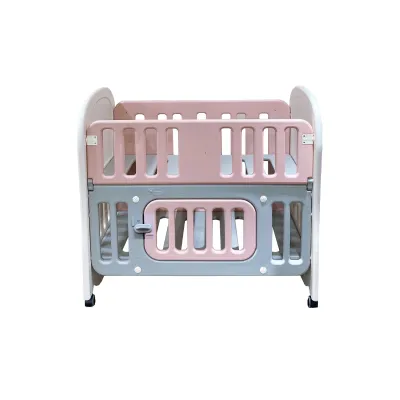
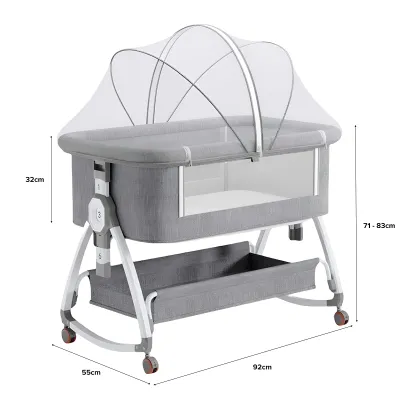
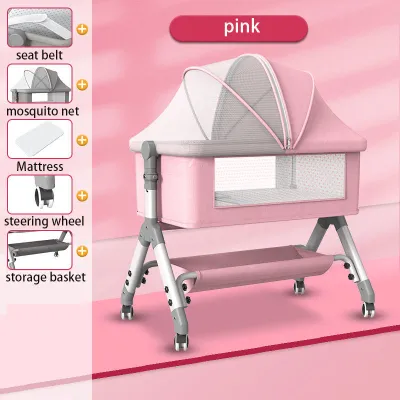
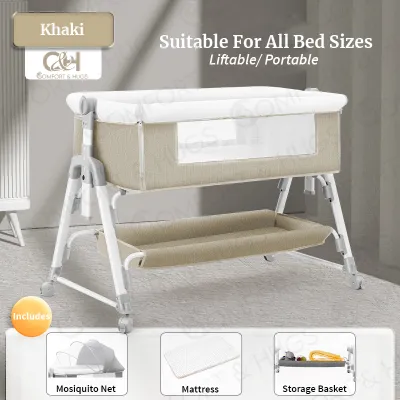
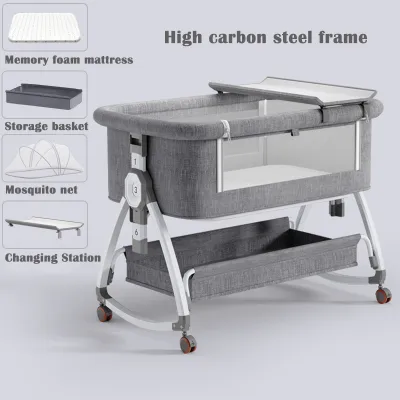
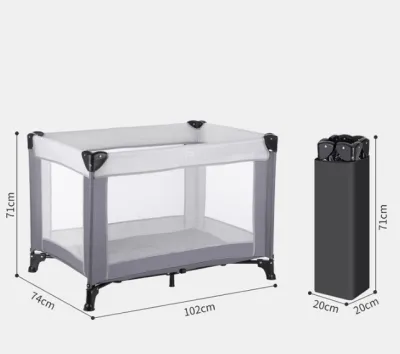
![[SG Stock]Brotish Multifunctional 2 Layer Portable Infant Baby Cot Playpen Travel Cot Bed Double-deck Playpen Sleep Bed](https://img.lazcdn.com/g/p/1d2300a4ca5dde51839ac1a460f68d97.jpg_400x400q80.jpg_.webp)
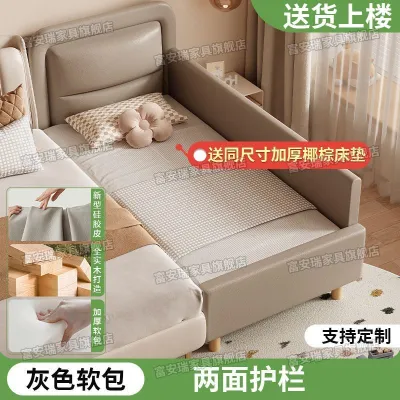
Prices are valid at publication and may change. Please refer to the product page for the latest price.
This means that while there is no unique local “Singapore Standard” stamp required on every crib, the product must comply with established global safety benchmarks to be legally sold. If a product is found to be unsafe or fails to meet these general safety expectations, the CPSO has the authority to issue safety alerts, stop sales, or initiate public recalls.
To stay informed, parents should actively use official government portals, such as the CPSO website, to check for recent consumer product safety alerts or recalls. This step is especially crucial if you are considering importing a crib directly from overseas or purchasing from an online marketplace, where regulatory oversight may vary.
Recognized International Safety Standards for Cribs
Reputable manufacturers will explicitly state which international safety standards their cribs meet. The most common frameworks you will encounter in Singapore’s retail market include the European standard EN 716 (specifically EN 716-1 and EN 716-2), the American standard ASTM F1169, and the Australian/New Zealand standard AS/NZS 2172. These standards are widely respected because they subject the furniture to rigorous mechanical testing.

To verify these standards, look closely at the product packaging, the user manual, and the permanent labels affixed to the crib frame itself. A compliant crib will typically have a stamp or printed label stating compliance with one of these codes. If this information is missing from the product and the retailer cannot provide a certificate of compliance from an independent testing laboratory, it is best to look for another option.
Adherence to these established international frameworks provides a reliable baseline for evaluating structural integrity and material safety. These standards simulate years of use, testing the strength of the slats, the durability of the mattress support, the stability of the frame under impact, and the safety of the materials used, including strict limits on lead and other heavy metals in paints and finishes.
Essential Physical Safety Checks for Any Crib
Even with a certification label, a physical inspection is necessary to ensure the crib is assembled correctly and remains structurally sound. Start by checking the slat spacing. The distance between the slats should be narrow enough to prevent a baby’s head or body from slipping through. A standard safety guideline is that the gap should not exceed 60 millimeters. You can test this easily; if a standard soft drink can pass through the slats, the spacing is too wide.
Next, examine the corner posts. They should be virtually flush with the end panels, or if they do extend upward, they must be either very short (less than 1.5 millimeters) or tall enough (over 400 millimeters) to prevent a baby’s clothing from catching on them, which poses a strangulation hazard. Ensure all hardware—screws, bolts, and brackets—is completely flush with the wood, with no sharp edges or protruding metal parts.
The mattress fit is another critical safety dimension. The mattress must fit snugly within the crib frame with no significant gaps. If you can fit more than two fingers between the edge of the mattress and the crib side, the mattress is too small, creating a dangerous entrapment hazard. The mattress must also be firm; soft bedding or mattresses that sag under the baby’s weight increase the risk of suffocation.
Finally, inspect all surfaces. Run your hands along the wooden rails to check for splinters, rough patches, or sharp corners. Ensure that any paint, varnish, or finish used on the crib is non-toxic and lead-free, as babies will inevitably chew on the rails when teething. Look for teething guards on the top rails as an added layer of protection.
Red Flags: When to Avoid or Retire a Crib
While second-hand cribs or family heirlooms can be tempting for budget or sentimental reasons, they often carry hidden risks. Older cribs may have been manufactured before modern safety standards were established, or they may have undergone modifications that compromise their structural integrity. Furthermore, a second-hand crib might be missing its original instruction manual, assembly hardware, or worse, it may have been subject to a safety recall that the previous owner was unaware of.
Inspect any crib for clear signs of structural wear. Red flags include loose or wobbling joints, cracked or splintered wood, stripped screw holes, and mismatched or missing hardware. Never attempt to “make do” by using random screws from a hardware store to replace missing original parts; crib hardware is specifically engineered to withstand the unique stresses of a child’s movement.
If you observe any of these structural failures, or if the crib feels unstable when shaken gently, stop using it immediately. Do not attempt temporary DIY repairs with glue or tape. Instead, contact the manufacturer directly to ask for original replacement parts, or consult a qualified professional. If the crib cannot be restored to its original, certified state, it must be retired and disposed of safely so that no one else attempts to use it.
Frequently Asked Questions (FAQ)
Are drop-side cribs safe to use?
Drop-side cribs, which feature a side rail that slides down to make it easier to lift the baby, have been associated with serious safety risks. Over time, the moving plastic or metal hardware can warp, break, or become loose, creating a gap between the mattress and the drop-side rail where a baby can become trapped. Because of these mechanical risks, drop-side cribs have been banned or heavily restricted in several international jurisdictions. It is highly recommended to check current guidelines from local consumer safety bodies and international standards before using or purchasing a crib with a drop-side mechanism. Fixed-side cribs are generally considered a much safer alternative.
How often should I check the crib's hardware?
You should perform a thorough safety inspection of your baby’s crib hardware at least once a month. Daily use, combined with the natural expansion and contraction of wood in Singapore’s humid climate, can cause screws and bolts to loosen gradually over time. Gently shake the crib to check for any wobble, and use the appropriate tools to tighten any loose fasteners. Additionally, you should perform an immediate check whenever you move the crib to a different spot in the room, adjust the mattress height platform, or notice that your baby has become more active, such as when they start pushing up on their hands and knees or standing up.
Do bedside sleepers need the same certifications as full-size cribs?
Bedside sleepers, which attach directly to the parent’s bed, are classified under a different product category than traditional full-size cribs and are evaluated against different safety frameworks, such as the European standard EN 1130. Because they feature a lowered side to allow direct access from the adult bed, they present unique safety considerations, such as the risk of the sleeper separating from the adult mattress. When using a bedside sleeper, it is vital to strictly follow the manufacturer’s specific guidelines regarding secure attachment, adult bed height compatibility, and developmental limits. Most bedside sleepers are designed only for the first few months of life; you must transition your baby to a standard crib as soon as they reach the specified weight limit or begin to roll over or push up.
Community discussion
Share your experience or ask a question. Comments are reviewed before publication.