
Welcoming a newborn home brings a flurry of preparations, with the nursery setup often taking center stage. Among the most critical decisions you will make is selecting a safe sleeping environment, as infants spend the majority of their first few months asleep. A bassinet offers a cozy, close-proximity sleeping space, but its primary duty must always be safety. Ensuring that a bassinet meets established safety standards and certifications is the single most effective way to protect your baby from preventable sleep hazards.
Understanding the Role of Safety Standards in Infant Sleep
Standardized testing and regulatory compliance are not mere bureaucratic hurdles; they are rigorous scientific benchmarks designed to mitigate sleep-related risks for newborns. During the first few months of life, infants lack the motor control to extricate themselves from hazardous positions. A structurally compromised or poorly designed sleep space can lead to severe consequences, including suffocation, entrapment, or sudden structural failure.
Safety standards address these vulnerabilities by simulating real-world use and abuse. Testing protocols subject bassinets to rigorous physical challenges, such as static load tests to ensure the frame can support weight far exceeding a typical infant, and stability tests to prevent tipping when a sibling or pet bumps the unit. Side-height requirements are strictly enforced to prevent an active baby from rolling or climbing out prematurely.
Products mentioned in this guide
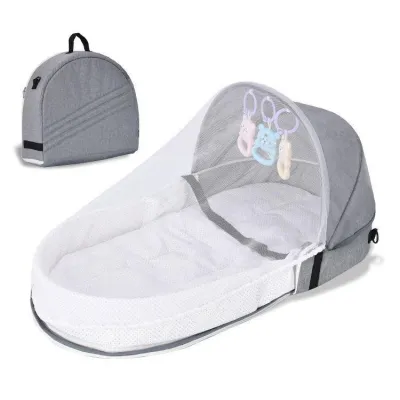
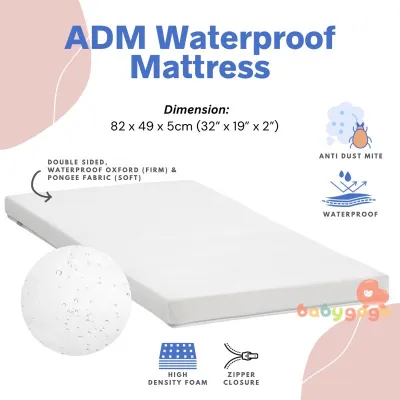
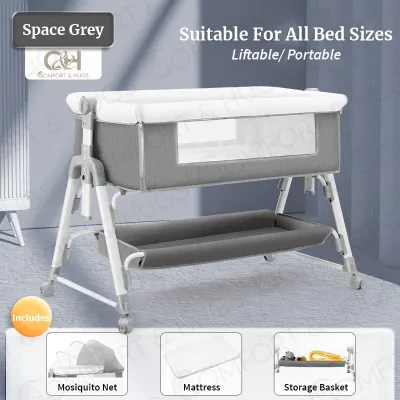
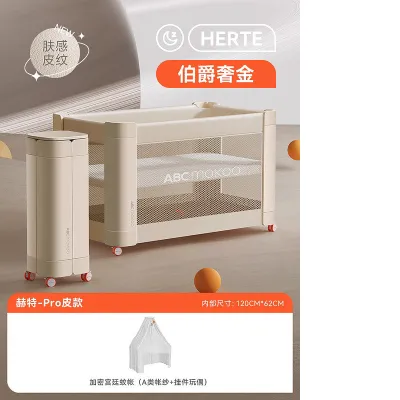
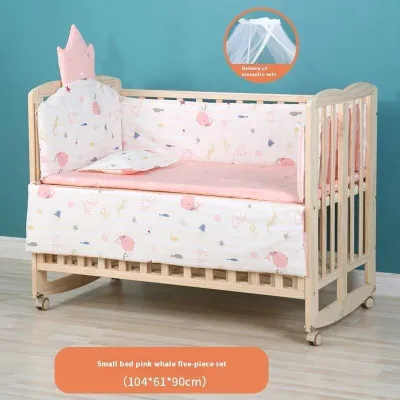
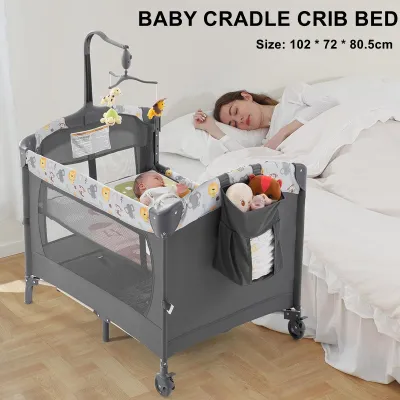
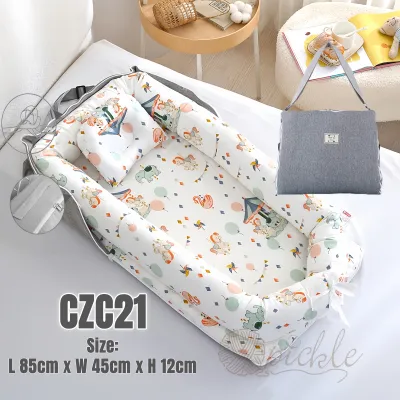
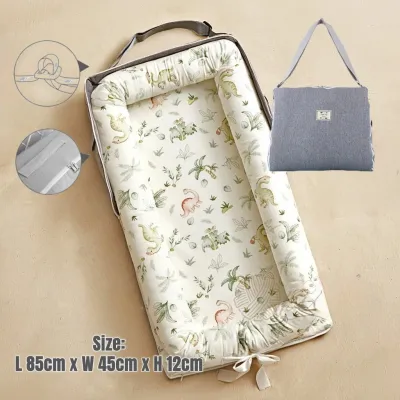
Prices are valid at publication and may change. Please refer to the product page for the latest price.
Furthermore, these standards scrutinize the chemical composition of the materials used. Fabrics, plastics, and finishes must undergo chemical analysis to ensure they are free from harmful levels of lead, phthalates, and flame retardants. This comprehensive evaluation ensures that the immediate environment where your baby breathes and sleeps is non-toxic and structurally sound.
It is vital to distinguish between mandatory regulatory compliance and voluntary manufacturer testing. Mandatory standards are legally required for products sold in specific jurisdictions, ensuring a baseline level of safety. Voluntary testing, often conducted by independent third-party laboratories, may cover additional comfort or convenience features, but it should never replace the foundational assurance of mandatory safety certifications.
Identifying Recognized Safety Marks on Bassinet Labels
When evaluating a bassinet, you must look for specific international and regional safety standard marks on the product packaging, labels, and user manuals. These marks serve as physical proof that the product has undergone and passed the necessary compliance testing.

In the global market, several key frameworks are widely recognized. The American Society for Testing and Materials (ASTM) standard ASTM F2194 is a primary benchmark for bassinets and cradles, focusing on structural stability, side heights, and mattress thickness. In Europe, the standard EN 1130 specifies safety requirements and test methods for cribs and bassinets, ensuring rigorous checks on materials and design. For products originating from or sold in Australia and New Zealand, the AS/NZS 8811.1 standard governs sleep surfaces, specifically testing for firmness to prevent suffocation.
In Singapore, consumer goods are regulated under the Consumer Protection (Consumer Goods Safety Requirements) Regulations, overseen by Enterprise Singapore. While electrical components of baby gear (such as built-in swings or monitors) must carry the Safety Mark, general nursery furniture like bassinets must comply with applicable international safety standards. Importers and retailers are legally obligated to ensure that the products they bring into the local market meet these stringent safety benchmarks.
To verify these certifications, inspect the physical product thoroughly. Manufacturers typically print or stamp certification details directly onto a permanent tracking label, which is often located on the underside of the bassinet base, on the support legs, or sewn into the fabric lining. Additionally, the user manual should explicitly state the specific standards the product meets, along with the manufacturer’s contact details and batch number.
Verifying Safety Claims on E-Commerce Platforms
Shopping on online marketplaces and ecommerce platforms offers convenience, but it also introduces the risk of encountering uncertified or counterfeit nursery furniture. Because you cannot physically inspect the product before purchase, you must take proactive steps to verify any safety claims made in product listings.
Before clicking the purchase button, do not hesitate to contact the online seller directly to request proof of compliance. Legitimate sellers and distributors should be able to provide a copy of the test report or a certificate of compliance from an accredited third-party testing laboratory. If a seller is evasive, refuses to share documentation, or claims the information is proprietary, treat this as a significant warning sign.
Be alert to red flags in product listings. Vague phrases such as “safety approved,” “pediatrician recommended,” or “certified safe” without referencing a specific, recognized standard (like ASTM F2194 or EN 1130) are often meaningless marketing jargon. Reliable listings will clearly state the exact standard code and the testing body that certified the product.
Cross-referencing is an essential tool for online shoppers. Take the exact model number and brand name from the listing and search for it on the manufacturer’s official website. Many reputable brands publish their compliance certificates online. Additionally, you can check consumer protection databases and product recall registries to ensure the specific model has not been flagged for safety defects or recalled due to hazards.
Essential Physical Inspections Before First Use
Even if a bassinet carries all the correct certification marks, a thorough physical inspection upon unboxing is a non-negotiable step before placing your baby inside. Shipping damage, manufacturing defects, or assembly errors can compromise the safety of an otherwise compliant product.
Begin by inspecting the frame and hardware. Check for any sharp edges, exposed wood splinters, rough plastic seams, or loose screws. Ensure that all locking mechanisms—especially those on folding or portable bassinets—engage securely and cannot be accidentally disengaged. If the bassinet features wheels, verify that the locking brakes function perfectly and hold the unit firmly in place on your flooring.
The mattress or sleep pad requires close scrutiny. It must fit snugly within the bassinet frame, leaving no gaps wider than two fingers between the edge of the mattress and the side walls. Gaps present a severe entrapment hazard where a baby’s head or limbs could become wedged. The mattress must also be firm; a soft sleeping surface can conform to an infant’s face and lead to suffocation. Never add extra mattresses, pillows, or soft bedding to the bassinet.
Examine the side walls of the bassinet. If they are made of mesh, ensure the weave is exceptionally fine to prevent tiny fingers, toes, or clothing buttons from getting caught. The mesh should be taut and securely attached to the frame. If the bassinet has wooden or plastic slats, use a ruler to verify that the distance between the slats does not exceed 60 millimeters, preventing a baby’s head from slipping through.
Usage Limits and Transitioning Out of the Bassinet
A bassinet is a temporary sleep solution designed strictly for the earliest stages of infancy. Understanding and adhering to its operational boundaries is critical to preventing falls and structural failures as your baby grows and develops.
Always consult the manufacturer’s documentation for the specific weight and age limits of your bassinet. While many models accommodate infants up to approximately 9 kilograms, developmental milestones are far more critical indicators of safety than weight alone. You must stop using the bassinet immediately when your baby begins to show signs of rolling over, pushing up on their hands and knees, or sitting up unassisted. At this stage, the risk of the baby tipping the bassinet or climbing over the side walls increases dramatically.
Safe room placement is another vital aspect of bassinet usage. Position the bassinet in a clear area of your bedroom, well away from windows where blind cords, drapes, or window screens could pose strangulation or fall hazards. Ensure the unit is not placed near heaters, air conditioning vents, wall outlets, or baby monitor cords that could be pulled into the sleep space.
Keep the area surrounding the bassinet clear of heavy wall decor, shelves, or hanging items that could fall into the sleep space. By establishing a dedicated, hazard-free zone around the bassinet, you ensure that your baby’s sleep environment remains secure from external dangers throughout their first few months of life.
Frequently Asked Questions (FAQ)
Are second-hand bassinets safe to use if they have certification marks?
Using a second-hand bassinet carries inherent risks, even if the product originally featured valid certification marks. Over time, safety standards evolve to address newly discovered hazards, meaning an older model may no longer reflect current best practices. Furthermore, wear and tear from previous use can weaken structural joints, degrade locking mechanisms, or compromise the firmness of the mattress. If you choose to use a pre-owned bassinet, you must verify its complete history, ensure no parts are missing, check for active product recalls, and replace the mattress with a brand-new, manufacturer-approved model.
What should I do if my bassinet does not display any safety certification?
If a bassinet completely lacks safety certification marks on its labels, packaging, or documentation, you should immediately halt its use. Contact the retailer or manufacturer directly to request official compliance certificates and test reports. If they cannot provide verifiable proof of testing against recognized standards like ASTM or EN, do not use the product for infant sleep. You should also report the uncertified product to local consumer protection agencies, such as Enterprise Singapore, to help prevent other parents from purchasing potentially hazardous nursery furniture.

Community discussion
Share your experience or ask a question. Comments are reviewed before publication.