
When selecting a swing for kids, safety is the single most important factor to consider. While swings offer excellent opportunities for physical play, sensory development, and outdoor fun, they also present potential risks if the equipment is poorly designed, improperly installed, or mismatched to your child’s developmental stage. Prioritising specific safety features during your purchase ensures that playtime remains both joyful and secure.
Quick Answer: Essential Safety Features to Check First
To ensure your child’s safety, you must verify several critical features before making a purchase. A high-quality swing set should always feature a wide, stable frame that resists tipping, alongside a seat design tailored to your child’s physical abilities. Look for the following non-negotiable safety features:
- Sturdy, Tip-Resistant Frame: Look for a wide-angle A-frame design that distributes weight evenly and prevents the structure from lifting off the ground during use.
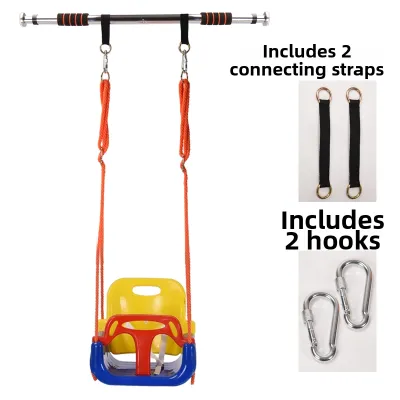
- Age-Appropriate Seat: Choose a high-backed, full-bucket seat with secure leg openings for infants and toddlers, transitioning to flexible belt or sling seats only when your child has developed sufficient core strength.
- Secure Restraint Systems: Ensure infant and toddler models feature a robust 3-point or 5-point safety harness with a child-resistant buckle that requires adult coordination to open.
- Heavy-Duty, Weatherproof Hardware: Verify that all connection points use corrosion-resistant metals, such as galvanized or powder-coated steel, and that all hooks are fully closed.
- Clear Manufacturer Limits: Check the product packaging or documentation for explicit weight capacities and age recommendations that align with your child's current development.
Evaluating Frame Stability and Material Durability
The structural frame forms the foundation of any swing set, absorbing the dynamic forces generated as your child swings back and forth. A narrow or lightweight base can easily tip over under the momentum of a swinging child. To prevent tipping, look for a wide A-frame design where the legs spread outward at a stable angle, creating a broad footprint that anchors the center of gravity. For indoor or freestanding models, the base should feature non-slip rubber grips or wide stabilizer bars that prevent the frame from sliding across the floor.
Products mentioned in this guide
Prices are valid at publication and may change. Please refer to the product page for the latest price.

Material durability is equally critical, especially when selecting an outdoor swing for kids. Singapore’s tropical climate—characterized by high humidity, intense UV exposure, and heavy rain—can rapidly degrade substandard materials. Look for frames constructed from heavy-duty, powder-coated or galvanized steel, which resists rust and structural weakening. If you prefer a wooden frame, ensure it is made from pressure-treated, rot-resistant timber or dense hardwoods like teak, and check that the wood has been sanded smooth to prevent splinters.
Before finalizing your purchase, perform a physical inspection of the frame if possible, or closely review detailed product specifications. Run your hands along the joints and edges to ensure there are no sharp burrs, rough welds, or exposed bolts. Pay close attention to the moving parts; there must be no pinch points where small fingers can get caught as the swing moves. Additionally, confirm that any paint, varnish, or plastic components are certified non-toxic, lead-free, and UV-resistant to prevent cracking and chemical exposure.
Choosing the Right Seat and Restraint System for Your Child's Age
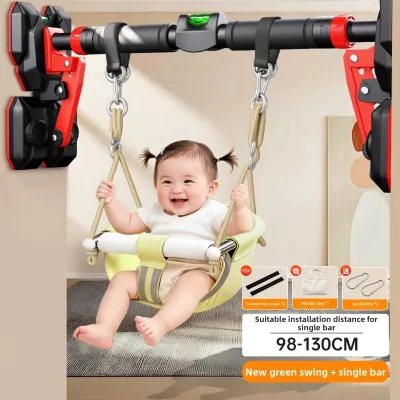
A swing seat must match your child’s developmental stage to provide adequate support and prevent accidental falls. For infants and young toddlers who are still developing head and torso control, a full-bucket seat is essential. These seats feature high back support, a front T-bar or high front wall, and dedicated leg holes that keep the child upright and securely enclosed. Never place a baby who cannot sit up unassisted into any type of swing seat without consulting a pediatrician or checking the manufacturer’s developmental guidelines.
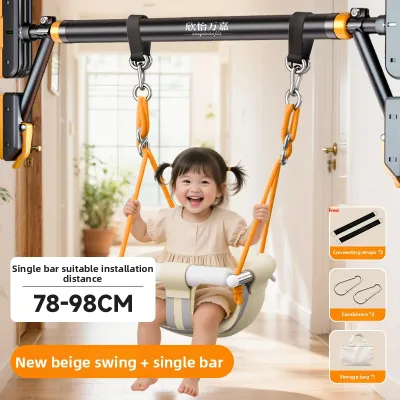
As toddlers grow and gain better balance, they can transition to a half-bucket seat or a high-back seat equipped with an adjustable safety belt. These models often feature a removable front T-bar, allowing the swing to adapt as your child grows. For older children who possess strong core muscles, excellent coordination, and the ability to grip ropes tightly, a flexible sling or web seat is appropriate. Avoid transitioning your child to a flat or flexible seat too early; if they lack the balance to stay centered, they are at a high risk of slipping off mid-swing.
The restraint system is your primary defense against falls, particularly for children under four years old. Look for a 3-point or 5-point harness that secures the child around the waist and between the legs, or over the shoulders. The straps should be fully adjustable to ensure a snug fit over different types of clothing. Test the buckle mechanism to ensure it is child-resistant, meaning it requires a level of finger strength or dual-action coordination that a toddler cannot replicate, while remaining straightforward for an adult to release quickly in an emergency.
Inspecting Hardware, Ropes, and Installation Anchors
The small hardware components that connect the swing seat to the frame bear the brunt of the physical stress during play. Inspect these connection points carefully, looking for heavy-duty, rust-resistant carabiners, quick links, or shackle hangers. S-hooks are commonly used in swing assemblies, but they present a significant hazard if left open. Ensure that any S-hooks on the swing are pinched completely closed, with a gap no wider than the thickness of a coin, to prevent the chain or rope from slipping out during vigorous motion.
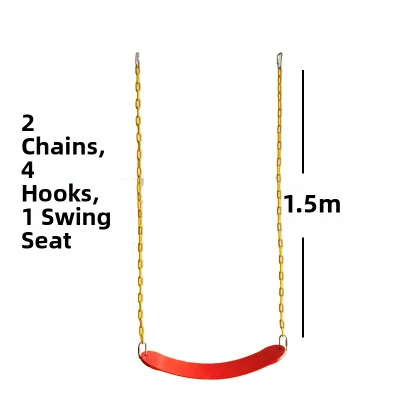
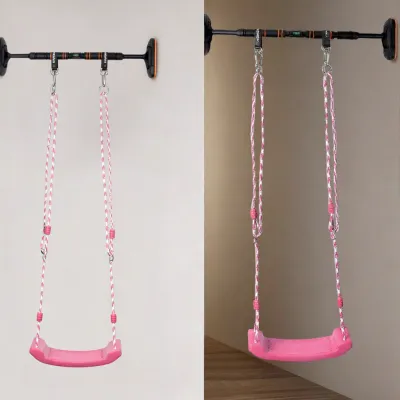
The ropes or chains that suspend the seat require careful evaluation to protect your child’s hands. Exposed metal chains can easily pinch small fingers or snag hair; therefore, look for chains that are fully encased in a soft plastisol or vinyl coating. If the swing uses ropes, opt for high-quality, UV-treated synthetic ropes that resist fraying and rot under tropical sun and rain. The ropes should feel smooth to the touch, preventing friction burns when your child grips them tightly to maintain balance.
Proper installation is vital to ensure these safety features perform as intended. For outdoor playsets, the frame must be secured to the ground using heavy-duty ground anchors, which may need to be embedded in concrete footings depending on the manufacturer’s instructions. If you are installing an indoor hanging swing in an apartment, you must mount the hardware directly into a solid wooden ceiling joist or a reinforced concrete structural beam. Never attempt to hang a swing from drywall, plaster, or a suspended ceiling, as these materials cannot support dynamic weight. Always read and follow the manufacturer’s installation manual carefully before use.
Verifying Age, Weight Limits, and Developmental Readiness
Every swing for kids is engineered to operate within specific physical parameters, which are clearly defined by the manufacturer’s age and weight limits. Exceeding these limits places immense stress on the frame, ropes, and connection hardware, which can lead to sudden structural failure. Before purchasing, locate the safety label on the product or packaging and verify that your child’s current weight falls well within the recommended range. Keep in mind that these limits are not suggestions; they are calculated safety thresholds.
In addition to physical weight, you must assess your child’s developmental readiness for the specific type of swing you choose. A child must have the coordination to mount and dismount the swing safely, as well as the grip strength to hold on during the entire motion. If your child is using an older-kid swing, they should also understand how to “pump” their legs to control their speed and know how to stop the swing safely without jumping off while it is still in motion.
When shopping, look for products that explicitly state compliance with recognized regional or international safety standards, such as the European Standard EN 71, the American Society for Testing and Materials (ASTM) standards, or the Singapore Standard SS 475 for public playground equipment. These certifications indicate that the product has undergone rigorous testing for structural integrity, chemical safety, and mechanical hazards. Avoid purchasing swings that lack clear safety labeling or those that rely solely on vague marketing claims of safety without referencing established standards.
Creating a Routine for Ongoing Safety Inspections
Safety does not end once the swing is installed; regular maintenance is essential to catch wear and tear before it leads to an accident. Establish a routine to inspect the swing set at least once a month, or more frequently if it is exposed to harsh outdoor elements. Use a simple checklist to guide your inspection: check all ropes and chains for signs of fraying, cracking, or rust; tighten any loose nuts and bolts; inspect plastic seats for chalking, fading, or micro-cracks caused by UV degradation; and verify that all S-hooks and carabiners remain securely closed.
The area surrounding the swing—known as the fall zone—is just as important as the equipment itself. Most swing-related injuries occur when a child falls or jumps onto a hard surface. Ensure that the ground beneath and around the swing is covered with a thick layer of impact-absorbing material, such as rubber mulch, safety mats, or poured-in-place rubber. Never install a swing set over concrete, asphalt, packed dirt, or grass, as these surfaces do not provide adequate cushioning during a fall.
Finally, keep the swing path entirely clear of obstacles, including trees, fences, walls, garden toys, and pathways. There should be a clear clearance zone around the entire arc of the swing. If you notice any signs of structural damage during your routine checks—such as a bent frame, cracked plastic, or a frayed rope—stop using the swing immediately. Do not attempt temporary repairs with non-approved hardware; instead, contact the manufacturer for authorized replacement parts or consult a professional installer to ensure the swing is safe to use again.
Frequently Asked Questions (FAQ)
Are indoor hanging swings safe for apartments?
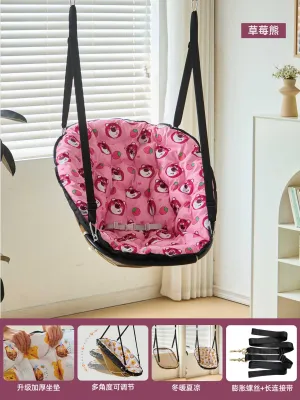
Indoor hanging swings can be safe for apartments, provided they are installed correctly into a load-bearing structural element. You must mount the hanging hardware directly into a solid concrete ceiling or a structural wooden joist, using heavy-duty expansion bolts or lag screws specified by the manufacturer. Never attach a swing to drywall, plasterboard, or decorative false ceilings, as these materials will fail under dynamic weight. Additionally, ensure there is ample clearance—at least two meters—away from walls, glass windows, and furniture to prevent collisions.
What is the safest ground surface to put under an outdoor swing?
The safest ground surface under an outdoor swing is a dedicated impact-absorbing material, such as rubber mulch, engineered wood fiber, or thick rubber safety mats. These materials cushion falls and significantly reduce the risk of head injuries compared to hard surfaces like concrete, asphalt, or packed soil. The protective surfacing should extend at least two meters in front of and behind the swing’s maximum arc to ensure a safe landing zone if a child jumps or falls. Keep the loose-fill materials properly raked and maintained at a depth recommended by safety standards, typically at least 20 to 30 centimeters.
Community discussion
Share your experience or ask a question. Comments are reviewed before publication.