
Finding the right shower cap for kids involves balancing comfort, water protection, and physical safety during bath time. A reliable cap keeps water and shampoo out of a child’s sensitive eyes and ears, turning a potentially stressful routine into a calm, tear-free experience. To ensure the accessory does not introduce new hazards, caregivers must evaluate specific design elements, material compositions, and structural features before bringing one into the family bathroom.
Selecting a high-quality bath visor requires looking beyond bright colors and cute designs. Because these items come into direct contact with wet, warm skin, the materials must be completely safe and free from harmful chemical additives. Furthermore, the physical design must prevent slips, avoid putting excessive pressure on a developing skull, and maintain clear sightlines so the child does not feel disoriented or panicked in the tub.
Material Safety: Verifying Non-Toxic and BPA-Free Standards
When shopping for a shower cap for kids, material safety should be your primary consideration. Because the cap sits directly on your child’s forehead and temple area—where skin is thin and highly absorbent—the material must be free from toxic substances. Caregivers should carefully inspect product packaging and online listings for explicit labels indicating the product is free from bisphenol A (BPA), phthalates, lead, and polyvinyl chloride (PVC). These chemicals are commonly found in low-grade plastics and can leach out when exposed to warm bath water.
Products mentioned in this guide
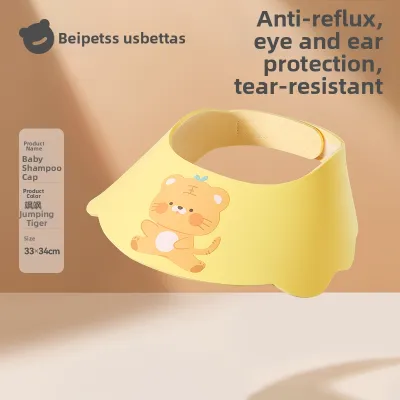

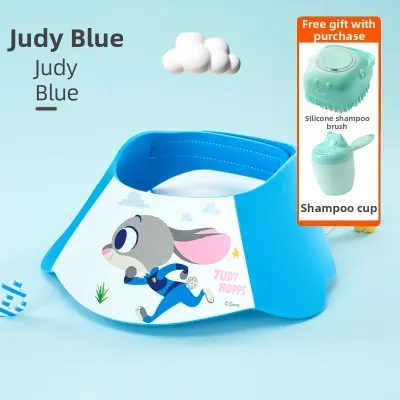
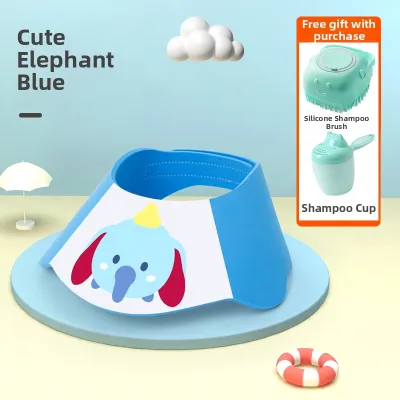
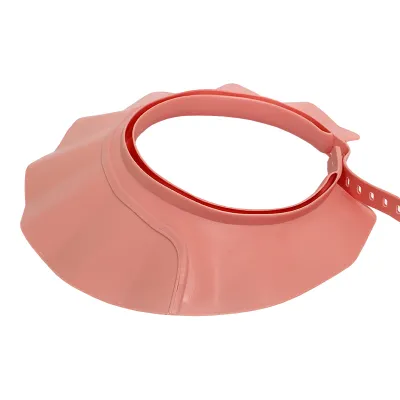
![[𝐒𝐆 𝐒𝐞𝐥𝐥𝐞𝐫] BabySPA Adjustable Baby Shampoo Bath Shower Cap Hat for Babies Face Shield](https://img.lazcdn.com/g/p/464e846acec311424a2226806206f26d.jpg_400x400q80.jpg_.webp)

Prices are valid at publication and may change. Please refer to the product page for the latest price.
Food-grade silicone is widely considered an excellent material choice for children’s bath accessories. It is highly flexible, durable, and naturally resistant to the growth of bacteria and mold. When reviewing silicone options, look for manufacturer specifications that confirm compliance with international food safety standards, such as those set by the US Food and Drug Administration (FDA) or European LFGB standards. These certifications indicate that the silicone has undergone testing to ensure it does not release harmful compounds during use.
As an alternative, polyethylene vinyl acetate (PEVA) is a lightweight, non-chlorinated vinyl material often used for waterproof visors. While PEVA is a safer alternative to traditional PVC, it is generally less durable than silicone and may tear more easily under tension. Standard plastics, such as polypropylene (PP) or thermoplastic elastomers (TPE), are also common in rigid-brim designs. If choosing a cap with plastic components, verify that the manufacturer uses virgin, non-recycled plastics that are certified safe for children’s toys and care products.
Fit and Security: Preventing Slips and Uncomfortable Pressure
A shower cap must fit securely to prevent water from leaking onto your child’s face, but it must do so without causing discomfort. If the band is too tight, it can restrict blood flow, cause headaches, or leave painful red indentations on your child’s forehead. Conversely, a loose cap will easily slip down over the eyes or nose, which can cause sudden panic, block their breathing, or allow soapy water to flood their face.

To find the perfect balance, look for caps that feature adjustable sizing mechanisms rather than a single, rigid elastic band. Adjustable snap buttons, hook-and-loop fasteners, or sliding buckles allow you to customize the fit as your child grows. Snap buttons are particularly useful because they provide a mechanical lock that toddlers cannot easily pull apart mid-bath. Ensure that the fastening mechanism is covered or positioned away from the hair to prevent painful snagging or pulling.
The inner rim of the cap—the part that makes direct contact with the skin—should feature a soft, wide, and flexible seal. Many high-quality caps utilize a tapered silicone edge that conforms gently to the contours of the child’s head. This design creates a watertight barrier using light, even pressure rather than tight elastic tension. Additionally, check for a non-slip texture or a matte finish on the inner band, which helps the cap stay in place even when soapy water flows over it.
Design and Visibility: Ensuring Clear Sightlines and Safe Edges
The physical shape of the shower cap plays a critical role in keeping your child safe and comfortable. The primary function of the visor is to channel water and shampoo backward and outward, away from the face and ears. To achieve this, the brim should have a wide, downward-sloping or flared design. This shape acts like a gutter, directing the flow of water safely off the sides and back of the head.
However, the brim must not be so wide or steeply angled that it completely blocks your child’s field of vision. If a toddler cannot see their toys, their hands, or their caregiver, they are likely to become anxious and attempt to rip the cap off. Look for a design that maintains a clear forward and peripheral sightline. A transparent or semi-transparent brim can be highly beneficial, as it allows light to pass through and keeps the child’s surroundings fully visible while still blocking water.
Physical construction details require close inspection before use. Run your fingers along the edges and seams of the cap to check for sharp plastic flashing, rough edges, or hard decorative elements. Cheap manufacturing processes often leave sharp seams that can scratch a child’s delicate skin during application or removal. Furthermore, the cap should be lightweight and balanced; a heavy or front-heavy design can cause a child to tilt their head backward uncomfortably, increasing the risk of slipping on the wet surface of the bathtub.
Inspecting and Maintaining the Shower Cap for Ongoing Safety
Regular maintenance is essential to ensure a kids’ shower cap remains safe and hygienic over time. In warm, humid bathroom environments—such as those typical in Singapore—moisture can easily become trapped in the folds, seams, and adjustable straps of the cap. This trapped moisture creates an ideal breeding ground for mold, mildew, and bacteria, which can cause skin irritation or unpleasant odors if they come into contact with your child’s skin.
After every bath, make it a habit to rinse the shower cap thoroughly with clean, warm water to remove all traces of shampoo, body wash, and skin oils. Gently shake off excess water and wipe the surface with a clean towel. Never leave the cap lying flat on the edge of the tub or on a wet bathroom ledge, as this prevents proper air circulation and encourages mold growth. Instead, hang the cap by its strap or hook in a well-ventilated area outside the immediate shower enclosure to dry completely.
Perform a weekly visual inspection of the cap’s structural integrity. Look closely at the seams, snap buttons, and elastic sections for any signs of micro-tears, cracking, or material degradation. If your cap has hollow channels or double-layered sections, check inside them to ensure no water has seeped in and become stagnant. Always follow the manufacturer’s specific cleaning instructions; while some silicone caps may be top-rack dishwasher safe, others require gentle hand washing with mild soap to avoid damaging the waterproof seals.
Signs It Is Time to Replace the Shower Cap
Even the highest-quality shower caps have a limited lifespan and will eventually need to be replaced to maintain safety and hygiene. The most common sign that a cap has reached the end of its usefulness is a loss of elasticity or a permanently stretched-out band. If you find yourself constantly adjusting the cap during a single bath, or if water consistently leaks through the seal despite proper positioning, the material has degraded and can no longer perform its primary safety function.
Material degradation can also manifest as physical changes in the texture of the cap. If the silicone or plastic begins to feel sticky to the touch, shows severe discoloration, or develops a strong, persistent chemical odor, it is time to discard it. These signs indicate that the polymer chains within the material are breaking down, which can compromise both the structural integrity of the cap and its chemical safety.
Finally, persistent mold or mildew spots that cannot be removed through standard cleaning are a clear indicator that the cap must be replaced. Mold spores can penetrate deep into porous plastics, low-grade silicone, or fabric-covered elastics. Continuing to use a mold-contaminated cap near your child’s eyes, nose, and mouth poses unnecessary health and hygiene risks. Replacing the cap promptly ensures that bath time remains a clean, safe, and healthy routine.
Frequently Asked Questions (FAQ)
Can a regular adult shower cap be safely used for a child?
Using a regular adult shower cap on a child is not recommended due to significant safety and fit issues. Adult caps are designed for much larger head circumferences, meaning they will not form a watertight seal on a child’s smaller head. The excess material can easily slip down over the child’s eyes, nose, and mouth, creating a sudden suffocation hazard or causing panic. Additionally, the weight of a wet, oversized cap can cause neck discomfort or make the child lose their balance in a slippery bathtub.
Are shower caps with cartoon decorations safe for toddlers?
Shower caps with cartoon decorations can be safe, but they require careful inspection before purchase. Caregivers must ensure that any decorative elements, such as raised animal ears or crowns, are molded as a single piece with the main body of the cap. Glued-on plastic figures or small decorative parts can easily detach over time due to warm water and soap exposure, presenting a serious choking hazard for toddlers. Additionally, verify that any painted details are made with non-toxic, lead-free pigments that will not flake or peel off during bath time.
Community discussion
Share your experience or ask a question. Comments are reviewed before publication.