
To keep your baby safe while using a baby walker rocker, you must prioritize structural stability, secure restraint systems, and verifiable safety certifications. A baby walker rocker combines the mobility of a traditional baby walker with the stationary swaying motion of a rocker, introducing a unique set of safety considerations. While these multi-functional items offer entertainment, selecting one requires a meticulous evaluation of physical design, material safety, and strict operational limits to protect your child from injury.
Before making a purchase, parents should understand that these devices alter how an infant interacts with their environment. By elevating the baby and granting them rapid movement, a baby walker rocker exposes them to hazards that are normally out of reach. Ensuring the product has the correct safety features is the most effective way to minimize these risks.
Understanding the Risks of Baby Walker Rockers
A baby walker rocker serves two distinct purposes: it allows a baby to roll across flat surfaces and, when the wheels are retracted or locked, functions as a stationary rocking chair. This dual functionality increases the potential mechanical failure points and introduces diverse physical risks. When configured as a walker, the device grants an infant rapid mobility, allowing them to reach hazardous heights, pull down heavy objects, or roll toward dangerous drops. When configured as a rocker, the shifting center of gravity can lead to instability if the design is compromised or if the baby shifts their weight aggressively.
Products mentioned in this guide

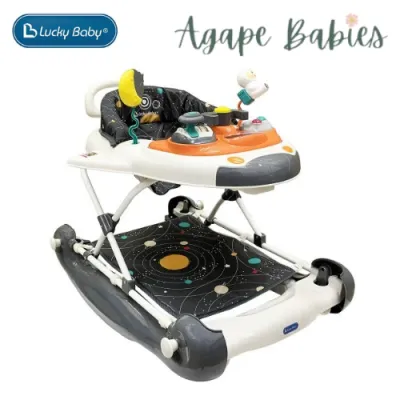


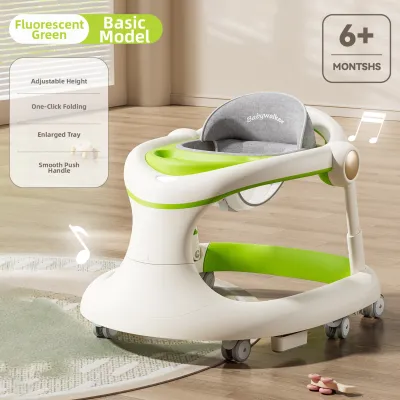
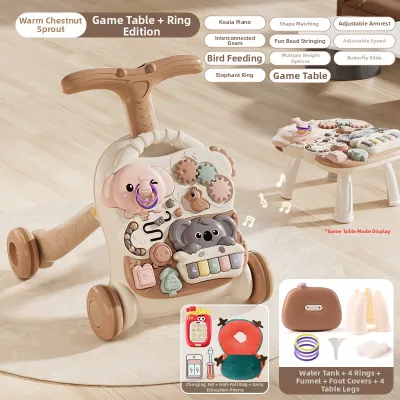


Prices are valid at publication and may change. Please refer to the product page for the latest price.
The most common accidents associated with these devices include tipping over, finger pinching in folding hinges, falling down stairs, or getting caught on raised thresholds. Because babies can move at surprising speeds when using wheels, they can reach hazards before a caregiver can react. Additionally, the transition mechanism between the walking and rocking modes can wear down over time, potentially collapsing during use if not properly locked.
No safety feature or product design can replace active, direct, and continuous adult supervision. A caregiver must remain in the same room and within arm’s reach of the baby at all times while the device is in use. Use this guide to identify key safety mechanisms and establish safe usage boundaries that keep your child out of harm’s way.
Must-Have Structural and Design Safety Features
The physical architecture of a baby walker rocker serves as the primary barrier against physical trauma. Before purchasing any model, parents must inspect the structural integrity and the locking mechanisms that transition the unit between its two modes. A robust frame prevents the product from collapsing under the baby’s weight or buckling when encountering an obstacle.

Look for models constructed from high-grade, impact-resistant plastics and reinforced metal frames that do not flex under pressure. The overall design should feel solid and heavy at the base, resisting any tendency to wobble when force is applied to the upper tray.
Wide and Weighted Base for Stability
A wide, weighted base is critical to prevent tipping. The base should have a low center of gravity, with the heaviest components concentrated near the floor. Look for a wheelbase that is significantly wider than the seat frame. This design ensures that even if the baby leans far over the side to reach a toy, the center of mass remains firmly within the footprint of the base.
Check the manufacturer’s physical specifications. Measure or verify that the bottom frame extends several centimeters beyond the perimeter of the upper tray and seat. Furthermore, always verify the manufacturer’s stated weight and height limits. If a baby exceeds these limits, their torso will sit higher, raising the center of gravity and making the entire unit top-heavy and prone to tipping.
Secure Harness and Seat Design
The restraint system must hold the baby securely within the center of the unit. Look for a multi-point harness, ideally a three-point or five-point system, featuring durable buckles that require adult strength and coordination to release. The harness must prevent the baby from climbing out or slipping downward through the leg openings.
Examine the seat’s depth and ergonomic shape. The seat must support the baby’s lower back and hips comfortably without allowing them to slide forward. Pay close attention to the leg openings; they must be small enough to prevent the baby’s hips from sliding through, yet smooth enough to avoid chafing. The seat fabric should be taut, securely fastened to the frame, and free from excessive sagging. A sagging seat can alter the baby’s posture, placing undue stress on their developing spine and joints, and increasing the risk of entrapment.
Material, Finish, and Mechanical Safety Checks
Physical inspections are necessary to identify potential hazards that may not be visible in online product listings. Run your hands along all surfaces of the baby walker rocker. Every edge, corner, and joint must be smooth and rounded. There should be no sharp burrs, rough plastic seams, or exposed metal screws that could scratch a baby’s delicate skin.
Check the folding joints and height-adjustment mechanisms. These moving parts must have protective covers or be designed in a way that prevents tiny fingers from getting pinched when the frame is adjusted or folded. If the walker rocker is designed to fold flat for storage, it must feature a redundant locking system. This means the frame requires two distinct, deliberate actions to unlock and fold (such as pressing a safety button while pulling a lever). This prevents accidental collapse if a sibling pulls a lever or if the baby bumps the mechanism while playing.
Material safety is equally critical since babies frequently chew on the tray, toys, and fabric of their walker rocker. Verify that all materials are non-toxic. Look for products certified as free from Bisphenol A (BPA), phthalates, lead, and heavy metals. Rather than relying on generic marketing claims, look for explicit material safety disclosures or compliance labels in the product manual.
Finally, inspect any attached toy bars, steering wheels, or electronic consoles. All toys must be firmly anchored to the tray. Check for small detachable parts, loose screws, or battery compartments that do not require a screwdriver to access. Any toy that can be pulled off with moderate force poses an immediate choking hazard.
Evaluating Safety Standards and Certifications
Terms like “pediatrician-approved,” “premium safety,” or “rigorously tested” carry no legal weight. When shopping in Singapore, parents should look for verifiable compliance with international safety standards. These certifications guarantee that the product has undergone independent testing for structural strength, stability, and chemical safety.
Look for recognized safety standard labels on the product packaging, the physical frame, or the official user manual. Key standards to verify include:
- ASTM F977: The Standard Consumer Safety Specification for Infant Walkers.
- EN 1273: The European standard specifying safety requirements for baby walking frames.
- CPSO Compliance: In Singapore, consumer products are monitored by the Consumer Product Safety Office (CPSO). Ensure the product complies with the Consumer Protection (Safety Requirements) Regulations.
Avoid buying from unverified online sellers or third-party marketplaces that do not provide clear manufacturer details, origin information, or comprehensive English user manuals. If a seller cannot provide proof of compliance with recognized safety standards, do not purchase the product.
Safe Usage Boundaries and When to Stop
Manufacturers establish weight, height, and developmental limits for a reason. These are hard boundaries, not general suggestions. Always read the product documentation to identify the exact maximum weight (typically around 11 to 12 kilograms) and height limits. Once your baby reaches any of these thresholds, the structural safety of the device is no longer guaranteed.
Stop using the baby walker rocker immediately if your baby exhibits any of the following milestones:
- They can sit up or stand up independently.
- They attempt to climb out of the seat.
- Their feet rest completely flat on the floor even at the highest height setting, allowing them to lift their body out of the seat.
- They reach the maximum weight or height limit specified by the manufacturer.
The environment in which the walker rocker is used is just as important as the product’s design. Only use the device on flat, level, and unobstructed floors. Never use it near stairs, steps, raised thresholds, swimming pools, outdoor drains, or open balconies. Keep the baby far away from potential hazards they can now reach due to their elevated height, such as hot liquids, electrical cords, table runners, heaters, and cleaning chemicals.
Frequently Asked Questions (FAQ)
This section addresses common parental queries regarding the developmental impact and physical limitations of using a baby walker rocker.
Are baby walker rockers safe for hip development?
You should consult a pediatrician or pediatric physiotherapist for personalized developmental advice regarding your child. Prolonged use of any seated device, including a baby walker rocker, can place unnatural, repetitive stress on an infant’s developing hips and spine. When suspended in a seat, babies often tip-toe to push off, which can tighten calf muscles and alter natural hip alignment. To support healthy physical development, limit daily usage to short intervals (such as 10 to 15 minutes per session) and ensure your baby receives ample opportunities for free floor play, tummy time, and natural crawling, which are essential for building core strength and motor skills.
At what age should my baby stop using a walker rocker?
Chronological age is less important than physical milestones and weight limits. While many manufacturers suggest a general age range (such as 6 to 12 months), you must monitor your baby’s physical development. Stop using the device immediately if your baby can pull themselves up to a standing position, attempts to climb out of the seat, or can walk independently. Additionally, if your baby’s feet are flat on the floor with bent knees while the seat is at its highest adjustment, or if they exceed the manufacturer’s specified weight limit, discontinue use to prevent tipping or falls.
Community discussion
Share your experience or ask a question. Comments are reviewed before publication.