
When it comes to grooming a baby, safety is the paramount concern for every parent. Among the various tools found in a baby grooming kit, the cotton bud for baby is one of the most frequently misunderstood. Many parents assume that any standard cotton swab will suffice for cleaning tiny ears and delicate skin folds. However, standard adult cotton buds are not designed for the unique anatomical needs of an infant, and using them can lead to serious, painful injuries. To protect your baby’s delicate ear canals and sensitive skin, it is essential to understand the specific safety features that a specialized baby cotton bud must possess.
Choosing the right grooming tools involves looking beyond simple marketing claims. A safe cotton bud for baby must have specific physical barriers, high-quality material standards, and a structural design that actively prevents user error. By understanding these features, you can confidently select a product that minimizes risks and ensures a safe, gentle grooming experience for your little one.
Why Regular Cotton Buds Pose Risks to Babies
An adult’s ear canal is relatively long and resilient, but a baby’s ear canal is incredibly short, narrow, and highly vulnerable. The skin lining an infant’s ear canal is paper-thin and easily scratched by even minor friction. Furthermore, the eardrum sits much closer to the entrance of the ear canal in babies than in adults. This anatomical vulnerability means that any object inserted into the ear canal can easily make contact with the eardrum, risking severe pain, bleeding, or even permanent hearing impairment.
Products mentioned in this guide
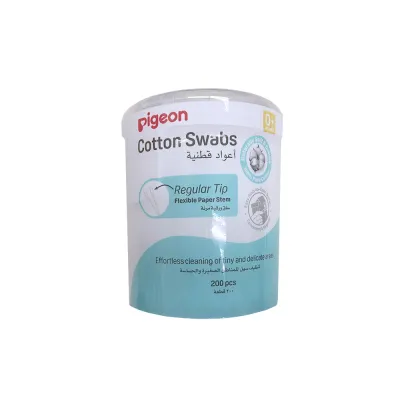
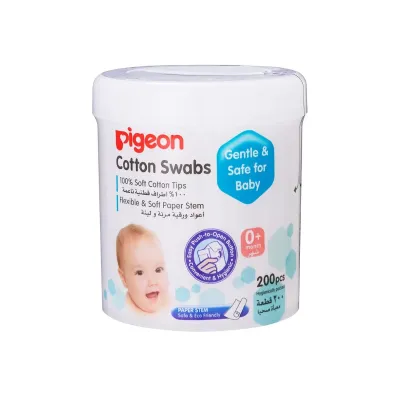
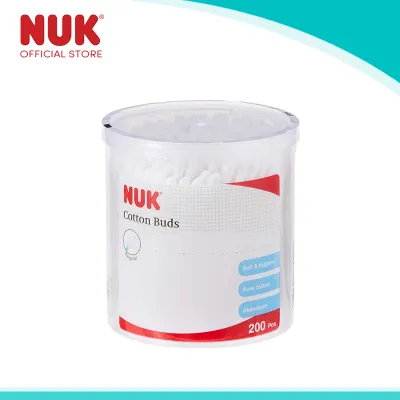
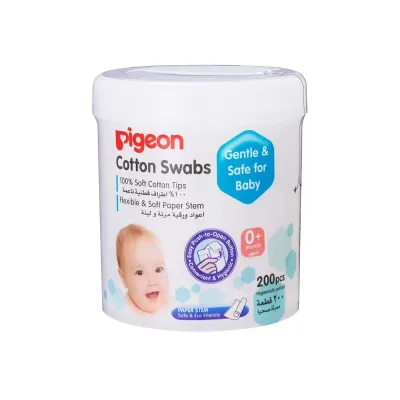
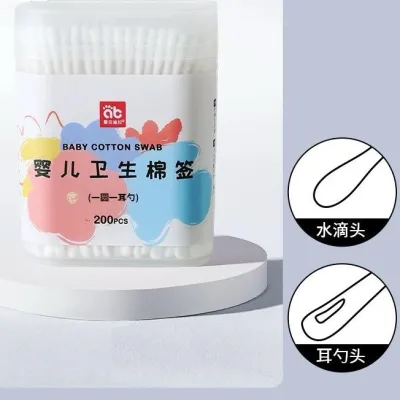
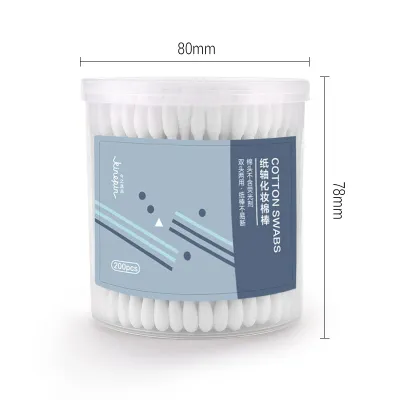
Prices are valid at publication and may change. Please refer to the product page for the latest price.
Standard adult cotton buds pose a significant risk because they lack any form of depth restriction. Their uniform, straight cylindrical shape allows them to slide deep into the ear canal without any resistance. If a baby makes a sudden movement, flinches, or turns their head while a caregiver is using a standard cotton bud, the stick can be driven deep into the ear, causing immediate trauma.
Another major risk associated with regular cotton buds is the quality and security of the cotton tip itself. Adult buds are often designed to be fluffy and soft, which means the cotton fibers are loosely wound. In the narrow, moist environment of a baby’s ear or skin folds, these loose fibers can easily unravel, shred, or detach completely. Leftover cotton lint inside a baby’s ear canal can trap moisture, create a breeding ground for bacteria, and lead to painful outer ear infections (otitis externa).
Ultimately, the primary danger is almost always user error—attempting to clean too deep—which is severely exacerbated by a product design that does not limit entry. Standard cotton buds do not provide any physical feedback to warn a parent when they have inserted the tool too far, making them highly hazardous for infant care.
Essential Physical Safety Features in a Baby Cotton Bud
To mitigate these inherent risks, manufacturers of specialized infant grooming products design baby cotton buds with distinct physical modifications. These structural features are engineered to prevent accidental deep insertion, minimize the risk of fiber retention, and absorb the impact of sudden baby movements.

Built-In Safety Stopper or Shield
The most critical safety feature of a high-quality cotton bud for baby is the built-in safety stopper, often referred to as a safety shield or bulb design. Unlike the straight, uniform shape of an adult cotton bud, a baby safety bud features a uniquely contoured tip. The very end of the bud is small and rounded, but it quickly flares out into a much wider, bulbous middle section.
This bulbous shape acts as a physical barrier and mechanical stop. When you attempt to use the bud, the wider portion of the cotton head physically cannot enter the narrow ear canal of an infant. This simple yet highly effective design restriction ensures that only the very tip can make contact with the outermost part of the ear, completely preventing the tool from reaching the delicate eardrum.
By design, the safety stopper restricts the grooming action strictly to the outer ear (the pinna) and the entrance of the canal. This eliminates the guesswork for caregivers, providing a visual and physical boundary that makes accidental over-insertion virtually impossible, even if the baby moves unexpectedly.
Securely Wound, Lint-Free Cotton Tips
Another essential physical feature is the density and security of the cotton winding. Safe baby cotton buds utilize high-density, machine-wound cotton tips that are tightly compressed around the stick core. This tight winding ensures that the cotton head retains its shape and structural integrity, even when saturated with water, baby oil, or cleaning solutions.
Tightly wound tips are virtually lint-free, meaning they will not fray, shed loose fibers, or leave behind microscopic debris when rubbed against the baby’s skin. This is particularly important when cleaning moist skin creases, such as those behind the ears or in the folds of the neck, where trapped fibers can cause friction, chafing, and subsequent skin infections.
Before purchasing or using any baby cotton buds, caregivers should perform a quick physical inspection. Take a bud from the packaging and gently pinch the cotton head between your thumb and forefinger. Give it a light tug to verify that it is firmly bonded to the stick. A safe, high-quality tip should feel firm and solid, not fluffy or easily compressed, and it should not slide or spin on the stick core.
Flexible, Splinter-Free Stick Material
The material used to construct the stick or shaft of the cotton bud plays a vital role in preventing puncture wounds and impact injuries. Babies are notoriously unpredictable; they can flinch, roll, or jerk their heads in a split second during grooming. The stick material must be able to accommodate these sudden movements safely.
- Paper Sticks: High-density, tightly rolled paper is widely considered the safest material for baby cotton buds. Paper shafts provide sufficient rigidity for controlled, precise cleaning, yet they possess a natural flexibility. If a baby suddenly moves against a paper stick, the shaft will bend, crease, or fold under the pressure, absorbing the force of the impact and preventing a puncture injury.
- Plastic Sticks: While plastic shafts offer flexibility, they present environmental concerns and can sometimes have sharp, molded edges if manufactured poorly. Additionally, if subjected to extreme force, some plastics can bend and form a sharp crease that may scratch delicate skin.
- Bamboo or Wood Sticks: Although bamboo and wood are popular eco-friendly choices, they are generally less suitable for infant ear grooming. Rigid wooden sticks do not bend under sudden pressure. Instead, they remain completely rigid, increasing the risk of a deep puncture wound if the baby jerks. Furthermore, low-quality wooden or bamboo sticks can snap cleanly, creating sharp, jagged splinters that pose an immediate physical danger to the baby's delicate tissues.
Caregivers should prioritize flexible paper shafts to ensure maximum safety during sudden movements.
Material Safety and Label Verification
Beyond the physical structure of the cotton bud, the chemical composition and material purity of the product are critical factors in protecting your baby’s health. Infant skin is significantly thinner and more permeable than adult skin, making it highly susceptible to chemical irritants, allergens, and toxic residues.
When selecting a cotton bud for baby, always verify the material composition on the product label. Look for products made from 100% pure cotton or medical-grade absorbent cotton. Avoid synthetic fiber blends, such as polyester or rayon, which are less absorbent and can cause micro-abrasions or static irritation on sensitive skin.
It is also vital to check the packaging for the absence of harmful chemical additives. Many standard cotton buds undergo chemical processing to achieve a bright white appearance. Caregivers should actively look for labels that explicitly state the product is free from:
- Optical Brighteners: Chemical compounds used to make fibers appear whiter and brighter, which can cause contact dermatitis on sensitive baby skin.
- Fluorescent Whitening Agents (FWAs): Synthetic chemicals that can leave residues on the skin and trigger allergic reactions.
- Chlorine Bleach: A common bleaching agent that can leave behind trace amounts of dioxins; look for "chlorine-free" or "oxygen-bleached" certifications instead.
Furthermore, do not rely solely on vague marketing terms such as “gentle,” “soft,” or “hypoallergenic” on the front of the packaging. Instead, turn the pack over and verify the manufacturer’s stated age recommendations and safety warnings. Look for products that explicitly mention infant safety, pediatric testing, or dermatological approval. Because safety standards and certifications are dynamic and vary by region, parents should treat these labels as items to verify actively with local regulatory databases or trusted pediatric resources rather than taking them at face value.
Safe Usage Boundaries and Restricted Areas
Even when equipped with the safest baby cotton bud, proper usage technique and strict boundary control are essential to prevent injury. Pediatricians and audiologists worldwide maintain an absolute medical consensus: never insert any object, including specialized safety cotton buds, into a baby’s ear canal or nostrils.
The human ear canal is naturally self-cleaning. The skin inside the canal grows outward like a conveyor belt, naturally carrying old earwax, dead skin cells, and dust out to the outer ear. Earwax (cerumen) is not dirt; it is a beneficial, protective substance that lubricates the ear canal, traps dust, and possesses natural antibacterial properties. Inserting a cotton bud into the canal disrupts this natural process, pushing the wax deeper, packing it against the eardrum (impaction), and increasing the risk of infection or eardrum perforation.
Specialized baby cotton buds are designed strictly for external grooming. Approved and safe use cases include:
- The Pinna (Outer Ear): Gently wiping the visible folds and crevices of the outer ear to remove accumulated sweat, dust, or dried milk residue.
- Behind the Ears: Cleaning the crease behind the earlobe, which frequently traps moisture, sweat, and spit-up. In Singapore's hot and humid tropical climate, this area is highly prone to yeast infections, intertrigo, and crusting if not kept clean and dry.
- The Outer Belly Button: Cleaning the external folds of the umbilicus, but only if specifically advised by your pediatrician, and never inserting the bud deep into the naval cavity.
- Fingernails and Toes: Gently cleaning the tiny crevices around and under your baby's fingernails and toe folds after a bath.
To ensure safety during grooming, always follow these actionable handling tips:
- Ensure a Calm Baby: Never attempt to clean a crying, wriggling, or highly active baby. Wait until they are calm, relaxed, or sleep-adjacent.
- Secure the Head: Cradle your baby's head securely against your body or a firm, flat changing pad to minimize sudden lateral movements.
- Use a Light Touch: Hold the cotton bud close to the tip to maintain maximum control, and apply minimal pressure.
- Stop Immediately: If your baby resists, pulls away, or becomes fussy, stop the grooming session immediately. Never force the tool.
Additionally, never use cotton buds to push visible earwax deeper into the ear. If you see wax at the entrance of the canal, leave it alone; it will migrate out naturally over time.
Warning Signs and When to Seek Medical Help
Despite a caregiver’s best efforts, accidents can happen, or underlying ear issues may arise. It is crucial to monitor your baby for any signs of ear distress or injury. Stop using cotton buds immediately and consult a pediatrician or seek medical attention if you observe any of the following red-flag symptoms:
- Persistent ear tugging, rubbing, or pulling.
- Unexplained, high-pitched crying or irritability, especially during or after a grooming session.
- Any fluid, yellow or green discharge, or blood leaking from the ear canal.
- Visible redness, swelling, scaling, or an unpleasant odor coming from the ear.
- A lack of responsiveness to sudden sounds, which may indicate a temporary hearing blockage or eardrum trauma.
If a piece of the cotton tip detaches and becomes lodged inside your baby’s ear canal, or if you suspect the stick has caused an internal scratch or puncture, do not attempt to retrieve it yourself. Never use tweezers, hairpins, or another cotton bud to extract the object. Doing so will almost certainly push the cotton deeper, pack it against the eardrum, or cause further physical trauma to the delicate canal lining. This situation must be evaluated and managed by a qualified healthcare professional who has the specialized lighting, otoscopes, and micro-instruments required to safely remove foreign objects without causing injury.
Frequently Asked Questions (FAQ)
Can I use a baby cotton bud to clean inside my baby's ear canal?
No. Pediatric guidelines strictly advise against inserting any object into a baby’s ear canal. Earwax is natural, protective, and self-cleaning. If you suspect your baby has an excessive buildup of wax that is causing discomfort or affecting their hearing, do not attempt to clear it yourself. Consult a pediatrician or healthcare professional for a safe, professional assessment and treatment.
Are silicone baby ear cleaners safer than cotton buds?
While reusable silicone ear cleaners with loop or spoon-like tips are often marketed as safer alternatives, they still carry significant risks if inserted into the ear canal. The semi-rigid or rigid nature of silicone tools can easily scratch the paper-thin lining of an infant’s ear canal or push wax deeper if used incorrectly. Regardless of the tool’s material or design, the safety rule remains exactly the same: only clean the visible outer ear and never insert any device into the ear canal.
Community discussion
Share your experience or ask a question. Comments are reviewed before publication.