
Quick Answer: Core Safety Checklist for Nursery Toy Chests
When selecting a toy chest for your baby’s nursery, safety must always take precedence over aesthetics. A well-designed storage unit should keep toys organized without posing physical risks to an inquisitive infant or toddler. Before making any purchase, parents must verify that the product includes four non-negotiable safety features: slow-close safety hinges, robust tip-over restraints, built-in ventilation holes, and smoothly rounded edges.
While a beautifully painted wooden chest might perfectly complement your nursery theme, visual appeal should never override these structural safeguards. Many accidents occur when parents rely solely on marketing images or assume a product is safe based on its appearance. To ensure your child’s safety, always verify these features by reading the physical product labels, checking the manufacturer’s official specifications, and reviewing the included assembly instructions before finalizing your purchase.
Lid and Hinge Safety: Preventing Pinched Fingers and Head Injuries
The lid of a toy chest is one of its most active components and, if poorly designed, one of the most hazardous. Heavy lids can slam shut unexpectedly, leading to severe finger-pinching, hand crushing, or even head and neck injuries if a child is leaning inside. To mitigate this risk, look for toy chests equipped with specialized soft-close or slow-down safety hinges. These mechanisms are engineered to resist gravity, ensuring that even if a child releases the lid, it descends slowly and gently rather than crashing down.
Products mentioned in this guide
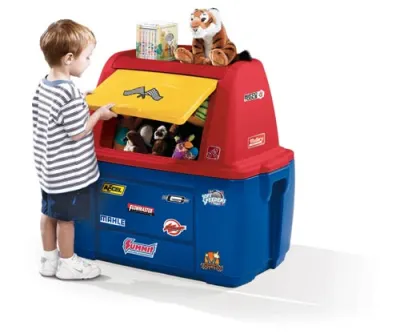
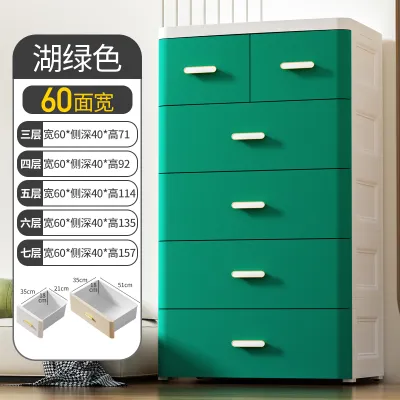
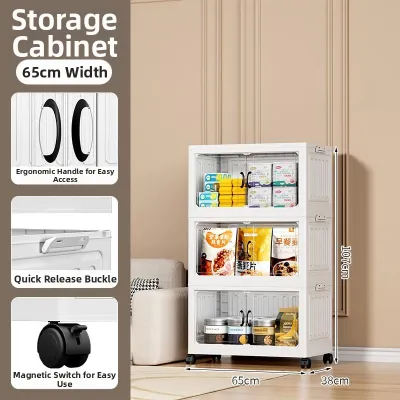
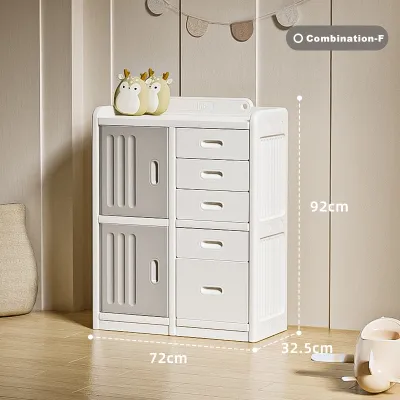
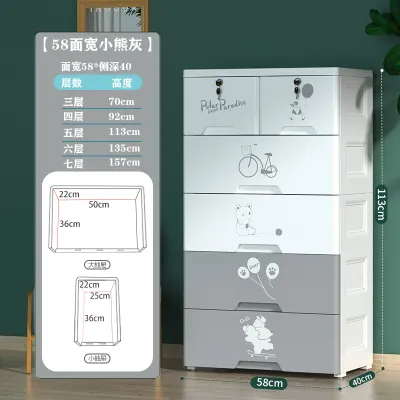
Prices are valid at publication and may change. Please refer to the product page for the latest price.

When evaluating hinge designs, a continuous hinge—often referred to as a piano hinge—is highly recommended. Unlike individual bracket hinges that leave open gaps, a continuous hinge runs the entire length of the lid. This design eliminates small gaps and pinch points where tiny, curious fingers could easily get trapped when the lid is opened or closed.
Before placing the chest in the nursery, physically test the lid’s stay-open feature. A safe lid should remain open at any angle, even when bumped or nudged by a playing child. It should require deliberate downward pressure to close rather than falling freely under its own weight.
As a strict safety rule, avoid using toy chests with heavy, unsupported lids or completely removable lids that can fall off. Removable lids are often heavy and awkward; if pulled down by a toddler, they can cause impact injuries. If you choose a chest with a removable lid, ensure it is exceptionally lightweight, such as a soft fabric lid, or opt for an open-bin design that eliminates the lid entirely.
Structural Stability and Tip-Over Prevention
As babies grow into toddlers, they naturally begin to pull themselves up on furniture and attempt to climb. A toy chest must have a wide, solid base and a low center of gravity to resist tipping over when a child leans against it or climbs inside. Tall, narrow chests are inherently less stable and pose a much higher risk of tipping forward under a child’s weight.
To prevent dangerous tip-over accidents, always verify that the toy chest includes a dedicated tip-over restraint kit, commonly known as a wall anchor. In Singapore, where many residential walls are constructed of solid concrete or brick, standard drywall screws will not suffice. You must ensure the included anchoring hardware is compatible with your specific wall type, which may require purchasing specialized masonry wall plugs and screws from a local hardware store.
When installing the chest, follow the manufacturer’s exact step-by-step instructions for anchoring the unit to the wall. Do not skip this step, even if the chest feels heavy and stable on its own. A fully loaded chest can become front-heavy when drawers are pulled out or when a child hangs from the front edge.
If the toy chest features integrated drawers or shelves, check their weight capacity and structural integrity. Drawers should be equipped with safety stops to prevent them from being pulled completely out of the frame, which could cause them to fall onto a child. Regularly inspect these tracks and stops to ensure they remain functional and secure over time.
Airflow and Entrapment Risks: The Role of Ventilation
Children love to explore small spaces, and a large toy chest can easily look like a perfect hiding spot during a game of hide-and-seek. If a child climbs inside and the lid closes, there is a severe risk of entrapment and suffocation. This makes adequate, built-in ventilation an absolute necessity for any lidded storage unit in a child’s room.
When shopping for a toy chest, look for designs that incorporate permanent ventilation holes or wide gaps. These are typically located at the back, sides, or bottom of the chest, or designed as a generous gap between the lid and the front panel when closed. These openings ensure that even if a child becomes trapped inside with the lid shut, there is a continuous flow of breathable air.
Before purchasing, check the manufacturer’s specifications to verify that the ventilation design meets recognized child safety guidelines. The openings must be large enough to allow sufficient airflow but positioned in a way that prevents a child’s fingers or limbs from getting stuck.
Once the chest is assembled, be extremely careful not to block or modify these ventilation areas. Avoid pushing the chest completely flush against a wall if the ventilation holes are located on the back panel. Additionally, never line the inside of the chest with heavy blankets or soft toys that could inadvertently block the air vents, and instruct older siblings never to play games that involve trapping anyone inside.
Material, Finish, and Edge Safety
The physical materials and finishes used to construct a toy chest play a major role in preventing cuts, splinters, and chemical exposure. Carefully inspect the chest—or review high-resolution product images and specifications—to ensure that all corners and outer edges are smoothly rounded. Sharp, 90-degree corners pose a significant bruising or laceration hazard if a child trips and falls against the unit.
Evaluate the construction materials based on durability and safety. If choosing a wooden chest, ensure the wood is completely smooth and splinter-free, with no exposed nails, staples, or sharp hardware. High-quality plastic chests should be free of sharp molding seams, while padded fabric chests offer a softer, low-impact alternative for younger infants, provided they have a rigid, stable internal frame.
Because infants and toddlers frequently explore their environment with their mouths, the finishes used on nursery furniture must be completely safe. Look for clear product labels certifying that the paints, stains, or sealants used on the chest are non-toxic, lead-free, and phthalate-free. Avoid older, secondhand wooden chests, as they may have been painted with lead-based paints that pose severe health risks.
Once the toy chest is in use, establish a routine to regularly inspect it for wear and tear. Singapore’s humid climate can sometimes cause wood to swell or finishes to degrade over time. Check periodically for peeling paint, splintering wood, loose screws, or weakening hinges, and address any issues immediately to maintain a safe play environment.
How to Verify Safety Claims and Certifications
With numerous products available on various e-commerce platforms and online marketplaces, it can be difficult to distinguish truly safe furniture from low-quality imitations. To protect your child, you must learn how to independently validate a manufacturer’s safety claims rather than relying on promotional descriptions.
Start by reading the product tags, packaging, and user manuals for recognized juvenile product safety certification marks. These marks indicate that the product has undergone independent testing to meet strict safety standards regarding structural stability, non-toxic materials, and mechanical safety. If a seller claims a product is certified but cannot provide proof of these labels, treat the claim with caution.
Before finalizing your purchase, cross-reference the toy chest’s brand and model number with official safety recall databases. This step is crucial, especially if you are purchasing a imported model or buying from an online marketplace. A quick search can reveal if the model has been recalled due to safety failures, hinge defects, or tip-over hazards.
Never rely solely on unverified third-party seller descriptions or generic product titles. If the assembly instructions, safety documentation, or manufacturer contact details are missing, unclear, or written in a language you do not understand, contact the manufacturer or retailer directly to request the correct documents. If they cannot provide clear safety documentation, it is best to choose a different product.
Frequently Asked Questions (FAQ)
Can I retrofit an existing toy chest with safety hinges and wall anchors?
Yes, it is possible to retrofit an older or heirloom toy chest with aftermarket safety hinges and wall anchors, but only under specific conditions. If you choose to do this, you must purchase high-quality, slow-close lid supports that are rated for the exact weight of your chest’s lid. Installing a hinge that is too weak will fail to prevent the lid from slamming, while one that is too strong may make the chest difficult for a child to open.
Furthermore, consider the structural integrity of the chest itself. Wall anchors require a solid frame to hold securely; if the chest is made of thin particleboard, MDF, or fragile, aging wood, the screws may pull out under pressure. If the original structure is weak, damaged, or cannot securely hold the safety hardware, do not attempt to modify it. In these cases, it is much safer to replace the unit entirely with a modern, safety-certified toy chest.
At what age is it appropriate to introduce a toy chest in the nursery?
Introducing a toy chest should align closely with your child’s developmental and mobility milestones. When infants are small and immobile, the risk of interaction is low, but as soon as your baby begins to crawl, pull up, or walk, the risk profile changes dramatically. At this stage, any unanchored furniture or heavy lids become immediate hazards for tip-overs and finger entrapment.
If you plan to place a toy chest in the nursery before your child is fully mobile, ensure it is already securely anchored to the wall and that any lid mechanisms are fully functional. Caregivers must supervise children around the chest at all times to prevent them from attempting to climb inside or use the handles to pull themselves up.
For infants and early toddlers who are still mastering their balance, consider using open, lightweight storage bins or soft fabric baskets as a safer alternative. These options eliminate the risks associated with heavy lids and hard corners. You can then transition to a structured, lidded toy chest once your child is older, more coordinated, and able to understand basic safety rules regarding its use.
Community discussion
Share your experience or ask a question. Comments are reviewed before publication.