
Selecting a toddler swing requires balancing your child’s developmental needs with rigorous safety standards. As infants transition into active toddlers, their physical capabilities, weight, and curiosity change dramatically. A swing that once safely soothed a stationary baby may no longer be secure for a toddler who can wiggle, lean, or attempt to climb out. To ensure your child remains secure during play, you must systematically evaluate the swing’s restraint systems, structural stability, material integrity, and certified safety standards before making a purchase.
In Singapore’s urban living environments, where space-saving furniture is popular, parents often look for compact or foldable designs. However, structural integrity and safety mechanisms must never be compromised for convenience or aesthetic appeal. By understanding what makes a swing physically secure, you can make an informed decision that protects your child from common hazards like tipping, falls, and structural failures.
Quick Answer: The Core Toddler Swing Safety Checklist
Before purchasing any toddler swing, verify that it meets these essential, non-negotiable safety standards:
Products mentioned in this guide
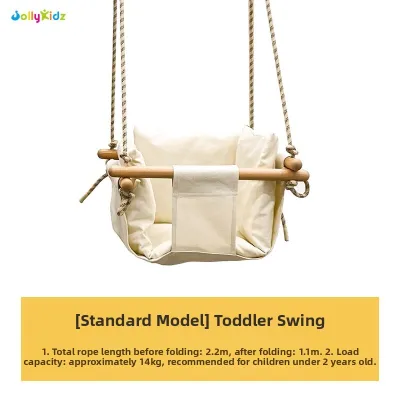
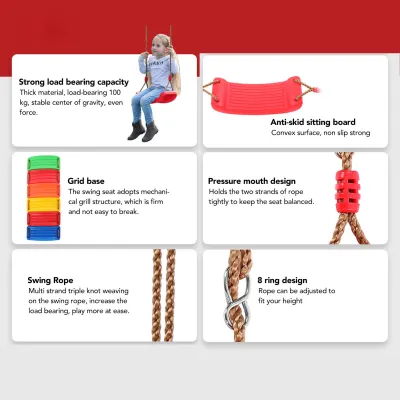
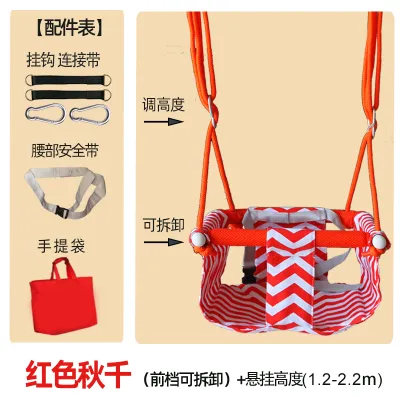
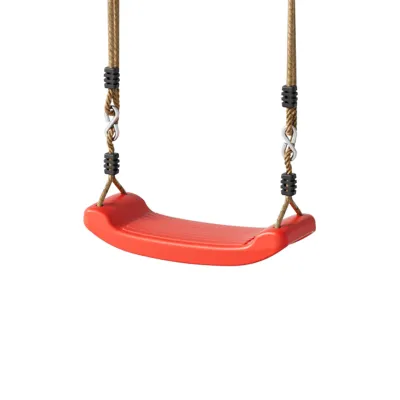
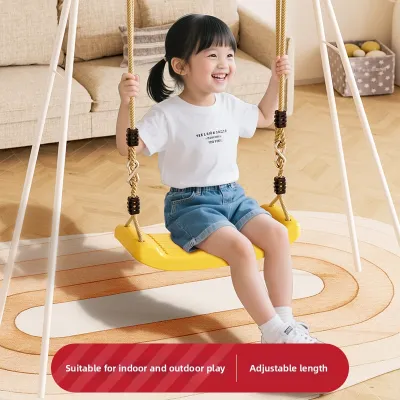
Prices are valid at publication and may change. Please refer to the product page for the latest price.
- A 5-Point Harness System: This restraint secures the shoulders, hips, and crotch, preventing active toddlers from climbing or sliding out.
- A Wide, Stable Base: The frame must have a low center of gravity and a wide footprint (such as a locked A-frame) to prevent tipping during vigorous movement.
- Clear Weight and Age Specifications: The manufacturer must explicitly state the minimum and maximum weight and age limits, which you must cross-reference with your child's current measurements.
- Recognized Safety Certifications: Look for permanent labels indicating compliance with international standards (such as ASTM or EN) and local consumer safety guidelines.
- Pinch-Free Hinges and Joints: All moving parts and folding mechanisms must be covered or designed to prevent small fingers from getting trapped.
While integrated toy bars, music players, and modern fabric patterns are attractive additions, they do not contribute to the physical safety of the swing. Always prioritize structural engineering and secure restraint designs over secondary entertainment features.
Harness and Restraint Systems
5-Point vs. 3-Point Harnesses
A secure harness is the primary defense against falls, which constitute a significant portion of swing-related injuries. A 5-point harness is the gold standard for toddler safety. This system features two straps at the shoulders, two at the hips, and one rising between the legs, all meeting at a central release buckle. This configuration keeps the child’s pelvic area and torso firmly anchored against the backrest, distributing forces evenly in the event of a sudden shift in weight.

In contrast, a 3-point harness only secures the waist and crotch. While a 3-point system may suffice for younger, less mobile infants, it is highly inadequate for toddlers. Toddlers possess the core strength to sit up, lean sideways, or attempt to stand. Without shoulder straps, an active child can easily lean forward and tip themselves out of the seat, or slide underneath the tray or waist bar, creating a severe entrapment hazard.
Buckle Design and Toddler-Proofing
The central buckle must be designed to withstand the persistent curiosity of a toddler. Look for a dual-action or high-force release mechanism. This means the buckle should require a level of finger strength or a specific multi-step coordination that a toddler cannot replicate, yet remains simple enough for an adult to operate quickly in an emergency.
When inspecting the buckle, check the quality of the plastic. It should feel dense and durable, with no sharp edges. In Singapore’s humid climate, cheap plastics can degrade or become brittle over time, increasing the risk of the buckle cracking or failing under tension.
Strap Placement, Padding, and Adjustment
Properly fitted straps are essential to prevent both slips and chafing. The harness must be fully adjustable to accommodate your child’s growth and different clothing thicknesses.
- Snug Fit: You should only be able to fit two fingers flat between the strap and your child's collarbone.
- Comfort Padding: Look for soft, removable pads on the shoulder straps. If the straps pinch or chafe the neck, your child will resist wearing them, tempting you to loosen the harness to an unsafe degree.
- Strangulation Hazards: Ensure that any excess strap length from the adjustment slides can be neatly tucked away or secured so it does not hang loosely within the child's reach.
Frame Stability and Weight Limits
Base Design and Anti-Tip Engineering
The physical footprint of the swing determines how well it resists tipping when your child leans or swings vigorously. Look for frames with a wide, low-profile base. For free-standing indoor swings, an A-frame structure with a secure locking bar is highly stable. The locking bar prevents the frame from accidentally folding inward while the swing is in motion.
If you have polished tile, vinyl, or wood flooring common in Singapore apartments, ensure the base is equipped with non-slip rubber feet. These grips prevent the entire unit from migrating across the floor as it swings, which could lead to collisions with nearby walls or furniture. The center of gravity must remain low and centered, even at the highest swing amplitude.
Understanding Weight Capacity and Structural Limits
Every swing is engineered to support a specific weight range. Exceeding these limits places excessive stress on the frame, joints, and motor (for automated models), which can lead to structural failure or sudden collapse.
- Verify the Label: Always locate the physical sticker or molded text on the frame specifying the maximum weight limit. Never rely solely on generic product names like "toddler swing," which can be misleading.
- Account for Growth: If your child is approaching the upper limit of a swing's weight capacity, it is safer to transition to a larger model or a playground-style bucket swing rather than pushing the limits of an infant-to-toddler hybrid model.
- Motor Safety: For electric swings, overloading the seat strains the motor, which can cause overheating or erratic swinging speeds.
Moving Parts and Pinch Points
Toddlers learn by exploring with their hands, making open hinges and folding joints a major hazard. Carefully inspect the swing’s frame for any areas where small fingers could be pinched or crushed.
- Protective Sleeves: High-quality swings feature plastic guards or fabric sleeves over folding joints and suspension springs.
- Clearance Zones: There must be adequate clearance between the moving seat and the stationary frame legs to ensure that a child's arm or leg cannot become wedged during operation.
- Locking Mechanisms: Any folding joints designed for storage must lock rigidly into the open position with an audible "click" or a secondary manual pin.
Age Appropriateness and Physical Design
Seat Depth and Ergonomic Back Support
The seat bucket must be deep enough to keep the child’s hips securely positioned at the back of the seat. A shallow seat increases the risk of the child sliding forward, placing unnecessary pressure on the crotch strap. The backrest should provide firm support to keep the spine aligned, which is crucial for maintaining open airways.
For younger toddlers who may still experience fatigue during play, a supportive seat prevents slumping. Slumping can cause the chin to drop toward the chest, which can restrict breathing. Ensure the seat contour matches your child’s physical development stage.
Recline Positions and Developmental Stages
Many toddler swings offer adjustable recline positions. While a deep recline is necessary for young infants who cannot support their own heads, toddlers require a more upright position to engage with their surroundings safely.
If the swing features adjustable recline angles, verify that the adjustment mechanism locks securely into each position. It should not slip or shift when you apply downward pressure on the backrest. Always refer to the manufacturer’s instructions regarding which recline angles are certified safe for your child’s specific weight and age.
Material Safety and Non-Toxic Construction
Because toddlers frequently explore objects with their mouths, the chemical composition of the swing’s materials is just as important as its mechanical safety.
- Chemical-Free Plastics: Ensure all plastic components, especially trays and grab bars, are certified free from BPA, phthalates, and heavy metals.
- Breathable, Washable Fabrics: Singapore's tropical heat and high humidity can cause children to sweat during play. Look for breathable fabrics that prevent overheating. The seat cover should be easily removable and machine-washable to prevent the buildup of mold, bacteria, and allergens.
- Secure Toy Attachments: If the swing includes a mobile or toy bar, inspect the attachments. Toys must be securely fastened so they cannot be pulled free and present a choking hazard. Avoid toy bars that obstruct your view of the child or interfere with your ability to lift them out quickly.
Recognized Safety Certifications to Verify
International Testing Standards
Do not rely on a manufacturer’s self-proclaimed safety assertions. Instead, look for evidence of independent testing by recognized standards organizations. The packaging, user manual, or frame should display specific compliance marks:
- ASTM F2088: This is the standard consumer safety specification for infant and cradle swings, covering structural integrity, stability, and restraint system efficacy.
- EN 16232: The European standard for infant swings, which mandates rigorous testing for mechanical hazards, entrapment risks, and structural durability.
- EN 71: The European standard for toy safety, which is relevant if the swing includes integrated toys or activity bars.
Singapore Local Compliance and CPSO Guidelines
In Singapore, consumer products are monitored by the Consumer Product Safety Office (CPSO). While toddler swings may not always carry a specific local registration mark like regulated electrical appliances, they must comply with general consumer safety regulations.
Reputable brands sold through authorized retailers in Singapore will have documentation proving their products meet recognized international standards (like ASTM or EN) that align with CPSO safety guidelines. Avoid purchasing unbranded swings from unregulated online marketplaces, as these products often bypass these critical safety evaluations.
How to Verify Genuine Certifications
To ensure a certification is genuine, look for permanent, non-removable labels directly on the swing frame or stitched into the seat fabric. These labels should display the certification standard number, the manufacturer’s name, and the specific model identifier.
If you are uncertain about a product’s safety record, cross-reference the model number on official manufacturer websites or check global recall databases. A legitimate manufacturer will readily provide safety data sheets or compliance certificates upon request.
Red Flags: When to Walk Away from a Swing
When shopping for a toddler swing, certain warning signs indicate that a product is unsafe or poorly manufactured. If you encounter any of the following red flags, do not purchase the swing:
- Missing or Faded Safety Labels: The absence of a model number, manufacturing date, or safety warning labels on the frame suggests the product may be a counterfeit or has degraded from improper storage.
- Structural Instability: If the frame wobbles, flexes excessively, or creaks when you apply moderate downward pressure, the materials are likely substandard.
- Frayed or Thin Harness Straps: Restraint straps should be thick, tightly woven, and free from loose threads. Thin, ribbon-like straps can twist easily or snap under tension.
- Exposed Mechanisms: Avoid any swing where gears, springs, or folding joints are completely exposed and within reach of a seated child.
- Lack of a Comprehensive User Manual: A safe product always includes detailed, clear assembly instructions, safety warnings, and maintenance guidelines in English. If the manual is missing, vague, or poorly translated, it is a sign of poor quality control.
Frequently Asked Questions (FAQ)
Is it safe to buy a second-hand toddler swing?
Buying a second-hand toddler swing carries significant safety risks and is generally not recommended unless you can verify its complete history. Over time, plastic components can become brittle from UV exposure or humidity, and internal structural joints can weaken without showing visible outward signs of damage.
If you do choose to purchase a pre-owned swing, you must perform a strict safety inspection. Check the model number against active international and local recall databases to ensure it has not been flagged for safety hazards. Verify that all original hardware is present, the harness straps are completely intact without fraying, and the original manufacturer’s instruction manual is included. Never use a second-hand swing that has missing parts or modified components.
Can I leave my toddler to sleep in the swing?
No, you should never allow your toddler to sleep in a swing. Pediatric health organizations and safety authorities strongly advise moving a sleeping child to a flat, firm, and dedicated sleep surface, such as a cot or bed, as soon as they fall asleep.
Swings are designed for supervised play and soothing, not for sleep. When a child sleeps in a seated or semi-reclined position, their head can easily fall forward onto their chest. Because a toddler’s airway is narrow, this position can lead to positional asphyxiation, a silent and life-threatening condition where the airway becomes blocked. Always supervise your child while they are in the swing, and transfer them to a safe sleeping environment immediately if they doze off.
Community discussion
Share your experience or ask a question. Comments are reviewed before publication.