
Quick Answer: Critical Safety Mechanisms for Baby Hair Cutters
Selecting a specialized hair cutter for baby requires prioritizing physical barriers and sensory-friendly mechanics over raw cutting power. The most critical safety features to look for are ceramic blades that remain cool during operation and R-shaped rounded guards that prevent direct skin contact. These physical design elements ensure that even if a baby moves suddenly, the cutting edge does not scrape or puncture the delicate outer layer of the scalp.
Secondary safety features are equally vital to prevent accidental injuries. Low-vibration motors maintain steady hand control for the caregiver, while quiet operation keeps the infant from startling or panicking. While these built-in mechanisms significantly reduce the risk of cuts, no device is entirely risk-free. Safe grooming always requires active caregiver supervision, proper physical positioning, and strict adherence to the manufacturer’s usage instructions.
Blade and Guard Design: The First Line of Defense
An infant’s skin is structurally different from an adult’s, being significantly thinner and highly elastic. This makes the scalp particularly vulnerable to micro-abrasions, friction burns, and deep nicks. To mitigate these risks, the cutting assembly of a baby hair trimmer must be engineered with specialized materials and physical boundaries that isolate the moving parts from the skin.
Products mentioned in this guide
![Philips Baby Hair Clipper Electric Shaver Save Waterproof [HC1066] Low Noise Suitable For 0-12 Years Old](https://img.lazcdn.com/g/p/633d4d4b37f77a64d8cc7f119cb7f649.jpg_400x400q80.jpg_.webp)
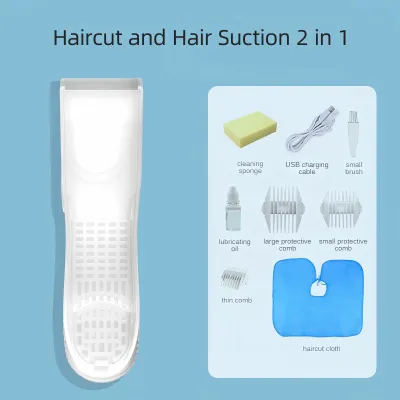
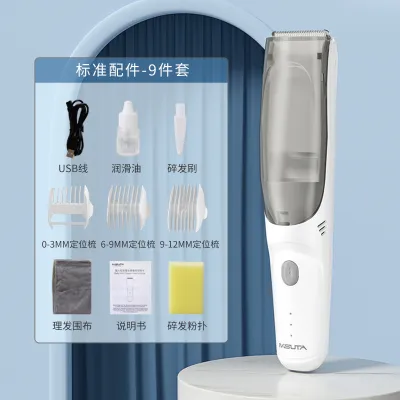
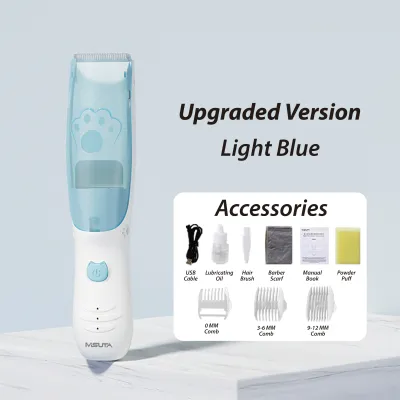
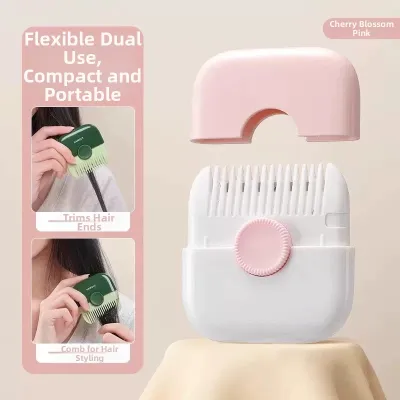
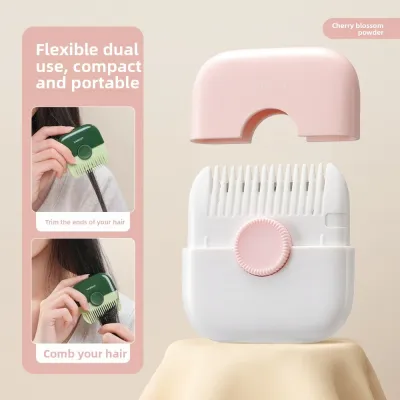
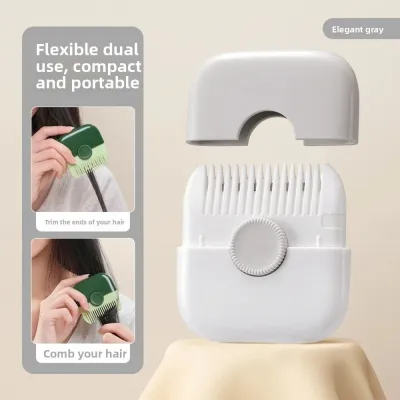
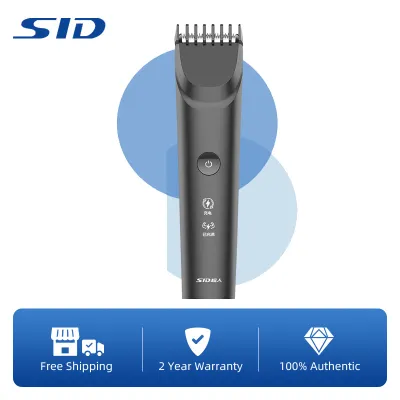
Prices are valid at publication and may change. Please refer to the product page for the latest price.

Ceramic vs. Stainless Steel Blades
When evaluating blade materials, ceramic blades—often made from high-density zirconium dioxide—offer distinct safety advantages for infant grooming. Ceramic is highly wear-resistant and possesses extremely low thermal conductivity. Unlike traditional metal blades, ceramic does not heat up rapidly during prolonged use, eliminating the risk of friction-induced thermal discomfort or mild burns on a baby’s sensitive scalp. Furthermore, ceramic blades glide smoothly through fine, soft baby hair without pulling or snagging the delicate hair shafts.
Stainless steel blades are also common, but they require careful evaluation. If a device utilizes steel blades, they must be paired with high-quality, closely spaced guards to prevent direct skin contact. Steel conducts heat quickly, meaning caregivers must frequently monitor the temperature of the blade head during the haircut. Always check the manufacturer’s technical specifications to verify the blade material and ensure the device is explicitly rated for the age group of your child.
Rounded Guards and Tooth Spacing
External comb attachments and guards act as the primary physical barrier between the moving cutter and the skin. High-quality baby clippers feature an R-shaped, or rounded, tooth design along the edges of the comb. This rounded geometry ensures that if the clipper is held at an angle or accidentally bumped against the scalp, the tips glide smoothly over the skin rather than scratching, poking, or puncturing the epidermis.
Another critical factor is the tooth spacing, or pitch, of both the guard and the blade. Standard adult clippers often have wider gaps that allow the soft, loose skin of an infant to bunch up and bulge into the cutting chamber. Baby-specific clippers utilize tightly spaced teeth to ensure that only hair can pass through to the blade, keeping skin safely isolated. Caregivers must visually inspect all plastic guards for micro-cracks, warping, or missing teeth before every single use, as any structural damage completely compromises these protective barriers.
Motor Performance: Reducing Sudden Movements and Distress
While physical guards protect the skin at the point of contact, motor performance addresses the behavioral and environmental risks of baby grooming. A clipper that vibrates intensely or emits a loud, harsh buzz can turn a routine trim into a hazardous situation by causing physical instability and emotional distress.
Low-Vibration Technology
High-vibration motors transfer rapid mechanical oscillations directly to the caregiver’s hand. Over a ten-minute grooming session, this constant vibration can numb the fingers and cause muscle fatigue, making precise movements difficult. A slight hand slip around highly sensitive areas, such as the ears or the nape of the neck, can easily lead to an accidental nick.
To counter this, specialized hair cutters for infants are engineered with low-vibration motors and internal dampening dampeners. These components absorb the mechanical shock within the casing, ensuring a steady, smooth glide. This stability gives the caregiver superior control, allowing for confident maneuvers even when navigating the curved contours of a small head.
Quiet Operation to Prevent Startling
Infants possess highly sensitive hearing, and loud, unexpected noises can easily trigger a startle reflex or intense fear. A loud buzzing sound near their ears can cause a baby to cry, thrash, or jerk their head suddenly. These unpredictable movements make it exceptionally difficult to maintain a safe cutting angle and increase the risk of injury.
Baby-specific hair cutters are designed to operate at a low decibel level, typically engineered to stay below 50 to 55 decibels. This quiet operation creates a calm, non-threatening sensory environment. By minimizing auditory distress, the baby is much more likely to remain still, allowing the caregiver to complete the haircut safely and efficiently.
Ergonomics and Build: Preventing Slips During Use
An often overlooked aspect of grooming safety is the physical architecture of the clipper body. The device must be designed to fit securely in the caregiver’s hand, allowing for multi-directional movement without the risk of dropping or slipping.
In warm or humid environments, such as Singapore, hand sweat can make smooth plastic casings incredibly slippery. Caregivers should look for clippers featuring textured, rubberized, or elastomeric grip zones. These materials provide a high-friction surface that ensures a firm hold, even if hands are slightly damp from bath time or sweat.
Additionally, the overall weight and balance of the device play a major role in safety. A lightweight, compact clipper reduces wrist strain and allows the caregiver to hold the tool comfortably, much like a pen or a light brush. This maneuverability is essential when navigating the tight spaces behind a baby’s ears.
Many modern baby clippers also feature waterproofing, often carrying an IPX7 rating. While this allows for convenient rinsing and use during bath time, safety must remain the top priority. Caregivers must carefully read the manufacturer’s manual to understand the limits of water exposure. Never submerge a clipper while it is plugged into an electrical outlet, and always ensure the charging port is completely dry before connecting any power cables to prevent electrical hazards.
Safe Usage Boundaries and Caregiver Precautions
Even the most advanced safety features cannot replace cautious technique and proper preparation. Establishing a safe environment and knowing when to pause are critical to preventing grooming mishaps.
- Preparation and State: Only attempt to cut a baby's hair when they are calm, content, or gently distracted. Many parents find success during quiet play, or even while the baby is sleeping. Never force a haircut if the child is crying, highly agitated, or actively resisting, as the risk of accidental movement is too high.
- Skin Tension Technique: Always use your free hand to gently pull the scalp skin flat and taut, particularly around folds behind the ears, the crown, and the creases of the neck. Flattening these areas prevents loose skin from getting caught in the guard teeth.
- Health and Skin Conditions: Before you begin, thoroughly inspect the baby's scalp. If you identify active eczema, cradle cap flare-ups, heat rashes, open scratches, or inflamed bumps, stop immediately. Do not run a clipper over compromised skin, as this can cause pain, bleeding, and introduce bacteria. Consult a pediatrician or healthcare professional for guidance on managing scalp conditions.
- Maintenance and Blade Care: Dull blades do not cut cleanly; instead, they pull and tug on the hair, causing pain and sudden flinches. Follow the manufacturer's instructions for regular cleaning, disinfection, and oiling. Replace the blade assembly immediately if you notice any pulling, uneven cutting, or increased motor noise.
Frequently Asked Questions (FAQ)
Can I use a regular adult hair clipper on a baby?
You should avoid using adult hair clippers on infants. Adult models typically feature wider tooth spacing on the guards, which can allow a baby’s thin skin to enter the cutting path. They also operate with much higher vibration, louder motor noise, and heavier bodies, which can startle the baby and reduce the caregiver’s physical control, significantly increasing the risk of nicks.
How often should I replace the blades on a baby hair cutter?
Blade replacement frequency depends on how often you use the device and the thickness of your baby’s hair. As a general rule, blades should be replaced immediately if they begin to pull or snag the hair instead of cutting it cleanly, or if you notice any physical wear on the blade teeth. Always consult your specific product manual for the manufacturer’s recommended replacement timeline and maintenance guidelines.
Community discussion
Share your experience or ask a question. Comments are reviewed before publication.