
To ensure a toddler swing is safe for your child, you must verify recognized international safety certifications, inspect for a robust multi-point restraint system, evaluate the stability of the base, and ensure the design is free of pinch points and toxic materials. A toddler swing offers fantastic opportunities for sensory play and motor skill development, but because toddlers are active and unpredictable, physical safety must always be your primary consideration.
Navigating the nursery furniture market can feel overwhelming, especially with countless options available on e-commerce platforms and in local shops. This guide walks you through the essential safety standards, physical design features, installation protocols, and usage limits you must check to keep your child secure during playtime.
Understanding Safety Standards and Certification Labels
When evaluating a toddler swing, your first step should always be to look for official compliance marks from recognized national or international safety bodies. These marks are typically located on the product label, the packaging, or within the user manual. Legitimate certifications indicate that the swing has undergone rigorous, independent testing to meet strict safety criteria regarding structural integrity, chemical composition, and mechanical safety.
Products mentioned in this guide
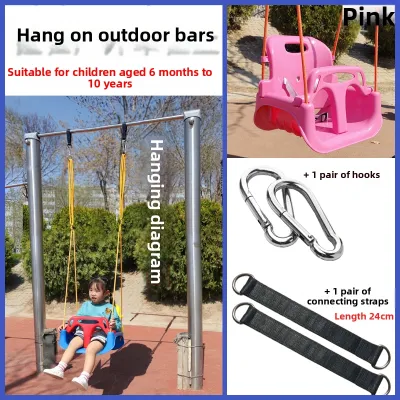
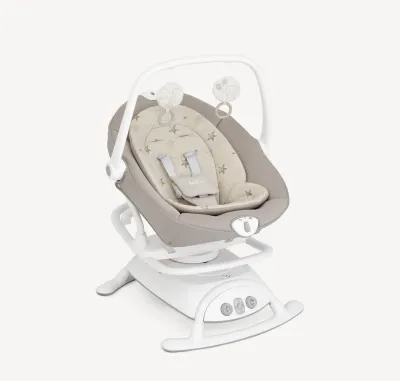
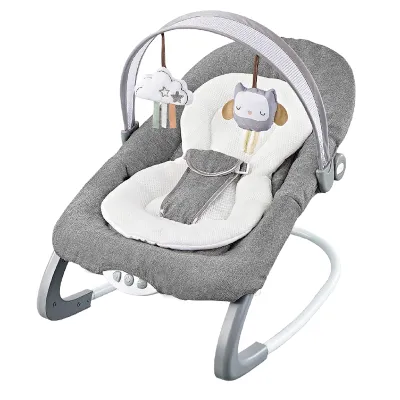
Prices are valid at publication and may change. Please refer to the product page for the latest price.
It is vital to recognize that marketing phrases like “tested for safety,” “child-friendly,” or “pediatrician approved” are not substitutes for formal, verifiable certification marks. These phrases are often self-declared by manufacturers and carry no legal or standardized weight. Instead, look for established certification bodies such as ASTM International (specifically standards like ASTM F2088 for infant and toddler swings), European Standards (EN 71), or local safety marks relevant to your region, such as the Safety Mark in Singapore for any electrical components.
To verify these claims, check the manufacturer’s official documentation or website for specific standard numbers. You can cross-reference these numbers with the physical labels printed on the product itself. If a swing completely lacks clear, traceable safety certification information, or if the manufacturer cannot provide documentation upon request, it is safest to avoid the product entirely.
Critical Physical Safety Features to Inspect
Even when a swing carries the appropriate certification labels, a hands-on physical inspection is your second line of defense. Real-world manufacturing variations can occur, and understanding what makes a swing structurally sound will help you spot potential hazards before your child ever climbs aboard.

Secure Harness and Restraint Systems
An active toddler is constantly moving, leaning, and testing boundaries, making a secure harness the most critical component of the swing’s seat. For toddlers, a multi-point harness—specifically a 5-point harness that secures the shoulders, hips, and crotch—is highly recommended. This configuration prevents the child from wiggling upward, sliding downward, or attempting to stand up while the swing is in motion. A simpler 3-point harness may suffice for older, calmer toddlers, but a 5-point system offers the highest level of security.
When inspecting the harness, physically test the buckle durability. The release mechanism should require enough force or a specific double-action coordination that small hands cannot easily undo it, yet it must remain straightforward for a caregiver to release in an emergency. Check the strap adjustability to ensure you can achieve a snug fit over both thin summer clothes and thicker outfits. Additionally, verify that the straps are wide and made of soft, tightly woven webbing to distribute pressure comfortably without cutting into your child’s skin.
Finally, pay close attention to the crotch strap. This strap must be anchored securely to the seat base and connect directly to the main buckle. Without a reliable crotch strap, a active toddler can easily slide underneath the front tray or lap bar, posing a severe risk of entrapment or falls.
Base Stability and Anti-Tip Mechanisms
For freestanding indoor or outdoor swings, structural stability is paramount to prevent the entire assembly from tipping over during enthusiastic use. Look for a swing designed with a wide, flared base. The footprint of the frame should extend significantly beyond the maximum arc of the swing’s motion to keep the center of gravity low and centered.
Inspect the bottom of the frame for non-slip feet or rubberized grips. These are especially important on smooth flooring surfaces common in modern homes, such as parquet, laminate, or ceramic tiles, as they prevent the swing from “walking” or shifting across the floor while in motion. If you are setting up a larger swing outdoors, look for models that include ground anchors or heavy-duty stakes to secure the frame directly into the lawn or soil.
Before placing your child in the swing, perform a manual stability test. Apply moderate downward and outward pressure to the edges of the seat and the upper frame. The structure should resist wobbling, lifting, or sliding. If the frame flexes excessively or if any of the legs lift off the ground during this test, the swing does not possess adequate stability.
Pinch Points, Edges, and Material Safety
Toddlers explore their environment with their fingers and mouths, which makes the finer details of the swing’s construction incredibly important. Carefully run your hands along all moving parts, hinges, folding mechanisms, and suspension ropes or chains. Ensure there are no open gaps or pinch points where small fingers, clothing, or hair could become trapped or crushed. High-quality swings often feature protective plastic sleeves or fabric covers over chains and joints to eliminate these hazards.
Next, inspect all edges, corners, and seams. Every surface should be rounded, smooth, and free of sharp plastic flashing, splinters, or rough metal welds. Check that all screws, bolts, and fasteners are recessed or capped so they cannot scratch your child or snag their clothing.
Verify that no small parts, decorative elements, or rubber caps can be easily detached, as these present immediate choking hazards. Additionally, look for clear labeling indicating that the materials used are non-toxic. This includes verifying that plastics are BPA-free and phthalate-free, and that any paints, varnishes, or protective coatings are lead-free. Because toddlers frequently lean forward and chew on the front safety bar or tray, verifying chemical safety is just as crucial as verifying structural safety.
Safe Installation and Environmental Boundaries
Creating a safe environment for a toddler swing is just as important as choosing the right model. Before assembling the swing, carefully read the manufacturer’s instructions. If the instructions conflict with your home setup, or if you are unsure about the structural integrity of your walls, ceiling, or outdoor support beams, stop immediately and consult a qualified professional.
When positioning the swing, you must establish a clear safety zone. Ensure there is a minimum clearance space of at least two meters (or the specific distance recommended by the manufacturer) in both the front and back of the swing’s maximum path. This safety zone must be completely free of walls, furniture, glass doors, toys, and high-traffic walkways to prevent accidental collisions.
Place the swing on a flat, level surface. Never rely on uneven rugs, sloped ground, or loose carpeting to support the frame. For indoor setups, consider placing a thick, impact-absorbing play mat underneath and around the swing to cushion potential falls, but verify first that the mat does not compromise the stability of the swing’s non-slip feet. Avoid placing the swing near stairs, open windows, electrical outlets, heaters, or hanging cords from blinds and curtains, which present severe strangulation and fall hazards.
During assembly, use only the exact hardware provided by the manufacturer. Never substitute screws, bolts, or brackets with random hardware store alternatives, as they may not possess the required tensile strength to support a moving load. Once assembly is complete, double-check every connection to ensure all fasteners are fully tightened and the frame is completely rigid.
Usage Limits and When to Stop Using the Swing
Every toddler swing is engineered to operate safely within very specific physical limits. Always refer to the product documentation to verify the maximum weight, height, and developmental stage limits. It is a common mistake to rely solely on age recommendations; a child’s physical size, weight, and motor skills are far more accurate indicators of suitability than chronological age.
As your child grows, monitor their behavior in the swing. If your toddler has reached the maximum weight limit, if their head extends past the top of the seat back, or if they have developed the physical strength to actively climb out of the harness, you must stop using the swing immediately. Continuing to use a swing beyond these limits risks structural failure or a serious fall.
Establish a routine to inspect the swing for wear and tear. Before every use, perform a quick visual check of the harness straps for fraying, the buckle for proper locking, and the seat for any cracks. Once a month, conduct a thorough physical inspection of all structural joints, metal components for rust, and screws for tightness. If you detect any damage, loose parts, or structural degradation, discontinue use immediately and contact the manufacturer for approved replacement parts or professional guidance.
Finally, remember that a toddler swing is designed strictly for awake, supervised play. It is never a safe substitute for a crib, cot, or dedicated sleep space. If your toddler falls asleep in the swing, gently remove them and place them on their back on a flat, firm sleep surface to minimize the risk of airway obstruction.
Frequently Asked Questions (FAQ)
Can I use an indoor toddler swing outdoors?
You should never use an indoor toddler swing outdoors unless the manufacturer explicitly states that the product is rated and certified for exterior use. Indoor swings are not constructed to withstand environmental exposure. Ultraviolet (UV) radiation from sunlight rapidly degrades plastics, making them brittle and prone to cracking under load. Additionally, outdoor humidity and rain can cause untreated metal components to rust and encourage mold growth on indoor fabrics, compromising both the structural integrity and the hygiene of the swing.
Is it safe to leave a toddler sleeping in a swing?
No, it is not safe to leave a toddler sleeping in a swing. When a child sleeps in an upright or semi-reclined position, their head can slump forward, which can compress their windpipe and lead to positional asphyxiation. Additionally, an unsupervised, sleeping child may roll or shift their weight, increasing the risk of falling or becoming entangled in the harness. Swings are designed solely for active, supervised recreation. Always transfer a sleeping toddler to a flat, firm surface that complies with pediatric safe sleep guidelines.
How often should I check the swing for safety?
You should perform a quick visual and physical check of the harness, buckle, and seat before every single use to ensure nothing has shifted or broken. In addition to these daily checks, perform a comprehensive inspection once a month. During this monthly check, examine all structural joints, tighten any loose screws or bolts, inspect metal parts for signs of rust, and check plastic components for stress marks or cracks. A thorough inspection is especially critical if the swing has been moved between rooms, stored away for a period, or subjected to heavy use.
Community discussion
Share your experience or ask a question. Comments are reviewed before publication.