
A complete baby care kit for a newborn is more than just a collection of miniature toiletries; it is a dedicated set of specialized tools designed to safely manage a baby’s rapid physical development and delicate hygiene needs during the first few months. Because a newborn’s skin is exceptionally thin, their nails grow surprisingly fast, and their immune systems are still developing, standard adult grooming tools are entirely unsuitable and can pose significant safety risks.
A well-rounded kit should focus on three core areas: gentle grooming (nail, hair, and oral care), health monitoring (temperature and medicine administration), and respiratory hygiene (nasal clearing). Having these tools organized and ready before bringing your baby home ensures you can address routine grooming tasks and minor discomforts calmly, without frantic last-minute trips to the pharmacy.
When selecting or assembling a baby care kit, parents often look for compact, travel-friendly solutions that can withstand a humid climate while keeping delicate instruments sterile and organized. Whether you choose a pre-assembled set or decide to curate your own, understanding the specific function, safety parameters, and material quality of each tool is essential for protecting your little one’s health and comfort.
Products mentioned in this guide
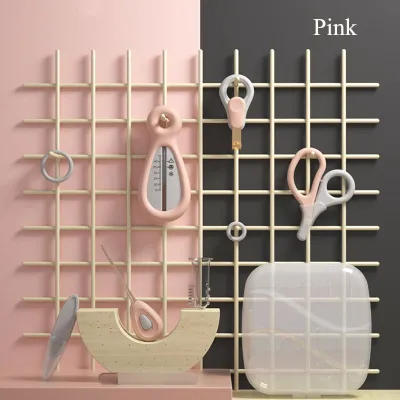
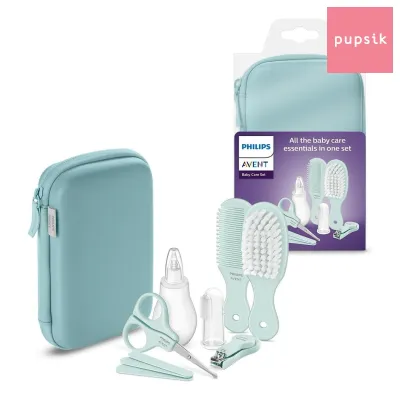
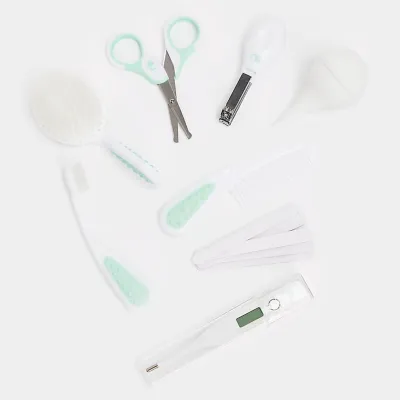
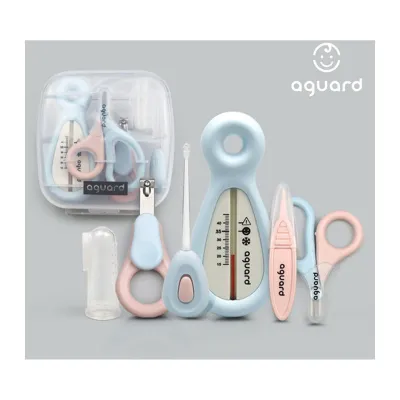
![[Cozy Nest] Deluxe Baby Care Gift Box Set 10-Piece Bundle for Complete Infant Care Includes High-Quality Baby Nail Clippers Gentle Toddler Ear Pick and More](https://img.lazcdn.com/g/p/7450e13654330487ef11fc341e82c564.png_400x400q80.png_.webp)
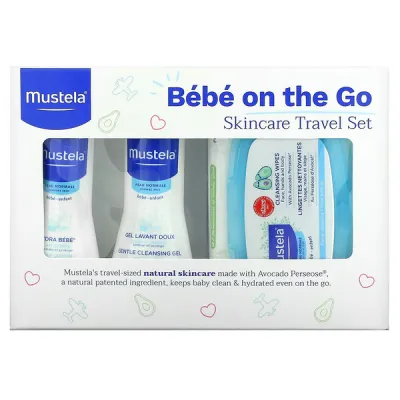
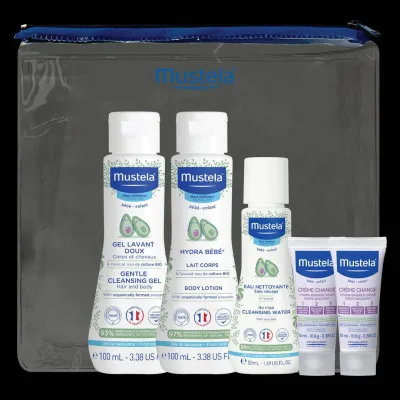
Prices are valid at publication and may change. Please refer to the product page for the latest price.
Essential Grooming Tools Every Newborn Kit Needs
Trimming a newborn’s nails is often one of the most nerve-wracking tasks for new parents. A baby’s fingers are incredibly small, and their natural reflex is to clench their fists, making nail care a delicate operation. To make this process safer, a high-quality baby care kit must feature specialized nail care implements.
Blunt-tipped baby scissors are highly recommended by pediatricians and experienced caregivers. The rounded tips prevent accidental punctures if the baby makes a sudden movement, while the short, thin blades offer excellent visibility and control. This allows you to make precise cuts along the natural curve of the nail.
If you prefer clippers, look for models designed specifically for infants. These often feature an extra-large, ergonomic handle that provides a secure grip for adult hands, reducing the risk of slipping. Some advanced clippers incorporate a built-in magnifying glass or a small LED light to illuminate the tiny nail bed, making it much easier to distinguish between the nail and the sensitive skin underneath.
For parents who are hesitant to use cutting tools, a gentle electric baby nail file is an excellent alternative. These battery-operated devices use soft, rotating cushioned pads to gently buff down sharp nail edges. They are designed to stop rotating automatically if they contact the skin, providing an exceptionally safe and stress-free grooming experience.
Even if your newborn is born with a full head of hair or just a light fuzz, scalp care is an important part of their daily routine. A newborn’s scalp is incredibly delicate, and the fontanelles—the soft spots on the baby’s head where the skull bones have not yet fused—require gentle handling.
A soft-bristle brush is a staple of any newborn kit. Brushes made with natural wool or ultra-soft synthetic bristles are ideal because they gently smooth the hair without scratching the sensitive scalp. Regular, gentle brushing also stimulates the hair follicles, promotes healthy blood circulation, and provides a soothing, sensory experience that can help calm a fussy baby before sleep.
A wide-tooth comb with rounded, ball-tipped teeth is equally important, particularly for managing cradle cap. Cradle cap is a common, non-contagious condition that causes oily, yellowish scales to form on the scalp. To manage this, parents can apply a small amount of baby oil or moisturizer to the scalp, let it sit for a few minutes to soften the scales, and then use the wide-tooth comb to gently lift and remove the flakes. Never scratch or force the scales off, as this can cause irritation or infection.
Establishing oral hygiene habits early is crucial, even before your baby’s first teeth begin to emerge. Milk sugars from breast milk or formula can cling to the gums and tongue, creating a breeding ground for bacteria and leading to oral thrush or early tooth decay once teeth do arrive.
A silicone finger toothbrush is the ideal tool for early oral care. Made from food-grade, BPA-free silicone, this soft sleeve slips over an adult’s index finger, allowing you to gently massage your baby’s gums and wipe away milk residue from their tongue. The textured bumps on the reverse side of the brush can also provide welcome relief to sore gums when teething begins.
For convenient cleaning when away from home, sterile gum wipes are a highly practical addition to your kit. These individually wrapped, single-use wipes are typically pre-moistened with purified water and natural xylitol, which helps inhibit bacterial growth. Using these wipes after feedings helps keep your baby’s mouth clean and familiarizes them with the sensation of oral cleaning, making the transition to a traditional toothbrush much smoother later on.
Health and Hygiene Additions for Complete Care
Newborns are obligatory nasal breathers, meaning they naturally breathe through their noses rather than their mouths for the first few months of life. Because their nasal passages are extremely narrow, even a minor buildup of mucus, dust, or dried milk can cause significant congestion, making it difficult for them to feed or sleep comfortably.

A nasal aspirator is an indispensable tool for clearing these blockages. While traditional rubber bulb syringes are common, they can be difficult to clean and dry thoroughly, which can lead to mold and bacterial growth inside the bulb. A manual nasal aspirator, which uses a mouthpiece for parental suction, offers a much more hygienic and controllable solution.
These aspirators feature a soft, flexible silicone tip that rests gently at the entrance of the baby’s nostril, creating a seal without entering deep into the nasal passage. A chamber in the middle houses a replaceable hygiene filter that blocks the transfer of mucus and germs to the parent. When using a nasal aspirator, applying a drop of sterile saline solution to each nostril beforehand can help loosen stubborn mucus, making the extraction process much easier and more comfortable for your baby.
A fever in a newborn is a serious symptom that requires immediate medical evaluation. Because an infant’s body temperature can fluctuate rapidly, having a highly accurate and reliable digital thermometer in your care kit is absolutely essential.
When evaluating thermometers for a newborn kit, prioritize reading speed and display clarity. A thermometer that takes too long to register a temperature can be difficult to use on a crying, restless baby. Look for digital models that provide a reading within a few seconds and feature a clear, backlit screen that is easy to read in a darkened nursery.
While forehead and ear thermometers are convenient for older babies, pediatricians generally recommend rectal temperature readings for infants under three months of age, as this provides the most accurate measurement of core body temperature. A digital thermometer with a flexible, soft tip and a built-in safety guard is ideal for this purpose, ensuring you cannot insert the probe too far. Always clean the thermometer thoroughly with rubbing alcohol before and after each use.
Administering liquid vitamins, supplements, or prescribed medications to a newborn requires high precision. Standard household spoons are highly inaccurate and should never be used, as they can easily lead to under-dosing or dangerous over-dosing.
A complete baby care kit should include a dedicated oral medicine syringe or a calibrated dosing spoon. These tools must feature clear, bold, and fade-resistant measurement markings in milliliters (ml) to ensure you can measure the exact dose prescribed by your pediatrician.
Many modern medicine dispensers feature a soft silicone nozzle that mimics a bottle nipple, which encourages the baby to suck naturally while you slowly administer the liquid. This design helps direct the medication toward the inside of the baby’s cheek rather than the back of the throat, significantly reducing the risk of choking, gagging, or spitting up the dose. Always administer medication slowly and with the baby in a semi-upright position.
How to Evaluate Safety, Materials, and Build Quality
When choosing a baby care kit, the quality of the materials used is just as important as the selection of tools. Because these items will come into direct contact with your baby’s sensitive skin, mouth, and nasal passages, you must verify that they are completely safe and free from harmful chemicals.
Ensure that all plastic and silicone components are certified BPA-free, phthalate-free, and latex-free. These chemicals are commonly found in cheaper plastics but can leach out over time, posing potential health risks to developing infants. Look for food-grade silicone for items like finger toothbrushes and aspirator tips, as this material is naturally hypoallergenic, durable, and resistant to bacterial growth.
For metal tools, such as nail scissors and clippers, high-quality, rust-resistant stainless steel is the gold standard. Stainless steel is highly durable, easy to sanitize, and maintains its sharp edge over time, ensuring clean cuts without tearing the nail. In warm and humid climates, rust resistance is particularly crucial to prevent corrosion and maintain hygienic standards during storage.
A tool is only safe if you can maintain complete control over it during use. Newborns are unpredictable and can squirm or kick without warning, making ergonomic design a critical safety feature.
Inspect the handles of all grooming tools for secure, non-slip grips. Look for rubberized coatings or textured surfaces that provide a firm hold, even if your hands are wet after bath time. Scissors should have large finger loops to accommodate adult hands comfortably, and clippers should have a wide, stable base to prevent slipping.
Additionally, check that every tool has rounded edges and blunt tips. Scissors must never have sharp points, and combs should feature smooth, rounded teeth that will not scratch the baby’s delicate scalp. Protective caps or dedicated storage slots for sharp implements are also essential to keep the tools clean and prevent accidental cuts when reaching into the kit.
Baby grooming tools are frequently exposed to moisture, oils, and bodily fluids, making them susceptible to bacterial growth if not cleaned properly. Before purchasing a kit, evaluate how easy each tool is to clean and sanitize.
Check the manufacturer’s instructions to determine which items are dishwasher-safe or compatible with steam sterilization. Silicone finger brushes and manual nasal aspirator tips should ideally be able to withstand high temperatures for thorough sanitization. For items that cannot be boiled or steamed, such as digital thermometers or wooden brushes, look for designs with minimal crevices where dirt and moisture can accumulate. These should be easy to wipe down thoroughly with isopropyl alcohol or warm, soapy water.
Pre-Assembled Kits vs. Building a Custom Baby Care Kit
One of the first decisions parents face is whether to purchase a pre-assembled baby care kit or build a custom set from scratch. Pre-assembled kits are widely available on online marketplaces and in baby specialty stores, offering a convenient, all-in-one solution at a relatively low upfront cost.
The primary advantage of a pre-assembled kit is convenience. It takes the guesswork out of shopping, providing a coordinated set of tools housed in a custom-fitted case. This ensures that everything has a designated spot, making it easy to keep organized and pack for travel.
However, the downside of these pre-packaged sets is the potential for “filler” items. Parents often find that while the nail clippers and brush are excellent, the included thermometer might be slow to read, or the nasal aspirator may not offer the desired level of suction. You may end up replacing several components of a cheap bundle, ultimately spending more than if you had purchased high-quality items individually.
Building a custom baby care kit allows you to select the most appropriate tool for each specific task. You can choose a highly rated digital thermometer from a trusted medical brand, a specialized nasal aspirator with replaceable filters, and ergonomic nail scissors that fit your hand comfortably.
While sourcing these items individually requires more time and research, it ensures that every tool in your nursery is highly functional, durable, and tailored to your preferences. This approach also allows you to skip items you may not need immediately, focusing your budget on high-quality essentials that will last throughout your baby’s infancy and toddlerhood.
Regardless of whether you buy a pre-assembled kit or build your own, how you store these tools is incredibly important. A good storage case keeps sharp tools protected, delicate instruments clean, and everything organized so you can find what you need in an emergency.
Look for a storage case made from durable, easy-to-clean materials like water-resistant nylon or hard-shell plastic. The interior should feature secure elastic bands, mesh pockets, or molded compartments to prevent items from shifting and clashing during travel.
A compact, lightweight design is essential for portability, allowing you to easily slip the kit into your diaper bag for outings, weekend trips, or visits to the pediatrician.
Frequently Asked Questions (FAQ)
When should I start using grooming tools on my newborn?
You can begin using certain grooming tools almost immediately after birth, depending on your baby’s individual needs. A newborn’s nails are often long and sharp at birth, but they are also very soft and adhered to the underlying skin. During the first week or two, it is often safest to use a gentle emery board to file down sharp edges rather than clipping them. Once the nail bed hardens slightly, usually around two to three weeks of age, you can transition to blunt-tipped baby scissors or specialized clippers.
Hair brushing can begin from day one, even if your baby has very little hair. Using a soft-bristle brush helps soothe your baby, stimulates the scalp, and can prevent the buildup of cradle cap. Always observe your baby’s comfort levels; if they resist or show signs of irritation, pause the activity and try again when they are calm.
How often should I replace the tools in my baby care kit?
The replacement schedule for baby grooming tools depends heavily on the frequency of use, material quality, and maintenance. Metal tools like nail clippers and scissors should be inspected regularly for signs of dullness or rust; if they begin to tear the nail rather than cutting it cleanly, they must be replaced immediately to avoid injuring the baby’s skin.
Brushes with natural bristles may degrade or shed over time, and plastic combs can develop sharp burrs if dropped or damaged. Replace these items if you notice any loose bristles or rough edges.
For hygiene-sensitive tools, replace nasal aspirator filters after every single use to prevent bacterial contamination. Digital thermometer batteries should be checked periodically, and the device itself should be replaced if it displays inconsistent readings or fails to calibrate properly. Always consult the manufacturer’s guidelines for specific replacement intervals and safety warnings.
Community discussion
Share your experience or ask a question. Comments are reviewed before publication.