
When your child finishes their swimming lessons, managing their soaked swimwear, damp towels, and dripping goggles can quickly become a messy challenge. A reliable waterproof wet bag must have a truly impermeable lining, such as thermoplastic polyurethane (TPU), secure leak-proof closures like water-resistant zippers or roll-top snaps, and adequate capacity to hold heavy, water-logged towels alongside swimwear without leaking onto dry clothes. Investing in a dedicated wet bag ensures that dampness and strong chlorine odors remain securely contained, protecting the rest of your child’s belongings during the commute home.
Using a dedicated wet bag is far superior to relying on single-use plastic bags or standard backpacks. Discarded plastic grocery bags tear easily, offer minimal protection against odors, and contribute to environmental waste. Standard fabric backpacks, on the other hand, quickly absorb moisture, leading to damp patches on the exterior, ruined school books, and a persistent musty smell that is difficult to eliminate.
For families commuting via public transit or carpooling, a leaky bag can easily stain car seats or drip onto other passengers. A high-quality wet bag acts as a reliable barrier, keeping moisture locked inside so you can confidently toss the bag into a larger school backpack or stroller basket. By choosing a bag specifically designed for wet gear, you simplify the post-swim transition and teach your child clean, organized habits.
Products mentioned in this guide
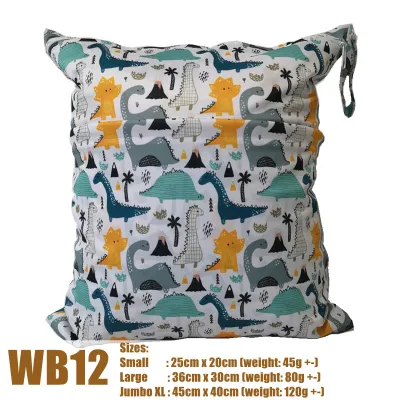
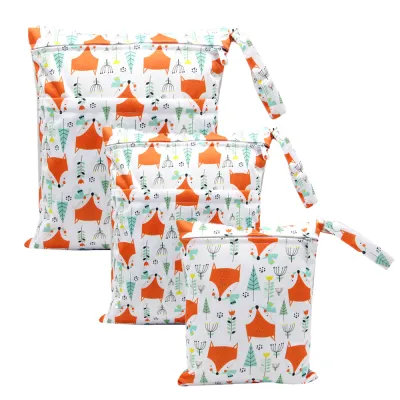
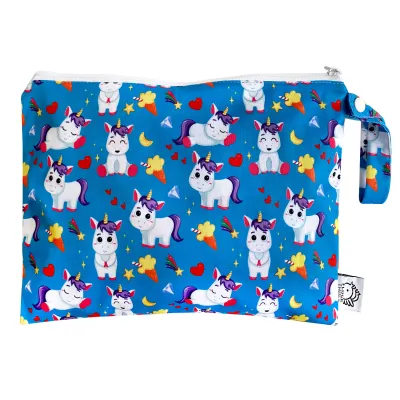


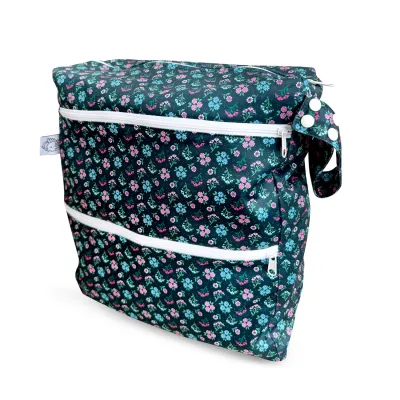
![[Local Shop] Reusable Plain Waterproof Wet Bag Nappy Diaper Nursery Nursing Maternity Childcare Infantcare Mummy Wetbag](https://img.lazcdn.com/g/p/ec62556872de87c5bf97137f364848d5.jpg_400x400q80.jpg_.webp)
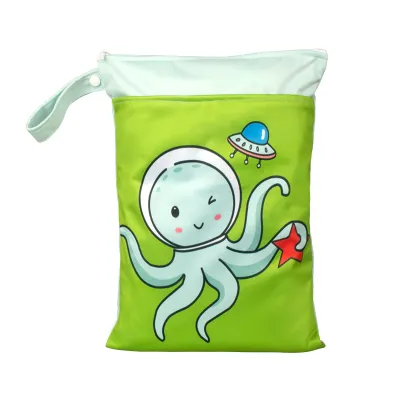
Prices are valid at publication and may change. Please refer to the product page for the latest price.
Essential Features for a Kids' Waterproof Wet Bag
Selecting the right wet bag involves balancing several practical features to ensure it performs well under wet conditions. The ideal bag must offer true waterproofing, sufficient volume to accommodate bulky swim gear, secure closures that prevent leaks, and smart organizational compartments. Understanding how these features interact will help you select a bag that stands up to weekly swimming lessons and active pool days.
Material and Waterproofing Performance
The foundation of any effective wet bag lies in its fabric and construction. Most high-quality wet bags feature an outer layer made of durable polyester or nylon, paired with an inner lining made of Thermoplastic Polyurethane (TPU) or Polyethylene Vinyl Acetate (PEVA). TPU is highly favored for children’s gear because it is lightweight, flexible, and exceptionally durable, resisting cracks and peeling even after repeated washings. PEVA is another PVC-free alternative that provides a reliable waterproof barrier without the use of harmful chlorine compounds.
It is crucial to distinguish between water-resistant fabrics and fully waterproof construction. Water-resistant materials are designed to repel light splashes or brief exposure to moisture, but they will eventually leak when subjected to the pressure of a soaked towel or swimsuit. True waterproofing requires not only impermeable fabrics but also sealed or taped seams. Standard stitched seams leave tiny needle holes where water can gradually seep through, especially when the bag is compressed inside a larger backpack.
When shopping, always check the manufacturer’s specifications and care labels for details on lining durability and seam construction. Look for terms like “heat-sealed seams” or “taped seams” to ensure the bag is built to contain standing water. Avoid relying solely on generic marketing terms like “leak-proof” without verifying the underlying materials and construction methods.
Size and Capacity for Swim Gear
Choosing the correct size depends heavily on your child’s age, the type of gear they use, and how much gear they need to carry. A bag that is too small will force you to cram wet items inside, putting stress on the seams and zippers, while an oversized bag can be unnecessarily bulky for a young child to manage independently.
Small Wet Bags (approx. 20 x 30 cm)
- Best For: Toddlers and young children who only need to pack a small swimsuit, a swim cap, and a pair of goggles.
- Limitations: These bags cannot accommodate a towel or a change of clothes, meaning you will need a separate bag for dry items.
Medium to Large Wet Bags (approx. 30 x 40 cm or larger)
- Best For: Older children and independent swimmers who need to carry a swimsuit, a thick cotton or microfiber towel, goggles, flip-flops, and a complete change of dry clothes.
- Key Advantage: Offers ample space to prevent overcrowding, ensuring that wet and dry items can be managed comfortably in one trip.
Remember that wet towels and swimwear take up significantly more physical space and weigh much more than they do when dry. A plush cotton towel can easily double in volume and weight once saturated with pool water. When planning capacity, always size up slightly to accommodate this post-swim bulk, ensuring your child does not have to struggle to zip the bag closed at the end of their lesson.
Closure Mechanisms for Leak and Odor Control
The closure system is the primary line of defense against leaks and escaping odors. If the closure is weak, even the most waterproof fabric will fail when the bag is tipped over or squeezed. Parents should evaluate the trade-offs of different closure types:
- Water-Resistant Zippers: These feature a specialized coating over the zipper teeth to block water from passing through. They provide a sleek, low-profile closure that is highly effective at containing moisture, though they can sometimes be slightly stiffer for very young children to slide open and closed.
- Standard Zippers with Storm Flaps: These use a regular zipper protected by an overlapping fold of waterproof fabric. While they are very easy for kids to operate, they are not completely airtight and may leak if the bag is turned upside down with standing water inside.
- Drawstring Closures: Often found on simple sack-style bags, drawstrings are incredibly easy to open quickly. However, they do not provide a tight seal, making them prone to leaking if the bag is jostled, and they offer almost no containment for strong chlorine odors.
- Roll-Top Snaps: Borrowed from outdoor dry bags, this design requires you to roll the top of the bag down several times before clipping a buckle together. This creates an exceptionally secure, airtight seal that prevents any water from escaping and completely locks in strong chlorine smells.
For kids’ swimming lessons, containing the pungent smell of chlorine is just as important as preventing physical drips. An airtight closure ensures that the damp, chemical smell does not permeate your car trunk or school locker, keeping the surrounding environment fresh.
Compartments and Organization
A single open compartment can quickly become a chaotic mess of wet and dry items. To maintain order, look for wet bags that offer smart organizational features designed to keep clean clothes pristine.
Dual-compartment wet bags, often marketed as “wet/dry bags,” feature two distinct sections. One compartment is lined with waterproof material to hold wet swimsuits and towels, while the other is made of standard, breathable fabric designed for dry clothes, clean underwear, and a hairbrush. This dual design allows your child to carry everything they need for their lesson in a single, compact bag without any risk of cross-contamination.
If you opt for a single-compartment bag, look for models that include small internal mesh pockets or external zippered pouches. These smaller pockets are invaluable for securing easily lost items like silicone swim caps, earplugs, nose clips, and goggles. Keeping these small accessories separate prevents them from getting buried at the bottom of a wet bag, where they are prone to getting damaged or misplaced in the rush of the changing room.
Portability and Handling: Straps and Carrying Options
How the wet bag is carried plays a major role in its daily usability, especially in a wet, slippery poolside environment. The right strap configuration can make the difference between a bag that is easy to manage and one that constantly ends up on the floor.

Wrist Straps and Grab Handles
- Best For: Quick transfers from the pool deck to the showers. A short, sturdy loop allows you or your child to carry the bag with a couple of fingers, keeping it clear of puddle-strewn floors.
Adjustable Shoulder Straps
- Best For: Hands-free carrying over longer distances. This is particularly helpful for parents who are carrying a tired toddler in their arms or managing multiple bags at once.
Backpack-Style Straps
- Best For: Promoting independence in older children. Lightweight drawstring backpacks with waterproof linings allow kids to shoulder their own gear comfortably, leaving their hands free to hold handrails or navigate public transport safely.
Many high-quality wet bags feature snap-button handles or integrated carabiner loops. These are incredibly practical for poolside use, allowing you to clip the wet bag directly onto a stroller handlebar, a poolside wire fence, or a changing room locker hook. By hanging the bag up, you prevent it from sitting in standing water or picking up dirt from the floor, keeping the exterior clean and dry.
When choosing a carrying style, consider your child’s developmental stage. Younger children benefit from simple snap handles that parents can easily attach to a diaper bag or stroller. Older children, who are learning to take responsibility for their own swim gear, generally prefer a dedicated backpack-style wet bag that fits comfortably on their shoulders and makes them feel like confident, independent swimmers.
Beyond the Pool: Cross-Scenario Versatility
While you may purchase a wet bag primarily for swimming lessons, a high-quality, durable bag offers excellent versatility across many other everyday scenarios. Investing in a well-made bag means you can repurpose it throughout the year, maximizing its value and reducing household clutter.
During the school week, a wet bag is perfect for daycare or preschool use, serving as a secure container for soiled clothes, muddy outdoor gear, or wet paint smocks. If you are practicing cloth diapering, these bags are excellent for containing wet diapers and wipes while on the go, keeping odors completely locked away until you return home.
On weekends and family holidays, the wet bag transitions seamlessly into a travel organizer. It is ideal for beach trips, where it keeps fine sand from invading your clean clothes while holding damp towels and sandy toys. When packing suitcases for family trips, you can use the bag to organize toiletries, protect clean clothes from accidental shampoo spills, or store dirty laundry and damp shoes.
While some swim-specific wet bags feature highly sporty aesthetics or bright cartoon prints that might not suit formal travel settings, their functional utility remains incredibly high. Choosing a neutral pattern or a classic solid color can make the bag even more versatile, allowing parents to use it for their own gym gear or travel needs when the kids are not swimming.
Care and Maintenance Tips for Longevity
To keep your wet bag hygienic, odor-free, and performing at its best, establishing a consistent care routine is essential. Proper maintenance prevents the buildup of mold and mildew while preserving the integrity of the waterproof lining.
Immediately after returning home from a swimming lesson, empty the wet bag. Leaving damp swimwear and towels sealed inside a dark, warm bag for extended periods creates the perfect environment for mold, mildew, and bacteria to thrive. Once empty, rinse the interior of the bag with clean, cool water to remove chlorine, saltwater, sand, or pool chemicals that can slowly degrade the TPU or PEVA lining over time.
Always refer to the manufacturer’s care label before washing the bag. Most wet bags can be hand washed or machine washed on a gentle cycle using cool water and a mild detergent. Avoid using fabric softeners, bleach, or harsh stain removers, as these chemicals can break down the waterproof coating and dissolve the adhesive used to seal the seams.
When it comes to drying, air-drying is the safest and most effective method. Turn the bag completely inside out and hang it in a well-ventilated area away from direct, intense sunlight. Never place a wet bag in a high-heat clothes dryer, and do not iron it. Excessive heat can melt the TPU lining, warp the zippers, and peel away the seam tape, permanently destroying the bag’s waterproof capabilities. By taking these simple precautions, you ensure the bag remains leak-free and ready for your child’s next pool adventure.
Frequently Asked Questions (FAQ)
Can I put a wet towel and a dry change of clothes in the same wet bag?
While you can physically fit both into a single-compartment bag, doing so will cause the moisture from the wet towel to transfer to your clean clothes, leaving them damp and smelling of chlorine. To keep your dry clothes completely fresh, use a dual-compartment wet/dry bag with a dedicated waterproof barrier, or pack your clean items in a separate dry bag.
How do I get the chlorine smell out of a wet bag?
To neutralize stubborn chlorine odors, empty the bag and rinse it thoroughly with clean water after every use. If the smell persists, wash the bag according to the manufacturer’s instructions using a mild detergent, and let it air-dry completely inside out in a well-ventilated space. If permitted by the care label, a gentle rinse with a highly diluted white vinegar and water solution can also help eliminate deep-seated odors.
Community discussion
Share your experience or ask a question. Comments are reviewed before publication.