
To compare sling carrier brands effectively, you must look beyond aesthetic designs and focus on how the carrier’s physical specifications support your baby’s developing anatomy while protecting your own posture. An ergonomic sling carrier must facilitate a natural, developmental position for the baby while distributing their weight evenly across your shoulders, back, and hips. Evaluating key structural elements—such as seat adjustability, strap configurations, and fabric properties—allows you to identify which brand offers the best physical support for your family’s daily routine.
Core Ergonomic Specifications to Evaluate First
Before comparing specific brand names, it is helpful to establish a baseline checklist of essential ergonomic features. The primary goal of any ergonomic carrier is to support the baby’s natural “M-position,” where the knees are aligned slightly higher than the bottom, and the hips are spread comfortably. Achieving this position requires a seat width that adjusts to provide continuous support from one knee crease to the other.
Additionally, you must evaluate how the carrier manages weight distribution for the wearer. This involves analyzing the relationship between shoulder strap width and padding thickness, as well as checking the adjustability of the fastening mechanisms. A carrier that fits one caregiver perfectly may require significant adjustment to safely support another, making highly adaptable straps and buckles a critical starting point for your comparison.
Products mentioned in this guide
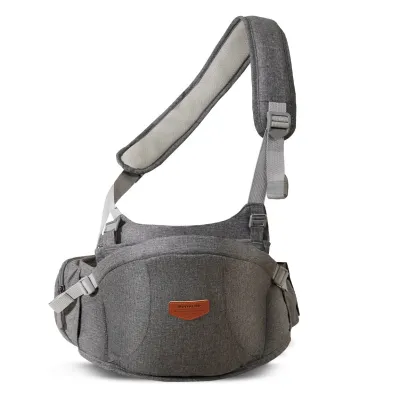
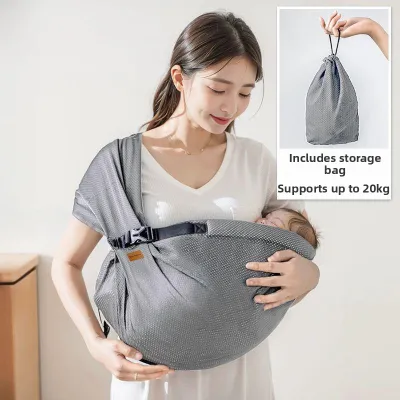
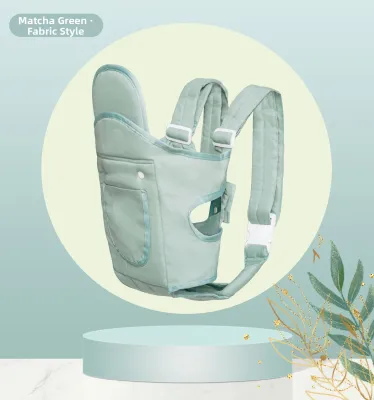
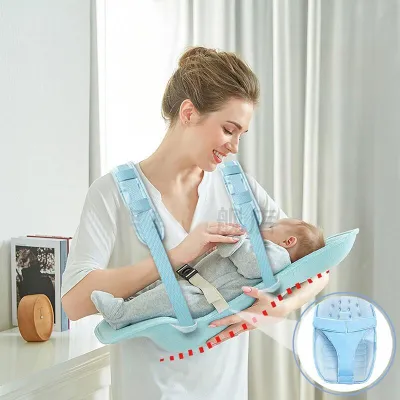

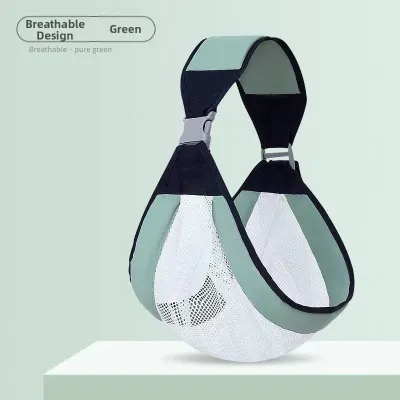
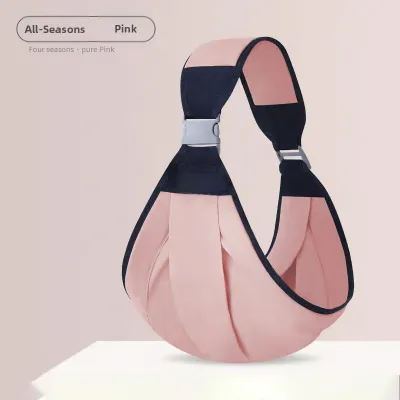
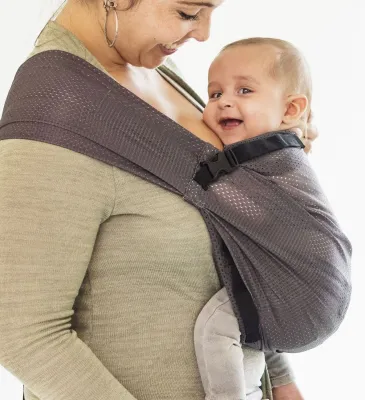
Prices are valid at publication and may change. Please refer to the product page for the latest price.
Shoulder Strap Specs: Balancing Padding and Weight Distribution
When comparing brands, do not assume that thicker shoulder padding automatically translates to greater comfort. Thick, narrow padding can concentrate the baby’s weight onto a small area of your shoulder muscles, leading to localized fatigue over long periods. Conversely, wide, unpadded fabric straps—often found in traditional ring slings or wrap-style carriers—can be spread flat across the entire shoulder joint, distributing the weight over a much larger surface area to reduce strain.

The adjustability range of the shoulder straps is another crucial specification to verify. Look for carriers with smooth-sliding adjustment rings or buckles that allow you to tighten the fabric with one hand. Ensure the maximum and minimum strap lengths accommodate your specific body frame; a carrier with limited strap adjustment may leave a petite caregiver with a loose, sagging fit, or pinch a plus-size caregiver.
Strap configurations also play a major role in preventing neck and upper back discomfort. Cross-back (X-strap) designs naturally pull the baby’s weight closer to your center of gravity, which helps prevent you from leaning backward to compensate. Parallel (H-strap) designs rely on a chest strap to keep the shoulder straps from slipping off; if you choose this style, verify that the chest strap can be adjusted vertically to sit comfortably across your upper back.
Seat and Rail Dimensions: Ensuring the Ergonomic M-Position
The seating area is the foundation of your baby’s physical safety and comfort in a sling carrier. To ensure proper hip development, the seat base must offer true knee-to-knee support, preventing the baby’s legs from dangling straight down. When comparing carriers, look for models that allow you to measure or adjust the seat width to match your baby’s current developmental stage, ensuring their thighs are fully supported.
The edges of the seat, known as the rails, require careful inspection. Look for brands that incorporate soft, rolled padding along these fabric edges. Without adequate rail padding, the tension of the fabric can press tightly against the back of your baby’s knees, potentially restricting circulation or causing skin chafing, especially during warm-weather outings.
As your baby grows, their seating requirements will change rapidly. A fixed-width seat will only provide an ergonomic fit for a short window of time. Prioritize carriers that feature built-in seat depth and width adjustability, such as internal hook-and-loop tabs, button adjusters, or sliding tracks, which allow you to expand the seat dimensions gradually to maintain the M-position from infancy through toddlerhood.
Fabric and Waistband Specs: Support, Structure, and Breathability
The material of the sling carrier dictates both its structural support and its thermal comfort. High-quality carriers typically utilize woven fabrics with a slight diagonal stretch, often referred to as cross-weave. This specific weave allows the fabric to mold snugly around the baby’s curved spine while maintaining excellent rebound, ensuring the material does not sag or loosen under the baby’s weight over time.
In warm, humid climates like Singapore, breathability is a primary comfort factor for both caregiver and child. When comparing brands, look for fabric specifications that highlight lightweight linen, organic cotton, or integrated mesh panels. These materials facilitate airflow and help wick away moisture, reducing the risk of heat rash and keeping both of you comfortable during outdoor walks.
For structured or hybrid sling carriers, the waistband is the primary tool for relieving shoulder strain. A wide, firm waistband helps transfer a significant portion of the baby’s weight directly to your hips. Check the product specifications for high-density foam padding within the waistband, which prevents the fabric from folding, rolling down, or digging into your abdomen when you sit down.
How to Verify Ergonomic Claims on Product Labels and Tags
Marketing materials frequently use the word “ergonomic” without standardized proof, making it essential to verify these claims yourself. Start by examining the physical product tags or official user manuals for certified weight limits and age recommendations. Look for official seals or recognitions from recognized international hip-health organizations, which indicate the carrier’s design has undergone independent evaluation for infant hip safety.
Before placing your baby in any carrier, perform a manual physical fit test. Lay the carrier flat and check the shape of the seat; it should naturally form a deep, cup-like pocket rather than a flat band of fabric. Pull firmly on the straps and rings to ensure the fastening mechanisms hold their tension securely without slipping under pressure.
Once your baby is in the carrier, remain vigilant for physical signs that indicate a poor ergonomic fit. If you notice deep red marks on your baby’s thighs, or if their chin is pressed down against their chest, stop using the carrier immediately and adjust the tension. Similarly, if you experience persistent lower back, neck, or shoulder pain, the carrier may be adjusted incorrectly or may not align with your body’s proportions.
Frequently Asked Questions (FAQ)
Do I need a specialized newborn insert for an ergonomic sling carrier?
Whether you need an insert depends entirely on the carrier’s minimum weight specification and seat design. Always check the manufacturer’s label for the minimum weight limit; some carriers feature adjustable seats that can be narrowed sufficiently to support a newborn’s natural leg spread without an extra insert. If an insert is required, ensure it positions the baby high enough so their head is easily visible and close enough to kiss, while keeping their airway completely clear. Transition out of the insert only when your baby meets the minimum weight and developmental milestones specified by the manufacturer.
Are wider shoulder straps always better for ergonomic support?
While wider shoulder straps excel at distributing weight across a larger surface area, they are not universally superior for every body type. Extremely wide straps can sometimes restrict your shoulder joint mobility or cause uncomfortable chafing under the arms, particularly for caregivers with narrower frames. The key to comfort is proper strap placement; the fabric should rest flat across your collarbone and the middle of your shoulder rather than riding up against your neck. Adjusting the strap tension correctly prevents the fabric from pulling outward, which can cause muscle strain.

Community discussion
Share your experience or ask a question. Comments are reviewed before publication.