
Selecting a hip seat for baby requires focusing on how the carrier supports your child’s developing skeletal system while protecting your own back. The primary ergonomic feature to look for is a design that naturally guides your baby’s hips into a wide, spread-squat position, often referred to as the M-shape. This positioning ensures that the baby’s thighs are supported from knee to knee, reducing the strain on still-developing hip joints.
Beyond baby positioning, a high-quality carrier must distribute weight evenly across your shoulders and hips. In warm, humid climates, selecting a carrier with breathable, lightweight fabrics is equally essential to prevent overheating during outdoor walks. By prioritizing structural support, adjustable components, and verified safety labels, you can find a carrier that keeps your baby comfortable and secure.
The Seat Design: Angle, Width, and Surface Texture
The physical structure of the seat base is the foundation of proper hip alignment. When evaluating a hip seat for baby, look closely at the seat’s angle. Many ergonomic models feature a slight upward tilt, typically between 15 and 30 degrees, which helps pull the baby’s pelvis closer to your body. This tilt prevents the baby’s bottom from sliding outward, ensuring they remain seated deeply in the carrier rather than dangling from the crotch.
Products mentioned in this guide
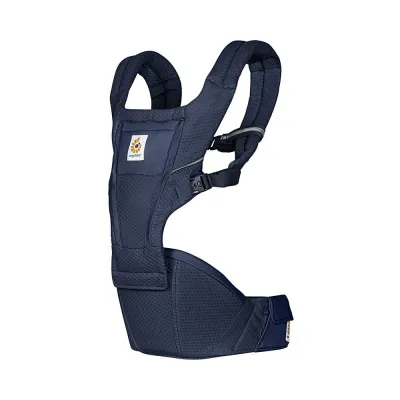
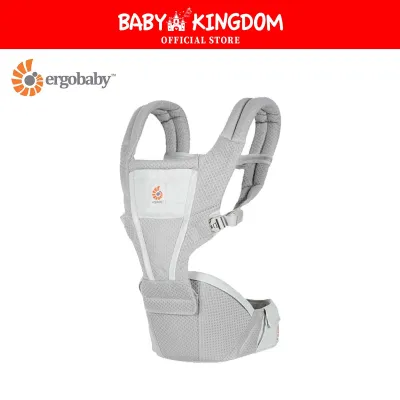
![[Ready stock]Ergo baby Alta Hip Seat Baby Carrier](https://img.lazcdn.com/g/p/2c179e746e091486e346c48507f7eabb.jpg_400x400q80.jpg_.webp)
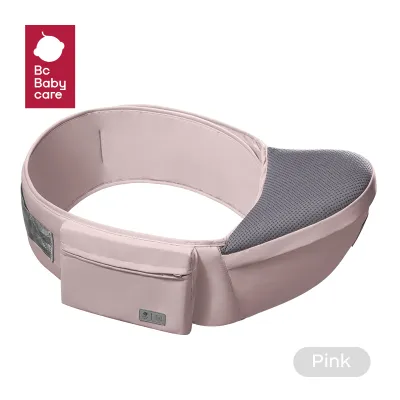
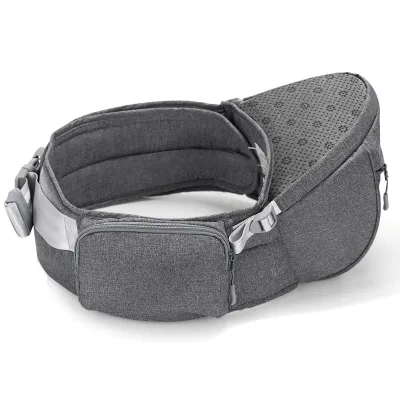
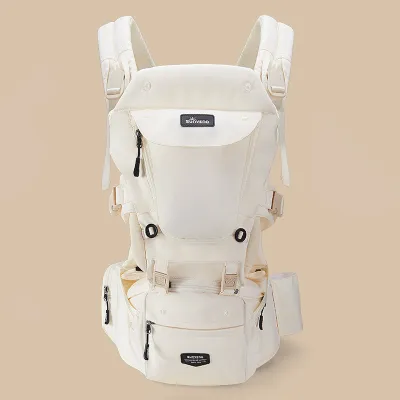
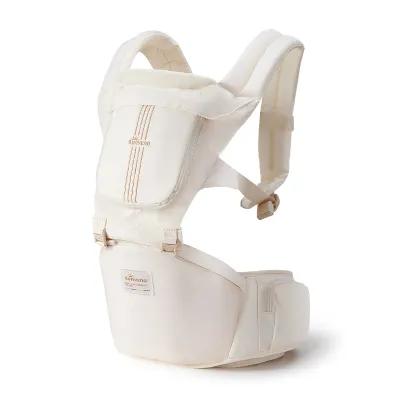
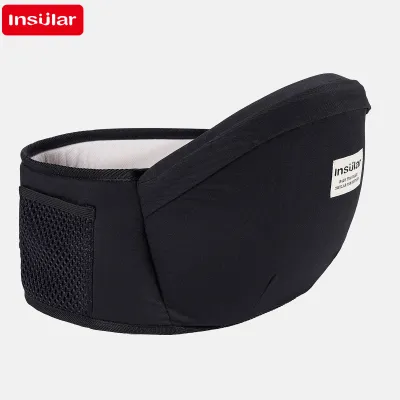
Prices are valid at publication and may change. Please refer to the product page for the latest price.
The width of the seat platform must support the baby’s thighs fully. A seat that is too narrow allows the legs to hang straight down, which can place undue stress on the hip sockets. Look for models that offer adjustable seat width mechanisms, such as button or zipper systems, which allow you to expand the support surface as your baby grows. This adaptability ensures that the carrier continues to support a healthy M-shape position—where the knees are aligned slightly higher than the hips—throughout different developmental stages.
Additionally, the firmness and texture of the seat base play a critical role in maintaining a stable posture. A soft, sagging seat can cause the baby’s spine to slump into an unnatural curve. Opt for a firm, lightweight foam or plastic insert that maintains its shape under weight. The top surface of the seat should feature an anti-slip material, such as textured silicone or high-friction fabric, to prevent the baby from shifting or sliding when you move.
Parent Comfort and Weight Distribution Systems
An ergonomic carrier must care for the wearer just as much as the baby. Because a hip seat concentrates much of the baby’s weight on your pelvic area, a wide, supportive waistband is essential. Look for a waistband that measures at least 12 to 15 centimeters in width, featuring dense, dual-layer foam padding. This design distributes the downward pressure evenly across your hips and lower back, preventing the belt from digging into your abdomen during extended wear.

The shoulder strap configuration is another critical factor in long-term comfort. Carriers generally offer either an H-back design, where the straps run straight over the shoulders and connect with a chest clip, or a cross-back design. Cross-back straps are often preferred for distributing weight diagonally across the upper back, which can alleviate shoulder strain for caregivers with narrower frames. Ensure the straps feature thick, breathable padding to prevent chafing around the neck and underarms.
Pay close attention to the placement of buckles and adjustment points. Quick-release buckles should be positioned where they are easy to reach but padded underneath to prevent plastic edges from pressing against your ribs. If you plan to use the carrier for grocery trips or walks in local parks, look for integrated lumbar support pads that reinforce the lower back strap, helping you maintain an upright posture even as your baby grows heavier.
Safety Labels and Developmental Limits to Verify
Before purchasing any hip seat for baby, it is vital to verify its safety credentials and structural integrity. Look for product packaging or documentation that indicates the carrier has been acknowledged as hip-healthy by recognized pediatric or orthopedic organizations. While these labels do not guarantee absolute safety, they indicate that the product’s design has undergone evaluation regarding infant joint alignment.
Always adhere strictly to the manufacturer’s stated minimum age, weight, and developmental milestones. Hip seat carriers are structurally different from soft wrap carriers and require the baby to have achieved specific physical milestones before use. Operating outside these limits can compromise the baby’s airway safety or place inappropriate stress on their spine.
Finally, conduct a physical inspection of the carrier’s components. Check the seat structure for potential pinch points where fabric folds meet rigid plastic or foam inserts. Ensure all zippers, snaps, and buckles are heavy-duty and secure, with no small detachable parts that could pose a choking hazard. Inspect the seams and stitching, particularly where the shoulder straps attach to the main body, to confirm they can withstand daily tension.
Adjustability and Fit for Multiple Caregivers
A practical hip seat carrier should easily accommodate different adult body types, especially if multiple family members or helpers will share the carrying duties. Look for extra-long webbing on the waistband and shoulder straps to ensure a secure fit for both petite and plus-size caregivers. The adjustment buckles should glide smoothly, allowing you to tighten or loosen the straps with one hand while supporting your baby with the other.
The ease of transitioning between users is a key consideration for daily outings. If one parent is significantly taller than the other, a carrier that requires complex re-threading of straps can become frustrating. Models with simple slide-and-lock adjusters or color-coded strap guides make quick adjustments straightforward when switching wearers on the go.
Before finalizing your choice, consider visiting a local baby specialty store to test the physical fit of different models. If purchasing online through ecommerce platforms, verify the retailer’s return and exchange policies. This allows you to try the carrier at home with your baby, ensuring the waistband fits comfortably against your torso and the seat provides the necessary support before committing to the purchase.
Frequently Asked Questions (FAQ)
Can an improperly fitted hip seat cause hip dysplasia?
Prolonged improper leg positioning, where a baby’s legs are forced to hang straight down or are tightly bound together, can place abnormal pressure on the developing hip joints. Over time, this mechanical strain may interfere with the natural socket development, particularly in infants already predisposed to joint laxity. To minimize these risks, always ensure the baby’s thighs are supported in a wide spread-squat position. For personalized medical advice or developmental concerns, consult a qualified pediatrician.
At what developmental stage can a baby start using a hip seat?
Most structured hip seat carriers are designed for babies who have achieved independent head and neck control and can sit upright without assistance, which typically occurs around six months of age. You must verify the specific minimum age, weight, and developmental requirements printed on your carrier’s product label. Avoid using a structured hip seat for newborns or younger infants unless the manufacturer explicitly provides an approved infant insert designed for that specific model.

Community discussion
Share your experience or ask a question. Comments are reviewed before publication.