
Finding the right baby carrier in Singapore involves balancing ergonomic safety for your newborn with personal comfort in a tropical climate. Reputable brands such as Ergobaby, Tula, BabyBjörn, and LÍLLÉbaby offer specialized designs engineered to support a newborn’s delicate anatomy. Selecting a carrier that maintains the natural alignment of your infant’s spine and hips is critical during the early months of development.
In Singapore, the term “baby carrier bag” is frequently used by parents searching for wearable structured carriers or wraps with built-in storage. While the convenience of integrated pockets is appealing, the primary focus must always remain on physical support and safety. A truly ergonomic carrier ensures that your baby’s weight is distributed evenly across your shoulders and hips while keeping the infant in a anatomically correct position.
Understanding Newborn Spine and Hip Development in Carriers
A newborn baby’s spine is structurally very different from an adult’s spine. At birth, an infant’s spine has a natural C-shaped curvature, reflecting the curled position they held inside the womb. The muscles and ligaments required to support an upright posture have not yet developed, meaning the spine is highly flexible and vulnerable to external pressure. Forcing a newborn’s spine into a straight or upright position too early can strain the developing vertebrae and restrict natural movement.
Products mentioned in this guide
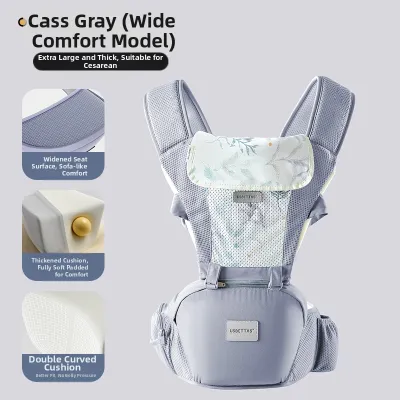
![[SG READY STCOK]Baby Carrier 0 to 36 Months Infant Baby Sling Toddler Side-Sling Carrier Up to 20kg Ice silk baby scarf](https://img.lazcdn.com/g/p/0832fea66591b0720d1ac5912f00f99f.jpg_400x400q80.jpg_.webp)
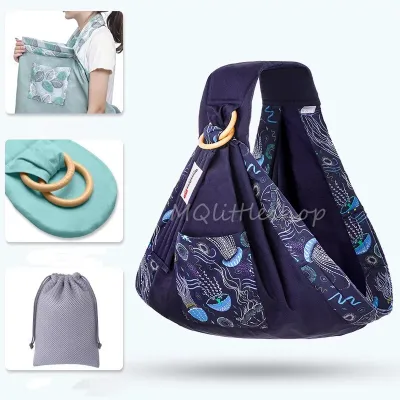
![[NEW] Pomulu Baby 2 Way Hip Seat Sling Carrier - Infant Toddler Bag Carry for Mom Parent Ergonomic Adjustable Wrap](https://img.lazcdn.com/g/p/aa7ec53384f07c7fd804fe26330044ca.jpg_400x400q80.jpg_.webp)
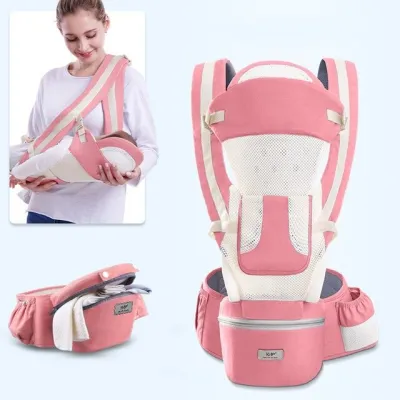
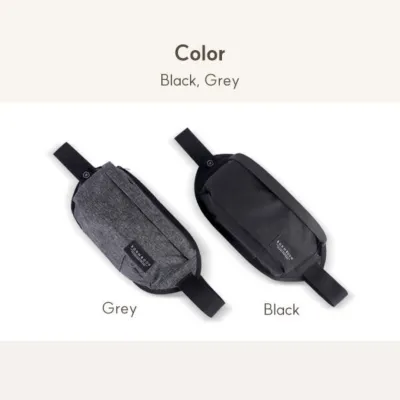
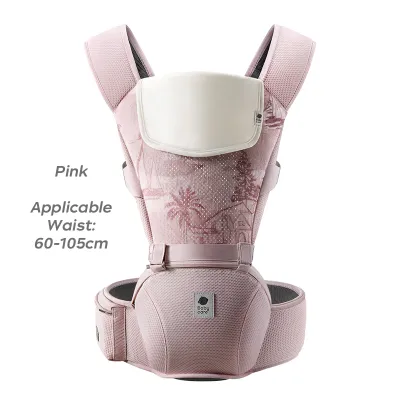
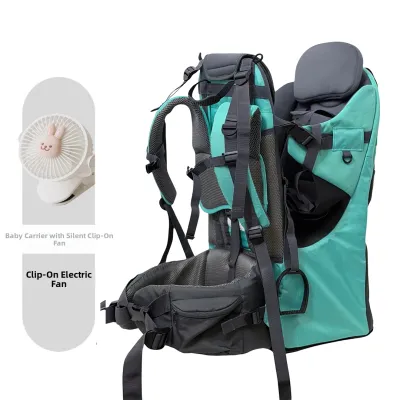
Prices are valid at publication and may change. Please refer to the product page for the latest price.
Proper hip positioning is equally critical during the first few months of life. A newborn’s hip joints are made of soft cartilage rather than hard bone, and the ball of the joint (the femoral head) sits loosely within the socket (the acetabulum). To promote healthy joint development, infants must be carried in the “M-shape” or “froggy” position. In this position, the baby’s knees are aligned higher than their bottom, and their thighs spread wide around the caregiver’s torso, which naturally stabilizes the hip joint.
During the transition from the fetal position to early infancy, a carrier must support the baby’s natural posture without restricting their airway or joint movement. The carrier fabric should support the thighs from knee crease to knee crease, ensuring the legs do not dangle. This broad support keeps the femoral head securely inside the hip socket, allowing the joint to mature normally over time.
Any carrier that causes the baby’s legs to dangle straight down is unsuitable for newborn hip development. When the legs hang unsupported, gravity pulls the thigh bones downward, placing significant stress on the fragile hip sockets. Over time, this unnatural pulling force can increase the risk of developmental hip dysplasia, a condition where the hip joint does not form correctly.
What to Look for in an Ergonomic Newborn Carrier
Hip-Healthy Acknowledgment
When shopping for a carrier, look for official acknowledgment from recognized international bodies, such as the International Hip Dysplasia Institute (IHDI). The IHDI evaluates babywearing products to determine if they support the infant’s hips in a healthy position during early development. While many brands market their products as ergonomic, verifying this third-party acknowledgment on product packaging or official brand websites provides an objective standard of safety.

Newborn Readiness vs. Inserts
Carriers generally fall into two categories: those with built-in adjustable newborn modes and those requiring a separate infant insert. Integrated adjustable carriers use snaps, buttons, or velcro tracks to narrow the seat width, allowing a newborn to fit safely without extra accessories. Conversely, classic models often require a padded fabric insert to boost the baby’s position and support their spine. Caregivers must verify the exact minimum weight threshold for the specific model, which is typically around 3.2 kilograms, before use.
Head and Neck Support
Newborns lack the core strength and muscle control to support their own heads, making dedicated neck support essential. Look for carriers that feature an adjustable, firm neck collar or support panel that can be secured to the main body of the carrier. This panel should reach up to the mid-ear level of the infant, preventing the head from tipping backward or slumping forward onto the chest, which can restrict breathing.
Structural Integrity and Storage
Parents searching for a functional “baby carrier bag” often look for models with integrated zippered pockets, pouches, or under-seat storage compartments. While these features are highly convenient for carrying diapers, wipes, and personal items, they must not compromise the carrier’s primary safety functions. Caregivers must ensure that packing these storage pockets does not alter the carrier’s center of gravity, pull the fabric tight against the baby’s airway, or distort the ergonomic seating position.
Breathability and Climate
Singapore’s tropical climate, characterized by high temperatures and humidity, makes heat dissipation a vital consideration for babywearing. Standard heavy cotton fabrics can trap heat, leading to discomfort, skin rashes, or dangerous overheating for both the infant and the caregiver. Opt for carriers constructed with 3D mesh, lightweight linen, or performance moisture-wicking fabrics that facilitate airflow and help regulate the baby’s body temperature.
Top Ergonomic Baby Carrier Brands Available in Singapore
When exploring ergonomic options in Singapore, several established brands stand out for their focus on pediatric safety and structural quality. These brands are widely available through authorized local distributors, specialty baby boutiques, and official online storefronts. Parents should treat these examples as a starting point to research, compare, and physically test different models to find the best fit for their family.
Ergobaby
Ergobaby is widely recognized for its emphasis on wearer comfort and robust pelvic support. The brand’s design philosophy centers on distributing the baby’s weight evenly between the caregiver’s shoulders and hips, utilizing wide, padded waist belts and supportive shoulder straps. This structural design helps reduce lower back strain, making it a popular choice for extended wearing sessions.
When selecting an Ergobaby carrier, it is important to check whether the specific model requires an infant insert. The popular Omni series (such as the Omni Breeze and Omni Dream) features button-adjustable seats that can be narrowed for newborns without the need for additional accessories. Older or classic models, however, strictly require a separate padded infant insert to ensure proper spinal alignment and airway safety for babies under 4 to 5 months of age.
Tula
Tula carriers are characterized by their streamlined, intuitive designs and visually appealing patterns. The brand focuses on providing ergonomic support through simple panel adjustments rather than complex strapping systems. This makes Tula highly approachable for parents who prefer a straightforward, easy-to-adjust carrier that does not require a steep learning curve.
The Tula “Free-to-Grow” and “Explore” lines are specifically designed to accommodate newborns without a separate insert. These models feature an adjustable base panel that narrows using heavy-duty snap fasteners, allowing the seat width to match the natural spread of a newborn’s legs. Caregivers must verify that the baby meets the minimum weight requirement (usually 3.2 kilograms) and ensure the panel height is fully extended to support the infant’s neck.
BabyBjörn
BabyBjörn is known for its lightweight, highly structured carriers that prioritize ease of use in the early weeks of parenting. Many of their designs feature a separate front-harness system, allowing caregivers to unclip and remove a sleeping baby without waking them or taking off the entire shoulder harness. The brand emphasizes soft, flexible fabrics that gently contour to the baby’s natural C-shaped spine.
For the newborn stage, BabyBjörn offers models like the Baby Carrier Mini, which is engineered specifically for the first few months and features a small, highly adjustable footprint. While these newborn-specific models offer excellent head and neck support, they have lower maximum weight limits and are outgrown relatively quickly. Parents should consider whether they prefer a short-term newborn carrier or a multi-stage model like the BabyBjörn Harmony, which adjusts to support older infants.
LÍLLÉbaby
LÍLLÉbaby carriers are designed with versatility in mind, often offering up to six different carrying positions to adapt as the child grows. A key feature of the LÍLLÉbaby Complete series is its built-in, rigid lumbar support plate, which sits against the caregiver’s lower back to prevent slouching and reduce physical fatigue. This makes the brand highly suitable for parents who require extra spinal support while carrying.
The LÍLLÉbaby Complete series features an adjustable seat that can be configured into a narrow setting for newborns and a wide setting for older babies. Caregivers must carefully review the manufacturer’s manual to ensure the seat is narrowed correctly before placing a newborn inside. Correctly adjusting the seat base ensures the baby’s knees remain supported in the M-position without overextending their hip joints.
How to Safely Position and Wear Your Newborn
Practicing safe babywearing is essential to prevent physical strain and eliminate the risk of positional asphyxiation. The international TICKS guidelines provide a clear, reliable safety checklist for caregivers to follow every time they secure their baby in a carrier:
- Tight: The carrier straps and panels must be tight enough to hug your baby close to your body. Loose fabric allows the baby to slump down, which can restrict their breathing and place strain on your back.
- In view at all times: You must always be able to see your baby's face, nose, and mouth simply by looking down. Ensure no fabric, clothing, or carrier hoods cover the baby's airway.
- Close enough to kiss: Your baby's head should be positioned high on your chest. By simply tipping your chin forward, you should be able to easily kiss the top of your baby's head.
- Keep chin off chest: Ensure there is always a gap of at least one finger's width under your baby's chin. If the baby's head slumps forward so that their chin rests on their chest, their airway can become restricted.
- Supported back: The carrier fabric should support the baby's back in its natural C-curve. When the baby is held snugly, their spine should remain curved without slumping or twisting.
Regularly check your baby’s airway to ensure their nose and mouth are completely clear of both the carrier fabric and your clothing. Newborns do not have the strength to turn their heads if their breathing is obstructed, making active monitoring by the caregiver necessary throughout the entire babywearing session.
If your baby shows any signs of breathing difficulty, rapid breathing, unusual skin coloring (such as paleness or blue-tinged lips), or if you cannot maintain a clear, unobstructed view of their face, stop using the carrier immediately. Remove the baby from the carrier and seek professional medical advice if needed.
Parents of premature babies, infants born with low birth weight (under 2.5 kilograms), or those with underlying respiratory or medical conditions must exercise extra caution. Always consult a pediatrician or qualified healthcare professional before using any baby carrier, wrap, or sling to ensure the infant’s airway and spine are adequately protected.
Where to Test and Buy Baby Carriers in Singapore
Because every caregiver’s body shape and every baby’s physical build are unique, testing a carrier in person is highly recommended before making a purchase. Visiting specialty baby retail stores in Singapore, such as Mothercare or Prams & More, allows you to handle different models and compare fabrics. Many of these physical stores provide weighted demo dolls, allowing you to simulate the weight of a newborn and evaluate how the straps fit your shoulders and hips.
Physical retail stores often employ trained staff who can provide in-store fitting consultations. These consultants can teach you how to adjust the shoulder straps, position the lumbar support belt, and switch between H-strap and X-strap configurations. Proper adjustment ensures that the baby’s weight is distributed evenly, preventing localized pressure points on your neck, shoulders, or lower back.
Before purchasing, always check the store’s return and exchange policies. Due to hygiene regulations in Singapore, many retailers do not accept returns or exchanges on baby carriers once the packaging has been opened or the product has been used with a baby. Testing the fit in-store helps prevent the inconvenience of purchasing an incompatible model.
While online marketplaces and e-commerce platforms offer convenient shopping options, buyers must exercise caution to avoid counterfeit products. Counterfeit carriers often lack structural integrity, safety testing, and proper ergonomic support. To guarantee authenticity and secure a valid local warranty in Singapore, ensure you purchase directly from authorized brand flagship stores or verified local distributors.
Frequently Asked Questions (FAQ)
Can I use a structured baby carrier for a premature baby?
Premature infants often have lower muscle tone, unique developmental needs, and a higher vulnerability to respiratory issues compared to full-term babies. Caregivers must always consult their pediatrician or a qualified healthcare professional before placing a premature baby in any structured carrier or wrap. This professional guidance ensures that the baby’s airway, head, and fragile spine are fully supported and protected.
How long can a newborn safely stay in a carrier at one time?
While there is no universal strict time limit for babywearing, caregivers should frequently monitor their baby’s positioning, temperature, and comfort. It is generally recommended to take the baby out of the carrier every 1 to 2 hours for feeding, diaper changes, and stretching. Regular breaks allow the baby to engage in unrestricted movement and essential tummy time on a flat, safe surface, which supports their overall motor development.
Community discussion
Share your experience or ask a question. Comments are reviewed before publication.