
To determine if the Ergobaby Upsie provides healthy ergonomic positioning, parents must evaluate how its adjustable seat, back panel, and strap configurations support a baby’s natural physical development and distribute weight across the wearer’s body. While ergonomic claims are common in baby gear, true support depends on matching the carrier’s physical adjustments to your child’s specific developmental stage and verifying the manufacturer’s guidelines.
Using a carrier that supports proper posture is essential for your baby’s comfort and long-term physical health. An ill-fitting carrier can place undue pressure on developing joints, leading to discomfort or physical strain for both the infant and the caregiver. By understanding the core principles of infant ergonomics, you can make an informed decision about whether this specific model fits your family’s daily routine.
Decoding Baby Positioning: Hip and Spine Support Standards
Healthy hip development in infancy relies on maintaining the “M-shape” position, also known as the froggy position. In this posture, the baby’s hips are bent so that the knees sit slightly higher than the hip joint, and the thighs are spread wide to cradle the wearer’s torso. You can visually check this by looking at your baby from the front; the fabric of the seat should support the thighs from one knee crease to the other, preventing the legs from dangling straight down.
Products mentioned in this guide
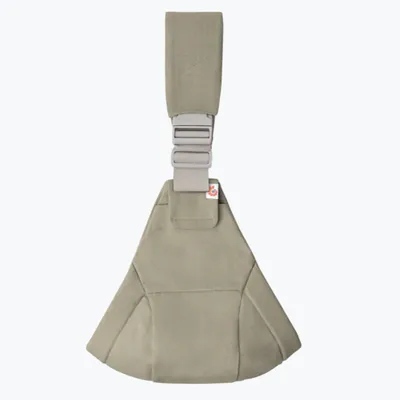
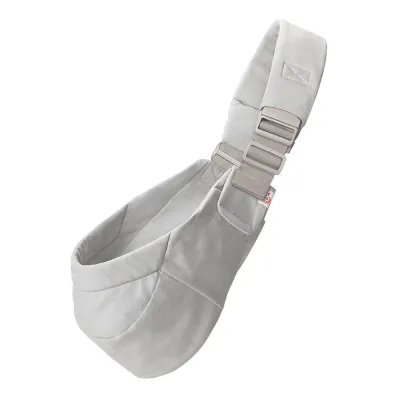
Prices are valid at publication and may change. Please refer to the product page for the latest price.
Alongside hip positioning, a carrier must accommodate the natural “C-curve” of an infant’s spine. Newborns are born with a naturally rounded spine, and the back panel of the carrier should be flexible enough to support this gentle curve without forcing the baby’s back into a completely straight or rigid upright posture. A panel that is too stiff or pulled too tight can flatten this natural curve, placing unnecessary pressure on the developing vertebrae.
Before using any carrier, always verify the manufacturer’s stated age, weight, and developmental stage limits in the official user manual. Babies grow at highly individual rates, meaning weight alone is not always the sole indicator of readiness for a specific carrier setting. In warm, humid climates like Singapore, ensuring proper airflow around the baby’s face while maintaining this ergonomic posture is also critical to prevent overheating during outdoor walks.
Parent Comfort: Weight Distribution and Strap Adjustability
An ergonomic carrier must support the wearer just as effectively as it supports the child. Padded shoulder straps and a wide, structured waistband play a vital role in transferring the baby’s weight away from your shoulders and upper back, distributing it more evenly across your hips and pelvis. This weight transfer is especially important during extended carrying sessions, such as navigating local shopping malls or walking through community parks.

Adjustability features are key to achieving this comfortable weight distribution across different body types. Look for carriers that offer customizable strap configurations, such as the option to cross the straps over your back (cross-back) or wear them parallel (H-back). These adjustments allow caregivers of varying heights and builds to position the baby’s center of gravity close to their own body, which minimizes lower back strain and prevents the carrier from pulling forward.
As your baby grows, their changing weight will alter how the carrier feels on your body. Regularly checking the maximum weight capacity specified by the manufacturer helps ensure that the structural integrity of the straps and waistband remains supportive. If you begin to experience persistent shoulder or lower back discomfort, it may indicate that the carrier needs adjustment or that your child has outgrown the optimal weight distribution limits of the current setup.
Verifying Safety Claims and Testing the Physical Fit
When evaluating ergonomic claims, it is important to look beyond basic marketing language and seek independent verification. Parents should check the official product packaging or the manufacturer’s website for acknowledgments from recognized orthopedic or hip health organizations, such as the International Hip Dysplasia Institute. These acknowledgments indicate that the carrier’s design has been assessed for supporting healthy hip joint development when used according to instructions.
Performing a physical fit check at home is the most reliable way to ensure your baby is safe and comfortable. Always position your baby at a “kissable height,” meaning you can easily bend your head forward to kiss the top of their head without straining. Ensure their chin is off their chest to keep their airway completely clear, and verify that the fabric supports their back securely without allowing them to slump or lean excessively to one side.
If your baby has pre-existing orthopedic conditions, hip concerns, or developmental delays, standard carrier guidelines may not apply. In these situations, it is highly recommended to consult a pediatrician, pediatric physiotherapist, or qualified healthcare professional before using any baby carrier. A professional can provide personalized guidance on how to adjust the carrier to accommodate your baby’s specific physical needs safely.
Which Carrier Specs Actually Matter for Ergonomics?
To simplify your decision-making process, focus on the technical specifications that directly impact physical support rather than aesthetic features. The most critical specifications to verify include the minimum and maximum weight limits, the presence of an adjustable seat width mechanism, and the breathability of the fabric. An adjustable seat width is particularly crucial, as it allows you to narrow or widen the support base as your baby’s legs grow longer.
In contrast, features like excessive color options, non-structural decorative patterns, or generic marketing buzzwords do not contribute to physical safety or comfort. While a specific style might look appealing, it will not prevent shoulder strain or support your baby’s spine. Additionally, spending a premium in S$ on high-end baby gear does not automatically guarantee a perfect ergonomic fit, as the carrier’s physical dimensions must still align with your individual body shape and your baby’s proportions.
Frequently Asked Questions (FAQ)
Can the Ergobaby Upsie be used for newborns without an extra insert?
To determine if this carrier is suitable for a newborn without an insert, you must check the manufacturer’s official user manual for the minimum weight requirement and developmental milestones. Verify whether the carrier’s seat can be adjusted to a narrow enough setting to support a newborn’s smaller frame from knee crease to knee crease without forcing their legs to splay too wide. If the seat cannot be narrowed sufficiently, or if the baby does not meet the minimum weight limit, using the carrier without a proper insert or waiting until the baby grows is necessary for safety.
How do I know if the seat is wide enough for my baby's hips?
You can confirm the seat is wide enough by observing your baby’s leg position while they are seated in the carrier. Their knees should be positioned higher than their hips, and the seat fabric should extend all the way to the back of their knee creases to support the thighs fully. If the fabric stops mid-thigh and the lower legs dangle straight down, the seat is too narrow and needs to be adjusted wider using the carrier’s built-in adjustment mechanisms.
Is it safe to carry my baby facing outward in this carrier?
Carrying a baby in the outward-facing position requires specific developmental milestones, including complete head and neck control, which babies typically develop around four to six months of age. You must consult the product manual to verify if this specific model supports outward-facing carry and to check the recommended weight and time limits for this position. Outward-facing carry should generally be limited to short periods to prevent hip strain and avoid sensory overstimulation for the baby.

Community discussion
Share your experience or ask a question. Comments are reviewed before publication.