
Choosing the right baby carrier is one of the most significant gear decisions you will make as a parent. The ideal Ergobaby model for your family depends on your baby’s current weight, developmental stage, whether you want to avoid using a separate infant insert, and your preferred carrying positions. The Omni, Adapt, and 360 models each cater to distinct parenting styles and developmental phases, making it essential to match their specific features to your daily routine.
To make an informed decision, parents must evaluate how each carrier accommodates their child’s growth while ensuring their own physical comfort. In warm, humid climates like Singapore, the choice of fabric—such as breathable mesh versus classic cotton—is just as critical as the model itself. Ensuring your baby does not overheat while nestled close to your body requires careful consideration of the carrier’s material specifications.
Here is a condition-based decision framework to help you choose the right model:
Products mentioned in this guide
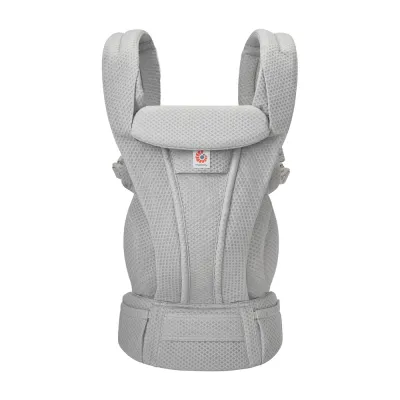
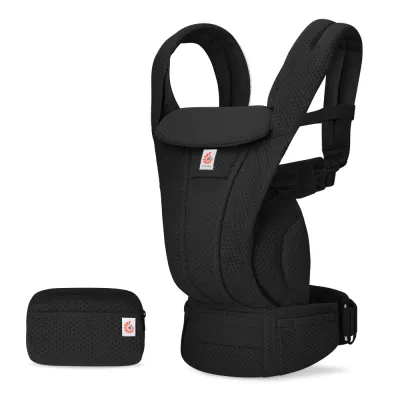
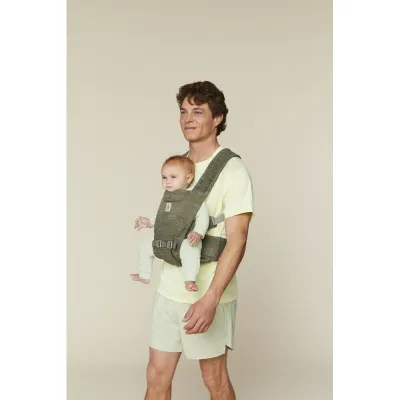
![[Ready stock] Ergo baby Carrier Ergonomics Kangaroo Infant Omni Breeze All-In-One Breathable Air Mesh 0-48 Months 3-20kg](https://img.lazcdn.com/g/p/d6948befeffb2fca708dbf5ed12936a6.jpg_400x400q80.jpg_.webp)
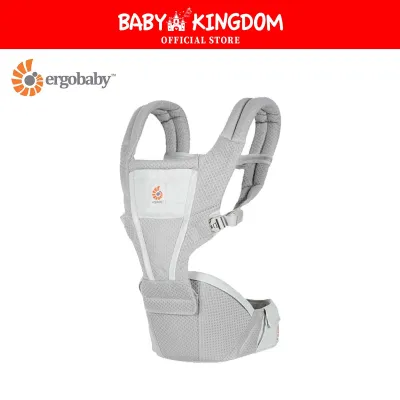
![[Ready stock]Ergo baby Alta Hip Seat Baby Carrier](https://img.lazcdn.com/g/p/59709dfd055a2fa6de3e7814957c89e5.jpg_400x400q80.jpg_.webp)
Prices are valid at publication and may change. Please refer to the product page for the latest price.
- Choose the Ergobaby Omni if you want an all-in-one carrier that supports every carrying position—including front outward-facing—from birth through toddlerhood without requiring a separate infant insert. This model is ideal for parents who want maximum versatility and are willing to invest in a premium, fully featured option.
- Choose the Ergobaby Adapt if you prioritize a highly adjustable, streamlined carrier that grows with your baby from birth without an insert, but you do not need or plan to use the front outward-facing position. This is an excellent choice for parents who prefer a simpler design focused on inward, hip, and back carrying.
- Choose the Ergobaby 360 if you want the flexibility of all four carrying positions (including outward-facing) and are comfortable using a separate infant insert for the newborn stage, or if you are starting your babywearing journey when your infant is already past the newborn phase.
Matching the Carrier to Your Baby's Age and Size
A baby’s physical development occurs rapidly during the first year, transitioning from a delicate newborn with minimal neck control to an active toddler exploring their surroundings. Because of this rapid growth, a carrier must provide precise physical support at every milestone. Weight limits and developmental readiness are not merely guidelines; they are fundamental safety parameters that dictate how a carrier distributes weight across your body and supports your baby’s spine.
Newborns and Young Infants (Birth to 6 Months)
During the first few months of life, an infant’s spine is naturally C-shaped, and they lack the muscle strength to support their own head. Therefore, the carrier must offer robust neck support and a seat width that keeps the hips in a healthy position. The way a carrier accommodates this fragile stage is one of the most significant differences among the Omni, Adapt, and 360 models.
The Omni and Adapt models are designed with adjustable seat panels that narrow for newborns and gradually widen as the baby grows. This eliminates the need for a separate infant insert, allowing you to achieve a snug, custom fit directly out of the box. By adjusting the velcro tabs or slider buttons on the waistband according to the manufacturer’s guidelines, you can ensure the fabric supports your baby from knee to knee without overextending their hips.
In contrast, the classic Ergobaby 360 typically requires a separate infant insert to support newborns safely. This insert provides the necessary head, neck, and bottom support to keep a small baby in a visible and kissable position. While highly supportive, using an insert adds an extra layer of fabric, which may increase warmth during outdoor use in tropical climates. Parents using the 360 must verify that their baby meets the minimum weight and age requirements before transitioning out of the insert, which usually occurs around four months of age or when the baby exhibits consistent head control.
Always verify the minimum weight requirement on your specific carrier’s label before the first use. If your baby is born prematurely or has a low birth weight, consult a pediatrician or a qualified babywearing consultant before using any soft-structured carrier. Stop using the newborn settings or inserts immediately once your baby meets the manufacturer’s transition criteria, such as reaching a specific weight threshold or demonstrating the ability to sit up independently.
Older Infants and Toddlers (6 Months and Beyond)
As babies grow heavier and more active, the demands on a carrier shift. Older infants want to look around, and their longer torsos require a taller back panel to prevent them from leaning out of the carrier. Additionally, the carrier must be able to support a wider leg span to maintain an ergonomic seating position as the child’s legs grow longer.
While most of these models are rated to support toddlers up to a certain weight limit—typically around 20 kg or 45 lbs—the way they distribute that weight varies. The Omni and Adapt models feature highly adjustable seat widths and back panels that can be extended to accommodate a toddler’s longer legs and torso. This adjustability ensures that even as your child grows, their weight is distributed evenly across your hips and shoulders, preventing the carrier from sagging or causing discomfort.
Around six months, or when your baby has strong head and neck control, you can transition them to back or hip carries. These positions are highly beneficial for parent comfort during longer walks, such as navigating crowded shopping centers or walking through nature reserves. Back carrying shifts the baby’s center of gravity closer to your own, reducing strain on your lower back as your child grows heavier. Always refer to the manufacturer’s instructions to confirm the exact age or weight milestone at which back carrying is recommended for your specific model.
Ergonomic Features and Carrying Positions
Ergonomics are crucial for both the baby’s developing hips and the parent’s physical comfort. The International Hip Dysplasia Institute emphasizes the importance of the “M-position” or “frog-leg position,” where the baby’s hips are spread, thighs are supported, and knees are slightly higher than the hips. Maintaining this position helps prevent hip strain and supports healthy joint development.

The Omni and 360 models are “four-position” carriers, offering front-inward, front-outward, hip, and back carrying. The outward-facing position is popular among parents whose older infants are highly curious about their environment. However, this position should only be used once the baby has full head control and fits the manufacturer’s size guidelines. It is also recommended to limit outward-facing time to prevent overstimulation and to switch back to inward-facing if the baby falls asleep.
The Adapt model is a “three-position” carrier, omitting the front-outward option to focus entirely on inward, hip, and back carrying. This design is often preferred by parents who prioritize a simpler, less bulky carrier and do not plan to carry their baby facing outward. By focusing on three positions, the Adapt provides a streamlined fit that closely hugs the baby’s body.
Parent comfort features also vary across these models. The Omni and Adapt models generally feature crossable shoulder straps, which allow parents to customize the fit and distribute weight more evenly across the upper back. This is particularly helpful for wearers with narrower shoulders or smaller frames. The 360 model typically utilizes parallel shoulder straps with a chest clip, which some parents find quicker to buckle but may distribute weight differently. All three models incorporate wide, padded waistbands to transfer the baby’s weight to the wearer’s hips, but the specific buckle or hook-and-loop closure systems can vary by edition.
Before purchasing, check the manufacturer’s labels and product documentation to verify ergonomic certifications. Look for clear indicators of hip-healthy design and read the instructions on how to adjust the seat width sliders or buttons to maintain the correct M-position as your baby grows.
How to Verify Fit, Safety, and Authenticity Before Buying
With the popularity of premium baby gear, counterfeit carriers have become a concern on various online marketplaces. Counterfeit carriers often use substandard stitching, weak buckles, or non-compliant fabrics that pose serious safety risks to your baby. Ensuring you purchase a genuine product is the first step in babywearing safety.
Always purchase from authorized retailers or the official brand store to guarantee authenticity. To verify your carrier, inspect the registration card included in the packaging, check the quality of the logo embroidery, and ensure the serial numbers on the box match the tag on the carrier. Additionally, visit the manufacturer’s official website to check for any active product recalls or safety notices before using a pre-loved or newly purchased carrier.
When trying on a carrier, adjust the waistband so it sits snugly on your hips, not your waist, to ensure proper weight distribution. The shoulder straps should feel secure without pinching your neck or shoulders. A key red flag is if the carrier’s panel fabric sags or if you cannot tighten the straps sufficiently to keep the baby close to your chest. If the carrier feels loose even after maximum adjustment, it may not be suitable for your body proportions.
Remember the “T.I.C.K.S.” rule for safe babywearing: Tight, In view at all times, Close enough to kiss, Keep chin off chest, and Supported back. If your baby’s chin is pressed against their chest, or if their face is covered by the carrier fabric, stop using the carrier immediately and readjust the fit. If you cannot achieve a secure, comfortable fit that meets these safety standards, the carrier may not be suitable for your body proportions or your baby’s current size.
Frequently Asked Questions (FAQ)
Can I use these Ergobaby carriers for air travel and airport security?
Yes, soft-structured carriers are highly convenient for navigating airports, especially when managing luggage or boarding flights. However, security protocols vary by country and airport; security officers may require you to remove the baby from the carrier when passing through metal detectors or advanced imaging technology. When on board, most airlines require you to remove your baby from the carrier during takeoff, landing, and periods of turbulence for safety reasons. Always check your specific airline’s policies and prepare to fold the carrier compactly into your carry-on baggage when not in use.
How should I clean and maintain the carrier fabric and buckles?
To preserve the structural integrity of your carrier, always check the manufacturer’s care label for specific washing instructions. Generally, you should fasten all buckles, hook-and-loop fasteners, and straps before placing the carrier in a mesh laundry bag. Use a mild, bleach-free detergent and wash on a gentle cycle with cold water. Avoid fabric softeners, which can degrade the webbing and buckle materials over time. Always air dry the carrier in a well-ventilated, shaded area; direct sunlight can fade the fabric, and tumble drying may damage the internal padding and plastic buckles. Inspect all buckles, seams, and straps regularly for signs of wear or fraying.

Community discussion
Share your experience or ask a question. Comments are reviewed before publication.