
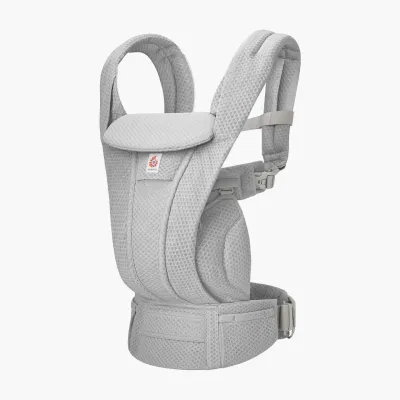
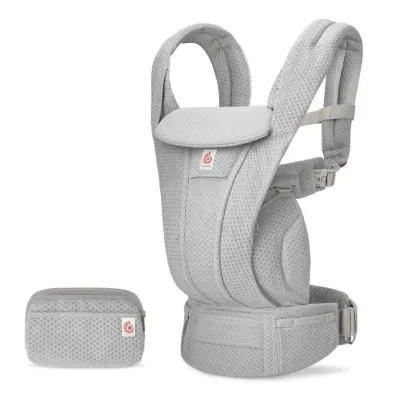
The Ergobaby Omni Deluxe stands out as a highly versatile, all-in-one option that delivers exceptional ergonomic support for both baby and parent without requiring a separate infant insert. Its primary strength lies in its robust, structured lumbar support panel and highly adjustable seat width, which easily adapts to a growing child from infancy through toddlerhood. By distributing the baby’s weight evenly across the wearer’s hips and shoulders, it minimizes the physical strain often associated with extended carrying sessions.
However, whether the Ergobaby Omni Deluxe is the absolute best choice depends heavily on your specific lifestyle, body type, and local environment. While it excels in structural support and adjustability, some competing premium carriers might offer a better fit if you prioritize an ultra-lightweight, minimalist design or a soft, wrap-hybrid feel that conforms closely to the body. In warm, tropical climates like Singapore, the choice between highly structured support and maximum fabric breathability becomes a crucial trade-off. Ultimately, the ideal carrier is one that matches your baby’s current developmental stage, aligns with your personal physical comfort, and keeps both of you cool and supported during daily use.
What Defines True Ergonomic Design in Baby Carriers?
Evaluating baby carriers requires understanding that true ergonomic design is a dual-sided equation. It must simultaneously support the physiological development of the growing baby and protect the musculoskeletal health of the adult carrying them. When a carrier fails on either side of this equation, it can lead to discomfort, physical fatigue, or even developmental issues over time.
Products mentioned in this guide
Prices are valid at publication and may change. Please refer to the product page for the latest price.
For the baby, ergonomic design centers on maintaining a natural, healthy posture that respects their developing anatomy. In the early months, an infant’s spine naturally curves in a gentle “C” shape, and their hip joints are still maturing. A well-designed carrier must support this natural spinal curve and hold the baby’s hips in the “M-position,” where the knees are spread wide, bent, and positioned higher than the bottom. This alignment keeps the femoral head securely seated within the hip socket, reducing the risk of hip dysplasia. Additionally, the carrier must keep the baby’s head and neck fully supported while ensuring a completely clear, unobstructed airway at all times.
For the parent, ergonomics is primarily a matter of load distribution and spinal alignment. Carrying a baby shifts the wearer’s center of gravity forward, which naturally prompts the lower back to arch and the shoulders to round. To counteract this, a premium carrier must distribute the child’s weight evenly across the parent’s hips, lower back, and shoulders. This is achieved through a combination of a structured, supportive waistband and wide, well-padded shoulder straps. When the weight is transferred effectively to the pelvic girdle, the wearer can maintain a neutral standing posture, significantly reducing strain on the lumbar spine and upper back muscles during long walks or daily chores.
Baby-Centric Ergonomics: Hip Health, Seat Adjustability, and Airway
As babies grow, their physical proportions and developmental needs shift rapidly. A newborn requires a highly snug, protective environment with maximum head support, whereas an older infant needs more freedom of movement and a wider seat base to support their longer thighs. Premium carriers address these changing requirements through sophisticated adjustable features that ensure the baby remains in a safe, ergonomic position at every stage of growth.

Adjustable Seat Width and Hip Positioning
The Ergobaby Omni Deluxe features an integrated seat adjustment system that eliminates the need for a separate infant insert. By using adjustable sliders or velcro tabs along the inside of the waistband, caregivers can easily customize the seat width to match the baby’s height and developmental milestone. This ensures that the fabric always extends from knee-to-knee, supporting the thighs and maintaining the crucial “M-position” as the child grows from a newborn into a toddler.
In contrast, some premium competitors utilize different mechanisms to achieve a hip-healthy seat. Certain brands rely on external snap buttons or sliding tracks to adjust the seat width, while others use a more minimalist, fixed-width fabric seat that requires a separate infant cushion or insert for the earliest weeks. While infinite micro-adjustment systems can offer a highly tailored fit, they can sometimes be more complex to configure correctly compared to the straightforward, color-coded guidelines found on the Omni Deluxe’s waistband.
When selecting a carrier, it is highly recommended to verify the specific product packaging for “hip-healthy” acknowledgment labels issued by recognized bodies like the International Hip Dysplasia Institute. Because manufacturing standards, design details, and certifications can vary by region and production year, checking the current documentation for your specific model ensures that the seat design meets rigorous pediatric orthopaedic guidelines.
Head and Neck Support for Newborns and Infants
Before a baby develops full neck strength and head control—which typically occurs around four to six months of age—the carrier must provide reliable, structured support for the cervical spine. The Ergobaby Omni Deluxe addresses this with a cushioned head and neck support pillow that can be adjusted in height. Caregivers can fold it downward and button it in place for small newborns to keep their face clear, or flip it upward to provide extra support when the baby is sleeping or growing taller.
Other premium carriers on the market approach head support with varying designs. Some utilize minimalist, integrated hoods that double as sun protection, while others feature structured, snap-in neck pillows or stretchy fabric folds that conform to the baby’s head shape. While lightweight, unstructured hoods offer excellent packability and airflow, they may lack the firm, reassuring lateral support that a structured, padded pillow provides during active movement.
Regardless of the carrier’s built-in support features, caregivers must always prioritize airway safety. It is vital to ensure that the baby’s chin is kept up and off their chest, with a clear space of at least one to two fingers beneath the chin. A slumped posture can compromise the infant’s delicate airway, making continuous visual monitoring of the baby’s face an absolute necessity during every carry.
Parent-Centric Ergonomics: Weight Distribution and Long-Term Comfort
The true test of a premium baby carrier often comes when the baby crosses the eight-to-ten-kilogram mark. At this stage, minor design flaws in weight distribution can quickly translate into acute shoulder tension or lower back pain for the caregiver. Premium brands invest heavily in structural engineering to ensure that carrying a heavier child remains comfortable for hours at a time.
Lumbar Support and Waistband Placement
A standout feature of the Ergobaby Omni Deluxe is its heavily padded lumbar support panel integrated directly into the waistband. This panel is engineered to sit flat against the lower back, distributing the baby’s weight firmly across the hips and pelvic bones rather than allowing the load to pull forward on the shoulders. The wide, structured waistband prevents the fabric from digging into the wearer’s skin and helps maintain a healthy, upright posture.
Competing premium carriers often take a different approach to waistband design. Some prioritize a sleek, minimalist aesthetic by using thinner, high-density foam bands that pack down easily but may offer less structural support for heavier babies. Other brands utilize extra-wide, unpadded structured belts that distribute weight over a larger surface area but can feel bulky or restrictive on shorter torsos.
Finding the ideal waistband placement is highly subjective and depends on both the carrier design and the parent’s unique anatomy. For newborns, the waistband is typically worn high on the waist (near the ribs) to keep the baby close enough to kiss. As the baby grows and gets heavier, moving the waistband lower onto the hips can help transfer more weight to the lower body, though this adjustment must be balanced against the wearer’s comfort and physical frame.
Shoulder Strap Configurations and Breathability
The Ergobaby Omni Deluxe offers exceptional flexibility in its shoulder strap design, allowing wearers to configure the straps in either a classic parallel “H-style” or a crossed “X-style” across the back. Crossing the straps is particularly beneficial for parents with narrower shoulders or a smaller bust, as it pulls the carrier closer to the body, prevents the straps from slipping outward, and distributes the weight more evenly across the upper back.
In comparison, some premium competitors only support a fixed parallel strap configuration, relying instead on sliding chest clips to keep the straps secure. Other minimalist or wrap-hybrid carriers feature wide, unstructured fabric straps that spread flat across the shoulders; while highly comfortable and pressure-reducing, these can sometimes limit arm mobility or feel warm when layered over clothing.
In hot and humid environments like Singapore, fabric breathability is just as important as physical padding. A carrier with thick, plush shoulder padding can quickly become uncomfortably warm during outdoor walks in places like the Singapore Botanic Gardens or along the East Coast. When evaluating carriers, it is wise to pay close attention to the density of the mesh panels and the moisture-wicking properties of the fabric. Opting for models that incorporate high-airflow mesh can significantly improve thermal comfort for both parent and baby, preventing sweat buildup and skin irritation.
Feature Comparison: Ergobaby Omni Deluxe vs. Other Premium Brands
To help you make an informed decision, the table below outlines the key ergonomic differences between the Ergobaby Omni Deluxe and typical premium competitors in the market.
| Feature | Ergobaby Omni Deluxe | Typical Premium Competitors |
|---|---|---|
| Seat Adjustability Mechanism | Internal velcro tabs and sliders for continuous seat width customization. | External snap buttons, sliding tracks, or fixed seats requiring separate inserts. |
| Newborn Readiness | Fully integrated; adjustable seat and neck support accommodate newborns directly. | May require a separate infant insert or specific folding adjustments to fit small babies. |
| Lumbar Support Type | Integrated, heavily padded lumbar support panel on a structured waistband. | Standard padded waistbands, wide unpadded belts, or minimalist webbing straps. |
| Strap Crossability | Yes; straps can be worn parallel (H-style) or crossed (X-style) for a custom fit. | Often limited to parallel straps with a chest buckle, or wide wrap-style fabric bands. |
| Fabric Breathability | Available in structured performance mesh, soft knit, or durable cotton blends. | Varies widely from ultra-thin technical fabrics to heavy organic canvas or linen. |
Disclaimer: Specific product features, dimensions, and accessories can vary by exact model, manufacturing batch, and region. Caregivers should always verify the manufacturer’s current product specifications and user manuals before making a final purchase.
Decision Framework: Which Ergonomic Carrier Fits Your Needs?
Choosing the right baby carrier is a highly personal decision that depends on your physical comfort, your baby’s age and weight, and how you plan to use the carrier in your daily life. By analyzing your specific needs, you can select the model that offers the most supportive and comfortable experience.
Choose the Ergobaby Omni Deluxe if:
- You want an all-in-one solution: You need a highly structured carrier that can reliably support your child from birth through toddlerhood without needing to purchase additional accessories or inserts.
- You require significant back support: You frequently experience lower back discomfort and require robust, dedicated lumbar support to distribute weight effectively to your hips.
- You prefer crossed straps: You have a petite frame or narrow shoulders and want the ability to cross the shoulder straps in an "X-style" configuration for a snugger, more secure fit.
- You plan long carrying sessions: You intend to use the carrier for extended periods, such as long family outings, where structural support and durable, padded materials are essential for comfort.
Choose alternative premium carriers if:
- You prioritize packability: You want a highly compact, lightweight, and packable design that can easily fold up into a small diaper bag when not in use.
- You prefer a fabric-first feel: You prefer the soft, intimate feel of a wrap-hybrid carrier that molds closely to your baby's body and has fewer buckles or rigid plastic parts.
- You want a specialized newborn fit: You require a carrier designed specifically for the newborn phase and are willing to transition to a larger, more structured carrier once your baby grows heavier.
- You prioritize maximum airflow: You live in an exceptionally warm climate and prioritize ultra-thin, highly breathable mesh fabrics over thick, structured padding.
Verify first if:
- You have pre-existing physical conditions: If you or your baby have any pre-existing physical conditions, such as congenital hip dysplasia, spinal alignment issues, or chronic back and shoulder pain, it is highly recommended to consult a pediatrician, pediatric orthopaedist, or physical therapist to ensure the chosen carrier is safe and suitable for your specific physical needs.
Safety Checks and Usage Boundaries for Caregivers
Even the most ergonomically advanced baby carrier cannot replace active caregiver supervision and proper usage. Correct positioning is not only essential for comfort but is also critical for your baby’s physical safety and respiratory health. Before every carry, take a moment to perform a thorough safety check.
A universally recognized standard for safe babywearing is the T.I.C.K.S. rule, which provides a simple checklist for parents:
- Tight: The carrier must be adjusted snugly enough to hold your baby close to your body. Loose fabric can allow the baby to slump down, which can restrict their breathing and place unnecessary strain on your back.
- In view at all times: You should always be able to see your baby's face simply by looking down. Ensure that no fabric, clothing, or hoods are covering their nose and mouth.
- Close enough to kiss: Your baby's head should be positioned high up on your chest, close enough that you can easily kiss the top of their head by tipping your head forward.
- Keep chin off the chest: There should always be a space of at least one finger's width under your baby's chin to prevent their head from tipping forward, which can close off their airway.
- Supported back: In an upright carry, the baby's back should be supported in its natural, gently curved posture. The carrier should not pull their spine too tight or force it into an unnaturally straight position.
Additionally, caregivers must strictly adhere to the manufacturer’s specified weight limits and developmental milestones. For example, transitioning your baby from an inward-facing position to an outward-facing position should only be done once the baby has achieved full head and neck control, typically around six months of age, and meets the minimum weight requirements. Never attempt to modify the carrier, add unauthorized padding, or use it for activities like jogging, cycling, or cooking, which are not covered by the official safety manual. If you notice any signs of wear, such as frayed stitching or damaged buckles, stop using the carrier immediately and contact the manufacturer for guidance.
Community discussion
Share your experience or ask a question. Comments are reviewed before publication.