
Selecting a premium baby carrier is one of the most significant gear decisions new parents make, directly impacting both daily comfort and physical well-being. The Ergobaby Omni Deluxe is frequently highlighted for its structured, multi-position ergonomic design, which aims to support a growing baby while minimizing physical strain on the wearer. However, determining how it compares to other premium options requires a close look at individual fit, adjustability, and specific design features. Because no single carrier is universally perfect for every body shape or lifestyle, understanding how to evaluate these ergonomic elements is essential for making an informed choice.
When comparing premium carriers, the primary goal is to find a system that maintains the baby in a developmentally appropriate position while distributing their weight evenly across your hips and shoulders. Different brands approach this challenge with varying strap configurations, waistband structures, and fabric choices. By analyzing these design differences, you can identify which carrier aligns best with your physical needs, your baby’s developmental stage, and your daily routines.
Core Ergonomic Features to Verify in Premium Carriers
The foundation of any high-quality baby carrier is its ability to support the natural anatomy of both the baby and the caregiver. For the baby, the most critical ergonomic feature to verify is the “M-seat” position, also known as the spread-squat position. In this alignment, the baby’s hips are spread wide, their thighs are supported from knee to knee, and their knees are bent slightly higher than their bottom. This positioning reduces the risk of hip dysplasia by ensuring the thigh bone sits securely within the hip socket, making it a vital standard to check when evaluating any premium carrier.
Products mentioned in this guide
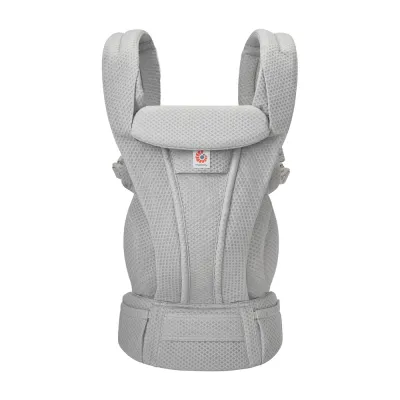
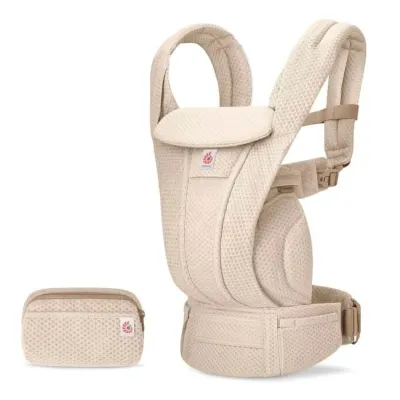
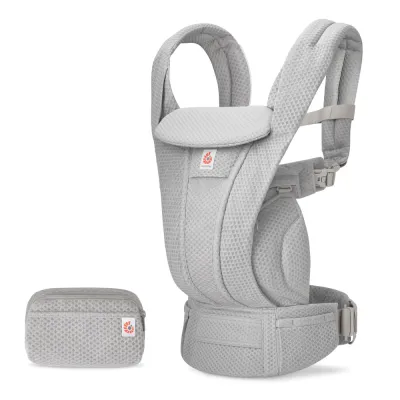
Prices are valid at publication and may change. Please refer to the product page for the latest price.
To maintain this M-seat position as your baby grows, a carrier must feature an adjustable seat base. Some premium models utilize adjustable Velcro tabs, buttons, or slider tracks along the waistband to narrow or widen the seat. Without this adjustability, a newborn’s legs may be forced into an uncomfortable overextended split, or an older baby’s legs may dangle straight down, placing unnecessary strain on their developing joints. Always inspect how a carrier transitions between these seat widths to ensure a continuous ergonomic fit.
Head and neck support is another essential feature, particularly during the first few months when infants lack independent head control. Look for carriers that include a structured, adjustable neck support cushion that can be flipped up and buttoned into place for newborns, or folded down as they gain upper body strength. This support is also crucial for securing a sleeping baby’s head, preventing it from slumping forward or backward and keeping their airway clear.
For the wearer, the key to long-term comfort lies in how the carrier distributes the baby’s weight. A dedicated lumbar support pad integrated into the waistband is highly effective at transferring weight from the shoulders to the hips. This feature helps maintain your natural spinal alignment, reducing the tendency to lean forward or backward to compensate for the baby’s weight. When comparing carriers, assess the firmness and coverage of this lumbar support to ensure it provides adequate stability for your lower back.
Ergobaby Omni Deluxe: Design Specifications and Fit Conditions
The Ergobaby Omni Deluxe is engineered as an all-in-one carrier, but its effectiveness depends on adhering to specific manufacturer guidelines and fit conditions. Before using the carrier, parents must consult the official product documentation to verify the exact weight and height limits. While designed to accommodate newborns without the need for a separate infant insert, ensuring your baby meets the minimum weight requirement is critical for maintaining a safe, snug fit that keeps their airway completely unobstructed.

One of the defining features of the Omni Deluxe is its dual-option shoulder strap design, which allows for both parallel and crossed configurations. The crossed-strap option (forming an “X” on the wearer’s back) is particularly advantageous for parents with narrower shoulders or a smaller frame. By crossing the straps, the weight is pulled closer to your center of gravity, preventing the straps from slipping outward and distributing the load more evenly across your upper back.
Conversely, the parallel strap configuration (worn like a traditional backpack with a chest strap) may be preferred by wearers with broader shoulders. This setup can be easier to put on independently once the straps are adjusted to your body. Testing both configurations is highly recommended to determine which style minimizes pressure points on your neck and shoulders during extended wear.
Given the warm and humid climate of Singapore, heat retention is a common concern for parents using structured carriers. The Omni Deluxe features breathable mesh panels designed to facilitate airflow between the parent and baby, helping to regulate temperature during outdoor walks. To preserve the performance and structural integrity of these technical fabrics, always follow the manufacturer’s care instructions. Washing the carrier on a gentle cycle with a mild, baby-safe detergent and allowing it to air dry away from direct sunlight prevents the mesh and elastic components from degrading over time.
Comparing Carrier Fit: Parent Comfort and Adjustability
Achieving an ergonomic fit requires a carrier that can be customized to your unique body proportions. When comparing different premium models, start by measuring and comparing the waistband width and padding. A wider, more substantially padded waistband offers superior weight distribution, but it must sit comfortably against your pelvic bones. If the waistband is too rigid or wide for your torso length, it may dig into your thighs or ribs when you sit down, causing discomfort during daily activities.
The adjustable range of the waistband is another critical factor to verify. Ensure the webbing can be tightened sufficiently to create a snug, secure fit around your waist or upper hips. A loose waistband allows the carrier to sag forward under the baby’s weight, which immediately transfers the strain to your shoulders and lower back, defeating the purpose of the ergonomic design.
Shoulder strap adjustability should also be tested thoroughly. Look for carriers with dual-adjustment buckles that allow you to tighten or loosen the straps from both the front and the back. This flexibility makes it much easier to adjust the fit on the go, especially when transitioning the carrier between caregivers of different sizes. The padding on the straps should rest flat against your collarbones without pinching or rubbing against your neck.
Petite or taller parents often face unique fit challenges that standard carrier designs may not fully address. Petite wearers should check if the shoulder straps can be shortened enough to keep the baby positioned “close enough to kiss” without running out of adjustable webbing. Taller parents, on the other hand, should verify that the waistband and shoulder straps have ample length to accommodate a longer torso comfortably. If possible, visit a local retailer in Singapore to try on different models with a weighted demo doll, or ensure the retailer has a flexible return policy so you can test the fit at home.
Safety Standards, Certifications, and Usage Limits
While comfort and ergonomics are important, safety is the absolute priority when using any baby carrier. Always locate and read the manufacturer’s safety label permanently attached to the carrier. This label contains essential safety warnings, weight limits, and age restrictions that must be strictly observed. Never rely on general product descriptions or online reviews to determine if a carrier is safe for your baby’s current developmental stage.
To verify ergonomic claims, look for recognized certifications on the product packaging or official website. The International Hip Dysplasia Institute (IHDI) evaluates baby carriers to determine if they support healthy hip development, labeling compliant products as “hip-healthy.” Checking for these official certification logos provides reassurance that the carrier’s design has been independently assessed by medical experts.
Before every use, perform a quick visual and physical inspection of the carrier to identify any potential safety hazards. Examine the stitching along high-stress areas, such as where the shoulder straps and waistband connect to the main body of the carrier, looking for any signs of fraying or loose threads. Inspect all plastic buckles and fasteners for cracks, chips, or warping that could compromise their locking mechanism.
If you discover any damage, such as a cracked buckle, torn fabric, or compromised stitching, immediately stop using the carrier. Do not attempt to repair these structural elements yourself with household sewing kits or adhesive, as they may not withstand the dynamic forces of carrying a baby. Contact the manufacturer’s customer service department to inquire about replacement parts or warranty coverage, or consult a professional babywearing educator for guidance.
Decision Framework: Choosing the Right Premium Carrier
Selecting the right premium carrier involves balancing your baby’s developmental needs with your own physical comfort and lifestyle. The Ergobaby Omni Deluxe is an excellent choice if you are looking for a highly versatile, all-in-one carrier that can be used from birth through toddlerhood without the hassle of separate inserts. Its ability to switch between parallel and crossed shoulder straps makes it highly adaptable for households where multiple caregivers of different body types share the carrying duties.
However, an alternative premium carrier might be more suitable if you have highly specific structural preferences. For instance, if you prefer a carrier with a minimalist, lightweight fabric design rather than a structured, padded frame, or if you require a specialized toddler carrier with an extra-wide seat panel for an older child, exploring other premium brands may yield a better fit. Additionally, some parents prefer carriers with magnetic buckles or simplified adjustment systems that require fewer steps to secure.
Before making a final purchase, it is crucial to consider any personal physical limitations or medical history. If you experience chronic back pain, shoulder issues, or are recovering from a difficult birth or cesarean section, consult a healthcare professional, such as a physiotherapist or doctor. They can provide personalized advice on whether babywearing is safe for you and help you identify the specific carrier styles and strap configurations that will minimize strain on your body during recovery.
Community discussion
Share your experience or ask a question. Comments are reviewed before publication.