
Selecting the right baby carrier is one of the most significant decisions for new parents, directly impacting daily mobility and physical comfort. The Ergobaby Omni Deluxe stands out as a highly adjustable, structured, all-in-one carrier designed to support your child from the newborn stage through toddlerhood without requiring a separate infant insert. If you are looking for a single, robust carrier that offers exceptional lumbar support and easily adjusts between different caregivers, the Omni Deluxe is an excellent choice. However, if your daily routine in Singapore’s warm climate demands an ultra-lightweight, highly packable option for quick trips, or if you prefer the intimate, snug feel of a fabric wrap for the early weeks, alternative ergonomic designs may better suit your lifestyle.
In the context of baby gear, “ergonomic” refers to designs that support the natural physiological development of your baby while distributing their weight evenly across your body. For the baby, this means maintaining a posture that respects their developing joints. For the parent, it means transferring the baby’s weight from the shoulders to the hips, reducing strain on the lower back and neck during extended wear.
The design philosophy behind the Omni Deluxe centers on versatility and structured support. It is engineered to accommodate multiple carrying positions—including front-inward, front-outward, hip, and back carry—while providing a highly adjustable frame. This structured approach ensures that as your baby grows, the carrier can be resized using integrated sliders or tabs, maintaining an optimal fit at every developmental milestone.
Products mentioned in this guide
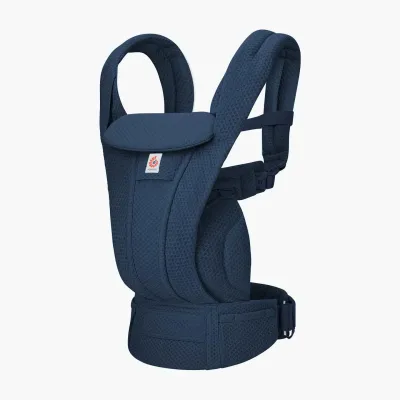
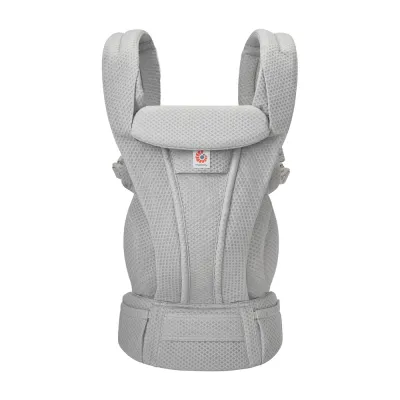
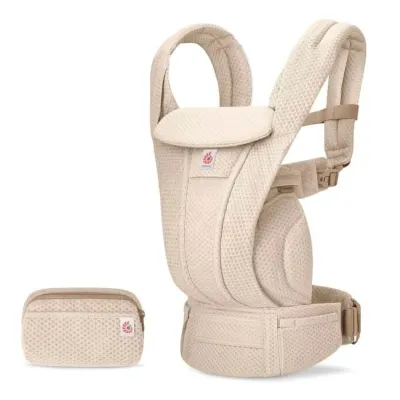
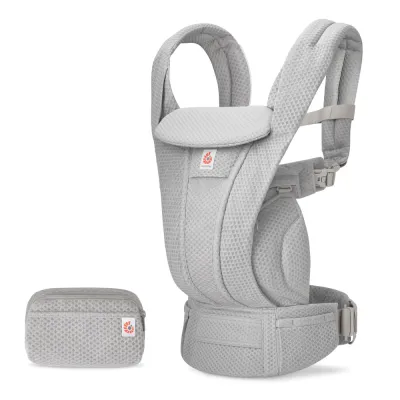
Prices are valid at publication and may change. Please refer to the product page for the latest price.
Core Dimensions for Evaluating Baby Carrier Comfort and Safety
When evaluating any ergonomic carrier, the primary safety and developmental check is how it supports the baby’s body. You should look for a design that facilitates the recommended “M” shape hip position, where the baby’s knees are supported and sit higher than their bottom. This alignment reduces the risk of hip dysplasia by keeping the hip joints in a natural, secure position. Additionally, the carrier’s back panel must support the natural “C” curve of a baby’s developing spine, preventing them from slumping or having their chin pressed against their chest, which can compromise their airway. Always verify these positioning guidelines in the manufacturer’s manual.
Carrying a growing baby for hours requires a system that protects your own body from strain. Key features to evaluate include the width and thickness of the waistband padding, the style of the shoulder straps, and the presence of dedicated lumbar support. Some carriers feature crossable shoulder straps, which can help distribute weight more evenly across the back for parents with narrower shoulders, while others rely on traditional backpack-style straps. A structured lumbar support pad on the waistband is particularly beneficial for minimizing lower back fatigue during long walks through shopping malls or parks.
A truly versatile ergonomic carrier adapts to your baby’s changing size without requiring you to purchase additional accessories. Look closely at how the seat width is adjusted. Some carriers use velcro tabs on the inside of the waistband, while others utilize buttons or sliders. The goal is to ensure the fabric always extends from knee-to-knee to support the “M” position, without forcing the baby’s lower legs into an awkward angle. Carriers that do not require a separate infant insert typically feature a highly adjustable neck support cushion and a customizable seat base that can be narrowed for newborns.
A carrier that is too complicated to put on independently often ends up left in the closet. Consider the placement of the buckles and adjusters. Can you reach the back buckle on your own, or does the carrier allow you to cross the straps and buckle them at the front? One-handed adjustments are incredibly useful when you are holding a fussy baby. You should also evaluate how easy it is to transition the baby between different carrying positions, such as moving from parent-facing to outward-facing, without having to take the entire carrier off.
Ergobaby Omni Deluxe vs. Alternative Ergonomic Carriers
Minimalist soft-structured carriers prioritize lightweight fabrics and a compact footprint. They often lack the heavy padding and structured lumbar support found in the Omni Deluxe, making them much easier to fold up and store in a stroller basket or diaper bag. For parents navigating the warm and humid climate of Singapore, a minimalist carrier made of thin, breathable fabric can feel cooler during outdoor errands. However, the trade-off is comfort during extended wear; without the robust waistband and thick shoulder padding of the Omni Deluxe, you may feel the baby’s weight much sooner, particularly as they grow heavier.

Wrap-style carriers, made of long sheets of stretchy fabric, and hybrid carriers, which combine wrap-like fabric with a structured waistband, excel at providing a snug, womb-like environment for newborns. They offer a highly customized fit that molds perfectly to both the parent’s and baby’s bodies. However, wraps come with a steep learning curve, requiring practice to tie securely and safely. They also lack the structured support needed for older, heavier babies. The Omni Deluxe, by contrast, uses quick-click buckles and structured panels that offer immediate security and a much faster setup, making it more practical for quick transitions when getting in and out of a car or taxi.
When comparing the Omni Deluxe to other premium all-in-one structured carriers on the market, the differences often lie in the details of strap configurations, storage solutions, and fabric options. Some premium competitors offer unique magnetic buckles that snap together automatically, while others focus on specialized airflow mesh fabrics designed specifically for tropical climates. When evaluating these options, check the manufacturer’s specifications for the weight of the carrier itself, the inclusion of detachable storage pouches, and whether the shoulder straps can be crossed. These small design variations can significantly impact your daily comfort depending on your body shape and carrying preferences.
Decision Framework: Which Carrier Should You Choose?
Choose the Ergobaby Omni Deluxe if you are looking for a long-term investment that serves as your primary carrier from day one through the toddler years. It is particularly well-suited for households where multiple caregivers of different heights and builds will share the carrier, as the adjustable sliders and straps allow for quick customization. If you plan on taking long walks, traveling, or wearing your baby for extended periods, the robust lumbar support and padded straps will help prevent physical fatigue. While investing S$200 to S$300 in a premium carrier is a significant upfront cost, the durability and multi-year usability often justify the expense for active families.
Choose a minimalist alternative if your primary use case involves quick trips, indoor wear, or navigating crowded spaces where a bulky carrier would feel cumbersome. If you have limited storage space in your stroller or diaper bag, a minimalist carrier’s ability to roll up tightly is a major advantage. This option is also ideal for parents who prioritize maximum airflow and are willing to sacrifice some long-term carrying comfort for a cooler, lighter experience.
Choose a wrap or hybrid carrier if you want to focus entirely on the “fourth trimester” and prioritize maximum closeness with your newborn. If you find the structured panels and buckles of traditional carriers intimidating or uncomfortable against your body during the early weeks postpartum, the soft, conforming nature of a fabric wrap can provide a gentler transition. Keep in mind that you will likely need to transition to a more structured carrier as your baby’s weight increases.
Neither may fit if you are recovering from a difficult birth, a cesarean section, or have pre-existing back or pelvic floor issues. The pressure of a structured waistband can sometimes aggravate sensitive areas during postpartum recovery. Always consult a qualified healthcare professional or a certified babywearing consultant to ensure that using a structured carrier is safe for your specific physical recovery timeline.
Essential Checks Before Purchasing Your Carrier
Before finalizing your purchase, it is crucial to perform a few practical checks to ensure the carrier is safe, authentic, and a good fit for your family. First, verify the manufacturer’s exact weight and height limits on the official product page. While many all-in-one carriers claim newborn readiness, some have a minimum weight requirement (such as 3.2 kg) that a small or premature newborn might not meet immediately. Similarly, check the maximum weight limit to understand when you will need to transition to a toddler-specific carrier.
Second, protect your investment and your baby’s safety by checking for authentic safety certifications and warranty terms. The baby gear market has seen an increase in counterfeit products, particularly on online marketplaces. Purchasing from an authorized retail store or directly from the brand’s official channel ensures you receive a genuine product that has undergone rigorous safety testing. Look for certifications from recognized international hip health organizations on the product label.
Finally, review the retailer’s return policy before checking out. Because every body shape is unique, a carrier that feels comfortable for one parent might cause pressure points for another. Testing the carrier at home with a weighted doll or during a calm moment with your baby—while keeping the tags attached—allows you to assess the fit, buckle placement, and overall comfort risk-free.
Frequently Asked Questions (FAQ)
Do I need an infant insert for the Ergobaby Omni Deluxe?
No, the Ergobaby Omni series is specifically designed to be used from birth without the need for a separate infant insert. The carrier features an adjustable seat base and a supportive neck cushion that can be configured to safely support a newborn’s smaller frame. However, parents must always verify that their baby meets the manufacturer’s minimum weight requirement, which is typically printed on the product label or detailed in the user manual, before their first use.

Community discussion
Share your experience or ask a question. Comments are reviewed before publication.