
The Ergobaby Omni Breeze is widely regarded as one of the most breathable baby carriers on the market, making it highly suitable for Singapore’s tropical climate. However, it is essential to set realistic expectations before stepping out into the midday heat. The carrier’s SoftFlex mesh design significantly improves airflow and ventilation compared to standard cotton or canvas carriers, but it cannot create an air-conditioned environment. When babywearing, a substantial amount of body heat is naturally transferred directly between you and your baby where your bodies meet. In Singapore’s persistently high humidity, sweat cannot evaporate efficiently from the skin or fabric. Consequently, while the Omni Breeze will feel considerably cooler and dry much faster than traditional alternatives, both you and your baby may still experience dampness and warmth during extended outdoor use.
Mesh Design and Airflow: What Keeps You Cool
To understand why the Ergobaby Omni Breeze performs well in warm climates, it helps to examine its structural design. The standout feature of this carrier is the SoftFlex mesh, which covers almost the entirety of the main panel, waistband, and shoulder straps. This material utilizes a unique diamond-knit structure where a high density of open-weave holes allows air to pass through freely. This design is engineered specifically to maximize ventilation across the baby’s back and the caregiver’s torso‑the two primary zones where heat is trapped during babywearing.
Additionally, the lightweight nature of these synthetic mesh materials reduces the overall thermal mass of the carrier. Unlike thick, multi-layered cotton carriers that absorb and retain heat, the thin mesh layers act as a minimal barrier between the baby and the surrounding air.
Products mentioned in this guide
![[Ready stock] Ergo baby Carrier Ergonomics Kangaroo Infant Omni Breeze All-In-One Breathable Air Mesh 0-48 Months 3-20kg](https://img.lazcdn.com/g/p/d6948befeffb2fca708dbf5ed12936a6.jpg_400x400q80.jpg_.webp)
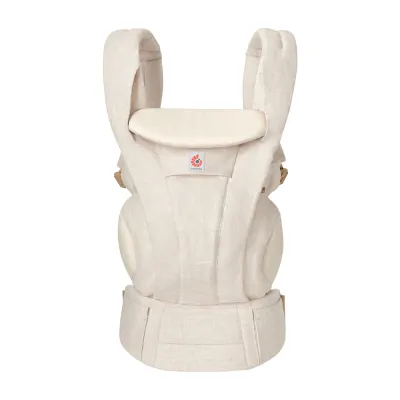
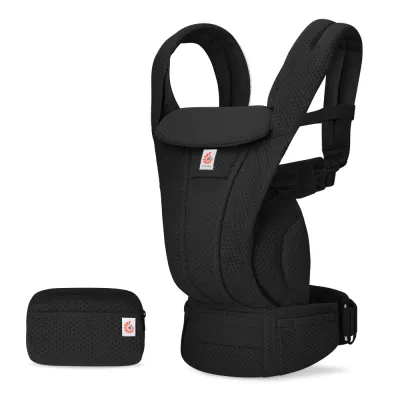
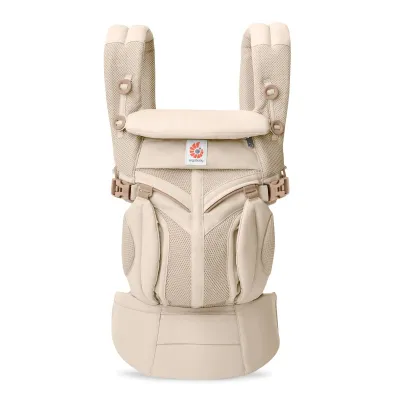
Prices are valid at publication and may change. Please refer to the product page for the latest price.
When evaluating the carrier, you can physically inspect these features to verify its breathability. Hold the panel up to a light source to observe the density of the mesh pores; you will see that the diamond-knit structure creates clear pathways for air movement. Additionally, pay attention to the airflow channels built into the lumbar support and the waistbelt. These channels are designed to prevent sweat from pooling against your lower back, a common pain point for parents walking through Singapore’s outdoor spaces. By facilitating continuous air circulation, the carrier helps dissipate body heat more rapidly than closed-weave fabrics, though the actual cooling effect remains dependent on ambient wind and movement.
Furthermore, the carrier is designed to accommodate babies from newborn to toddler stages, typically spanning a weight range of 3.2 kg to 20.4 kg (7 lbs to 45 lbs) without the need for a separate infant insert. This is a crucial safety and comfort consideration: older carrier models often required a thick, padded cotton infant insert for newborns, which acted as a heavy insulating layer. By eliminating this insert, the Omni Breeze ensures that even the youngest, most vulnerable infants can benefit from direct airflow through the SoftFlex mesh from day one. As your baby grows and their weight increases, their physical contact area with your body also expands, making the continuous ventilation of the mesh panel even more vital to prevent localized heat buildup.
Managing High Humidity: Comfort Limits and Overheating Signals
Singapore’s climate presents a unique challenge: high relative humidity, which often hovers above 80%. In these conditions, the physical mechanism of evaporative cooling is severely compromised. Under normal circumstances, the body releases sweat, which evaporates into the air and cools the skin. When the air is already saturated with water vapor, sweat remains on the skin and fabric, leading to a sticky, clammy sensation. No mesh fabric, regardless of how advanced its engineering, can bypass this law of physics. This makes active monitoring of your baby’s comfort and health a critical responsibility.

Infants are significantly more vulnerable to heat-related issues than adults because their bodies have a higher surface-area-to-mass ratio and their thermoregulatory systems are still developing. They cannot sweat as effectively to cool down, meaning they can overheat rapidly. Caregivers must look for clear, observable signs of thermal distress rather than assuming the carrier’s mesh is doing all the work.
Key indicators of infant overheating include:
- Damp or sweaty skin: Check the back of your baby's neck, chest, or upper back. Dampness in these areas suggests their body is struggling to cool down.
- Flushed or red cheeks: A highly visible sign of heat accumulation.
- Rapid, shallow breathing: An effort by the infant's body to expel excess heat.
- Heat rash: Small, red bumps appearing in skin folds or areas covered by the carrier.
- Behavioral changes: Extreme fussiness, irritability, or conversely, unusual lethargy and difficulty waking up.
If you observe any of these signs, you must act immediately. Remove your baby from the carrier, move to a shaded or air-conditioned environment, and offer a feed (breastmilk or formula for infants) to prevent dehydration. If your baby’s symptoms do not improve quickly, or if they appear unresponsive or excessively lethargic, seek professional medical attention immediately. Do not rely on the carrier’s breathable design as a safeguard against prolonged heat exposure.
Mesh vs. Standard Canvas: Which is Better for Hot Weather?
When deciding whether to invest in a mesh carrier like the Omni Breeze, a direct comparison with standard canvas or cotton options highlights the practical trade-offs. Standard canvas carriers are typically constructed from heavy, tightly woven natural fibers. While these materials are durable and offer a classic aesthetic, they act as thermal insulators. In a tropical climate, wearing a canvas carrier can feel like wrapping yourself and your baby in a thick blanket, leading to rapid heat buildup and excessive sweating.
The Omni Breeze offers several distinct advantages across key hot-weather performance dimensions:
- Airflow: The open-mesh panels allow ambient breezes to reach the baby’s skin, whereas canvas acts as a solid wind barrier.
- Overall Weight: Mesh carriers are inherently lighter, reducing the physical exertion and subsequent heat generation of the caregiver.
- Drying Speed: When exposed to sweat or unexpected tropical downpours, synthetic mesh dries in a fraction of the time required for heavy canvas, preventing the carrier from remaining damp and heavy throughout the day.
However, there are minor trade-offs to consider. Standard canvas carriers often provide a highly structured, rigid feel that some parents find reassuring for support. Mesh fabrics are softer and more flexible, which can feel different against the body. Additionally, some users find that the textured surface of mesh can feel slightly abrasive against bare, sensitive skin if the baby is wearing only a diaper. Nevertheless, for daily use in a hot and humid environment, the thermal comfort and rapid-drying properties of a mesh carrier generally present a clear advantage over traditional canvas.
From a long-term durability perspective, synthetic mesh is highly resistant to the stretching and warping that can sometimes affect natural cotton fibers after repeated exposure to moisture and washing. While cotton may feel slightly cozier for indoor use in heavily air-conditioned spaces, it quickly becomes heavy and saggy when saturated with sweat outdoors. The structural integrity of the Omni Breeze’s mesh ensures that the carrier maintains its ergonomic “M-shape” positioning‑which is critical for healthy hip development‑even when wet, providing consistent support without compromising on ventilation.
Practical Tips for Outdoor Use in Hot Climates
To maximize the performance of the Ergobaby Omni Breeze and ensure a safe, comfortable experience outdoors, parents can adopt several practical strategies:
- Choose Appropriate Clothing: Both you and your baby should wear lightweight, loose-fitting, and light-colored clothing made from breathable natural fibers like bamboo or thin cotton, or technical moisture-wicking fabrics. Avoid dressing your baby in multiple layers or thick fabrics, as these will block the airflow provided by the carrier's mesh panels.
- Time Your Outings Wisely: Plan outdoor activities for the cooler parts of the day, such as early morning (before 9:00 AM) or late evening (after 5:00 PM). Avoid carrying your baby outdoors during peak UV and temperature hours, typically between 10:00 AM and 4:00 PM.
- Provide Physical Shade: It is vital to remember that mesh fabric does not block ultraviolet (UV) radiation. Always protect your baby's delicate skin by using physical barriers. A wide-brimmed sun hat, a clip-on stroller umbrella attached strategically, or carrying a handheld parasol can block direct sunlight without restricting the airflow around the carrier.
- Prioritize Hydration: Increased perspiration in tropical weather accelerates fluid loss. Ensure you carry adequate water for yourself, and perform regular feeding checks for your baby. Breastfed babies may require more frequent, shorter feeds in hot weather to stay hydrated, while formula-fed babies should be monitored closely for wet diapers.
- Take Regular Breaks: Do not keep your baby in the carrier indefinitely. Every 30 to 45 minutes, find an air-conditioned space or a shaded bench to take your baby out of the carrier. This allows both of your bodies to cool down, lets air circulate directly to the damp contact zones, and gives you a chance to stretch and check your baby's skin.
- Monitor Safety and Fit: When adjusting the carrier in hot weather, ensure you maintain the core safety rules of babywearing. The baby's face must always remain visible and clear of any fabric, and they should be positioned "close enough to kiss" with their chin off their chest. While it might be tempting to loosen the straps slightly to allow more airflow between your bodies, doing so can compromise the safety and ergonomic support of the carrier, leading to physical strain for you and potential positioning hazards for your baby. Keep the straps snug and secure, and rely on regular breaks rather than loose adjustments to manage heat.
Cleaning and Drying Your Carrier in a Humid Climate
In Singapore’s humid climate, baby carriers are subjected to constant sweat, sunscreen residue, and salt buildup. If left unwashed, these substances can degrade the fabric, corrode buckles, and create an environment ripe for mold, mildew, and unpleasant odors. Proper maintenance is essential to preserve the structural integrity and hygiene of your carrier.
To clean your carrier safely:
- Consult the Care Label: Before washing, always check the manufacturer's care label attached to your specific Ergobaby Omni Breeze. Verify the recommended water temperature limits and any specific instructions regarding the lumbar support or waistband buckle.
- Pre-Treat and Wash: Fasten all hook-and-loop fasteners and buckles to prevent snagging. Place the carrier in a mesh laundry bag and use a mild, bleach-free liquid detergent. Wash on a gentle cycle with cold water. Avoid fabric softeners, as they can coat the mesh fibers and reduce their moisture-wicking efficiency.
- Dry Thoroughly: In high humidity, drying fabric can take a long time, increasing the risk of mildew. Never store a carrier that is even slightly damp. Hang the carrier to dry in a well-ventilated indoor area, ideally assisted by a ceiling fan, standing fan, or dehumidifier. Avoid drying the carrier in direct, harsh sunlight, as prolonged UV exposure can weaken synthetic mesh fibers and fade the colors over time.
Additionally, pay close attention to the padded areas of the carrier, such as the shoulder straps and the lumbar support pad. These thicker sections contain foam padding that retains moisture much longer than the single-layer mesh panels. When checking if the carrier is dry, squeeze these padded sections firmly to ensure no dampness remains trapped inside before folding and storing the carrier in a closed cupboard.
Frequently Asked Questions (FAQ)
Can I use the Ergobaby Omni Breeze outdoors in direct sunlight?
While the Ergobaby Omni Breeze is designed to keep you and your baby cool, its open-weave mesh fabric does not provide complete protection against harmful ultraviolet (UV) rays. When using the carrier outdoors, you must take active steps to protect your baby’s skin. Dress your baby in lightweight clothing that covers their limbs, use a breathable, wide-brimmed sun hat, and utilize physical shade such as an umbrella or parasol. Additionally, try to limit outdoor babywearing during peak sun hours, typically between 10:00 AM and 4:00 PM, when the heat index and UV levels are at their highest.
How do I know if my baby is too hot in the carrier?
To determine if your baby is overheating, do not rely on the temperature of their hands or feet, as these limbs naturally feel cooler. Instead, place your hand inside the carrier to check the back of their neck, chest, or upper back. If these areas feel hot or damp with sweat, your baby is too warm. Other critical signs include flushed red cheeks, rapid or heavy breathing, heat rash, extreme fussiness, or unusual lethargy. If you notice any of these signs, immediately remove your baby from the carrier, move to an air-conditioned or shaded area, offer a feed, and consult a healthcare professional if symptoms persist.
Community discussion
Share your experience or ask a question. Comments are reviewed before publication.