
The Ergobaby hip seat is designed to provide a firm, supportive shelf that shifts a baby’s weight from the caregiver’s upper back and shoulders down to the hips, while simultaneously positioning the baby’s pelvis in a stable, comfortable alignment. By combining a structured base with adjustable straps, this carrier style aims to make carrying older infants more manageable during daily activities, especially when frequent transitions between carrying and walking occur. Evaluating the specific ergonomic features of this gear allows parents to determine if it aligns with their baby’s physical development and their own carrying needs.
Decoding the Ergonomic Design Features
The physical structure of a hip seat carrier differs significantly from traditional soft-structured carriers, relying on a solid, molded base to support the child’s weight. Understanding how these individual design elements function helps parents assess the comfort and safety of the carrier for both the adult and the baby.
A key element of the design is the seat angle and tilt. The molded base is typically engineered with a slight upward slope toward the caregiver’s body. This intentional angle helps prevent the baby from sliding forward or shifting away from the caregiver, encouraging a more upright and centered posture that aligns naturally with the adult’s center of gravity.
Products mentioned in this guide
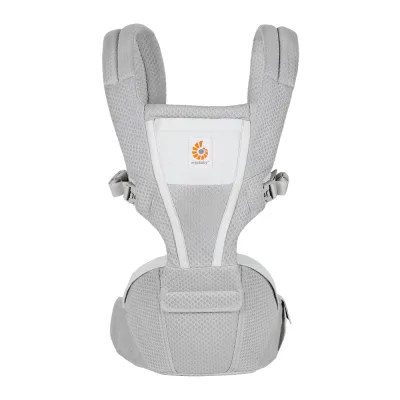
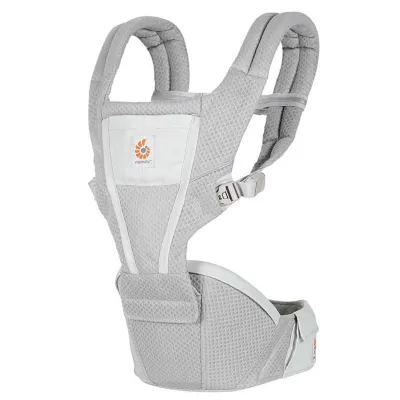

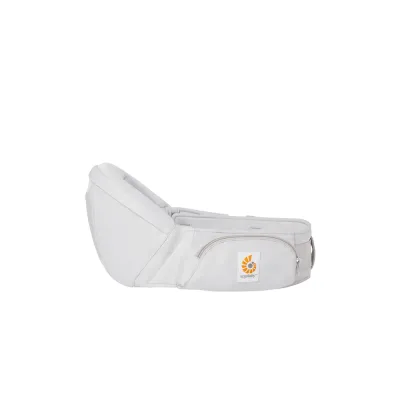
Prices are valid at publication and may change. Please refer to the product page for the latest price.
The width and surface texture of the seat base also play critical roles in stability. A wide base ensures that the baby’s thighs are supported across a broad surface rather than resting solely on the crotch area. Many models incorporate a textured, non-slip material on the top surface of the seat to reduce shifting, helping to keep the baby securely positioned even when they move.
For the caregiver, the waistband and weight distribution system are vital for long-term comfort. The wide, structured belt is designed to wrap tightly around the waist or hips, transferring the downward force of the baby’s weight to the caregiver’s core and pelvis. This distribution helps minimize localized strain on the lower back and shoulders, which is particularly beneficial during longer carrying sessions in warm climates like Singapore.
How These Features Promote Healthy Hip Alignment
Proper hip positioning is essential during infancy, as a baby’s joints are still developing and consist largely of pliable cartilage. Ergonomic carriers are designed to support this development by maintaining positions that minimize stress on the hip sockets.

The primary goal of an ergonomic seat is to facilitate the “M-shape” or spread-squat position. In this position, the baby’s hips are spread wide, the thighs are supported, and the knees are bent so they rest at or slightly above the level of the hip joint. The wide base of the hip seat is designed to naturally encourage this alignment, preventing the legs from dangling straight down.
Supporting the thighs all the way to the knee joints is crucial for reducing downward pull on the hip joint. When a carrier lacks sufficient seat width, the weight of the lower legs can pull the thigh bone outward from the socket, potentially placing undue stress on the developing joint. A supportive, wide platform helps distribute this weight evenly across the thighs and buttocks.
However, achieving this healthy alignment depends heavily on the baby’s developmental stage. A hip seat is not suitable for newborns or very young infants who lack the physical strength to maintain an upright posture. Proper ergonomic positioning is only possible when the baby has achieved sufficient trunk and head control to sit stably on the platform.
Essential Safety Checks and Usage Limits
Before using any hip seat carrier, caregivers must verify specific safety markers and manufacturer guidelines to ensure the product is appropriate for their child’s current size and development.
First, always check the product packaging, label, or user manual for the exact minimum and maximum weight limits. These limits vary by model and must be strictly followed to prevent structural failure or instability. Never assume a carrier is suitable based solely on the baby’s age, as weight and physical development are the primary safety indicators.
Assess your baby’s developmental readiness before transitioning to a hip seat. The baby must demonstrate strong, independent head and neck control, as well as the ability to sit upright with minimal support. If your baby tends to slump or lean heavily to one side when placed on the seat, they may not yet have the core strength required for this style of carrier.
When purchasing, look for recognized hip-healthy acknowledgments, such as a designation from the International Hip Dysplasia Institute, on the official packaging or product documentation. These markers indicate that the carrier’s design has been evaluated for its ability to support healthy hip joint alignment when used according to the manufacturer’s instructions.
Proper caregiver fit is equally important for maintaining the correct seat angle. The waistband must be fastened snugly and positioned high on the waist, rather than sagging down on the hips. A loose waistband can cause the seat to tilt downward, which compromises the baby’s positioning and increases the physical strain on the caregiver’s lower back.
Frequently Asked Questions (FAQ)
Can a hip seat cause hip dysplasia if used incorrectly?
While ergonomic hip seats are designed to support healthy joint development, improper use can place unnecessary stress on a baby’s hips. For example, placing a baby in the carrier before they have developed sufficient core strength, or allowing their legs to dangle without proper thigh support, can compromise joint alignment. If you have concerns about your baby’s hip development or joint tightness, consult a pediatrician for a professional assessment and personalized guidance.
How long can a baby safely sit in a hip seat at one time?
The safe duration for using a hip seat depends on your baby’s age, physical comfort, and your own fatigue levels. Caregivers should monitor their baby for signs of restlessness or discomfort and refer to the manufacturer’s user manual for any specific recommended time limits. Taking frequent breaks allows both the baby and the caregiver to stretch, move freely, and change positions, which helps prevent muscle fatigue and pressure points.
Community discussion
Share your experience or ask a question. Comments are reviewed before publication.