
Choosing the right baby carrier is one of the most important decisions you will make during your child’s first few months. The Ergobaby Embrace is designed specifically to bridge the gap between a soft wrap and a structured carrier, targeting the delicate newborn stage. Understanding its specific ergonomic features allows you to ensure safe positioning for your baby and comfortable wear for yourself before making a purchase. By evaluating how this model supports your infant’s developing body, you can make an informed choice that fits your family’s daily routine.
Decoding the Seat and Posture Design for Newborns
A newborn’s musculoskeletal system is incredibly delicate, requiring targeted support to promote healthy physical development. When evaluating the Ergobaby Embrace, the seat design is a critical element to analyze. You should check the official product instructions to see how the seat width adjusts, particularly how the waistband can be rolled or folded to shorten the panel and narrow the seat for smaller infants. This adjustment ensures that the fabric does not force a tiny baby’s legs too far apart, which could strain their developing joints.
Proper hip positioning is essential during the first few months of life when a baby’s hips are still primarily made of soft cartilage. Ergonomic carriers aim to provide knee-to-knee support, which keeps the baby’s thighs spread and supported, with the knees bent and positioned slightly higher than the hips. This configuration, often referred to as the M-position, helps keep the hip joint securely in its socket. Ensuring the carrier maintains this alignment is a key step in supporting healthy hip development.
Products mentioned in this guide
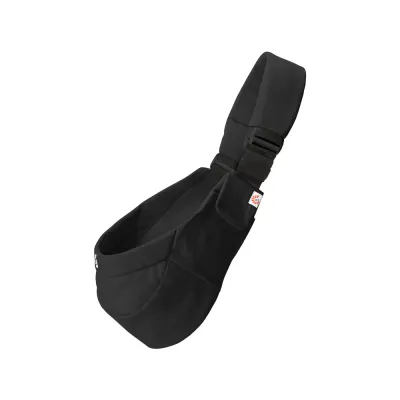
![[10 years warranty] Ergobaby Upsie Sling Carrier - 5 Colors](https://img.lazcdn.com/g/p/d255931c6056ab96a53f4aef16063d4f.jpg_400x400q80.jpg_.webp)
Prices are valid at publication and may change. Please refer to the product page for the latest price.
In addition to hip alignment, a newborn’s spine naturally curves in a gentle C-shape, known as a fetal tuck. Unlike older babies who develop the strength to hold their heads up and straighten their backs, newborns require a carrier that supports this natural curvature without forcing the spine into an unnaturally straight position. You should verify the manufacturer’s guidelines to ensure you are adjusting the fabric panels correctly to preserve this natural spinal curve while keeping the baby secure and close to your chest.
How the Harness and Straps Distribute Parent Weight
While baby comfort is paramount, caregiver comfort is equally vital for successful, long-term babywearing. The Ergobaby Embrace utilizes a specific strap configuration designed to distribute your baby’s weight evenly across your upper body. Unlike standard backpack-style straps that run straight down your shoulders, this model features spreadable shoulder straps that cross over your back in an X pattern. This design helps distribute the weight across a wider surface area of your shoulders and back, reducing localized pressure points and muscle fatigue.

The waistband is another critical component of the weight-distribution system. A wide, supportive waistband helps transfer a significant portion of the baby’s weight from your shoulders down to your hips. When researching this carrier, look closely at the waistband’s padding and width specifications to ensure it provides adequate lower back support, especially if you plan on wearing your baby for extended periods during daily chores or walks.
Additionally, you should check the adjustability of the sternum strap and overall harness system. Caregivers come in all shapes and sizes, and a highly adjustable harness ensures that both parents can share the carrier comfortably. Ensuring that the straps can be easily tightened or loosened allows you to maintain a snug, secure fit that keeps the baby’s center of gravity close to your own, which minimizes strain on your lower back and shoulders.
Fabric and Structure: Balancing Breathability and Head Support
The choice of fabric in a baby carrier directly impacts both your baby’s temperature regulation and the structural support they receive. In warm and humid climates, such as Singapore, heat retention is a common concern for parents. You should review the official fabric composition of the Ergobaby Embrace, which is typically available in soft knit or breathable mesh variations. Selecting a material that promotes adequate airflow is essential to prevent your baby from overheating while snuggled close to your body heat.
Newborns lack the neck strength to support their own heads, making built-in head and neck support a non-negotiable feature. The carrier features a padded neckline or integrated support panel designed to cushion and stabilize the baby’s head. You must consult the official manual to understand the specific conditions under which this panel should be folded up for extra support or folded down as your baby gains head control and begins to look around.
Before finalizing your purchase, always verify the care instructions and material safety labels directly on the product packaging or the official manual. Since the carrier fabric will frequently come into contact with your baby’s sensitive skin and may even be chewed on, ensuring the materials are certified free from harmful substances is a crucial safety check. Additionally, choosing a machine-washable fabric will make managing inevitable spills and spit-ups much easier.
Checking the Fit: Weight Limits and Adjustability
To ensure the carrier remains safe and comfortable, you must verify that your baby falls within the manufacturer’s specified weight limits. Locate the exact minimum and maximum weight limits on the official specification sheet before your first use. Using a carrier for a baby who is too small can pose safety risks, while exceeding the maximum weight limit can compromise the structural integrity of the carrier and cause discomfort for both of you.
As your baby grows, you will need to assess how the carrier adjusts to accommodate their changing proportions. Look for signs that your baby is outgrowing the newborn settings, such as their knees no longer being fully supported or their head extending past the protective neck panel. When these signs appear, it is time to adjust the carrier according to the manufacturer’s instructions or transition to a structured carrier designed for older infants and toddlers.
If your baby was born prematurely, has a low birth weight, or has any specific physical conditions, it is highly recommended to consult a pediatrician or a certified babywearing educator before using any carrier. They can provide personalized guidance to ensure your baby’s airway remains completely clear and their body is supported in a safe, healthy position.
Frequently Asked Questions (FAQ)
Is the Ergobaby Embrace suitable for facing out?
You should check the official manual to determine the approved carrying modes and the specific developmental milestones your baby must reach before facing outward. Generally, outward-facing positions require the baby to have strong, consistent head and neck control, which typically develops around five to six months of age.
From an ergonomic perspective, outward-facing positions can sometimes place different pressures on a baby’s developing spine and hips compared to inward-facing positions. Additionally, young infants can easily become overstimulated when facing the world without the ability to turn away and rest against their caregiver. Always follow the manufacturer’s age and weight recommendations to ensure your baby is developmentally ready for this position.
How do I know if the seat is wide enough for my newborn?
To verify if the seat is providing adequate support, perform a quick visual and physical check while your baby is in the carrier. The fabric of the seat should extend all the way from one knee crease to the other, supporting the entire thigh. The baby’s knees should be bent and positioned slightly higher than their bottom, creating a distinct M shape when viewed from behind or the side.
If the fabric bunches up or does not reach the knee creases, or if the baby’s legs are hanging straight down, the seat may not be adjusted correctly. If you feel uncertain about the fit or if your baby seems uncomfortable, consult the manufacturer’s fit guides or reach out to a certified babywearing educator for professional assistance.
Community discussion
Share your experience or ask a question. Comments are reviewed before publication.