
Identifying the absolute lightest or smallest-folding stroller depends on verifying current manufacturer specifications for the Ergobaby Alta and its direct competitors. Because brands frequently update designs, materials, and accessories, relying on static numbers can lead to unexpected surprises at the airport gate or in your car boot. This guide provides a practical framework to compare weight, folded dimensions, and real-world portability features. By understanding how to evaluate these specifications, you can determine which stroller offers the best travel convenience for your family’s unique lifestyle and transit habits.
Setting the Baseline: Ergobaby Alta and the Lightweight Category
To make an informed comparison, you must first understand what defines the lightweight and travel stroller category. Generally, a lightweight stroller is designed to prioritize ease of transport, quick folding, and a compact footprint. While traditional full-sized strollers often focus on robust multi-terrain wheels and expansive storage baskets, lightweight models streamline these features to reduce bulk. Most strollers in this category aim for a weight that is easy to lift with one hand, making them ideal for navigating busy urban environments, boarding public buses, or climbing stairs.
When evaluating the Ergobaby Alta, you should position it within this spectrum by checking its official classifications. The Ergobaby Alta is designed to offer a balance between everyday comfort and portable convenience. To verify its exact weight limits, age recommendations, and physical dimensions, always consult the official Ergobaby website or the product manual packaged with the stroller. This ensures you have the most accurate, up-to-date data, especially since regional safety standards may dictate different maximum weight capacities for the same stroller model.
Products mentioned in this guide
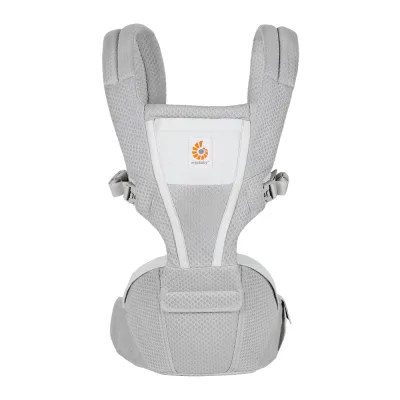
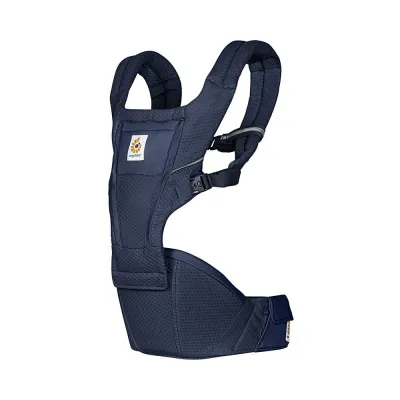
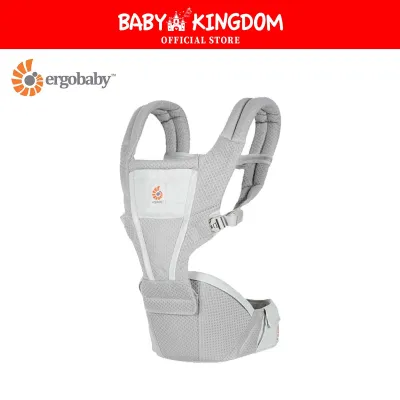
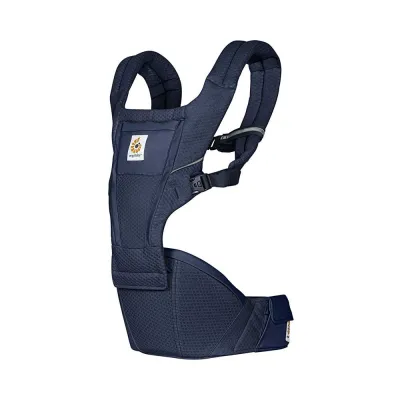
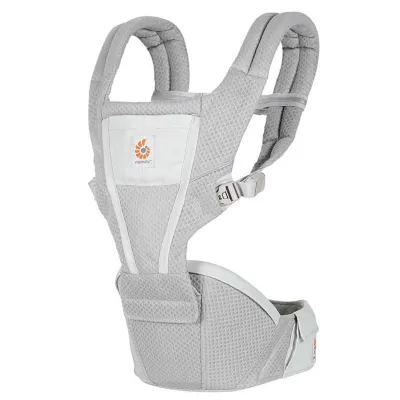
![[Ready stock]Ergo baby Alta Hip Seat Baby Carrier](https://img.lazcdn.com/g/ff/kf/S52b6452743474981b6dd588ab4f75d3aH.jpg_400x400q80.jpg_.webp)
![[Ready stock]Ergo baby Alta Hip Seat Baby Carrier](https://img.lazcdn.com/g/p/2c179e746e091486e346c48507f7eabb.jpg_400x400q80.jpg_.webp)
Prices are valid at publication and may change. Please refer to the product page for the latest price.
Comparable alternatives in this tier generally fall into two sub-categories: ultra-compact travel strollers and traditional umbrella strollers. Ultra-compact travel strollers are engineered specifically to fit into tight spaces, often folding down into a tri-fold shape that can easily slide into overhead compartments or small car boots. Traditional umbrella strollers, on the other hand, typically fold into a long, thin stick shape. While umbrella strollers are often highly affordable, they lack the modern, self-standing fold and advanced maneuverability features found in contemporary compact travel strollers like the Ergobaby Alta.
Comparing Weight and Folded Dimensions
When comparing the physical footprint of the Ergobaby Alta against other lightweight models, it is crucial to look closely at how manufacturers calculate and list their stroller weights. A common pitfall is relying on “dry” or “frame-only” weight specifications. Some brands advertise the weight of the aluminum frame alone, excluding the weight of the seat unit, canopy, bumper bar, or basket. When you are lifting a stroller into a car boot or carrying it up a flight of stairs, you will be carrying the fully assembled unit. Always verify whether the listed weight includes all essential everyday components, or if you need to add extra weight for the canopy and seat fabric.

Folded dimensions are equally critical and must be evaluated against your specific travel constraints. If you frequently travel by air, you will need to compare the stroller’s folded height, width, and depth against the strict cabin baggage limits of your preferred airlines. For daily commuting, consider how the folded stroller fits into the boot of a standard taxi or rideshare vehicle, or how much space it occupies on crowded trains during peak hours. A stroller that folds flat but remains wide may be harder to store in a narrow hallway or a compact apartment entryway than one that folds into a square, self-standing package.
Choosing a stroller always involves navigating the inherent trade-offs between ultra-lightweight frames and functional comfort features. An extremely light stroller often achieves its low weight by using smaller wheels, omitting all-wheel suspension, or reducing the padding in the seat. This can result in a bumpier ride for your child on uneven pavements and make the stroller harder to push over grass or gravel. Conversely, a slightly heavier lightweight stroller, such as the Ergobaby Alta, may incorporate better suspension, a more supportive ergonomic seat, and a larger storage basket. You must decide whether saving a few kilograms is worth sacrificing the daily comfort and maneuverability that a slightly more robust frame provides.
Portability and Folding Mechanisms in Practice
Beyond raw numbers, the practical ease of folding and transporting your stroller determines how convenient it will feel during daily use. A stroller’s folding mechanism should be intuitive and manageable when you are multitasking. Many modern strollers feature a one-hand fold mechanism, allowing you to collapse the frame while holding your baby in your other arm. When researching the Ergobaby Alta and its competitors, consult the official product manuals or watch manufacturer demonstrations to see if the fold requires multiple steps, such as removing the seat or adjusting the handlebar first. An integrated auto-lock feature is also essential, as it keeps the stroller securely closed when you lift it.
Hands-free portability features can make a significant difference when navigating busy transit hubs. Look for strollers that include integrated carry straps, built-in handles, or compatibility with dedicated travel backpacks. Being able to sling the folded stroller over your shoulder leaves your hands free to manage luggage, hold your child’s hand, or present travel documents. If you plan to purchase a separate travel bag, verify that it is designed specifically for your stroller model to ensure a snug fit that protects the frame and fabrics from damage during transit.
Finally, never assume a stroller is universally accepted as cabin baggage based on marketing terms like “travel-friendly” or “cabin-approved.” Airline cabin baggage policies are highly dynamic and vary significantly depending on the carrier, the aircraft size, and even your ticket class. Before every flight, measure your stroller’s folded dimensions yourself—including any protruding wheels or parent organizers—and cross-reference them directly with the airline’s current baggage guidelines. If your stroller exceeds the cabin limits, be prepared to gate-check the item, and ensure you have a protective bag to shield it from scratches and dirt in the cargo hold.
Decision Framework: Which Stroller Fits Your Travel Style?
To help you decide between the Ergobaby Alta and other lightweight options, consider how your typical daily routines and travel habits align with the following scenarios:
- Choose the Ergobaby Alta if: Your priority is a balanced, versatile stroller that offers ergonomic seating comfort, robust everyday maneuverability, and a reasonably compact fold. This option is ideal for parents who want a single stroller that can handle daily neighborhood walks, trips to shopping malls, and occasional family holidays without feeling flimsy. Always verify the official specifications to ensure it meets your child's current size and developmental stage.
- Choose an ultra-compact alternative if: Your absolute priority is minimizing weight and achieving the smallest possible folded footprint. This path is best suited for frequent flyers, families who rely heavily on compact public transport, or those with very limited storage space at home. Keep in mind that you may need to accept a simpler seat design, smaller wheels, and less storage capacity in exchange for this extreme portability.
- Choose a standard lightweight stroller if: You require maximum everyday durability, a large under-seat storage basket, and a highly robust frame, while folding and travel convenience are only occasional requirements. These strollers are excellent for long day trips but may be too bulky for tight airplane cabins or small car boots.
- Verify first if: You are traveling with specific airline restrictions, navigating public transit systems with strict size limits, or if your child is nearing the stroller's maximum weight capacity. Checking these details beforehand prevents safety issues and ensures a smooth, stress-free journey.
Frequently Asked Questions (FAQ)
Does the Ergobaby Alta fit in all airline overhead bins?
Overhead bin dimensions vary significantly depending on the airline carrier, the specific aircraft model, and the cabin class. No stroller can guarantee a universal fit in all overhead compartments. To determine if the Ergobaby Alta will fit on your flight, measure the stroller’s folded dimensions—including wheels and accessories—and compare them directly with your airline’s current cabin baggage allowance. If the stroller exceeds these limits, you will typically be required to gate-check the stroller before boarding.
How do I maintain the folding mechanism of a lightweight stroller?
To keep your stroller’s folding mechanism operating smoothly, perform regular visual inspections of the hinges, joints, and locking pins to check for trapped dirt, sand, or debris. Refer to the manufacturer’s manual for specific cleaning instructions and approved lubricants. Avoid using harsh household chemicals or unapproved oils, as these can degrade plastic components or attract more grime. If you notice that the auto-lock fails to engage, the frame feels unusually loose, or the folding joints stick, stop using the stroller immediately and contact customer support for guidance.

Community discussion
Share your experience or ask a question. Comments are reviewed before publication.