
Quick Answer: Which is More Practical for Daily Commutes?
Deciding between a baby carrier like the Ergobaby Alta and a lightweight stroller for daily commuting in Singapore depends on your specific route, your child’s developmental stage, and the level of crowd density you face. The Ergobaby Alta hip seat carrier excels during peak-hour MRT rides, quick errands, and routes with stairs or escalators, offering hands-free agility. Conversely, a lightweight stroller is more practical for extended mall outings, carrying heavy diaper bags, and accommodating long naps on flat surfaces. Your choice hinges on balancing physical carrying capacity against the convenience of rolling storage.
Hands-Free Convenience vs. Storage and Seating
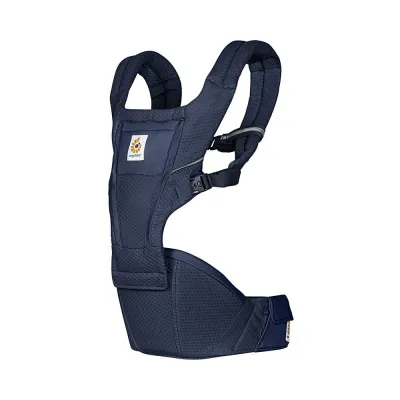
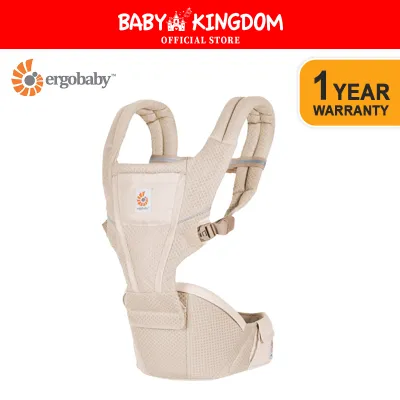
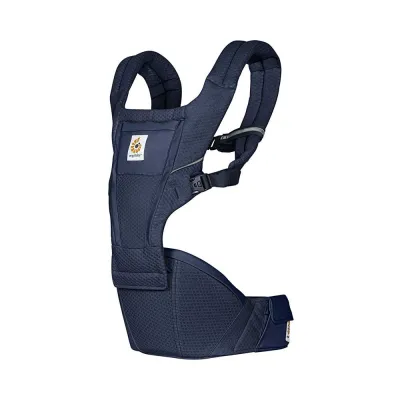
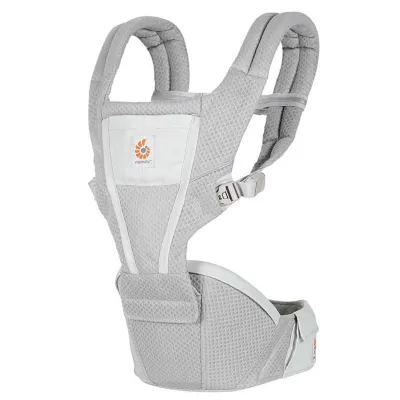
Wearing your baby in a carrier like the Ergobaby Alta provides immediate physical closeness and unmatched hands-free freedom. When navigating busy transit hubs, having both hands free makes it simple to tap your transit card, open heavy doors, hold handrails on moving platforms, and manage personal items like phones or water bottles. This setup keeps your baby secure against your body, reducing the risk of bumping into others in tight spaces.

However, this hands-free convenience comes with a physical trade-off. Carrying a baby, especially as they grow heavier, places a continuous load on your shoulders, back, and hips. In Singapore’s warm and humid climate, close physical contact can also lead to heat buildup for both the caregiver and the child. While hip seat carriers are designed to distribute weight more evenly than standard soft-structured carriers, prolonged use during long commutes can still cause physical fatigue.
Products mentioned in this guide
![[Ready stock]Ergo baby Alta Hip Seat Baby Carrier](https://img.lazcdn.com/g/ff/kf/S52b6452743474981b6dd588ab4f75d3aH.jpg_400x400q80.jpg_.webp)
![[Ready stock]Ergo baby Alta Hip Seat Baby Carrier](https://img.lazcdn.com/g/p/59709dfd055a2fa6de3e7814957c89e5.jpg_400x400q80.jpg_.webp)
Prices are valid at publication and may change. Please refer to the product page for the latest price.
A lightweight stroller shifts the physical burden entirely off your body. It provides a dedicated, shaded seat where your child can rest, sleep, or look around without transferring their body heat to you. Most lightweight strollers feature under-seat storage baskets and handles that can support diaper bags, groceries, and shopping finds. This cargo capacity is a significant advantage if you need to carry formula, spare clothes, toys, and personal items throughout the day.
The trade-off for stroller users is the constant need to push, steer, and lift the frame. While pushing a stroller on smooth mall floors requires minimal effort, navigating uneven pavements, high curbs, or sudden transitions can be physically demanding. You must also keep at least one hand on the stroller handlebar at all times, limiting your ability to multitask while moving.
Navigating MRT Stations and Crowded Malls
Singapore’s public transport network is highly accessible, but peak-hour commuting presents distinct challenges for both gear types. Navigating narrow MRT gantries and boarding crowded train cabins is significantly easier with a baby carrier. You occupy the same physical footprint as a single standing passenger, allowing you to slip into tight spaces on the train without blocking pathways or requiring extra clearance.
With a lightweight stroller, boarding a train during rush hour requires careful maneuvering. Even compact strollers can struggle to find space in crowded carriages, and you may have to wait for multiple trains to find one with enough room. Additionally, while wide service gates are available at all MRT stations, you must align the stroller precisely to pass through without bumping the sides.
Vertical transit is another critical differentiator. When wearing your baby, you can safely use escalators, stairs, and moving walkways, allowing you to take the fastest route between station platforms and street level. If you are pushing a stroller, safety guidelines require you to use elevators. During busy periods at major interchange stations like Dhoby Ghaut or City Hall, waiting times for elevators can be substantial, adding significant travel time to your commute.
Inside shopping malls, the dynamic shifts. Malls are designed with smooth, flat surfaces, ramps, and spacious family rooms, making stroller navigation highly comfortable. However, accessing different floors still requires finding and waiting for elevators, which can be frustratingly slow during weekend lunch hours. A carrier allows you to bypass these bottlenecks entirely, moving seamlessly between retail floors via escalators.
How to Choose Based on Your Commuting Reality
To determine which gear best fits your daily routine, evaluate your typical travel patterns and physical environment.
Choose the Ergobaby Alta if:
- Your daily commute involves boarding crowded feeder buses or MRT trains during peak morning and evening rush hours.
- Your route includes multiple pedestrian overhead bridges, stairs, or older shop houses without elevator access.
- You prefer to travel light without carrying large diaper bags or heavy shopping items.
- Your child is in a developmental stage where they prefer upright positioning and frequent transitions between being carried and walking.
- You are solo parenting and need to keep your hands completely free to manage tickets, keys, and personal safety.
Choose a Lightweight Stroller if:
- Your outings consist of long, predictable hours spent inside air-conditioned shopping malls or flat outdoor parks.
- Your child relies on a consistent nap schedule and needs a fully reclining seat with a canopy to sleep comfortably on the go.
- You need to carry substantial cargo, such as heavy diaper bags, groceries, or milk bottles, which would be tiring to wear on your back.
- You or other caregivers have physical limitations, such as chronic back or shoulder pain, that make prolonged babywearing uncomfortable.
- You primarily travel during off-peak hours when MRT trains and buses have ample open space.
Consider Both or Alternatives if:
- You have a hybrid commuting style where you wear your baby in the carrier while pushing an empty, ultra-compact stroller to use as a mobile shopping cart or for when the baby falls asleep.
- You travel with another adult, allowing one person to wear the baby while the other manages a compact stroller or folding trike for older toddlers.
Pre-Purchase and Usage Verification Checklist
Before purchasing or using either option, it is essential to verify specific manufacturer guidelines and safety standards to ensure compatibility with your child’s developmental stage.
Checklist for the Ergobaby Alta:
- Weight Limits: Check the official manual for the minimum and maximum weight requirements for both the carrier mode and the independent hip seat mode.
- Ergonomic Positioning: Ensure the carrier supports a hip-healthy "M-shape" positioning for your baby's hips and thighs to prevent hip dysplasia.
- Caregiver Fit: Verify that the waistband and shoulder straps adjust sufficiently to fit all caregivers who will be using the carrier.
- Developmental Readiness: Confirm your baby has sufficient neck and head control before using outward-facing or hip-seat carrying positions.
Checklist for Lightweight Strollers:
- Folded Dimensions: Verify that the stroller's folded size complies with local public transport guidelines for buses and trains.
- Brake Mechanisms: Test the parking brake to ensure it locks both rear wheels securely with a single, easy-to-reach lever.
- Harness Standards: Confirm the stroller features an adjustable five-point safety harness to keep your child secure on bumpy paths.
- Canopy Coverage: Check that the sun canopy offers adequate coverage and UV protection to shield your child from intense tropical sunlight.
Frequently Asked Questions (FAQ)
Can I use the Ergobaby Alta and a stroller together?
Yes, combining both options is a highly versatile strategy for full-day outings. You can wear your baby in the carrier to navigate crowded transit stations, escalators, and buses easily. Meanwhile, you can use a lightweight, compact stroller to carry your diaper bags and shopping. Once you arrive at a spacious mall or park, you can transition your baby into the stroller to rest, giving your shoulders and back a break. Ensure the stroller you choose is easy to fold with one hand while you are wearing the baby.
At what age should I switch from a carrier to a stroller for commutes?
There is no single age to switch, as the transition depends on your child’s physical development, weight, and your personal comfort. Many parents begin relying more on lightweight strollers once their child reaches a weight that causes caregiver back strain during long walks. Additionally, when toddlers start walking independently, they often prefer the freedom of climbing in and out of a stroller over being strapped into a carrier. Always consult your pediatrician and check the manufacturer’s weight limits for both products to guide your decision.

Community discussion
Share your experience or ask a question. Comments are reviewed before publication.