
Ella’s Kitchen offers a structured range of baby food products categorized into distinct stages to support your baby’s weaning journey from first tastes to toddler meals. Matching the right product to your baby depends on their developmental milestones, such as their ability to sit upright, swallow smooth liquids, tolerate mashed textures, and chew soft lumps. By aligning the brand’s organic pouches, snacks, and finger foods with these developmental markers, you can safely navigate the transition from milk to solid foods.
Understanding Weaning Stages and the Ella's Kitchen Philosophy
Navigating the Milestones of Infant Nutrition
Weaning is a gradual developmental transition rather than a sudden shift. It is typically divided into distinct stages based on a baby’s physical readiness. Stage 1 focuses on first tastes, introducing ultra-smooth, single-ingredient purees to babies around six months old. Stage 2, starting around seven months, introduces thicker blends and mixed flavors to challenge the baby’s swallowing coordination. Stage 3, occurring around nine to ten months, transitions the baby to chunky textures and soft finger foods that encourage chewing. Finally, Stage 4, from twelve months onward, incorporates toddler-specific meals and convenient snacks to support an active, growing child.
The philosophy of Ella’s Kitchen centers on creating positive relationships with food from an early age. The brand prioritizes certified organic ingredients, ensuring that products are free from added refined sugars, artificial preservatives, or excessive salts. Their signature colorful, squeezable pouches are designed to appeal to a child’s sensory curiosity, making the visual and tactile experience of eating more engaging.
Products mentioned in this guide
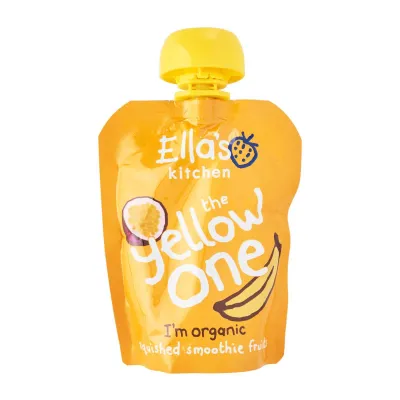
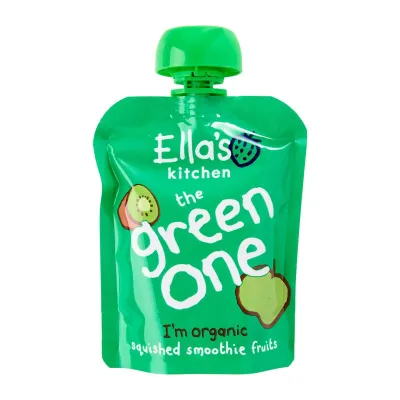
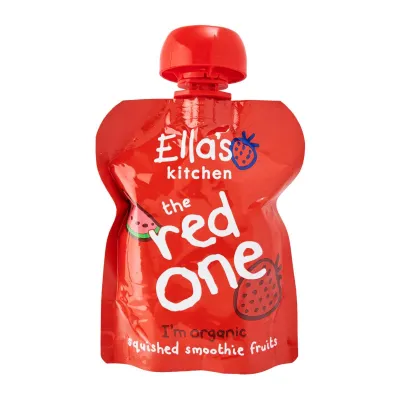
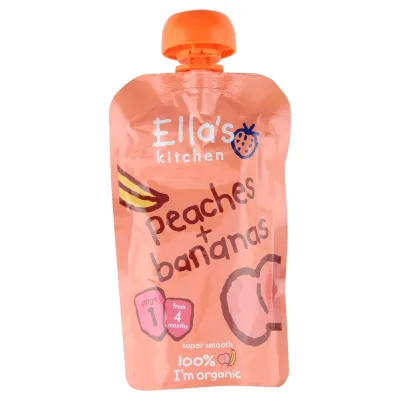
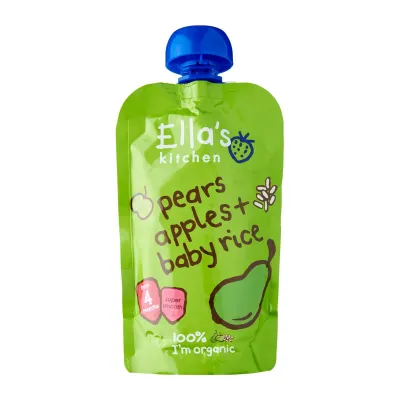
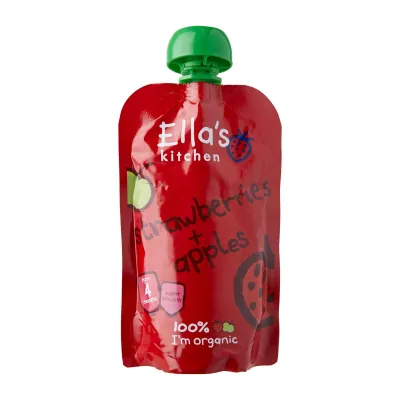
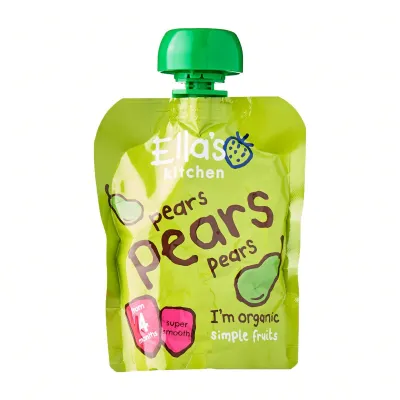
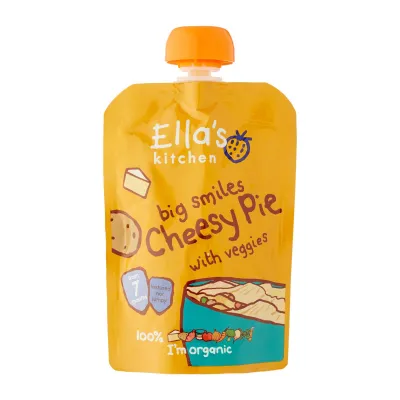
Prices are valid at publication and may change. Please refer to the product page for the latest price.
To match these products to your baby’s specific needs, this guide evaluates each range based on three primary criteria: texture progression, ingredient complexity, and self-feeding readiness. It is crucial to remember that the age markers printed on baby food packaging serve as general guidelines rather than strict rules. Every baby develops at their own pace. Parents must closely monitor their child’s individual physical milestones and consult a pediatrician or qualified healthcare professional before starting solids, particularly if the baby has specific dietary needs, allergies, or developmental delays.
Stage 1 (Around 6 Months): Smooth Purees for First Tastes
Starting the Weaning Journey Safely
- Product Types to Look For: When your baby reaches approximately six months of age and shows signs of developmental readiness, they are ready to begin Stage 1 weaning. During this initial phase, you should look for Ella's Kitchen products labeled as "First Tastes" or Stage 1. These products consist of single-ingredient fruit or vegetable purees, such as organic sweet potatoes, pears, or carrots, as well as very simple, smooth blends.
- Developmental Benefits: The primary developmental benefit of these early purees lies in their runny, ultra-smooth consistency. At six months, babies are transitioning from a liquid-only diet of breast milk or formula. Their swallowing reflex is still adapting to solids, making smooth, lump-free textures essential for preventing gagging and ensuring a safe swallowing experience. Introducing single vegetables first, particularly bitter or savory ones, helps shape early taste preferences before sweet fruits are introduced.
- Feeding Tips: For successful feeding, start by offering very small amounts—such as one or two teaspoons—using a soft-tipped, shallow spoon designed for sensitive infant gums. It is highly recommended to introduce only one new ingredient at a time, leaving a gap of three to five days before introducing another. This systematic approach allows you to monitor your baby closely for any potential allergic reactions, such as skin rashes, digestive upset, or swelling.
- Limitations & Checks: While Stage 1 pouches offer exceptional convenience, they should not completely replace the practice of spoon-feeding. Squeezing food directly from a pouch into a baby's mouth bypasses the developmental step of learning to clear food from a spoon with their lips. Additionally, relying solely on purees for too long can delay the acceptance of varied textures later on. Always inspect the packaging to verify the age recommendation and carefully check the allergen warnings before serving.
Stage 2 (Around 7 Months): Thicker Blends for Exploring Flavors
Expanding the Palate and Texture Tolerance
- Product Types to Look For: As your baby becomes proficient at swallowing smooth purees, typically around seven months, they are ready to transition to Stage 2. For this stage, look for Ella's Kitchen Stage 2 pouches and textured meals. These products feature thicker, mashed consistencies and introduce mixed ingredients, combining diverse fruits and vegetables with plant-based proteins like lentils, or mild grains such as quinoa and oats. They may also include subtle herbs and mild spices to expand the palate.
- Developmental Benefits: The developmental benefits of Stage 2 are focused on oral motor skill progression and flavor exploration. Thicker, mashed textures encourage your baby to use their tongue to move food to the back of their mouth, laying the foundation for early chewing movements. Exposing your baby to complex flavor combinations during this critical window helps foster adventurous eating habits, making them more receptive to family meals in the future.
- Feeding Tips: When feeding Stage 2 meals, you can encourage your baby's independence by letting them hold the pouch under active adult supervision. This builds tactile familiarity with food. However, you must avoid squeezing the puree directly into the baby's mouth. Direct pouch feeding prevents the baby from practicing proper chewing and swallowing mechanics, and can increase the risk of choking. Instead, squeeze the contents onto a spoon or into a small bowl.
- Limitations & Checks: Although Stage 2 products feature more complex recipes, they remain strictly free from added salt, refined sugars, or artificial additives. Because these meals contain a wider variety of ingredients, you must thoroughly verify the ingredient list on each package. Ensure that any newly introduced allergen, such as dairy, gluten, or soy, is identified and monitored carefully during the transition.
Stage 3 (Around 9-10 Months): Chunky Textures and Early Finger Foods
Developing Chewing Skills and Self-Feeding Independence
- Product Types to Look For: By nine to ten months, most babies are developing a stronger jaw grip and showing interest in self-feeding. This marks the transition to Stage 3. For this stage, you should look for Ella's Kitchen Stage 3 chunky meals, mini-meals containing visible soft lumps, and early finger foods. The finger food range includes items such as organic melty puffs, puffed rice cakes, and soft biscuit fingers.
- Developmental Benefits: These products provide substantial developmental benefits by promoting active chewing and jaw coordination. The presence of soft, visible lumps teaches your baby to mash food against the roof of their mouth or use their early teeth. Meanwhile, picking up small finger foods supports the development of hand-eye coordination and refines the pincer grasp—the ability to hold objects between the thumb and index finger.
- Feeding Tips: Active adult supervision is absolutely mandatory during self-feeding to manage and mitigate choking risks. When introducing early finger foods, ensure your baby is sitting completely upright in a high chair. It is highly beneficial to pair these dry finger foods with small sips of water served in an open cup or a straw cup, which helps wash down the food and encourages healthy drinking habits.
- Limitations & Checks: Parents must be aware of the limitations of "melty" or "dissolvable" snacks. While these products are designed to soften quickly in the mouth, they still require the baby to possess the physical ability to sit upright unassisted and make active chewing motions. Never assume a snack is safe based solely on the product name; always inspect the packaging for specific texture warnings and age suitability recommendations.
Stage 4 (12 Months and Beyond): Toddler Meals and On-the-Go Snacks
Transitioning to Active Toddler Nutrition
- Product Types to Look For: At twelve months and beyond, toddlers are rapidly growing, highly mobile, and transitioning toward eating the same foods as the rest of the family. For this final stage, Ella's Kitchen offers Stage 4 toddler-specific meals with larger portion sizes, alongside convenient on-the-go snacks such as organic fruit bars, yogurt melts, and baked oat bars.
- Developmental Benefits: The developmental benefits of Stage 4 products focus on meeting the increased nutritional and energy demands of active toddlers. Older babies require balanced energy derived from complex carbohydrates, healthy fats, and proteins to fuel their daily physical activities and cognitive development. The textures at this stage are much closer to adult food, encouraging advanced chewing and self-feeding with toddler utensils.
- Feeding Tips: When incorporating these products into your toddler's routine, use them to complement a freshly prepared, balanced family diet rather than replacing home-cooked meals. On-the-go snack bars and baked puffs are highly convenient for travel, park outings, or busy afternoons in Singapore's warm climate, but they should remain secondary to whole foods.
- Limitations & Checks: A key limitation to monitor is your child's overall daily sugar intake. Even though Ella's Kitchen snacks do not contain added refined sugars, products like fruit bars and pureed snacks contain concentrated natural fruit sugars. To support healthy dental hygiene and prevent a strong preference for sweet tastes, limit the frequency of sweet snacks and ensure your toddler continues to consume a wide variety of whole, unprocessed foods like fresh vegetables, lean proteins, and whole grains.
Reading Labels and Buying Ella's Kitchen in Singapore
Smart Shopping and Safety Checks for Local Parents
Navigating baby food options requires careful attention to packaging details to ensure safety and nutritional quality. When examining an Ella’s Kitchen product, locate the age suitability marker, which is typically displayed clearly on the front of the pouch or box. Next, verify the organic certification logo, which confirms the ingredients meet strict organic standards. Always review the ingredient list on the back of the pack; common allergens are bolded to help parents identify potential risks quickly. Before serving, physically inspect the pouch for any signs of damage, bloating, or leakage, and check that the expiration date has not passed. If a pouch appears unusually swollen or damaged, discard it immediately.

For parents purchasing Ella’s Kitchen in Singapore, it is vital to source products from reliable, authorized channels. The brand’s ranges are widely available at major local supermarkets such as FairPrice Finest, Cold Storage, and Giant, as well as specialized mother-and-baby retail stores like Mothercare. You can also purchase them through the brand’s official online storefronts or authorized local distributors on major e-commerce platforms. Avoid buying baby food from unverified third-party sellers on online marketplaces. These sellers may not maintain proper temperature-controlled storage conditions, which can compromise the safety, freshness, and shelf life of organic, preservative-free baby food.
Frequently Asked Questions (FAQ)
Can I mix Ella's Kitchen pouches with homemade baby food?
Yes, mixing Ella’s Kitchen pouches with homemade baby food is a safe and practical way to transition your baby to family meals. You can combine a smooth vegetable pouch with homemade mashed potatoes, porridge, or pureed meats to adjust the texture gradually. Always ensure that the final combined consistency is appropriate for your baby’s current developmental stage. Additionally, double-check that you are not inadvertently over-introducing duplicate allergens or ingredients that your baby has not yet tried.
How do I safely introduce allergens using these products?
To safely introduce allergens, carefully read the bolded allergen declarations on the back of the Ella’s Kitchen packaging, looking for ingredients like dairy, gluten, or soy. Introduce only one new allergen at a time, in very small amounts, preferably during the morning or early afternoon. This timing allows you to observe your baby for any adverse reactions throughout the day. If your baby has a known family history of severe food allergies, eczema, or asthma, consult your pediatrician or a pediatric allergist before introducing any highly allergenic ingredients.
Are Ella's Kitchen pouches recyclable in Singapore?
Baby food pouches, including those from Ella’s Kitchen, are typically constructed from multi-layer plastics and aluminum foil to preserve freshness without preservatives. In Singapore, standard curbside blue recycling bins do not accept these flexible multi-layer pouches because they cannot be easily separated during the local sorting process. You should check the packaging for specific recycling symbols and consult Singapore’s National Environment Agency (NEA) guidelines for updated local recycling programs. Some specialized recycling initiatives or brand-specific take-back programs may accept them, but otherwise, they must be disposed of in general waste.
Community discussion
Share your experience or ask a question. Comments are reviewed before publication.