
When you bring a newborn home, the speed at which their tiny fingernails grow can be startling. Within days, those paper-thin nails can become surprisingly sharp, leading to accidental scratches on their delicate face. Choosing the right tool to keep these nails trimmed is one of the first grooming challenges new parents face.
Both electric nail files and manual glass files can be safe and effective options for newborns, provided they are used with the correct technique and age-appropriate accessories. While manual glass files are frequently recommended by pediatricians for their simplicity and complete lack of moving parts, electric files are favored by many parents who find them easier to maneuver on a squarming baby.
Ultimately, the safest tool is the one that aligns with your personal comfort level, your baby’s temperament, and your strict adherence to the manufacturer’s age guidelines. No tool is entirely risk-free on its own; safety is always determined by proper lighting, secure positioning, and gentle handling.
Products mentioned in this guide
![[SG SELLER] Electric Baby Nail Trimmer with LED Light 6 in 1 Baby Nail File Kit No Claws Hurt for Newborn Toddler](https://img.lazcdn.com/g/p/02552c6b2758eefb2cb6fa7e9c4e898d.jpg_400x400q80.jpg_.webp)
Prices are valid at publication and may change. Please refer to the product page for the latest price.
Why Newborn Nails Require Special Care
To understand why choosing the right nail care tool is so critical, it helps to look at the unique anatomy of an infant’s hands. Newborn nails are incredibly soft, thin, and pliable. Unlike adult nails, which grow straight out from the nail bed, a baby’s nails often curve tightly around the contours of their tiny fingertips.
This physical characteristic makes it exceptionally difficult to distinguish where the nail plate ends and the highly sensitive underlying skin, known as the quick, begins. The nail and the skin are often fused closely together during the first few weeks of life, meaning any attempt to clip or file too deeply carries an immediate risk of injury.
Beyond their physical structure, a newborn’s behavior presents a significant challenge during grooming sessions. Babies do not understand the need to stay still, and they possess an active startle reflex alongside unpredictable, jerky limb movements. A sudden, involuntary twitch while you are holding a tool can easily lead to a slip.
Traditional adult nail clippers or coarse emery boards are far too aggressive for this delicate developmental stage. Adult clippers can easily pinch and snip the skin, while coarse files can abrade the soft surrounding tissue before you even realize you have crossed the nail boundary. Consequently, specialized tools designed specifically for infants are essential for safe grooming.
Safety Profile of Electric Nail Files for Babies
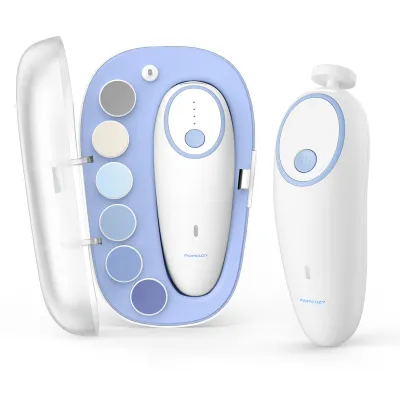
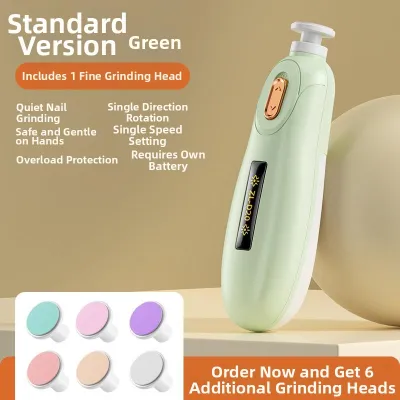
Electric baby nail files operate using battery-powered rotating discs cushioned with sandpaper pads. They are designed to gently grind down the nail edge rather than cut it. While they offer a modern, automated solution to baby nail care, they come with their own set of safety dynamics that parents must understand before use.

Potential Risks and Side Effects
Despite their gentle design, electric files are motorized tools and are not entirely without risk. One of the primary hazards is friction heat buildup. If the spinning cushioned pad is held in one spot on the baby’s nail for more than a second or two, the friction can quickly generate heat. Because a newborn’s skin and nail beds are incredibly thin, this heat can cause sudden discomfort or minor burns.
Another risk is the rotating edge of the pad catching the delicate cuticle or the surrounding skin of the fingertip. If the file is held at an incorrect angle, the spinning motion can friction-rub the skin, leading to redness, raw spots, or minor abrasions.
Additionally, because these devices file the nail down very quickly, there is a distinct lack of tactile feedback compared to manual filing. You cannot “feel” the resistance of the nail in the same way, which increases the risk of over-filing. Over-filing can thin the nail plate excessively, exposing the sensitive nail bed beneath and causing pain when the baby presses their fingers against surfaces.
Safety Features to Verify Before Use
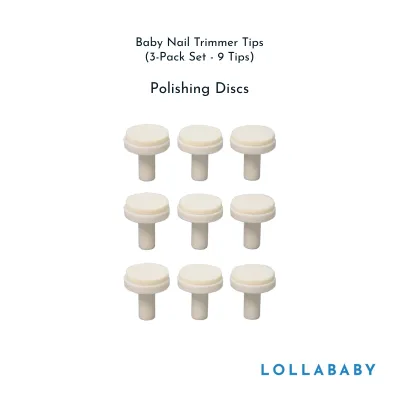
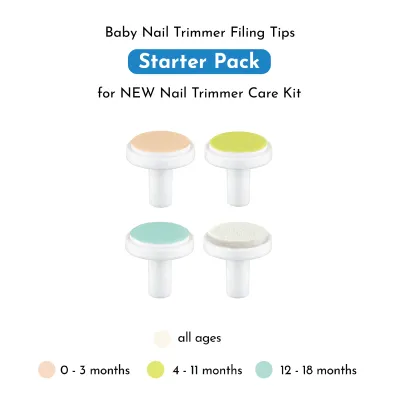
To mitigate these risks, it is essential to verify specific safety features and specifications before using an electric file on a newborn. First, always ensure the device includes designated “newborn” pads, which are typically designed for babies aged 0 to 3 months. These pads feature an ultra-fine, soft grit that is highly forgiving on delicate skin.
Second, look for a device that offers adjustable speed settings, specifically a low-speed option. Operating the file at its lowest speed gives you maximum control and significantly reduces the rate of friction heat buildup. A quiet motor is another crucial feature to verify; a loud, vibrating device held close to a baby’s hands can easily trigger their startle reflex or cause anxiety, making the grooming process much more difficult.
Finally, always read and follow the manufacturer’s explicit age, weight, and usage instructions on the packaging before your first session. Check the product documentation to confirm the correct pad color or grit level recommended for your baby’s exact age, and verify any safety certifications listed by the manufacturer.
Safety Profile of Manual Glass and Traditional Files
For parents who prefer a simpler, non-electric approach, manual files remain a highly reliable option. Among these, glass files have emerged as a premier choice, though they must be compared against traditional emery boards and clippers to fully appreciate their safety profile.
Manual Glass Nail Files
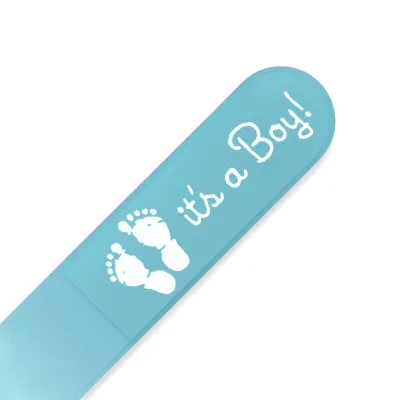
Manual glass files, often made from high-quality tempered glass, offer unique advantages for infant nail care. The primary benefit of a glass file lies in its exceptionally fine, uniform abrasive surface. Unlike metal or cardboard files, glass files have smooth, sealed edges that will not catch, tear, or splinter the baby’s delicate nail layers. They provide a very gentle, controlled abrasion, allowing you to file away tiny slivers of the nail with micro-precision.
Hygiene is another significant advantage of glass files. Because glass is non-porous, it does not absorb moisture, skin cells, or bacteria. You can easily sterilize a glass file by washing it with warm, soapy water or wiping it down with isopropyl alcohol after each use, making it an incredibly hygienic tool for a newborn whose immune system is still developing.
However, glass files do have limitations. They require complete manual control over the pressure applied, meaning you must be highly sensitive to how hard you are pressing against the nail. Additionally, because glass is a rigid, hard material, a sudden, violent jerk from the baby could cause the solid body of the file to bump or scratch the skin if you do not have a secure, stable grip on their hand.
Traditional Emery Boards and Baby Clippers
Comparing glass files to other traditional manual tools highlights why many pediatricians and experienced parents prefer them. Standard cardboard emery boards are often too coarse for newborns, and their paper edges can be surprisingly sharp, easily slicing or scraping the delicate skin around the nail.
Furthermore, in warm and humid climates like Singapore’s, porous materials like cardboard can easily trap moisture and harbor bacteria over time, wearing out after only a few uses.
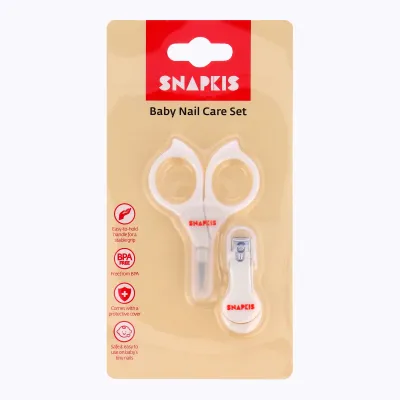
Baby nail clippers and scissors are also widely available, but they carry a significantly higher margin of error. Even with specialized baby clippers featuring safety guards, the physical action of clipping requires placing a blade beneath the nail edge. If the baby moves unexpectedly during the split second you squeeze the clipper, it is incredibly easy to snip the tip of the finger or the quick. This can result in painful bleeding and a high risk of infection. Glass files serve as an excellent, low-risk middle ground, offering the ability to shape and shorten nails without any cutting blades or harsh, unhygienic materials.
How to Safely File a Newborn’s Nails: A Step-by-Step Guide
Regardless of whether you choose an electric or a manual glass file, following a structured, cautious approach is the best way to prevent accidental injury and ensure a calm experience for both you and your baby.
- Timing and Environment: The best time to file a newborn's nails is when they are highly unlikely to move. This includes when they are deeply asleep, actively feeding, or in a state of deep post-feed relaxation. Trying to file the nails of an awake, active, or hungry baby increases the risk of accidental slips. Additionally, ensure you are working in a room with bright, direct lighting so you can clearly see the boundary between the translucent nail and the pink nail bed.
- Positioning: Sit in a comfortable, stable position. Hold your baby's hand securely but gently. To isolate the nail you are working on, use your thumb and forefinger to hold their individual finger. Gently press the fleshy pad of the baby's fingertip downward and away from the nail. This action pulls the sensitive skin back, exposing the free edge of the nail and creating a safe clearance zone for your filing tool.
- Technique for Electric Files: Turn the device on to its lowest speed setting. Hold the file at a slight angle, pointing away from the fingertip skin. Using very light, sweeping motions, glide the rotating pad across the nail edge. Never press the pad firmly against the nail, and keep the file moving continuously. Work in short bursts, checking your progress frequently.
- Technique for Glass Files: Hold the glass file firmly. Use gentle, unidirectional strokes—filing from the side of the nail toward the center—rather than sawing aggressively back and forth. If you do use a light back-and-forth motion, keep the pressure extremely light. Ensure the edge of the glass file does not dig into the delicate cuticle or the lateral nail folds.
- Stop Conditions: Always prioritize your baby's comfort and safety over completing the task. Immediately cease filing if your baby becomes agitated, starts squirming excessively, or shows signs of distress. You should also stop if you notice any localized redness on the skin surrounding the nail, or if the lighting changes and you can no longer clearly distinguish the nail edge from the skin. It is perfectly fine to file only one or two nails per session rather than trying to finish both hands at once.
Frequently Asked Questions (FAQ)
How often should I file my newborn's nails?
Newborn nails grow incredibly fast, often requiring maintenance one to two times a week to prevent scratching. Rather than sticking to a rigid calendar schedule, make it a habit to check your baby’s nails regularly. Run the soft pad of your own finger gently over their fingertips; if you feel any sharp corners, rough edges, or noticeable growth, it is time for a quick filing session.
What should I do if I accidentally nick my baby's skin while filing?
If an accidental nick occurs, remain calm. Immediately apply gentle, firm pressure to the area using a clean, damp cloth or a piece of sterile gauze until the bleeding stops. Do not apply adhesive bandages to a newborn’s fingers or hands, as these pose a severe choking hazard if the baby puts their hands in their mouth. Keep the area clean with mild soap and water, and consult a pediatrician if the bleeding does not stop after several minutes of direct pressure, or if you notice signs of infection such as swelling, warmth, or discharge in the following days.
Community discussion
Share your experience or ask a question. Comments are reviewed before publication.