
Quick Answer: Which Baby Nail File Is Better for Newborns?
Grooming a newborn’s paper-thin nails can be a source of intense anxiety for many parents. Both electric and manual baby nail files offer safe, effective ways to manage sharp nail edges, but they cater to very different parenting preferences and baby temperaments.
Electric baby nail files are generally favored by first-time parents. Their gentle, motorized grinding mechanism significantly reduces the risk of accidentally snipping or cutting the delicate skin around the nail bed, providing a helpful safety buffer.
Manual baby nail files, such as fine-grit emery boards or specialized glass files, are preferred by parents who want a completely silent, lightweight tool. They are ideal for grooming while your baby is sleeping or feeding, without any motor noise or vibration to disturb them.
Products mentioned in this guide
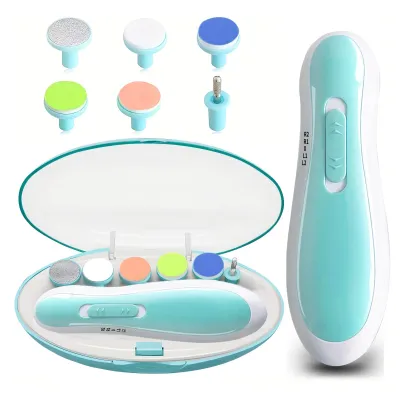
![[SG SELLER] Electric Baby Nail Trimmer with LED Light 6 in 1 Baby Nail File Kit No Claws Hurt for Newborn Toddler](https://img.lazcdn.com/g/p/02552c6b2758eefb2cb6fa7e9c4e898d.jpg_400x400q80.jpg_.webp)
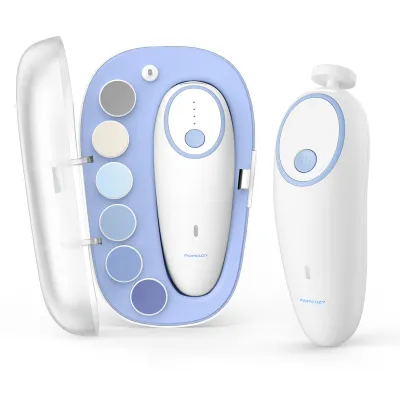

![[Upgraded Version] 9-in-1 Safe USB Rechargeable Electric Baby Nail Trimmer Grinder with Case Baby Nail File Kit](https://img.lazcdn.com/g/p/499a43acacd41da67a7e44c373d94ac5.jpg_400x400q80.jpg_.webp)
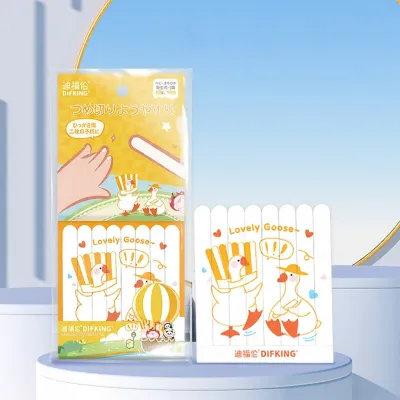
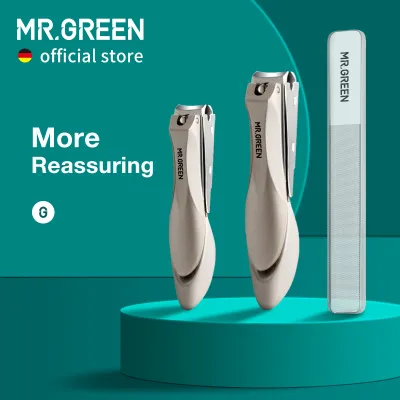
Prices are valid at publication and may change. Please refer to the product page for the latest price.
Ultimately, the better choice depends on your baby’s tolerance to sensory stimulation and your own comfort level with manual control. Many parents find that keeping both tools on hand offers the most flexible approach to newborn nail care.
Electric vs. Manual Baby Nail Files: Key Differences at a Glance
Understanding the practical differences between these two grooming tools helps you decide which option fits best into your daily routine. Newborn nails are exceptionally soft, flexible, and closely attached to the underlying skin, meaning your primary goal is gently smoothing sharp edges rather than cutting through hard keratin.

| Feature | Electric Baby Nail File | Manual Baby Nail File |
|---|---|---|
| Safety Mechanism | Motorized grinding pad stops or slows down with pressure | Manual physical abrasion via fine grit |
| Speed and Efficiency | Faster trimming, handles multiple nails quickly | Slower, gradual shaping requiring steady hand |
| Noise and Vibration | Low motor hum and physical vibration | Completely silent with no physical movement |
| Portability and Power | Requires batteries or USB charging, bulkier case | Extremely lightweight, no power source needed |
| Maintenance | Periodic replacement of color-coded grinding pads | Replacement of the entire file or glass surface when worn |
While an electric file offers speed and mechanical safety features, a manual file provides unmatched tactile feedback and simplicity. Choosing between them involves balancing the convenience of a motorized tool against the quiet reliability of a manual one.
Electric Baby Nail Files: Benefits, Drawbacks, and Safety
Advantages for Newborn Nail Care
Electric baby nail files are designed specifically to address the fear of injuring a wriggling infant. The primary benefit of these devices is the built-in safety buffer. Most high-quality models feature a pressure-sensitive motor that automatically slows down or stops spinning if the grinding pad is pressed too firmly against the baby’s skin, preventing friction burns or accidental cuts.
These devices also come with multiple color-coded grinding pads tailored to different age groups. The grit level of the pads ranges from ultra-fine for newborns to coarser textures for older infants and toddlers. This ensures that the file remains effective as your baby’s nails gradually harden over time.
For parents who experience high anxiety when using traditional metal clippers, the electric file transforms nail care into a stress-free task. Instead of trying to align a sharp blade with a tiny, moving target, you simply glide the rotating pad over the nail edge to smooth it down safely.
Limitations and What to Watch For
Despite their convenience, electric nail files have distinct limitations. The motorized operation produces a low-frequency hum and physical vibration. While some newborns are unfazed by this sensation, highly sensitive babies may startle, pull their hands away, or become distressed during grooming.
There are also ongoing maintenance costs and environmental considerations to keep in mind. The grinding pads are consumable parts that wear smooth over time and must be replaced. Parents must purchase compatible refill pads from the manufacturer, which requires ongoing planning and expense.
Additionally, electric files are dependent on a power source, requiring either AA batteries or regular USB charging. If the battery dies in the middle of a grooming session, you may be left with a partially filed nail that is still sharp enough to scratch. Managing batteries adds an extra step to your baby care routine.
Safety & Verification
Before using an electric nail file, always verify the age guidelines provided in the manufacturer’s instruction manual. Never assume a grinding pad is suitable for a newborn simply because it looks soft. Using a pad designed for an older infant or a toddler on a newborn can cause painful friction burns or permanently damage the delicate nail matrix. Always test the rotation speed and pressure on your own skin first to ensure you understand how the device behaves before applying it to your baby’s fingers.
Manual Baby Nail Files: Benefits, Drawbacks, and Safety
Advantages for Newborn Nail Care
Manual baby nail files offer a level of simplicity and quiet control that motorized devices cannot match. The most significant advantage is their completely silent operation. Because there is no motor noise or physical vibration, manual files are the perfect tool for grooming your baby while they are deeply asleep or feeding, allowing you to work without disturbing them.
These tools also provide precise tactile feedback. As you move the file across the nail, you can feel the exact resistance and texture through your fingers. This physical connection allows you to make immediate, micro-adjustments to your angle and pressure, reducing the risk of filing too deep or irritating the surrounding skin.
Portability and low maintenance are additional benefits. Manual files, especially those made of high-quality glass or fine emery, are incredibly lightweight and compact. They require no batteries, charging cables, or bulky storage cases. You can easily slip one into a diaper bag pocket or travel kit, ensuring you always have a reliable grooming tool ready for use.
Limitations and What to Watch For
The primary drawback of manual filing is that it is a slow, labor-intensive process. Gently shaping ten tiny, flexible nails stroke by stroke requires significant patience and steady hand-eye coordination. If your baby is active, awake, or prone to sudden movements, completing the task can become challenging.
There is also a physical risk if the file is used incorrectly. If a parent files too aggressively or uses a harsh back-and-forth sawing motion, they can easily irritate the delicate skin surrounding the nail. A sudden slip of the hand can also cause the abrasive surface to rub against the baby’s sensitive fingertip, leading to minor friction soreness.
Safety & Verification
It is crucial to verify that any manual file you use is specifically manufactured for infants. These files feature an ultra-fine grit designed to smooth soft, paper-thin baby nails safely. Never use standard adult emery boards or metal files on a newborn. Adult files are highly abrasive and designed for hard keratin; using them on an infant can easily tear, split, or shred the soft nail plate and cause painful skin damage.
How to Choose the Right Baby Nail File for Your Needs
Selecting the best tool depends on your personal comfort, your baby’s temperament, and your daily parenting routine. In warm, humid environments like Singapore, babies often scratch their faces when sweating or dealing with infant eczema, making smooth nails a daily necessity to prevent skin infections.
Choose an electric baby nail file if:
- You feel highly anxious about accidentally cutting or nipping your baby's skin with manual tools.
- You prefer a quick, efficient grooming process that can handle all ten nails in just a few minutes.
- Your baby is calm, relaxed, and unfazed by mild motor hums and physical vibrations.
- You are comfortable managing battery replacements or keeping a rechargeable device ready.
Choose a manual baby nail file if:
- You prefer to groom your baby while they are sleeping or feeding to avoid any resistance.
- You want a highly portable, lightweight tool that fits easily into a diaper bag for on-the-go use.
- You want complete tactile control and prefer to feel the exact pressure being applied to the nail.
- You want a low-maintenance, cost-effective option with no recurring costs for replacement pads.
Verify first if:
- Your newborn has specific skin conditions, such as infantile eczema on their hands, which can make the skin around the nails exceptionally dry, cracked, or sensitive.
- Your baby has unusually thick, thin, or misshapen nails, or if you feel completely unsure about the correct grooming technique.
- In these situations, always consult a pediatrician or a maternal health nurse at a local clinic or polyclinic before starting a nail care routine.
Essential Safety Tips for Filing Newborn Nails
Regardless of the tool you choose, following proper safety techniques ensures a comfortable and injury-free grooming experience for your baby.
Timing and Environment
- The ideal time to file your baby's nails is immediately after a bath when the nails are softest and most pliable. Alternatively, file while the baby is in a deep sleep or during a peaceful feeding session to minimize sudden movements.
- Always ensure the room is well-lit. Sit near a window during the day or directly under a clear lamp at night. Working in shadows increases the risk of accidental slips or over-filing.
Technique
- Hold the baby's hand securely but gently. Use your thumb to press the baby's finger pad down and away from the nail edge. This exposes the nail fully and creates a safe distance between the file and the delicate skin.
- File in one direction rather than a harsh, back-and-forth sawing motion. If using an electric file, follow the manufacturer's instructions, which often recommend gentle, circular movements. Filing in a single direction prevents the nail from splitting or peeling.
Post-Care Check
- Once you have finished filing, run your own clean finger over the edges of your baby's nails. This allows you to detect any remaining sharp corners, snags, or rough spots that could easily scratch their face or body.
When to Stop
- If you notice that the skin around the nail is red, swollen, broken, or showing any signs of infection (such as discharge or warmth), stop using the file immediately.
- Consult a healthcare professional or pediatrician right away. Do not attempt to treat ingrown nails, deep tears, or skin infections at home, as newborn skin is highly susceptible to bacterial entry.
Frequently Asked Questions (FAQ)
How often should I file my newborn's nails?
Newborn nails grow rapidly and may require filing once or twice a week. Instead of following a rigid calendar schedule, check their hands daily. File the nails whenever you feel a sharp edge or notice they have grown long enough to cause accidental scratches.
Can I use a regular adult nail file on my baby?
No, you should never use an adult nail file on a newborn. Adult files have a coarse grit designed for hard, thick keratin. Using them on a baby will tear, split, or shred their soft, flexible nails and easily abrade the delicate surrounding skin. Always use tools specifically graded for infants.
Is it safe to file a baby's nails while they are sleeping?
Yes, filing while your baby is sleeping is a highly safe and common practice. It is particularly effective when using a silent manual file, as there is no motor noise to wake them. Ensure you have adequate lighting, rest the baby’s hand on a stable surface, and stop immediately if they stir or pull away.
Community discussion
Share your experience or ask a question. Comments are reviewed before publication.