
Quick Answer: Which Baby Nail Cutter Should You Choose?
Choosing the right baby nail cutter is one of the most common early challenges for new parents. There is no single “best” tool for every family; instead, the ideal choice depends on your baby’s age, their nail thickness, and your personal confidence level when handling tiny, active fingers.
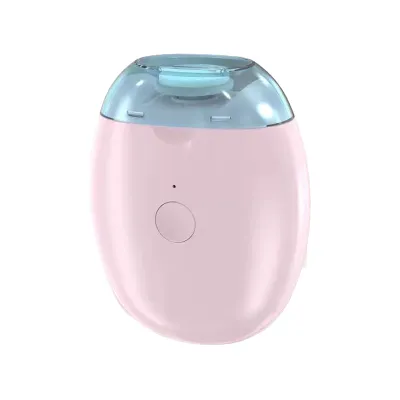
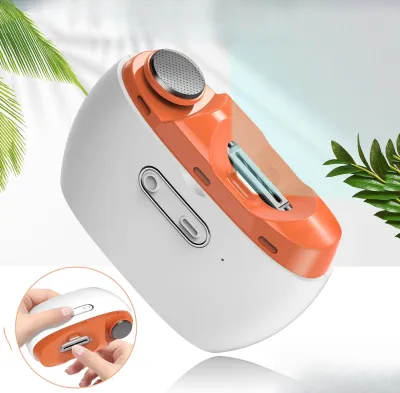
Electric baby nail trimmers are generally the preferred choice for newborns, infants, and anxious parents. These devices use a gently rotating, cushioned filing pad to wear down the nail gradually, which minimizes the risk of cutting the delicate surrounding skin. They are highly forgiving and offer peace of mind during those first few months when a baby’s nails are paper-thin and their movements are unpredictable.
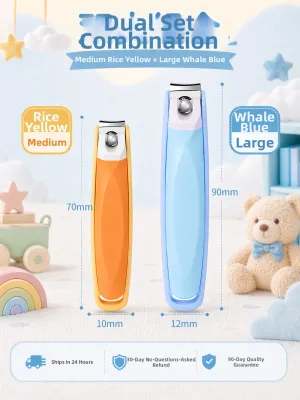
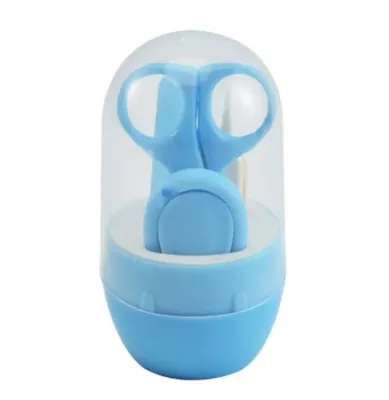
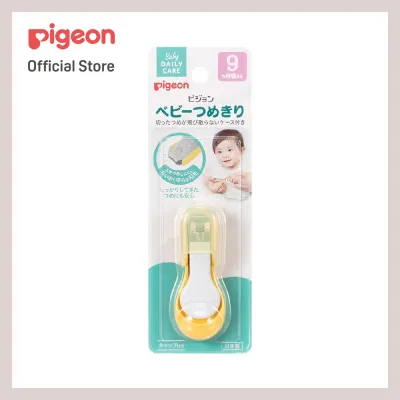
In contrast, manual baby nail clippers are faster and highly efficient for older babies and toddlers. As your child grows, their nails naturally harden and thicken, making a manual clipper the more practical option for a quick, clean cut. However, manual clippers require a steady hand, excellent lighting, and a relatively calm baby to ensure a safe trim without accidental nicks.
Products mentioned in this guide
![[SG SELLER] Electric Baby Nail Trimmer with LED Light 6 in 1 Baby Nail File Kit No Claws Hurt for Newborn Toddler](https://img.lazcdn.com/g/p/02552c6b2758eefb2cb6fa7e9c4e898d.jpg_400x400q80.jpg_.webp)

Prices are valid at publication and may change. Please refer to the product page for the latest price.
Key Differences Between Electric and Manual Baby Nail Cutters
Understanding the fundamental mechanical differences between these two tools is the first step in deciding which one suits your parenting routine. While both tools serve the same ultimate purpose—preventing your baby from scratching their face and body—they achieve this through entirely different physical mechanisms.

Electric nail trimmers rely on a battery-operated motor to spin or oscillate a cushioned filing pad. This pad uses mild friction to grind the nail down slowly and smoothly. Manual baby nail clippers, on the other hand, utilize a classic lever-action design with two sharp, curved blades that meet to slice through the nail in a single, swift motion. These differing mechanisms directly impact safety, speed, and how comfortable you will feel during the grooming process.
Safety and Risk of Nipping Skin
The primary fear for most parents is accidentally cutting the baby’s skin or the “quick”—the sensitive, blood-vessel-rich tissue beneath the nail plate. Because an infant’s fingers are incredibly small, distinguishing between the nail edge and the skin can be difficult.
Electric files offer a significant safety advantage because they use gentle abrasion rather than a sharp blade. If the rotating pad accidentally slips and touches the baby’s skin, it generally causes no harm or pain, and many electric models are designed to stop rotating automatically when too much pressure is applied. This makes them exceptionally safe, even if your baby makes a sudden, unexpected movement during the session.
Manual clippers carry a higher inherent risk of nipping the skin because they rely on sharp metal blades. If a baby jerks their hand at the exact moment the clipper is squeezed, it can result in a painful cut. To mitigate this risk, many modern manual clippers designed for infants feature built-in safety guards, LED lights, or integrated magnifying glasses to help parents see the nail more clearly. While these features are highly beneficial, the fundamental risk associated with a sharp blade remains, requiring maximum focus and precision from the caregiver.
Ease of Use and Parent Comfort
Your comfort level with the tool is just as important as your baby’s safety. If a tool makes you anxious, nail trimming will become a stressful chore for both you and your child.
Electric trimmers are incredibly forgiving and require very little technical skill. Because they operate with low noise and gentle vibrations, they are highly suited for “stealth trimming” while your baby is asleep. This is particularly useful in quiet home environments, such as HDB flats or apartments in Singapore, where minimizing sudden noises is key to keeping a sleeping baby undisturbed. The main trade-off is time: filing down ten tiny fingernails with an electric trimmer takes longer than clipping them, and you must hold the device steady against each nail for several seconds.
Manual clippers are straightforward, highly portable, and require no batteries or charging cords. They allow you to complete a trim in a fraction of the time it takes to file the nails. However, they demand a high level of confidence, a steady hand, and a cooperative or sleeping baby. If your infant is highly active or prone to squirming, aligning the blades safely can become a stressful, two-person task.
Age Suitability and Nail Thickness
As your baby grows, their nail structure changes significantly, meaning the tool that worked perfectly during the newborn stage may become less effective later on.
During the first few weeks of life, a newborn’s nails are incredibly soft, paper-thin, and often closely fused to the surrounding skin. Trying to use a manual blade on these tiny, pliable nails is highly challenging. Electric files are ideal during this newborn stage (typically from birth to 3 months) because they can gently round off the soft edges without pulling or tearing the delicate nail bed.
As babies reach 6 months of age and beyond, their diet and physical development cause their nails to harden and thicken. At this stage, an electric file may struggle to grind down the tougher nail material efficiently, making the process painfully slow. This is when manual clippers or specialized baby safety scissors become the more practical choice, allowing you to cut through the thicker nail quickly before using a manual file to smooth out any sharp corners.
Always verify the manufacturer’s recommended age, weight, or developmental guidelines on the specific product packaging, as many electric trimmers come with color-coded filing pads designed for specific age ranges.
Feature Comparison at a Glance
To help you quickly evaluate your options, the table below outlines the key characteristics of both electric and manual baby nail cutters based on general design standards.
| Dimension | Electric Baby Nail Trimmer | Manual Baby Nail Clipper |
|---|---|---|
| Mechanism | Rotating or oscillating cushioned filing pad | Curved metal blades with lever action |
| Safety Risk (Skin Nipping) | Extremely low; pad stops with pressure | Moderate; requires precise visual alignment |
| Trimming Speed | Slower; requires holding steady on each nail | Fast; instant cut per nail |
| Noise & Vibration | Low hum and gentle vibration | Silent, except for a physical "click" sound |
| Best Age Group | Newborns to 6 months (ideal for soft nails) | 6 months and older (ideal for thicker nails) |
| Maintenance & Power | Requires batteries (AA/AAA) or USB charging; pads need periodic replacement | No power source required; easy to clean and sanitize |
Note: Parents should always check individual product labels and packaging for specific motor speeds, pad grit levels, and blade materials before purchase to ensure compatibility with their child’s needs.
How to Decide: Choose Electric or Manual?
To determine the best approach for your family, consider your baby’s current developmental stage, your personal comfort level, and your typical grooming environment.
- Choose an Electric Trimmer if:
- You are a first-time parent and feel highly anxious about using sharp blades near your baby's delicate fingers.
- You are trimming the paper-thin nails of a newborn or young infant under 6 months old.
- You prefer to trim your baby's nails while they are asleep and need a quiet, low-vibration tool.
- Your baby is highly active and prone to sudden movements during awake grooming sessions.
- Choose a Manual Clipper if:
- Your baby is older (typically past 6 months) and has developed thicker, harder fingernails and toenails.
- You want a quick, efficient grooming session that takes only a few minutes.
- You have a steady hand, good eyesight, and feel confident aligning a small blade on tiny nails.
- You prefer a compact, lightweight, battery-free option that is highly convenient for travel and requires minimal storage space.
- Consider a Combo Approach if:
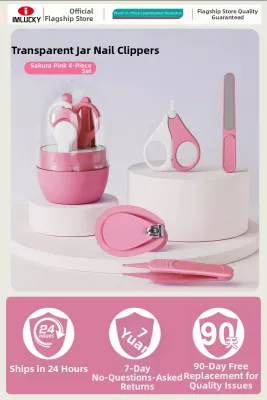
- You want the ultimate flexibility: use an electric trimmer during the delicate newborn months to build your confidence, then transition to manual clippers as your child's nails harden, keeping the electric file on hand to smooth out any sharp edges left behind by the clipper.
- Verify First if:
- Your baby has specific skin conditions (such as eczema or dry, cracked skin around the fingertips), unusually thick or curved nails, or if you are unsure about the position of the nail quick. In these scenarios, consult a pediatrician, polyclinic doctor, or child health nurse for professional guidance before attempting to trim the nails.
Safe Nail Trimming Practices for Any Tool
Regardless of the tool you choose, incorporating safe habits into your baby’s nail care routine will prevent injuries and reduce anxiety for both you and your little one.
Establish a Stable Position and Good Lighting Never attempt to trim your baby’s nails in a dimly lit room. Choose a spot near a bright window with natural light, or use a focused lamp. Hold your baby securely in your lap, facing away from you, so you have control over their arms and hands. Alternatively, wait until they are in a deep sleep, which is often the easiest time to trim nails without resistance.
Expose the Free Edge of the Nail Before making a cut or applying a file, gently press the fleshy pad of the baby’s fingertip down and away from the nail. This action separates the nail edge from the underlying skin, exposing the free edge clearly and reducing the risk of pinching or cutting the skin.
Apply the Correct Technique for Your Tool
- For Manual Clippers: Cut straight across the nail rather than rounding the corners too deeply, which can lead to painful ingrown nails. Once the main cut is made, use a soft baby emery board to gently file down any sharp corners or jagged edges.
- For Electric Trimmers: Select the appropriate grit pad based on the manufacturer's age guidelines (newborn pads are the softest, while toddler pads have a slightly coarser grit). Hold the device at a slight angle relative to the nail edge. Move the file gently around the curve of the nail. Avoid pressing too hard against the nail plate, and do not hold the pad in one spot for too long to prevent friction heat.
Set Clear Safety Boundaries If your baby becomes overly fussy, cries, or squirms excessively, stop the session immediately. Forced trimming increases the risk of injury and can create a long-term fear of nail care. It is entirely acceptable to trim only one or two nails at a time and return to the rest later.
How to Handle Accidental Nicks If you accidentally nick the skin, do not panic. Calmly wash the area with cool water, then apply gentle, steady pressure with a clean, sterile gauze pad or cloth until the bleeding stops.
Important Safety Warning: Do not apply adhesive bandages (plasters) to your baby’s fingers or toes. Babies frequently put their hands in their mouths, and a loose bandage presents a severe choking hazard. If you are concerned about infection or if the bleeding does not stop after several minutes of direct pressure, consult a qualified medical professional or visit a local clinic.
Maintain Your Tools Properly Always follow the manufacturer’s instructions for cleaning and storing your nail care tools. Wipe manual clippers with rubbing alcohol if recommended, and ensure they are dried thoroughly to prevent rust. For electric trimmers, store them in a dry place to prevent battery corrosion—a common issue in Singapore’s highly humid tropical climate. Regularly inspect the filing pads for wear and tear, and replace them as soon as they lose their effectiveness.
Frequently Asked Questions (FAQ)
How often should I trim my baby's nails?
Baby fingernails grow incredibly fast and typically require trimming once or twice a week to prevent your baby from accidentally scratching their face. Toenails grow at a much slower rate and usually only need to be trimmed once or twice a month. Rather than following a strict calendar schedule, observe your baby’s nail length and check for sharp edges or scratching behavior to determine when it is time for a trim.
Can I use regular adult nail clippers on my baby?
You should strongly avoid using regular adult nail clippers on a baby. Adult clippers are far too large for tiny infant fingers, and their blades have a wider, deeper curve that does not align with the delicate anatomy of a baby’s nail bed. This lack of precision significantly increases the risk of cutting the skin or clipping the quick. Always use specialized baby nail care tools, which are specifically sized and designed with safety features to protect small fingers.
Community discussion
Share your experience or ask a question. Comments are reviewed before publication.