
Quick Answer: Which Nail Tool Is Safer for Newborns?
Electric baby nail trimmers are generally considered the safer option for newborns because their rotary filing mechanism minimizes the risk of cutting delicate skin. Instead of a sharp blade shearing through the nail, a soft, textured pad gently files the nail down. This pressure-sensitive design provides significant peace of mind for anxious parents.
However, traditional manual clippers remain highly effective and are often much faster once caregivers build confidence. As your baby grows and their nails harden, manual clippers may become the more practical choice for a clean, swift cut.
Ultimately, the safest tool is the one that matches your personal comfort level, your baby’s temperament, and the specific guidelines provided by the manufacturer. Caregivers must always review the age recommendations and safety warnings on any grooming product before use.
Products mentioned in this guide
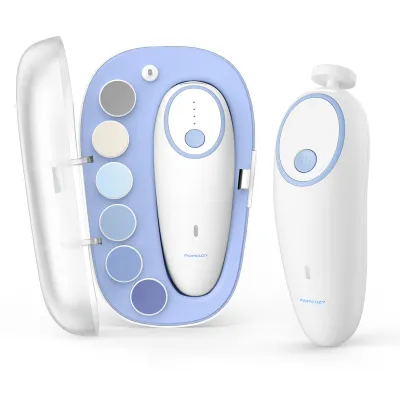
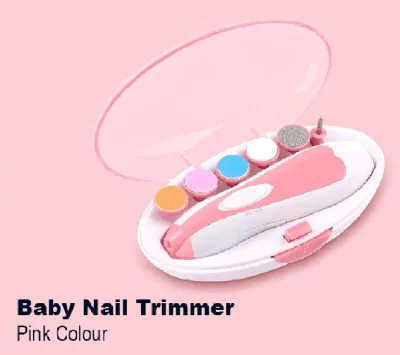
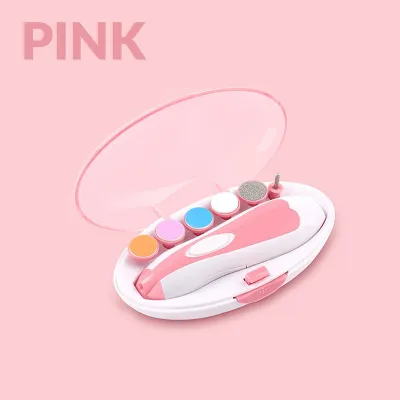
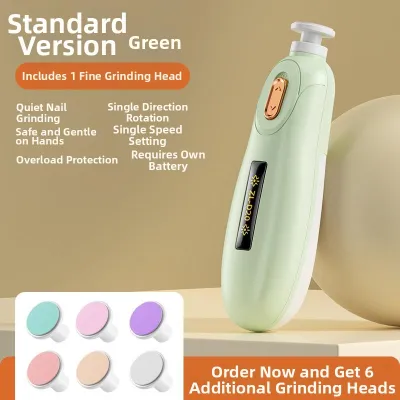
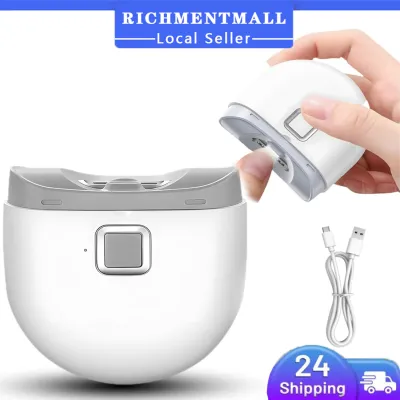
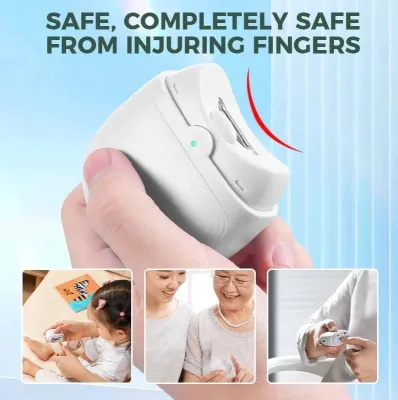
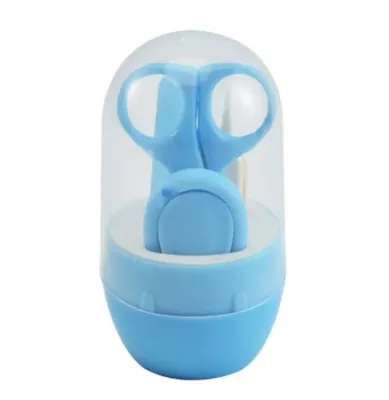
Prices are valid at publication and may change. Please refer to the product page for the latest price.
Safety and Effectiveness: Electric Trimmers vs. Manual Clippers
Electric Baby Nail Trimmers: Filing vs. Cutting
Electric baby nail trimmers operate on a rotary filing mechanism rather than a cutting action. The device features a battery-powered motor that spins a small, circular pad at a controlled speed. These pads are covered with varying grits of abrasive material, similar to a very fine emery board. Instead of snipping the nail in a single, high-pressure motion, the spinning pad gradually wears down the excess nail length through gentle friction.

The primary safety benefit of an electric baby nail trimmer is its pressure-sensitive design. Most high-quality electric trimmers are engineered with low torque, meaning the motor will automatically slow down or stop completely if the rotating pad is pressed too firmly against the baby’s skin. This safety feature makes it highly unlikely to cause cuts, nicks, or bleeding, even if the tool accidentally slips off the nail plate and touches the sensitive fingertip or cuticle. This makes it an exceptionally reassuring choice for parents who feel anxious about grooming tiny newborn hands.
Despite these safety advantages, electric trimmers do have notable limitations in terms of efficiency. Filing a newborn’s nails is a gradual process that requires multiple passes over each individual finger. This means a full grooming session can take significantly longer than using manual clippers. Furthermore, filing does not always achieve a perfectly clean, flush cut; it can sometimes leave a very fine nail dust on the baby’s fingers, which must be carefully wiped away to prevent the infant from rubbing it into their eyes. As your baby grows, you will also need to purchase and swap out replacement pads with rougher grits, as the softest newborn pads will eventually become ineffective against older, thicker nails.
Traditional Manual Clippers: Precision and Speed
Traditional manual clippers utilize a classic shearing mechanism where two curved metal blades meet to cut through the nail. Infant-specific clippers are designed with much smaller, more tightly curved blades than adult versions, specifically shaped to match the natural contour of a tiny baby’s fingernails and toenails.
The main advantage of manual clippers is their speed and precision. When used correctly, a manual clipper can remove excess nail length with a single, clean snip. This creates a smooth, flush edge instantly, without generating nail dust or requiring prolonged contact with the baby’s hand. For parents who have mastered the technique, a manual clip can be completed in a fraction of the time it takes to file the nails with an electric device.
However, the shearing action of manual clippers carries an inherent safety risk. A newborn’s nails are incredibly thin and often adhere closely to the underlying skin, known as the quick or hyponychium. Because there is very little separation between the nail and the skin, it is easy to accidentally position the blades too low and pinch or cut the fingertip. This risk increases dramatically if the baby jerks their hand suddenly—a common occurrence due to the involuntary Moro (startle) reflex. To help mitigate this danger, many manufacturers design manual baby clippers with safety features such as integrated magnifying glasses, built-in LED lights to illuminate the nail bed, or wide, ergonomic handles that provide the caregiver with a more stable grip.
Feature Comparison: What to Expect From Each Tool
To help you evaluate these grooming tools side by side, the following table summarizes the key differences in their design, performance, and daily use.
| Feature | Electric Baby Nail Trimmer | Traditional Manual Clippers |
|---|---|---|
| Mechanism | Rotary filing via cushioned abrasive pads | Curved metal blades with lever action |
| Risk of Skin Cuts | Extremely low; motor stops on skin contact | Moderate; risk of nicking if baby moves |
| Trimming Speed | Slow; requires gradual filing of each nail | Fast; instant cut with a single squeeze |
| Noise & Vibration | Low humming sound and gentle vibration | Completely silent; no physical vibration |
| Portability | Requires batteries; bulkier storage case | Highly compact; fits easily in any travel kit |
| Maintenance | Periodic pad replacement; battery checks | Simple cleaning; wipe with alcohol and dry |
One factor that many first-time parents overlook is how a newborn will react to the sensory stimulation of an electric trimmer. The small motor inside an electric baby nail trimmer produces a continuous, low-frequency buzzing sound accompanied by a physical vibration. While some infants find this rhythmic hum soothing or simply ignore it, others can be easily startled or distressed by the sensation on their fingertips. In quiet home environments, such as a peaceful nursery or a quiet HDB flat in Singapore, this buzzing sound can seem amplified to a sensitive baby. If your infant is highly sensitive to noise or touch, they may constantly pull their hands away, making the filing process challenging despite the tool’s inherent safety.
The ongoing maintenance requirements of these two tools are vastly different. Electric trimmers are multi-part systems that require active management. You must regularly check the battery compartment to ensure there is no corrosion, particularly in humid climates like Singapore’s where moisture can accelerate battery degradation. Additionally, you must monitor the wear of the filing pads; as the abrasive grit wears down, the pads lose their effectiveness and must be replaced. Traditional manual clippers, by contrast, are incredibly durable and can last for years with minimal care. Because they are typically made of stainless steel, maintenance is limited to wiping the blades with an alcohol-moistened swab after each use and drying them thoroughly to prevent rust. Always check the manufacturer’s packaging to verify battery requirements and ensure any spare filing pads are stored securely.
Which Tool Should You Choose?
Selecting the right grooming tool depends heavily on your personal confidence, your baby’s age, and how they react to sensory input. Use the following conditional framework to guide your decision.
Choose an Electric Trimmer if:
- You feel highly anxious about grooming: If the thought of accidentally cutting your newborn's skin causes you significant stress, the pressure-sensitive safety of an electric trimmer offers invaluable peace of mind.
- Your baby is extremely active or squirmy: If your infant constantly moves their hands or has a strong startle reflex, filing is much safer than attempting to align sharp metal blades on a moving target.
- You prefer a highly controlled process: Filing allows you to shape the nail gradually, making it easier to round off sharp corners without the risk of over-cutting.
Choose Traditional Clippers if:
- You prioritize speed and efficiency: If you want to complete the grooming routine as quickly as possible, manual clippers allow you to snip all ten nails in under a minute.
- Your baby is a heavy sleeper: If you plan to trim your baby's nails exclusively while they are asleep, the complete silence of manual clippers ensures they will not wake up.
- Your baby has thicker, older nails: As infants transition into toddlers, their nails become significantly harder and thicker. At this stage, manual clippers are far more effective at cutting through the nail plate cleanly.
Verify First if:
- You need to match the tool to your baby's age: Before purchasing an electric trimmer, verify that the kit includes the correct color-coded pad grit for your newborn's specific age range. Using a pad designed for older babies on a newborn can cause friction burns on their delicate skin.
- You are concerned about build quality: Check that the manual clippers or electric trimmer you choose are manufactured by a reputable brand and comply with relevant safety standards. Ensure the battery cover on an electric trimmer is secured with a screw or a robust latch to prevent curious older siblings from accessing the batteries, which pose a severe swallowing hazard.
Safe Nail Trimming Practices and When to Stop
Regardless of whether you choose an electric baby nail trimmer or traditional manual clippers, establishing a safe, methodical grooming routine is essential to protect your infant.
First, timing is everything. The ideal time to groom your baby’s nails is when they are completely relaxed or asleep. Many parents find that immediately after a warm bath is the perfect window, as the warm water naturally softens the nails, making them much easier to cut or file. If you are trimming during the day, ensure you are in a well-lit room. In Singapore’s tropical climate, trimming in a cool, air-conditioned room can also prevent your baby from becoming sweaty and fussy, which helps keep their hands still.
Second, always secure a proper grip. Hold your baby’s hand firmly but gently in yours. Take one finger at a time and use your thumb to gently press the skin pad of the fingertip down and away from the nail. This action separates the nail plate from the underlying skin, creating a safe clearing for either the clipper blades or the rotating filing pad.
To ensure your baby’s safety, you must establish strict stop conditions during every grooming session:
- Distress: Stop immediately if your baby becomes highly agitated, cries, or thrashes. Forcing a trim when a baby is upset dramatically increases the risk of accidental injury.
- Equipment Issues: Cease use immediately if your electric trimmer's motor sounds strained, if the filing pad appears worn down to the plastic backing, or if your manual clippers feel dull or loose.
- Accidental Cuts: If you accidentally nick the skin, stop trimming immediately to administer first aid.
If an accidental cut occurs, do not panic. Apply gentle, direct pressure to the area using a clean, damp cloth or a sterile gauze pad until the bleeding stops. Do not apply liquid bandages, over-the-counter antiseptic creams, or standard adhesive plasters to your baby’s fingers. Adhesive bandages are a severe choking hazard for infants, as babies frequently put their hands in their mouths and can easily suck the bandage off. If the bleeding does not stop after several minutes of continuous pressure, or if you notice signs of infection—such as persistent redness, swelling, warmth, or pus—in the following days, consult a pediatrician or medical professional immediately. Always read the manufacturer’s care instructions for your specific grooming tool, and store all sharp objects, batteries, and small parts completely out of reach of children.
Frequently Asked Questions (FAQ)
How often should I trim a newborn's nails?
Newborn fingernails grow incredibly fast because their metabolic rate is high. You may find that you need to trim or file your baby’s fingernails once or even twice a week to prevent them from scratching their delicate faces. Conversely, a baby’s toenails grow much more slowly and typically only require trimming once or twice a month. A good practice is to gently run your own finger over your baby’s nails daily during feeding or cuddle time to check for sharp, jagged edges that require attention.
Can I use regular adult nail clippers on a baby?
You should never use adult nail clippers or standard household scissors to trim a baby’s nails. Adult grooming tools are designed with much larger, flatter, and sharper blades that are completely out of proportion to an infant’s tiny fingers. Using these tools significantly increases the risk of accidentally cutting the quick or clipping off a portion of the fingertip. Always use grooming tools that are explicitly labeled and designed for infant care, as they feature the necessary safety guards, curved blades, and appropriate dimensions for baby nails.
Community discussion
Share your experience or ask a question. Comments are reviewed before publication.