
Determining whether Einmilk wet wipes are safe for your newborn’s skin requires a careful inspection of the specific product’s ingredient label, packaging claims, and your baby’s individual skin sensitivity. Newborn skin is highly delicate, meaning that even wipes marketed for babies must be evaluated on a case-by-case basis. Because formulations can change and different product lines within the same brand may contain different ingredients, parents should learn how to read the packaging and verify safety standards before introducing any wipe to their diapering routine.
Understanding Newborn Skin Sensitivity and Wipe Requirements
Newborn skin is structurally distinct from adult skin. The stratum corneum, which is the outermost layer of the skin acting as a protective barrier, is significantly thinner in infants. This structural difference leads to a higher rate of transepidermal water loss and increased permeability. Consequently, topical substances, including the chemical preservatives and cleansing agents found in wet wipes, can penetrate a newborn’s skin much more easily, potentially causing irritation or systemic absorption.
To protect this fragile skin barrier, pediatric dermatologists generally recommend wipes that meet strict formulation criteria. Safe newborn wipes should ideally be pH-balanced to match the natural slightly acidic pH of healthy skin (around 5.5), which helps maintain the skin’s protective acid mantle. Furthermore, they must be completely free of synthetic fragrances, ethyl alcohol, and harsh chemical surfactants that can strip away natural lipids and cause dryness or contact dermatitis.
Products mentioned in this guide
![[1 Carton/8 Packs] or[2 Carton/16 Packs]Einmilk Baby Wet Tissues Unscented Wipe 100% Chlorine Free Baby Wet](https://img.lazcdn.com/g/p/b4805aa38cd70a5f1ad137be4a5a37be.jpg_400x400q80.jpg_.webp)
![[8 Packs/Carton] Einmilk Baby Wet Wipes 80s/pack Organic Wet Wipe For Baby Wet Tissue Unscented](https://img.lazcdn.com/g/p/5fc0d6803bb1e9c73cbfa597cf91dfd7.jpg_400x400q80.jpg_.webp)
![[Einmilk Baby Wet Wipes] Organic Moist Wipe Baby Wet Tissue Unscented 100% Chlorine Free Baby Wipes](https://img.lazcdn.com/g/p/6d3c02da928b7e950b59ed853126f4ab.jpg_400x400q80.jpg_.webp)
![[10 Packs/Carton] Einmilk Premium Organic Baby Wet Wipes soft moist thick baby wipes unscented](https://img.lazcdn.com/g/p/0ff12af197f522b69d897dd649c98ac6.jpg_400x400q80.jpg_.webp)
![[Einmilk] 8s*8 Packs Super Mini Baby Wet Wipes Travel Size 99% Pure Water Unscented Portable Convenient Baby Wipes Wet Thick & Large](https://img.lazcdn.com/g/p/c12b407ef23e98476d40a394f761304e.jpg_400x400q80.jpg_.webp)
![MILK Baby Water Wipes Regular Pack 60s | 99.9% Pure Water | Safe for Face & Mouth [4 Packs]](https://img.lazcdn.com/g/p/6ce138c0e7468063876f33040d012663.jpg_400x400q80.jpg_.webp)
Prices are valid at publication and may change. Please refer to the product page for the latest price.
In tropical climates like Singapore, environmental factors play a major role in skin health. High year-round temperatures and elevated humidity levels create a warm, moist environment inside a baby’s diaper. This microclimate accelerates the breakdown of the skin barrier when exposed to urine and feces, significantly increasing the risk of diaper rash (irritant diaper dermatitis) and yeast infections. When moisture is trapped against the skin by a wet wipe that leaves a heavy residue, it can exacerbate these issues, making lightweight, clean-rinsing formulations particularly important for local parents.
How to Evaluate Einmilk Wet Wipes Ingredients
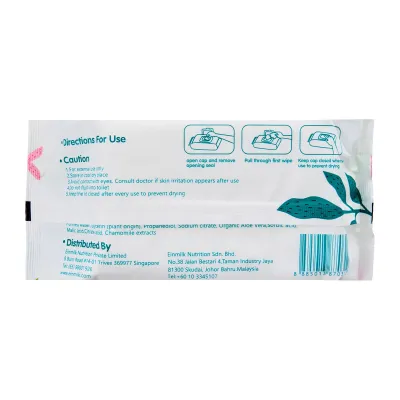
Before purchasing Einmilk wet wipes, parents should locate the full ingredient list, which is typically printed on the back or side of the physical packaging or detailed in the official product specifications on online marketplaces. Relying solely on front-of-pack marketing claims is insufficient, as terms like “gentle” or “baby-safe” are not strictly regulated. Checking the actual chemical names listed in the ingredients is the only reliable way to verify what will touch your baby’s skin.

When reviewing the ingredient list on Einmilk packaging, look out for common chemical irritants that should be avoided in newborn care. These include parabens (such as methylparaben or propylparaben), which are used as preservatives but can disrupt hormones and irritate sensitive skin. Phenoxyethanol, another common preservative, is restricted in some regions for use around the mouth of infants and can cause localized skin reactions. Additionally, parents must avoid wipes containing methylisothiazolinone (MIT) or methylchloroisothiazolinone (CMIT), as these are potent contact allergens. Synthetic fragrances and denatured alcohol should also be absent, as they dry out the skin and trigger allergic responses.
Conversely, high-quality newborn wipes should feature a minimal list of gentle, skin-supporting ingredients. Purified water (often listed as aqua) should make up the vast majority of the formulation, ideally exceeding 98% or 99% of the total volume. Safe humectants and soothing agents like glycerin, aloe vera extract, or chamomile can help maintain skin hydration and soothe minor irritation. However, parents should remain aware that even natural botanical extracts can occasionally trigger allergic contact dermatitis in highly sensitive infants, making a cautious approach necessary.
Key Safety Certifications and Labels to Look For
When evaluating baby wipes, parents often encounter various safety claims on the packaging, such as “dermatologically tested” or “pediatrician approved.” It is important to understand that “dermatologically tested” simply means the product was tested on human skin under the supervision of a dermatologist, but it does not guarantee a specific outcome or indicate that the product is completely hypoallergenic for newborns. “Pediatrician approved” suggests that specialists in child medicine have reviewed the product’s safety profile, but without transparent access to the testing protocols, these claims should be treated as helpful indicators rather than absolute safety guarantees.
To gain more reliable assurance, look for recognized third-party certifications and compliance labels. These may include certifications from international bodies that test for toxic substances, heavy metals, and common allergens. Parents should verify these claims by checking the manufacturer’s official documentation or looking up the certification registration numbers on the certifying body’s public database. Genuine certifications ensure that the manufacturing process and raw materials meet stringent safety thresholds.
Be highly cautious of vague, unverified marketing buzzwords like “100% natural,” “organic,” or “hypoallergenic” when they are not accompanied by a transparent ingredient list or clear testing data. A product can claim to be “natural” while still containing plant-derived ingredients that are known skin sensitizers. Always cross-reference these marketing claims with the actual ingredient list on the Einmilk packaging to ensure the product’s formulation aligns with clinical recommendations for newborn skin.
Best Practices for Using Wet Wipes on Newborns
Before using any new brand of wet wipes, including Einmilk, on your newborn’s sensitive diaper area or face, it is highly recommended to perform a localized patch test. Gently swipe a single wipe over a small, clean area of your baby’s skin, such as the inner forearm or the thigh. Observe the area closely over the next 24 to 48 hours for any signs of redness, swelling, tiny bumps, or dryness. If no reaction occurs, the wipe is generally considered safe for wider use on your baby’s skin.
For the first few weeks of a newborn’s life, their skin barrier is exceptionally fragile and still adapting to the extrauterine environment. During this initial period, or when cleaning up sticky meconium, many pediatricians recommend using plain lukewarm water and sterile cotton balls or soft reusable cotton pads instead of commercial wet wipes. This minimal-exposure approach minimizes the risk of chemical irritation during the critical weeks when the skin’s natural protective barrier is still developing.
When you do transition to using wet wipes, employing the correct wiping technique is essential to prevent mechanical irritation and skin breakdown. Always wipe gently from front to back, especially for baby girls, to prevent the spread of bacteria from the anal area to the urethra. Avoid rubbing or scrubbing the skin vigorously, as friction can damage the thin stratum corneum. Instead, use a gentle patting motion to clean the area, and ensure the skin is completely dry—either by letting it air dry or patting it with a clean, dry cloth—before putting on a fresh diaper to prevent trapping excess moisture.
When to Stop Using a Wipe and Seek Professional Advice
Parents must remain vigilant for any adverse skin reactions that may develop after using wet wipes. Signs of contact dermatitis or an allergic reaction include persistent redness in the diaper area, localized swelling, dry or peeling skin, raised red bumps, or even small blisters. Additionally, if your baby becomes unusually fussy, cries, or shows signs of discomfort specifically during or immediately after you clean them with a wet wipe, it may indicate that the formulation is causing a stinging or burning sensation on their skin.
If you suspect that a wet wipe is causing irritation, take immediate, low-risk steps to manage the situation at home. Discontinue the use of the wipes immediately and switch back to using plain lukewarm water and soft cotton cloths for all cleanups. Gently rinse the affected area with water to remove any lingering chemical residues from the wipe, and allow the skin to air dry completely. Applying a thin layer of a fragrance-free barrier cream containing zinc oxide can also help protect the irritated skin from further contact with urine and stool.
While mild diaper irritation can often be managed at home, certain symptoms require professional medical evaluation. You should stop home treatment and consult a pediatrician or a pediatric dermatologist if the rash does not improve within two to three days of discontinuing the wipes, if the redness spreads beyond the diaper area, or if you observe signs of a secondary infection. These signs include pus-filled blisters, oozing yellow crusts, extreme swelling, or if your baby develops a fever. A qualified healthcare professional can provide an accurate diagnosis and prescribe appropriate treatment, such as a mild topical ointment.
Frequently Asked Questions (FAQ)
Can I use Einmilk wet wipes on my newborn's face and hands?
The skin on a newborn’s face, particularly around the eyes and mouth, is even thinner and more sensitive than the skin in the diaper area. Additionally, babies frequently put their hands in their mouths, meaning any chemical residue left on their hands by a wet wipe could be accidentally ingested. Before using Einmilk wet wipes on your baby’s face or hands, you must carefully check the manufacturer’s specific usage instructions on the packaging to see if facial use is explicitly permitted. If the packaging does not clearly state that the wipes are safe for facial and hand use, or if the ingredient list contains preservatives and surfactants not intended for ingestion, it is best to use a soft cloth dampened with plain water instead.
Are water-based wipes always safer than those with added moisturizers?
Water-based wipes, which typically consist of 99% water and a minimal preservative system, are generally considered the safest option for newborns with highly reactive or allergy-prone skin because they minimize the number of chemical ingredients exposed to the skin. However, wipes with added mild moisturizers, such as glycerin or aloe vera, can serve a beneficial purpose for babies with extremely dry or peeling skin. These moisturizing agents help reduce friction during wiping and help replenish lost lipids in the skin barrier. Parents should choose based on their baby’s specific skin condition: select ultra-minimal water-based wipes if your baby is prone to contact allergies, and consider wipes with gentle, safe moisturizers if your baby’s skin requires extra hydration to prevent cracking and dryness.

Community discussion
Share your experience or ask a question. Comments are reviewed before publication.