
Choosing waterproof diaper pants in Singapore requires balancing reliable leak protection with genuine environmental sustainability. In a tropical, high-humidity climate, the decision involves more than just picking an attractive print; it requires understanding how different waterproof laminates, absorbent fibers, and diaper styles perform under local conditions. By focusing on material transparency, construction quality, and proper maintenance, parents can build a durable diaper stash that minimizes waste and keeps babies comfortable.
Transitioning to reusable diapering systems can significantly reduce a household’s environmental footprint while offering long-term cost savings. However, because cloth diapers are a significant upfront investment, understanding the technical aspects of their construction is essential. Evaluating the materials, design features, and care requirements of various options will help you select a system that fits your family’s lifestyle and supports your sustainability goals.
Decoding Eco-Friendly and Waterproof Materials
The waterproof performance of modern cloth diapers relies on a specialized outer layer that prevents moisture from seeping through to baby’s clothes. The two most common materials used for this purpose are Polyurethane Laminate (PUL) and Thermoplastic Polyurethane (TPU). While both serve the same primary function, their manufacturing processes and environmental impacts differ.
Products mentioned in this guide
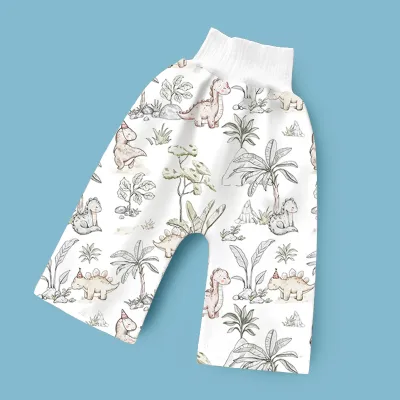
![[4 at $10.90] Baby Toilet Training Pants 6 Layers Reusable Cloth Diaper Waterproof Underwear Nappy Potty Highly Absorbent](https://img.lazcdn.com/g/p/197076b91cd3cd72b6ad2647e18e82e9.png_400x400q80.png_.webp)
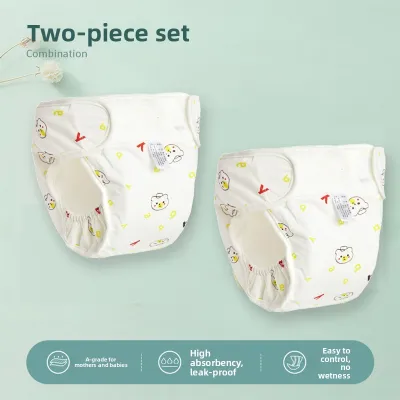
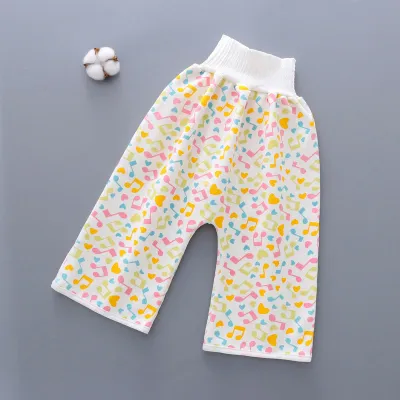
![[CARTON OF 4] No Days Off Diaper Pants for Day 🌽 Anti-Rash Made from Corn](https://img.lazcdn.com/g/p/129ac7f6b22d730dcd2cb4a0ba32406d.jpg_400x400q80.jpg_.webp)
![[NEW CUSTOMER B1F1 - Add 2 to cart] No Days Off Overnight 🌙 Diaper Pants 🌽 Anti-Rash Made from Corn](https://img.lazcdn.com/g/p/bc93301320320832874a610ae99064bc.jpg_400x400q80.jpg_.webp)
Prices are valid at publication and may change. Please refer to the product page for the latest price.
PUL is typically created using a chemical solvent process to bond a thin plastic film to a polyester fabric backing. This solvent-based bonding results in a highly durable material that can withstand frequent washing and high temperatures, but the chemical processing is less environmentally friendly. TPU, on the other hand, utilizes a heat-bonding process to laminate the membrane to the fabric. This thermal bonding method avoids harsh chemical solvents, making TPU a preferred choice for eco-conscious parents, though it can sometimes be more sensitive to extreme heat during washing and drying.
Beneath the waterproof outer shell lies the absorbent core, where material choice directly impacts both performance and environmental footprint. Natural fibers like organic cotton, bamboo, and hemp are highly favored in sustainable diapering. Organic cotton is soft, durable, and absorbs moisture quickly, making it excellent for active babies. Bamboo rayon or viscose offers exceptional softness and high absorbency, though it often requires a synthetic polyester base for structural stability. Hemp is the most absorbent of the natural fibers, holding large volumes of liquid without bulk, making it ideal for overnight use, though it absorbs more slowly than cotton.
In contrast, synthetic absorbent materials like microfiber are made from polyester and polyamide blends. While microfiber is inexpensive and absorbs liquid rapidly, it is prone to compression leaks—where moisture squeezes out like a sponge when the baby sits down. Furthermore, synthetic inserts shed microplastics during every wash cycle, contributing to synthetic pollution in waterways. Choosing natural, organic fibers reduces microplastic shedding and ensures that the materials closest to your baby’s skin are free from synthetic chemical residues.
To determine if a diaper is genuinely eco-friendly, look beyond the primary fabrics. High-quality sustainable brands prioritize non-toxic, heavy-metal-free dyes and lead-free snaps. They also minimize plastic packaging, opting for recycled paper or reusable cloth bags. When evaluating a brand, consider whether they use recycled polyester (rPET) for their waterproof shells, which repurposes post-consumer plastic bottles and further reduces the product’s carbon footprint.
Criteria for Evaluating Sustainable Diaper Brands
With many brands claiming environmental benefits, parents must learn to distinguish genuine sustainability from greenwashing. The most reliable way to verify a brand’s environmental claims is to look for independent, third-party textile certifications. These certifications provide assurance that the materials used have been rigorously tested for harmful substances and produced under environmentally responsible conditions.

When reviewing product labels or manufacturer websites, check for recognized standards such as the Global Organic Textile Standard (GOTS) and OEKO-TEX Standard 100. GOTS ensures that the harvesting of raw materials, environmentally and socially responsible manufacturing, and labeling meet strict organic criteria. OEKO-TEX Standard 100 certifies that every component of the diaper, including threads, snaps, and linings, has been tested for harmful chemicals and is safe for infant use. Because certifications can be falsely claimed, parents should verify the certificate number directly on the official GOTS or OEKO-TEX online databases.
Brand longevity and product support are equally critical indicators of sustainability. A truly eco-friendly brand designs products to last through multiple children and offers solutions to extend the diaper’s lifespan. Look for manufacturers that provide clear warranty policies covering manufacturing defects, such as delamination or broken snaps. Some progressive brands offer replacement elastic kits, snap repair services, or detailed tutorials on how to replace worn-out components, preventing the diapers from prematurely entering landfills.
Ethical manufacturing practices and supply chain transparency offer further insight into a brand’s values. Reputable brands openly share information about where their factories are located, the working conditions of their textile artisans, and how they manage waste and energy consumption. Supporting brands that prioritize fair wages, safe working environments, and carbon-offsetting initiatives ensures your purchasing decisions align with broader global sustainability goals.
Choosing the Right Waterproof Diaper Pants Style
Cloth diapers come in several distinct designs, each offering unique advantages in terms of convenience, drying time, and customization. Selecting the right style depends on your daily routine, laundry facilities, and how you manage Singapore’s humid climate.
All-in-One (AIO) diapers are the closest equivalent to disposables in terms of convenience. The absorbent inner layers are sewn directly to the waterproof outer shell, making diaper changes straightforward and user-friendly for caregivers or infant care centers. However, because all layers are permanently attached, AIOs take the longest to dry. In Singapore’s humid air, line-drying an AIO can take more than a day, which may require you to maintain a larger overall diaper stash.
Pocket diapers feature a waterproof outer shell with a stay-dry inner lining that forms a pocket. You customize the absorbency by stuffing inserts made of bamboo, hemp, or cotton into this pocket. Because the inserts are removed for washing, pocket diapers dry much faster than AIOs. This style allows you to adjust the absorbency level based on your baby’s age and wetting patterns, though it does require extra time for stuffing and assembling after each laundry cycle.
Hybrid or All-in-Two (AI2) systems consist of a waterproof shell and separate absorbent inserts that snap or lay inside. When the diaper is wet, you simply remove the soiled insert, wipe the waterproof shell clean if it is not soiled, and snap in a fresh insert. This system is highly efficient because you can reuse the outer shell multiple times before washing it, significantly reducing the volume of laundry you need to process and dry each week.
Regardless of the style you choose, effective leak prevention relies on specific structural features. Look for diaper pants with double leg gussets, which provide an extra barrier of elastic protection around the thighs to contain runny messes. High-quality, durable elastics at the legs and waist are essential for creating a snug, comfortable seal without leaving red marks on your baby’s skin. Adjustable rise snaps allow the diaper to grow with your baby, ensuring a proper fit from infancy through toddlerhood.
Matching the diaper style to your baby’s developmental stage is key to a successful cloth diapering journey. For newborns, who require frequent changes and have sensitive skin, soft organic cotton prefolds with a waterproof cover offer a highly adjustable and cost-effective solution. As babies become highly active toddlers, pull-up style waterproof diaper pants with stretchy side panels make diaper changes much easier while supporting independent toilet training. For overnight protection, a fitted cloth diaper made entirely of absorbent hemp or cotton, paired with a separate waterproof cover, provides the maximum moisture capacity needed for uninterrupted sleep.
Sourcing and Verifying Brands in Singapore
Finding authentic, high-quality eco-friendly cloth diapers in Singapore requires careful sourcing. While general online marketplaces offer a vast array of cheap diapering options, many of these products lack material safety testing and may degrade rapidly under local conditions.
To ensure you are purchasing genuine products, buy directly from official brand websites or authorized local baby retailers. Specialized local boutiques often curate reputable international and regional brands, providing customer support, fit consultations, and authentic manufacturer warranties. Purchasing from authorized sources guarantees that the diapers have met local import safety standards and are free from restricted chemical substances.
When browsing general e-commerce platforms, learn to spot red flags for counterfeit or greenwashed products. Unusually low prices—such as a complete waterproof diaper package sold for under S$5—often indicate substandard materials, poor labor practices, and a lack of safety certifications. Generic listings that do not specify the exact composition of the waterproof laminate or the origin of the organic fibers should be approached with caution. Greenwashed products frequently use vague terms like “eco-friendly” or “natural” without providing any verifiable certification numbers or material breakdowns.
Singapore’s tropical climate presents unique challenges for maintaining waterproof diaper pants. High ambient temperatures and persistent humidity can accelerate the degradation of polyurethane laminates if diapers are stored or washed incorrectly. Mold and mildew thrive in damp, warm environments, making proper storage and drying critical. When evaluating brands, look for those that use high-quality, breathable TPU or PUL that can withstand local washing demands without delaminating or losing elasticity.
Building and Maintaining a Sustainable Diaper Stash
Creating a functional cloth diaper routine involves calculating the right number of diapers to meet your needs without over-purchasing. Over-buying defeats the environmental purpose of reusable diapering by consuming unnecessary resources, while under-buying leads to excessive wear and tear on a small number of diapers.
To determine your optimal stash size, consider your baby’s age, daily diaper usage, and your washing frequency. Newborns typically require 10 to 12 diaper changes per day, while older infants and toddlers need about 6 to 8 changes. If you plan to wash your diapers every two days, a stash of 20 to 24 diapers is recommended. This allows ample time for washing, line-drying, and assembling the diapers without running out of clean options. If you rely solely on line-drying indoors during the monsoon season, you may need to add 4 to 6 extra diapers or inserts to account for longer drying times.
An eco-friendly washing routine is essential for preserving the waterproof integrity of your diaper pants and minimizing environmental impact. Start with a short, cold pre-wash cycle with a small amount of detergent to flush out organic waste. Follow this with a long, hot main wash cycle (ideally between 40°C and 60°C, depending on the manufacturer’s instructions) using a residue-free, plant-based detergent. Avoid using fabric softeners, optical brighteners, or chlorine bleach; fabric softeners coat the fibers and cause them to repel moisture, while harsh bleach can degrade the waterproof laminate and damage elastics.
To minimize water pollution from microplastics, wash synthetic inserts or pocket linings inside a specialized microplastic-catching wash bag. Whenever possible, line-dry your diaper shells and inserts in the sun. Sunlight acts as a natural sanitizer and helps fade stubborn stains, though you should avoid leaving waterproof shells in direct, intense midday sun for extended periods, as extreme heat can melt or crack the TPU/PUL laminate.
Eventually, even the most durable cloth diapers will reach the end of their functional lifespan. When natural fiber inserts become too worn for diapering, they can be composted or repurposed as highly absorbent household cleaning rags. Synthetic components, such as worn-out waterproof shells, elastics, and plastic snaps, cannot be composted. Consider donating usable shells to local parenting sharing groups or textile recycling initiatives. If a shell is completely unusable, remove the plastic snaps and elastics to separate the materials before disposal, ensuring you minimize the non-biodegradable waste sent to landfill.
Frequently Asked Questions (FAQ)
Are waterproof cloth diapers completely biodegradable?
No, modern waterproof cloth diapers are not completely biodegradable. While the absorbent inserts made from natural fibers like organic cotton, bamboo, or hemp will biodegrade under proper composting conditions, the waterproof outer shells are made of synthetic materials. The polyurethane laminates (PUL or TPU), polyester backings, plastic snaps, and elastic bands do not biodegrade and must be disposed of through standard waste management or specialized textile recycling programs. To minimize environmental impact, choose high-quality diapers designed to last through multiple children, reducing the overall volume of synthetic waste generated.
How does Singapore's humidity affect waterproof cloth diapers?
Singapore’s high humidity slows down the drying process and increases the risk of mold and mildew growth on damp fabrics. To prevent musty odors and fabric damage, store soiled diapers in a dry, well-ventilated pail with a mesh liner rather than a sealed, airtight wet bag. When drying your diapers indoors, utilize a standing fan, a dehumidifier, or place them near a well-ventilated window to accelerate moisture evaporation. Ensure that all absorbent inserts and waterproof shells are completely dry before folding and storing them in closed drawers, as storing even slightly damp diapers can encourage mold spores to develop.
Can I use standard diaper rash creams with waterproof cloth diapers?
Standard diaper rash creams containing petroleum, mineral oil, or high concentrations of zinc oxide should not be used directly with waterproof cloth diapers. These ingredients create a water-resistant barrier that transfers to the diaper fabric, causing the fibers to repel moisture instead of absorbing it, which leads to leaks. If your baby requires a barrier cream, use a reusable fleece liner to protect the diaper fabric, or choose a cloth-safe cream formulated without petroleum or zinc oxide. If a persistent rash develops, consult a qualified pediatrician or healthcare professional to identify the underlying cause and obtain a safe treatment plan.
Community discussion
Share your experience or ask a question. Comments are reviewed before publication.