
Quick Answer: Finding Your Ideal Cloth Diaper Match
Choosing the right cloth diaper system in Singapore requires balancing environmental ideals with the practical realities of daily parenting. The optimal brand and style for your household depend on who changes the diaper, your washing setup, and how quickly laundry dries in a tropical environment.
For families prioritizing maximum convenience and a seamless transition for alternative caregivers, All-in-One (AIO) diapers from premium eco-conscious brands are highly effective. These diapers function similarly to disposables, making them straightforward for grandparents, helpers, or infant care staff. However, they require a longer drying time due to their integrated layers, which can be a bottleneck in humid weather.
For families seeking faster drying times, customizable absorbency, and a lower cost-per-use, Pocket or Hybrid diaper systems are more practical. These systems allow you to separate the absorbent inserts from the waterproof shells, speeding up the drying process and letting you adjust the diaper’s thickness for heavy wetters or overnight use. Ultimately, the best choice balances your baby’s skin sensitivity in a warm climate with your household’s realistic laundry and drying capacity.
Products mentioned in this guide
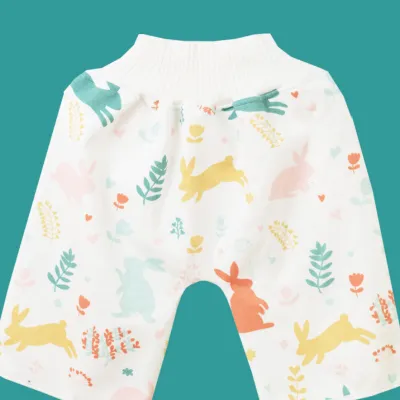
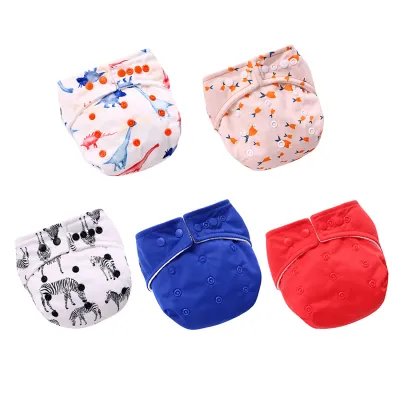
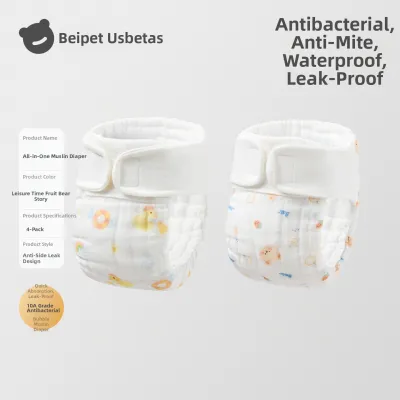
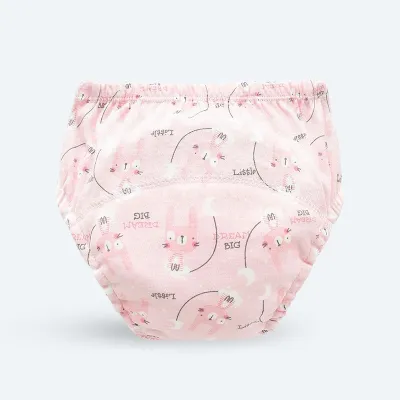
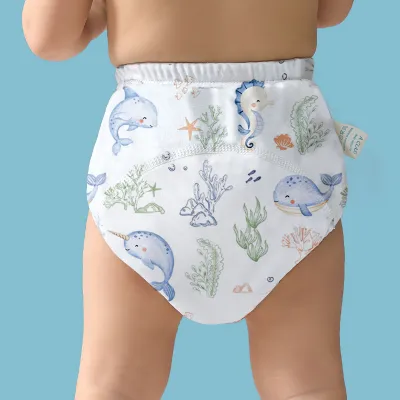
![[4 at $10.90] Baby Toilet Training Pants 6 Layers Reusable Cloth Diaper Waterproof Underwear Nappy Potty Highly Absorbent](https://img.lazcdn.com/g/p/8ddde1677384c797b9de2af14f2beb0f.png_400x400q80.png_.webp)
Prices are valid at publication and may change. Please refer to the product page for the latest price.
Core Comparison Criteria: Sustainability Meets Daily Usability
Evaluating cloth diaper brands requires looking beyond marketing terms like “eco-friendly” and “natural.” To find a system that is genuinely sustainable and reliable, parents must assess specific material, manufacturing, and design standards.

Eco-Friendliness Metrics
When evaluating a brand’s environmental credentials, check the product labels and manufacturer documentation for independent certifications. Look for the Global Organic Textile Standard (GOTS) for organic cotton components, which ensures the fiber was grown without toxic pesticides and processed under strict environmental and social criteria. Standard 100 by Oeko-Tex is another critical certification, verifying that the finished fabric is free from harmful levels of toxic chemicals and safe for sensitive infant skin.
Consider the raw materials used in the absorbent inserts. Industrial hemp and bamboo are highly renewable crops that require significantly less water and fewer pesticides to grow than conventional cotton. Additionally, investigate the diaper’s waterproof outer layer, which is typically made of Polyurethane Laminate (PUL) or Thermoplastic Polyurethane (TPU). Many eco-conscious brands utilize TPU, which is heat-bonded rather than chemically bonded, reducing the use of volatile solvents during manufacturing. Finally, check if the brand uses plastic-free, recyclable, or FSC-certified paper packaging.
Practicality Metrics
Daily usability is determined by how well the diaper prevents leaks and how easily it fits into your routine. Absorbency capacity and rate are critical: natural fibers like hemp hold a large volume of liquid but absorb slowly, while bamboo and organic cotton absorb quickly but may leak under compression if saturated. Look for diapers with double leg gussets, which provide an extra barrier against blowouts, especially for younger infants.
Fastening systems also impact daily convenience. Snaps are highly durable, resistant to toddler hands, and do not degrade in the wash, though they can take longer to fasten on an active baby. Hook-and-loop fasteners (similar to Velcro) offer a highly adjustable, familiar fit but can wear down over time, collect lint, and scratch other items in the wash if laundry tabs are not secured properly. Finally, consider the drying time of the system; diapers that cannot be tumble-dried or take over 24 hours to line-dry in humid conditions can disrupt your diaper rotation.
Cost-per-Use Consideration
While the upfront cost of a high-quality cloth diaper system is higher than a pack of disposables, the long-term value depends on durability and system design. Hybrid systems, where a single waterproof cover can be wiped clean and reused with multiple fresh inserts, require a smaller initial investment because you buy fewer shells. High-quality snaps, reinforced stitching, and premium elastics ensure the diapers survive hundreds of wash cycles and can be reused for subsequent children, maximizing your financial and environmental investment.
Evaluating Popular Cloth Diaper Systems Available in Singapore
Several prominent cloth diaper brands are available in Singapore through official brand websites, local boutique baby retailers, and online marketplaces. Understanding how these systems differ in design helps you select the right option for your child’s age, weight, and developmental stage.
All-in-One and Pocket Diapers for Maximum Convenience
All-in-One (AIO) diapers represent the simplest transition from disposable diapers. In an AIO design, the absorbent core is permanently sewn to the waterproof outer shell. Brands like Thirsties and GroVia offer highly regarded AIO options. The primary advantage of this design is simplicity; there is no stuffing, folding, or matching of inserts required after washing, making them the preferred choice for busy parents, grandparents, or infant care centers.
However, the integrated design of AIOs presents a major drawback in Singapore’s high humidity: drying times are significantly longer because air cannot circulate between the layers. If you do not have a clothes dryer, or if the manufacturer’s care instructions prohibit tumble-drying the waterproof TPU shell, you may need a larger overall stash of diapers to cover the slow drying turnaround. Additionally, because the absorbent layers are fixed, customizing the absorbency for heavy wetters or overnight use can be difficult without adding bulky external boosters.
Pocket diapers offer a practical middle ground between convenience and drying speed. This design features a waterproof outer shell with a sewn-in inner lining that creates a pocket, which you stuff with absorbent inserts. Popular brands such as Alvababy and EcoNaps are widely used in this category. Because the inserts are removed before washing, both the shells and the inserts dry much faster than AIOs.
When choosing pocket diapers, pay close attention to the inner lining material that touches your baby’s skin. Many pocket diapers feature a synthetic stay-dry lining, such as microfleece or athletic wicking jersey (AWJ). These materials draw moisture away from the skin into the underlying insert, keeping the baby feeling dry and comfortable in hot weather. Other brands offer natural fiber inner linings, such as organic cotton or bamboo viscose, which are highly breathable but will feel wet to the touch, which some parents prefer for early toilet training.
Hybrid and Fitted Systems for Heavy Wetters and Customization
For overnight use, long outings, or heavy wetters, modular systems like fitted diapers paired with waterproof covers offer excellent performance. A fitted diaper is made entirely of absorbent material—usually multi-layered hemp, organic cotton, or bamboo—and features elasticized legs and waist. Because the entire diaper is absorbent, it holds a significant volume of liquid. However, it is not waterproof on its own and must be worn underneath a separate waterproof diaper cover.
Fitted diapers, such as those from eco-focused specialty brands, provide outstanding leak protection because they offer two lines of defense: the elastic of the fitted diaper and the elastic of the outer cover. This makes them highly reliable for nighttime sleep. The primary trade-off is the two-step changing process, which can be challenging with an active toddler. They are also bulkier than other systems and take a long time to dry due to their thickness.
Hybrid systems, sometimes called All-in-Two (AI2) systems, offer versatility by combining a reusable waterproof cover with interchangeable inserts that snap or lay inside. Brands like Bare and Boho and Close Parent (Pop-in) specialize in these designs. With a hybrid system, if the outer cover is not soiled by waste, you can simply remove the wet insert, wipe the inside of the cover clean, snap in a fresh insert, and reuse the cover. This reduces the number of diaper shells you need to buy and wash.
Many hybrid brands also offer the option of using disposable, biodegradable inserts alongside reusable cloth inserts. This hybrid flexibility is highly useful for travel, holidays, or periods of illness. However, parents in Singapore should verify the disposal instructions for any “eco-disposable” or compostable inserts. Most of these products require industrial composting facilities to break down effectively; if they are disposed of in standard household waste, they will be sent to Singapore’s waste-to-energy incineration plants, neutralizing their composting benefits.
Adapting to Singapore’s Climate: Breathability and Wash Routines
Singapore’s tropical climate, characterized by high temperatures and relative humidity levels often exceeding 80%, introduces specific challenges for cloth diapering. Managing breathability, skin health, and laundry hygiene is essential for a successful experience.
Breathability and Skin Health
In a warm, humid environment, trapped moisture and heat can quickly compromise a baby’s delicate skin barrier, increasing the risk of diaper rash and yeast infections. To promote airflow, prioritize highly breathable fabrics. Natural fiber inserts made of organic cotton, bamboo, or hemp allow for better heat dissipation than thick synthetic microfiber inserts. For the outer shell, high-quality, breathable TPU covers are preferable to heavy, non-breathable laminates.
To maintain skin health, caregivers should change cloth diapers every 2 to 3 hours, or immediately when soiled. If you notice persistent redness, irritation, or signs of a fungal infection, stop using cloth diapers temporarily, switch to a compatible barrier cream, and consult a pediatrician or qualified healthcare professional. Note that many standard zinc-oxide diaper creams can coat cloth diaper fibers and permanently reduce their absorbency; if you must use these creams, always use a disposable liner or a flushable paper liner to protect the diaper fabric.
Drying Challenges
Drying thick, multi-layered natural fiber inserts can be difficult in Singapore’s humid air, particularly during the wet monsoon seasons. To prevent dampness and mildew, maximize air circulation. Hang diapers on a drying rack near open windows with good cross-ventilation, or use a standing fan to keep air moving over the fabric. Hanging diapers in an air-conditioned room can also accelerate drying by lowering the ambient humidity.
Before using a clothes dryer, always check the manufacturer’s care labels. While most natural fiber inserts can tolerate tumble-drying on low or medium heat, high temperatures can melt or warp the waterproof laminate (PUL/TPU) of the diaper shells and degrade the elastic bands. Damaging these components can cause immediate leaks and void the manufacturer’s warranty.
Wash Routine Essentials
A consistent, thorough wash routine is vital to prevent ammonia buildup, lingering odors, and bacterial growth. Because Singapore’s municipal tap water is moderately soft, detergents dissolve and rinse away easily, but you must still follow a structured multi-step process:
- Pre-Wash: Run a short, warm cycle (30°C to 40°C) with a small amount of detergent. This step flushes out the bulk of the urine and soil, ensuring the main wash is done in clean water.
- Main Wash: Run a long, heavy-duty cycle (40°C to 60°C) with a full dose of detergent. The water temperature should be high enough to sanitize the fabric without exceeding the manufacturer's maximum recommended temperature (typically 60°C).
- Detergent Selection: Use a strong, enzyme-based detergent that effectively breaks down proteins and lipids. Avoid eco-detergents that contain fabric softeners, natural oils, or soap-based formulas, as these additives leave a residue on the fibers that repels moisture and causes leaks. Avoid optical brighteners and strong fragrances if your baby has sensitive skin.
- Thorough Drying: Ensure all inserts and shells are completely dry before folding and storing them in closed drawers. Storing damp diapers in Singapore's humid climate can lead to mold and mildew growth.
If your clean diapers develop a sharp, pungent ammonia smell as soon as the baby urinates, this indicates a buildup of urea residues. You will need to adjust your wash routine or perform a deep sanitizing wash according to the manufacturer’s troubleshooting guidelines.
Final Decision Framework: Choosing the Right Cloth Diaper
To build a functional and sustainable cloth diaper system, synthesize the trade-offs of each design against your household’s specific constraints:
| Diaper System | Best Suited For | Drying Speed | Convenience Level | Customization |
|---|---|---|---|---|
| All-in-One (AIO) | Daycare, grandparents, quick changes | Slow | High (No assembly) | Low (Fixed layers) |
| Pocket Diapers | Daily use, humid climates, active babies | Moderate to Fast | Moderate (Requires stuffing) | High (Adjustable inserts) |
| Hybrid (AI2) | Travel, minimalist stashes, budget-conscious | Fast | Moderate (Snap-in inserts) | Moderate (Reusable shells) |
| Fitted + Cover | Heavy wetters, overnight use, rash prevention | Slow | Low (Two-step process) | High (Maximum coverage) |
Before purchasing a complete set of diapers, use this final verification checklist:
- Verify Stock and Support: Confirm that the brand has reliable local stockists or authorized distributors in Singapore to avoid high international shipping fees and ensure access to replacement parts.
- Check the Warranty: Review the manufacturer's warranty terms regarding elastics, snaps, and lamination defects, as these are the components most vulnerable to wear.
- Assess Laundry Capacity: Ensure you have adequate drying space and hanging racks to accommodate your washing frequency, keeping in mind the local climate.
- Start with a Trial Stash: Avoid buying a full set of 20 to 24 diapers from a single brand initially. Every baby has a unique body shape, and a brand that fits a chunky baby perfectly may gap and leak on a leaner baby. Acquire a small trial stash of 3 to 5 diapers across different brands and systems. This allows you to test the fit, evaluate how the fabrics perform in your wash routine, and confirm which system fits your lifestyle before making a larger financial commitment.
Frequently Asked Questions (FAQ)
How many cloth diapers do I need for full-time use?
The size of your diaper stash depends on your baby’s age and how frequently you plan to wash. Newborns typically require 10 to 12 diaper changes per day, whereas older infants and toddlers require 6 to 8 changes. If you plan to wash your diapers every 2 days, a baseline stash of 24 to 30 diapers is recommended for a newborn, and 18 to 24 diapers for an older infant.
In Singapore’s humid climate, you must also account for drying time. If you rely on line-drying natural fiber inserts, which can take up to 24 hours or longer during the rainy season, you should add an extra 6 to 8 diapers to your stash. This buffer ensures you do not run out of dry diapers while waiting for the clean wash to dry.
Are natural fiber inserts like bamboo and hemp truly more sustainable?
Natural fibers like bamboo and hemp offer significant environmental advantages over synthetic materials like microfiber, which is a form of polyester that sheds microplastics during wash cycles. Hemp is highly sustainable, requiring minimal water and no chemical pesticides to cultivate, and it produces exceptionally durable, highly absorbent fibers.
However, the sustainability of bamboo depends heavily on how it is processed. While raw bamboo is a fast-growing, highly renewable grass, converting its woody stalks into soft fabric (bamboo viscose or rayon) typically requires intensive chemical processing using solvents like carbon disulfide. To ensure your bamboo or hemp inserts are processed in an environmentally responsible manner and are safe for your baby, look for independent certifications such as Standard 100 by Oeko-Tex or GOTS on the product packaging.
Community discussion
Share your experience or ask a question. Comments are reviewed before publication.