
Potty training represents a significant developmental leap for toddlers and a major transition for families. In Singapore, where environmental consciousness is steadily rising, many parents are looking for sustainable alternatives to disposable training pants. Conventional disposable pull-ups contribute significantly to landfill waste, taking hundreds of years to decompose while consuming vast resources during manufacturing. Consequently, the search for high-quality training brief toddler options has led many parents to explore reusable cloth alternatives. These eco-friendly briefs not only reduce environmental impact but also support the potty training process by fostering sensory awareness. However, navigating the market requires a clear understanding of materials, brand practices, and design features to ensure a successful and sustainable transition.
Understanding Eco-Friendly Materials for Training Briefs
Choosing truly sustainable training briefs requires a close look at the fiber content and manufacturing processes. Natural fibers are highly favored for their biodegradability and minimal environmental footprint. Organic cotton is a premier choice; it is grown without synthetic pesticides or fertilizers, preserving soil health and consuming less water than conventional cotton. Hemp is another exceptionally sustainable option, requiring minimal land and water to grow while producing incredibly durable, absorbent fibers with natural antimicrobial properties. Bamboo is also popular, but parents should understand the distinction between bamboo linen (mechanically processed) and bamboo rayon or viscose (chemically processed). While the raw bamboo plant grows rapidly without pesticides, converting it into soft fabric often involves intensive chemical treatments, making transparency crucial.
In contrast, synthetic materials like polyester, Polyurethane Laminate (PUL), and Thermoplastic Polyurethane (TPU) are commonly used for the waterproof outer layer of training briefs. While synthetics are not biodegradable, they play a vital role in preventing leaks. To minimize environmental impact, look for brands that utilize recycled polyester (rPET) derived from post-consumer plastic bottles. Additionally, TPU is generally considered more eco-friendly than PUL because it is bonded using a heat-lamination process rather than chemical solvents, reducing toxic emissions during production.
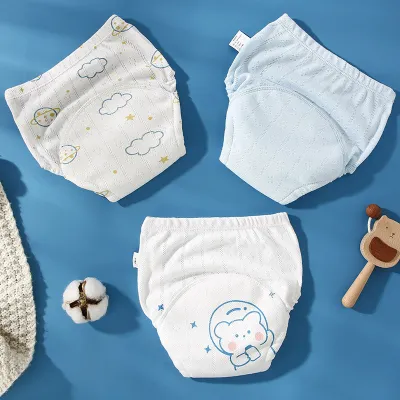
Products mentioned in this guide
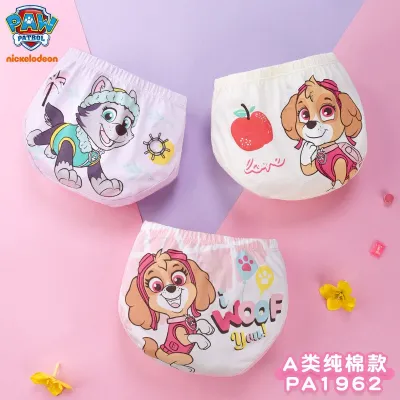
![[SG Ready Stock] Baby Toilet Training Pants 6 Layers Cotton Toddler Kid Potty Training Underwear Washable Cloth Diaper Children Day Gifts](https://img.lazcdn.com/g/p/3987f2eec680cd64554d9932f24c6993.jpg_400x400q80.jpg_.webp)
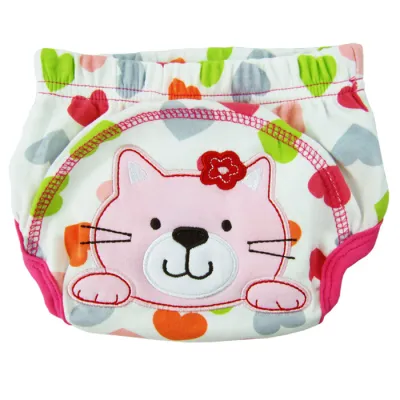
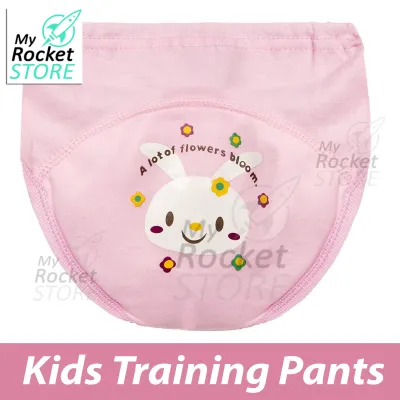
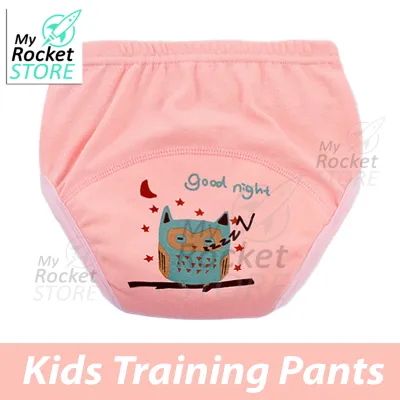
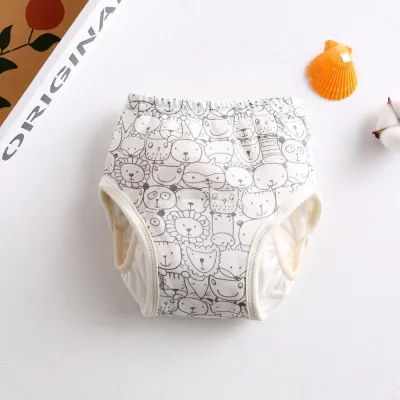
![SG REady Stock BLO007 Baby Toddler Boys Girls Potty Training Pants Underwear [Little Gems] Polyester](https://img.lazcdn.com/g/p/1d23dd75f02f2c99259e814060369cf9.jpg_400x400q80.jpg_.webp)
Prices are valid at publication and may change. Please refer to the product page for the latest price.
The dyes used in coloring and patterning the briefs also affect their ecological footprint. Conventional textile dyeing is a major source of water pollution globally. Eco-friendly brands prioritize low-impact, heavy-metal-free, or plant-based dyes. These dyes bond highly efficiently with the fibers, requiring less water during the rinsing process and leaving fewer chemical residues. This is particularly important for toddlers, as their skin is highly permeable and sensitive to synthetic chemical residues.
Evaluating Brand Sustainability and Transparency
As the demand for green products grows, so does the prevalence of greenwashing. Parents must learn to verify eco-friendly claims rather than relying solely on marketing terms like “natural” or “earth-friendly.” The most reliable way to assess a brand’s commitment to sustainability is by checking for recognized third-party certifications. The Global Organic Textile Standard (GOTS) is the gold standard for organic fibers, ensuring environmental and social criteria are met along the entire supply chain. For chemical safety, the OEKO-TEX Standard 100 certification guarantees that every component of the garment, from the thread to the snaps, has been tested for harmful substances. For recycled materials, look for the Global Recycled Standard (GRS) or Recycled Claim Standard (RCS).

Brand transparency is another critical indicator of genuine sustainability. Ethical brands openly share information about their manufacturing facilities, supply chain ethics, and labor conditions. They often publish annual impact reports or maintain detailed disclosures on their official websites. When researching brands available in Singapore, look for those that actively work to minimize their carbon footprint, perhaps by sourcing materials locally to their production hubs or utilizing carbon-offset shipping programs.
Packaging and shipping practices also reflect a brand’s environmental values. A product marketed as eco-friendly loses some of its appeal if it arrives wrapped in multiple layers of single-use plastic. Sustainable brands prioritize plastic-free packaging, utilizing recycled cardboard boxes, compostable mailers, and minimal paper tags. In Singapore’s urban environment, where waste reduction at the source is highly encouraged, choosing brands that practice minimalist, plastic-free shipping helps reduce domestic waste.
Balancing Absorbency and Potty Training Feedback
The primary function of a training brief is fundamentally different from that of a diaper. While diapers are engineered to keep a baby’s skin completely dry by locking moisture away, training briefs are designed to let the toddler feel wetness. This sensory feedback is a crucial component of the potty training process. When a toddler experiences the physical sensation of dampness immediately after an accident, their brain begins to connect the internal urge to urinate with the external consequence of wet clothing. This cognitive link encourages them to use the toilet in the future.
Therefore, the inner lining of the training brief should be made of natural fibers like cotton or bamboo, which hold moisture against the skin rather than synthetic “stay-dry” fabrics like microfleece or suedecloth. The absorbency capacity must be carefully balanced. Training briefs typically feature two to four layers of absorbent material in the wetness zone. This is sufficient to catch a small accident or a partial void, giving the parent and toddler time to reach the bathroom without soaking through to outer clothing. However, they are not designed to hold a full bladder release, which is intentional to prevent the child from remaining comfortable while wet.
Design features also impact usability and independence. Pull-up styles with elastic waistbands mimic adult underwear, allowing toddlers to practice pulling them up and down. This fosters fine motor skills, autonomy, and confidence. On the other hand, side-snap designs are highly practical for the early stages of training. If a larger accident occurs, side snaps allow the caregiver to remove the brief easily without sliding soiled fabric down the toddler’s legs, minimizing mess and stress.
Sizing, Fit, and Comfort for Active Toddlers
An ill-fitting training brief can lead to leaks, discomfort, and skin irritation, potentially stalling the potty training journey. Because toddlers have diverse body shapes—ranging from chunky thighs to lean builds—relying solely on age or weight recommendations on packaging is often insufficient. Parents should use a soft measuring tape to measure the toddler’s waist and upper thigh circumference. Compare these measurements directly against the manufacturer’s specific size chart, as sizing standards vary significantly between brands.
The design of the waistband and leg gussets is critical for active toddlers. The waistband should be wide and highly elastic, distributing pressure evenly across the abdomen without digging in. Leg gussets must fit snugly against the skin to contain sudden leaks, yet remain flexible enough to accommodate running, climbing, and sitting. Look for gentle, fabric-covered elastics rather than exposed synthetic elastics, which can cause friction and chafing.
Caregivers should regularly monitor the toddler’s skin for signs of poor fit. Red marks or deep indentations around the waist or thighs indicate that the brief is too tight or the elastic is too stiff, requiring a size upgrade or a brand with a more generous cut. Conversely, gaps around the leg openings or sagging in the crotch indicate the brief is too loose. A loose fit will fail to contain moisture, leading to leaks along the legs even during minor accidents.
Washing and Caring for Cloth Training Briefs
Establishing a proper care routine is essential to maintain the hygiene, absorbency, and longevity of cloth training briefs. Proper care ensures that the natural fibers remain absorbent and the waterproof layers do not degrade prematurely. For pre-treatment, solid waste should be flushed down the toilet immediately. Rinse the brief in cold water to prevent stains and odors from setting, then store it in a dry, well-ventilated pail or wet bag until laundry day. Avoid soaking briefs in standing water for extended periods, as this can breed bacteria and damage elastic components.
When washing, select a cloth-safe detergent. Avoid detergents containing fabric softeners, optical brighteners, or synthetic fragrances. Fabric softeners leave a chemical residue on the fibers that repels moisture, drastically reducing the brief’s absorbency over time. Run a cold pre-wash or rinse cycle to flush out remaining organic matter, followed by a warm or hot main wash (up to 40°C or 60°C, depending on the manufacturer’s instructions) to thoroughly sanitize the fabric. An extra rinse cycle is highly recommended to ensure all detergent residues are completely removed.
Drying methods significantly impact the lifespan of the briefs. Line drying is the most environmentally friendly option and is highly effective in Singapore’s warm, sunny climate. Hanging the briefs in a well-ventilated area allows them to dry naturally. Direct sunlight acts as a natural sanitizer and can help fade minor stains, but prolonged exposure to intense midday heat can degrade the elastic and the waterproof TPU/PUL lining. If using a clothes dryer, select a low-heat or air-dry setting to protect these delicate components from heat damage.
Frequently Asked Questions (FAQ)
How many cloth training briefs do I need for potty training? (FAQ)
The ideal number of training briefs depends on your daily laundry schedule and how far along your toddler is in their potty training journey. In the early stages, when accidents are frequent, a toddler may go through four to six pairs a day. If you wash laundry every other day, a stash of 10 to 12 briefs is generally recommended. In Singapore’s humid climate, line-drying natural fibers can take longer, so having a slightly larger stash of 12 to 15 pairs ensures you always have clean briefs available while others are drying, especially if you prefer not to use a clothes dryer.
Can eco-friendly cloth training briefs be used overnight? (FAQ)
Standard cloth training briefs are generally not recommended for overnight use. They are designed with minimal absorbency to catch daytime accidents and provide wetness feedback, which is ineffective when a child is asleep and unable to respond to the sensation. For overnight protection, toddlers require high-capacity absorbency to contain a full bladder release. Parents should look for dedicated overnight cloth diapers, pocket diapers stuffed with highly absorbent hemp or bamboo inserts, or specialized overnight training pants that feature pocket openings for customizable, heavy-duty absorbency.
Are cloth training briefs suitable for toddlers with sensitive skin? (FAQ)
Yes, eco-friendly cloth training briefs are highly suitable for toddlers with sensitive skin or conditions like eczema. Unlike disposable options, they do not contain synthetic fragrances, chlorine bleach, or superabsorbent chemical polymers (SAP), which are common triggers for skin irritation. To maximize skin health, choose briefs with organic, undyed cotton or bamboo inner linings that sit directly against the skin. Additionally, use a hypoallergenic, fragrance-free detergent and ensure the washing machine performs a thorough rinse cycle to eliminate any soap residue that could cause contact dermatitis.

Community discussion
Share your experience or ask a question. Comments are reviewed before publication.