
Choosing the best cloth diapers for your baby involves balancing convenience, performance, and environmental impact. For eco-conscious parents in Singapore, the transition to reusable diapers is a powerful way to divert thousands of single-use plastics from landfills. The most sustainable cloth diaper brands available in Singapore are those that prioritize certified organic or recycled materials, practice ethical manufacturing, and design highly durable products that can survive years of rigorous washing. Brands like GroVia, Thirsties, Close Parent, and EcoNaps are widely regarded as top choices because they combine high-performance leak protection with verifiable environmental standards.
While any reusable diaper is inherently more sustainable than a single-use disposable, not all cloth diapers are created equal. Some rely heavily on virgin synthetic polyesters and intensive chemical processing, while others focus on closed-loop manufacturing and natural, unbleached fibers. By understanding what goes into the production, packaging, and lifecycle of these products, you can make an informed decision that aligns with your family’s green values and fits Singapore’s unique tropical climate.
What Makes a Cloth Diaper Truly Eco-Friendly?
Evaluating the environmental impact of a cloth diaper requires looking beyond the basic “reusable” label. A truly eco-friendly diaper minimizes its ecological footprint across its entire lifecycle, from raw material sourcing and manufacturing to packaging, transport, and eventual disposal. Parents should consider three primary pillars of diaper sustainability: material sourcing, manufacturing footprint, and product longevity.
Products mentioned in this guide
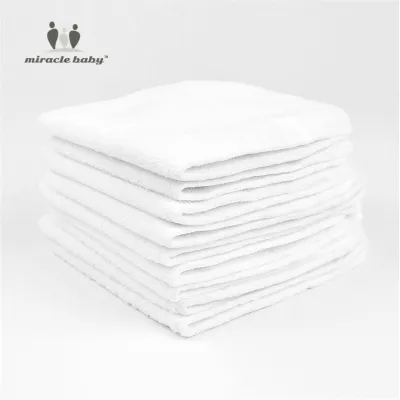
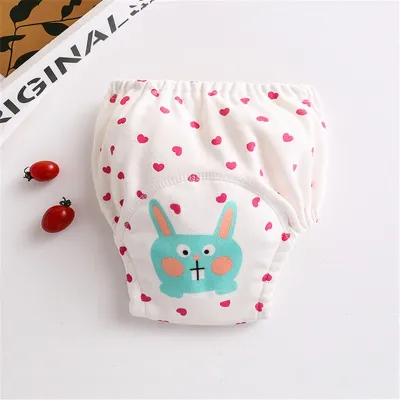
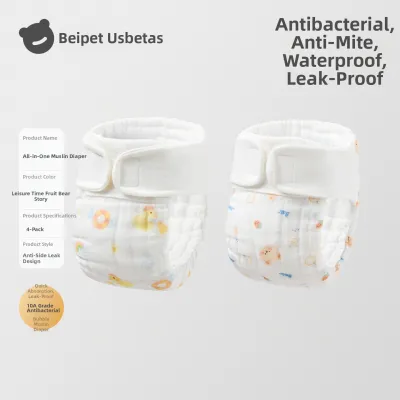
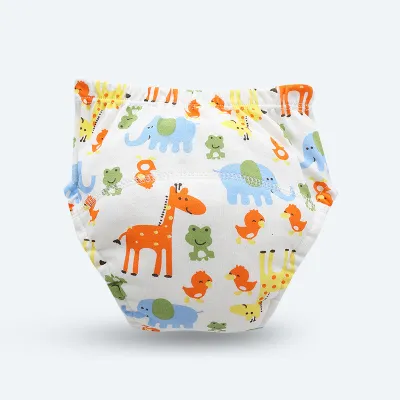
![[4 at $10.90] Baby Toilet Training Pants 6 Layers Reusable Cloth Diaper Waterproof Underwear Nappy Potty Highly Absorbent](https://img.lazcdn.com/g/p/8ddde1677384c797b9de2af14f2beb0f.png_400x400q80.png_.webp)
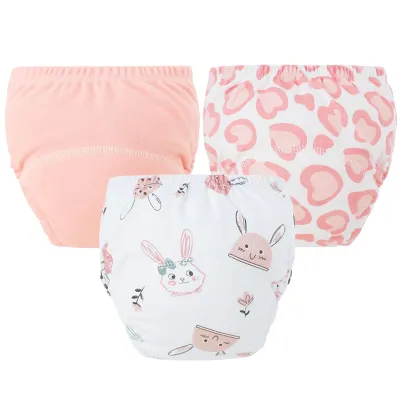
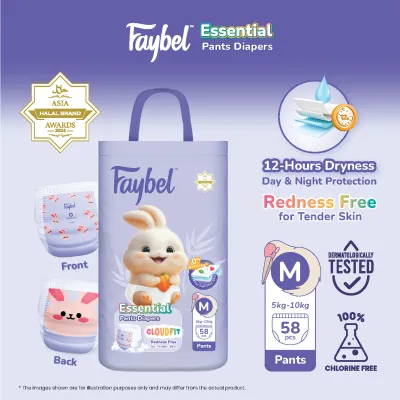
Prices are valid at publication and may change. Please refer to the product page for the latest price.
Material sourcing is the foundation of a sustainable diaper. Natural fibers like organic cotton, hemp, and linen are highly renewable and biodegradable. Unlike conventional cotton, which is one of the world’s most pesticide-intensive crops, certified organic cotton is grown without synthetic chemicals, protecting local ecosystems and water systems. Hemp is another ecological powerhouse, requiring very little water and no pesticides to thrive, while producing a highly absorbent fiber. When synthetic materials like polyester are necessary for the waterproof outer layer, choosing brands that utilize recycled plastics (such as recycled polyester or RPET) significantly reduces the demand for petroleum-based virgin plastics.
Manufacturing footprint and ethical labor practices are equally critical. Eco-conscious brands often seek certifications such as the Global Organic Textile Standard (GOTS) or Oeko-Tex Standard 100, which verify that the fabrics are free from harmful chemical residues and produced under socially responsible working conditions. Furthermore, companies that prioritize plastic-free packaging, carbon-neutral shipping, and minimal waste in their factories show a holistic commitment to the planet.
Finally, a diaper’s durability determines its true environmental value. A cheaply made reusable diaper that loses its elasticity or laminate integrity after a few months of washing must be replaced, defeating the purpose of choosing reusables. High-quality snaps, robust elastics, and repairable designs ensure that a single diaper can last through toddlerhood and even be passed down to subsequent siblings or other families, keeping textile waste out of Singapore’s Semakau Landfill.
Top Sustainable Cloth Diaper Brands to Consider in Singapore
To help you find the right fit for your household, several reputable cloth diaper brands available in Singapore have been categorized by their primary environmental focus. Each brand offers distinct advantages, depending on whether you prioritize natural fibers, recycled materials, or ethical supply chains.

Brands Focused on Certified Organic and Natural Fibers
These brands prioritize unbleached, minimally processed natural fibers for the parts of the diaper that sit directly against your baby’s skin, ensuring maximum breathability and safety.
- GroVia
- Eco-Credentials: GroVia is a pioneer in eco-friendly diapering, offering GOTS-certified organic cotton in their Organic All-in-One (AIO) diapers and hybrid booster pads. They focus on reducing chemical processing and utilize TPU (thermoplastic polyurethane) outer shells, which are heat-bonded rather than chemically laminated.
- Pros: Exceptionally soft, trim fit, and highly breathable, making them excellent for Singapore's hot weather.
- Cons: Organic cotton requires several preparatory washes to reach full absorbency, and the natural fibers take longer to dry on humid days.
- Suitable Baby Profile: Babies with highly sensitive skin or those prone to heat rash.
- Price Range: S$35 to S$48 per diaper.
- Thirsties
- Eco-Credentials: Thirsties manufactures a significant portion of its line in the USA to maintain strict quality control and reduce transport emissions. Their Natural line features a highly absorbent blend of 55% hemp and 45% organic cotton.
- Pros: Hemp is incredibly durable and holds more liquid than cotton, making these diapers excellent for heavy wetters and overnight use.
- Cons: Hemp inserts can stiffen when line-dried in Singapore's sun and require a quick massage or low-heat tumble to soften.
- Suitable Baby Profile: Heavy wetters and older babies who need high-capacity absorbency without excessive bulk.
- Price Range: S$38 to S$52 per diaper.
Brands Incorporating Recycled or Upcycled Materials
These innovative brands focus on circular economy principles by turning post-consumer waste, such as plastic bottles, into high-performance diaper components.
- Close Parent (Pop-in)
- Eco-Credentials: The Pop-in diaper system features waterproof outer shells made from RPET (recycled polyester), which diverts plastic bottles from landfills. Each diaper cover utilizes approximately 2.5 recycled plastic bottles.
- Pros: Highly effective double leg gussets prevent leaks, and the quick-drying materials are highly practical for apartment living.
- Cons: The synthetic materials in the outer shell do not biodegrade at the end of their lifecycle.
- Suitable Baby Profile: Active toddlers who need robust leak protection during movement.
- Price Range: S$32 to S$45 per diaper.
- Bare and Boho
- Eco-Credentials: This brand offers a dedicated recycled TPU range, featuring outer covers crafted entirely from post-consumer recycled plastic bottles, paired with organic cotton and hemp inserts.
- Pros: Beautiful, designer-collaborated prints and a highly efficient wipe-clean shell system that allows you to reuse the outer cover multiple times before washing.
- Cons: The elastics must be treated gently during washing to preserve their lifespan.
- Suitable Baby Profile: Parents looking for a visually appealing, low-waste system that minimizes laundry volume.
- Price Range: S$30 to S$42 per diaper.
Brands Leading in Plastic-Free Packaging and Ethical Manufacturing
These brands look at the big picture, ensuring that their corporate practices, packaging, and supply chains match the eco-friendly nature of their physical products.
- EcoNaps
- Eco-Credentials: EcoNaps is a certified plastic-neutral brand. They use recycled polyester for their outer shells and package all products in compostable, plant-based mailers and FSC-certified cardboard, completely eliminating single-use plastics from their supply chain.
- Pros: Highly versatile pocket/hybrid design that grows easily with the baby, featuring convertible absorption layers made of organic bamboo-cotton.
- Cons: Premium price point.
- Suitable Baby Profile: Parents who want a stylish, adaptable diaper system with a strictly audited, plastic-free supply chain.
- Price Range: S$36 to S$48 per diaper.
Building a Sustainable Cloth Diaper Stash Without Overspending
Building your diaper collection mindfully is key to keeping your environmental footprint and budget in check. Overbuying diapers creates unnecessary manufacturing demand, while underbuying can lead to laundry fatigue and premature wear on your existing stash.
To calculate your optimal stash size, consider your washing frequency. A newborn typically requires 10 to 12 diaper changes per day, while an older baby needs 6 to 8. If you plan to wash your diapers every two days, a stash of 20 to 24 diapers is ideal. This allows you to have one day’s worth of diapers in use, one day’s worth in the laundry basket, and a few extras drying on the line.
Investing in versatile “One-Size-Fits-Most” (OSFM) diapers is a highly sustainable strategy. These diapers feature adjustable rise snaps on the front, allowing the diaper to grow with your baby from approximately 3kg to 15kg. While you must always verify the weight and size range on the manufacturer’s packaging—as baby body shapes vary significantly—OSFM designs eliminate the need to purchase entirely new sets of diapers as your baby transitions from infancy to toddlerhood.
To further reduce your environmental impact and upfront costs, consider exploring pre-loved or second-hand cloth diapers. Singapore has active community exchange groups and local online marketplaces where parents sell or donate gently used diaper covers and inserts. Because high-quality cloth diapers are built to last, buying second-hand is an incredibly sustainable choice that keeps existing products in circulation. Always follow established community guidelines for sanitizing pre-loved diapers (which typically involves a thorough strip and sanitize process) before using them on your baby.
Eco-Conscious Washing and Care Routines
The environmental benefits of cloth diapering can be compromised if your washing routine is highly energy-intensive or relies on harsh chemicals. Developing a water- and energy-efficient laundering routine tailored to Singapore’s tropical, humid climate is essential for long-term success.
First, adopt a “dry pail” storage method. Instead of soaking dirty diapers in wet buckets of water—which breeds bacteria, creates odor, and degrades diaper elastics—store them in a well-ventilated, dry laundry basket. For solid waste, shake or scrape it into the toilet before placing the diaper in the pail.
When washing in a standard washing machine, use a two-step cycle to ensure thorough cleaning without wasting water:
- Pre-Wash: Run a short, cold-to-warm cycle (30°C to 40°C) with a small amount of detergent. This flushes away the bulk of the organic waste and urine, ensuring the main wash is done in clean water.
- Main Wash: Run a long, heavy-duty cycle at 40°C to 60°C with a full dose of detergent. Avoid temperatures above 60°C, as extreme heat can damage the waterproof PUL/TPU membranes and elastics.
Choose eco-friendly, biodegradable detergents that are free from fabric softeners, optical brighteners, and synthetic fragrances. Fabric softeners leave a waxy residue on fibers, severely reducing their absorbency and leading to leaks. Ensure the detergent is strong enough to effectively sanitize human waste; sometimes, a plant-based, enzyme-free detergent formulated specifically for sensitive skin is the best balance for both baby and machine.
Singapore’s abundant sunshine is a major asset for eco-conscious parents. Line-drying your diapers outdoors or near a sunny window in an HDB flat is highly energy-efficient and utilizes natural UV rays to sanitize fabrics and fade stubborn stains. However, keep an eye on sudden tropical downpours, and avoid leaving waterproof covers in direct, intense sunlight for extended periods, as this can crack the laminate. If natural fibers like hemp or cotton feel stiff after line-drying, simply rub the inserts together to soften them, or tumble dry them on low heat for 10 minutes if the manufacturer’s care instructions permit.
Safety Warning: Always check the specific manufacturer’s washing and care instructions. Using unapproved detergents, bleach, or high heat can void product warranties and permanently damage the waterproof layers. If your baby develops a persistent diaper rash, temporarily stop using cloth diapers, ensure your washing routine is thoroughly sanitizing the fabrics, and consult a qualified healthcare professional.
Where to Buy Sustainable Cloth Diapers in Singapore
Supporting local retail ecosystems and purchasing through certified channels helps ensure you receive authentic products while reducing the carbon emissions associated with individual overseas shipping.
Specialty baby boutiques in Singapore are excellent resources for eco-conscious parents. These boutiques curate high-quality, sustainable baby brands and often provide invaluable in-person fitting advice, helping you understand how to adjust snaps and select the right inserts for your baby’s shape.
For the widest selection and guaranteed warranty support, purchase directly from official brand websites or authorized local distributors in Singapore. This ensures you are buying genuine products that comply with local safety standards and qualify for manufacturer assistance if a snap or elastic fails prematurely.
Finally, utilize local online marketplaces and community exchange groups. These platforms are excellent for sourcing pre-loved diaper stashes, swapping inserts, or selling your collection once your child is fully potty trained, completing the sustainable lifecycle of your diapering journey.
Frequently Asked Questions (FAQ)
Are bamboo cloth diapers actually eco-friendly?
While bamboo is a highly renewable, fast-growing crop that requires no pesticides, the process of turning it into soft fabric (bamboo viscose or rayon) typically involves heavy chemical solvents. To ensure your bamboo diapers are truly eco-friendly, look for brands that use closed-loop manufacturing processes (where chemicals are recycled and reused) or those certified by Oeko-Tex to ensure no harmful chemical residues remain on the finished fabric.
How do I handle cloth diapers sustainably when traveling?
When traveling within Singapore or abroad, use high-quality, zippered wet bags made of recycled TPU to store dirty diapers odor-lessly until you return home. If you have access to laundry facilities at your destination, you can easily maintain your routine. If laundry is not feasible, consider using biodegradable hybrid inserts inside your reusable covers, or accept that using eco-friendly disposable diapers temporarily is a practical compromise that keeps your overall routine sustainable.
What should I do with cloth diapers once my child is potty trained?
To maximize the lifecycle of your diapers, consider passing them down to younger siblings, donating them to local charities or family shelters, or selling them in local pre-loved parenting groups. If the diapers are severely degraded and no longer usable, you can strip away the synthetic snaps, elastics, and waterproof PUL layers to dispose of them, and compost the remaining 100% natural fibers (like organic cotton or hemp inserts) in a home compost bin.
Community discussion
Share your experience or ask a question. Comments are reviewed before publication.