
Choosing to use cloth diapers is one of the most impactful decisions new parents in Singapore can make to reduce their household’s environmental footprint. While disposable diapers offer convenience, they contribute significantly to municipal waste. In Singapore, where solid waste is incinerated and the resulting ash is sent to the rapidly filling Semakau Landfill, reducing single-use plastics is a highly relevant local priority. However, transitioning to reusable diapers requires understanding that not all cloth options are created equal. True environmental sustainability depends on how the diapers are manufactured, the raw materials used, and the utility bills and washing habits of the household.
By evaluating the lifecycle of reusable diapers, verifying material certifications, and establishing an energy-efficient washing routine tailored to Singapore’s tropical climate, parents can maximize both environmental and financial savings. This guide provides a comprehensive framework to help you navigate the sustainable diapering landscape, compare diaper systems, and implement eco-friendly maintenance practices.
What Makes a Cloth Diaper Truly Eco-Friendly?
To understand the environmental credentials of a cloth diaper, parents must look beyond the simple label of “reusable” and examine the product’s entire lifecycle. A comprehensive lifecycle assessment of a diaper includes the raw materials extracted to make it, the energy and water consumed during manufacturing, the carbon emissions from shipping, and the environmental cost of washing and drying it over several years.
Products mentioned in this guide
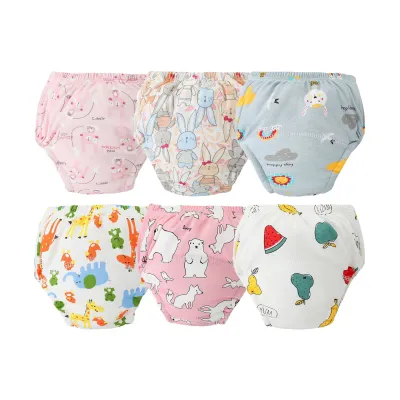
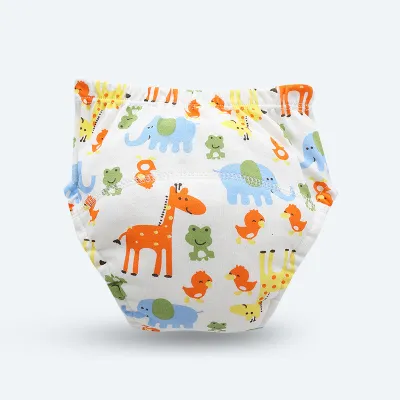
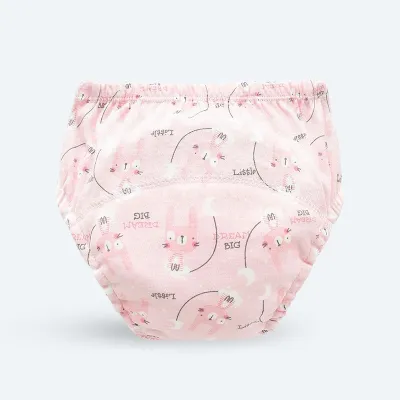
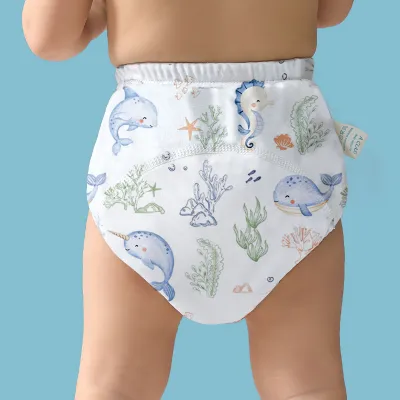
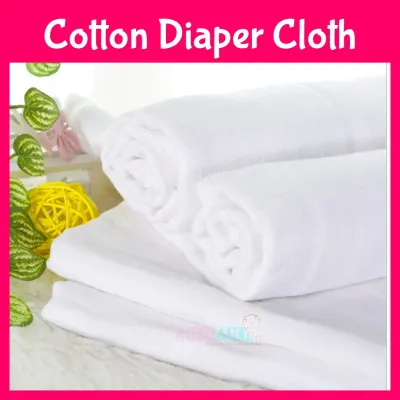
Prices are valid at publication and may change. Please refer to the product page for the latest price.
While a single-use disposable diaper is discarded after just a few hours, generating immediate solid waste, a cloth diaper requires a higher upfront investment of resources to produce. The environmental break-even point—where a cloth diaper becomes more eco-friendly than a disposable—depends heavily on how long the diaper remains in active use. If a reusable diaper is used for only a few weeks, its manufacturing footprint may actually exceed the impact of the disposables it replaced. Conversely, when a single set of cloth diapers is used consistently for two to three years, and then passed down to a second or third child, the environmental savings multiply exponentially.
True sustainability in cloth diapering rests on four core pillars:
- Raw Material Sourcing: Choosing fibers that require minimal pesticides, water, and land to cultivate, and avoiding synthetic materials derived from petrochemicals wherever possible.
- Manufacturing Ethics: Ensuring the production facilities utilize fair labor practices, minimize chemical runoff, and employ water-recycling systems during the fabric-treatment phases.
- Packaging and Logistics: Prioritizing brands that ship their products plastic-free, using compostable mailers or recycled cardboard boxes, and minimizing air-freight emissions through consolidated shipping.
- Product Longevity: Selecting high-quality construction, durable snaps, and resilient elastics that withstand hundreds of wash cycles without losing their functionality or shape.
By focusing on these pillars, parents can ensure their diapering choice actively supports global conservation efforts rather than simply shifting the environmental burden from the landfill to the water grid.
Sustainable Materials and Labels to Check Before Buying
When shopping for cloth diapers, reading the fabric composition and verifying independent certifications is crucial to avoiding greenwashing. The materials that sit closest to your baby’s skin and form the absorbent core of the diaper have vastly different environmental footprints.

Natural vs. Synthetic Fibers
Abosrbent inserts and fitted diapers are generally made from either natural plant-based fibers or synthetic petrochemical-based fibers. Understanding the differences in their production and performance helps parents make informed choices.
- Organic Cotton: Unlike conventional cotton, which is one of the most pesticide-intensive crops globally, organic cotton is grown without synthetic fertilizers or harmful pesticides. It is highly durable, easy to clean, and becomes more absorbent over time. Look for Global Organic Textile Standard (GOTS) certification to verify that the cotton was grown and processed under strict environmental and social criteria.
- Hemp: Hemp is an exceptionally sustainable crop that requires very little water, grows densely without pesticides, and actively replenishes the soil. As a diaper material, hemp is incredibly absorbent and durable, making it ideal for heavy wetters or nighttime use. Because hemp fibers can feel stiff when line-dried, they are often blended with organic cotton to add softness.
- Bamboo: Bamboo is frequently marketed as a highly sustainable, fast-growing plant that requires no pesticides. However, the process of turning tough bamboo stalks into soft fabric usually involves intensive chemical processing. Most bamboo diapers are actually made of bamboo viscose or rayon, which utilizes toxic solvents like carbon disulfide. Parents seeking a truly eco-friendly option should look for brands that use closed-loop lyocell processing, where chemicals are recycled and reused within the manufacturing system, or verify that the finished fabric is certified free of harmful chemical residues.
Waterproof Layers
To prevent leaks, cloth diapers require a waterproof outer layer. The two most common materials used for this purpose are Polyurethane Laminate (PUL) and Thermoplastic Polyurethane (TPU).
- PUL: This material is created by laminating a polyester fabric with a thin plastic film using chemical solvents. While highly durable and resistant to high-temperature washes, the chemical solvents used in traditional PUL manufacturing carry a higher environmental footprint.
- TPU: TPU is created using a heat-bonding process rather than chemical solvents to fuse the waterproof membrane to the fabric. This manufacturing method is generally considered more environmentally friendly. However, both PUL and TPU are synthetic polymers that do not biodegrade easily at the end of their lifespan, meaning the durability of the diaper cover is key to justifying its environmental footprint.
Packaging and Shipping
When ordering cloth diapers online, the packaging material contributes significantly to household waste. Eco-conscious brands actively minimize their shipping footprint by using FSC-certified recycled cardboard, biodegradable cornstarch mailers, and avoiding individual plastic wrap for each diaper. Look for clear statements on the manufacturer’s website regarding their packaging standards.
Certifications to Verify
Rather than relying on vague marketing claims like “natural” or “eco-safe,” parents should look for verified, independent certifications.
- GOTS (Global Organic Textile Standard): This is the gold standard for organic fibers, ensuring environmental and social criteria are met along the entire supply chain.
- Oeko-Tex Standard 100: This certification guarantees that every component of the diaper, including threads, snaps, and linings, has been tested for harmful substances and is safe for baby's sensitive skin.
Always verify these certifications by checking the brand’s official website or looking up their license number in the official GOTS or Oeko-Tex databases, as third-party retailer listings can sometimes contain outdated or inaccurate claims.
Sourcing Sustainable Cloth Diapers in Singapore
Finding high-quality, eco-friendly cloth diapers in Singapore involves navigating a mix of local boutique retailers, direct-to-consumer international brands, and a thriving second-hand community.
Navigating Local Retailers and Direct-to-Consumer Brands
While mainstream baby department stores in Singapore often carry a limited selection of cloth diapering accessories, specialized local mother and baby boutiques offer curated selections of sustainable brands. Shopping through local distributors reduces individual shipping distances and allows parents to seek personalized advice on fit and material suitability. Alternatively, purchasing directly from international brand websites that prioritize carbon-neutral shipping can grant access to a wider variety of natural-fiber systems, though parents should consolidate their orders to minimize transport emissions.
Identifying and Avoiding Greenwashing
Greenwashing occurs when a brand uses misleading terminology to appear more environmentally friendly than it actually is. In the diapering industry, terms like “green,” “earth-loving,” or “biodegradable” are often used loosely. To spot greenwashing, look for transparency in material listings. An honest brand will provide a precise percentage breakdown of their fabrics (e.g., “60% hemp, 40% organic cotton”) rather than labeling a synthetic microfiber insert as “natural bamboo feel.” If a brand claims its diapers are biodegradable, check whether this applies only to a specific disposable insert under industrial composting conditions, as standard cloth diaper covers and synthetic components will not decompose in a landfill.
Understanding Brand Archetypes
When sourcing diapers, you will encounter different brand philosophies. Some brands focus exclusively on 100% natural fiber systems, prioritizing organic materials and minimal processing. Other brands focus on modular, one-size-fits-most designs engineered to grow with your baby from birth to potty training. Choosing a modular design reduces the total number of diapers you need to purchase, which is a highly effective way to minimize consumer waste and save money.
The Second-Hand Market in Singapore
One of the most sustainable and cost-effective ways to build a cloth diaper stash in Singapore is to participate in the local pre-loved market. Because high-quality cloth diapers are built to last, they can easily be sanitized and reused by multiple families.
Local parenting groups, dedicated cloth diapering communities on social media, and local online marketplaces are excellent platforms for sourcing gently used diapers. Buying second-hand keeps functional items out of the waste stream and allows new parents to try different diaper styles at a fraction of the retail cost. When purchasing pre-loved diapers, inspect the elastics and the waterproof laminate layer to ensure they are still fully functional, and follow a proper sanitization protocol before the first use.
Comparing Eco-Friendly Diaper Systems for New Parents
Cloth diapers come in several distinct systems, each offering a different balance of convenience, drying time, material composition, and overall environmental impact. Understanding these systems helps parents choose the right fit for their lifestyle and sustainability goals.
All-in-One (AIO) and Pocket Diapers
All-in-One diapers are designed to mimic the simplicity of disposables, featuring a waterproof outer cover with the absorbent layers sewn directly inside. Pocket diapers feature a waterproof cover with a stay-dry inner lining that forms a pocket, allowing parents to stuff absorbent inserts inside.
While highly convenient for caregivers and infant care centers, these systems often rely more heavily on synthetic materials like polyester microfleece and microfiber inserts. Microfiber inserts are made of synthetic polymers that shed microplastics during washing and tend to lose their absorbency over time. Furthermore, because AIO diapers consist of multiple layers sewn together, they take significantly longer to dry, which can increase household energy consumption if a clothes dryer is used regularly.
Fitted Diapers with Covers
A fitted diaper is an entire diaper made of absorbent material (usually organic cotton or hemp) that requires a separate waterproof cover over the top. This system is exceptionally absorbent and leak-resistant, making it a favorite for nighttime use.
From an environmental perspective, fitted systems are highly efficient because the waterproof cover does not need to be washed after every single use; it can simply be wiped down and paired with a fresh fitted diaper. This reduces the total number of diaper covers you need to buy and decreases laundry volume. Additionally, because the absorbent diaper and the waterproof cover are separate, they dry much faster than All-in-One designs.
Flats and Prefolds
Flats are large, single-layer squares of woven fabric (usually cotton or bamboo), while prefolds are rectangular layers of fabric stitched with extra thickness in the middle. Both require folding and securing around the baby before placing a waterproof cover on top.
Flats and prefolds represent the most eco-friendly and budget-friendly diapering system available. Because they consist of a single layer of natural fiber, they wash thoroughly, release stains easily, and dry incredibly fast. This rapid drying time minimizes energy use, making them highly compatible with line-drying. While they have a steeper learning curve regarding folding techniques, their durability and low environmental footprint make them an outstanding sustainable choice.
Diaper System Comparison Matrix
| Diaper System | Ease of Use | Drying Time (Energy Impact) | Primary Material Composition | Estimated Stash Size Required |
|---|---|---|---|---|
| All-in-One (AIO) | Very High (similar to disposables) | Slow (high energy impact if using dryer) | Often synthetic polyester and PUL | 24 to 30 diapers |
| Pocket Diapers | High (requires stuffing inserts) | Moderate (inserts and shells dry separately) | Synthetic linings, TPU/PUL, mixed inserts | 20 to 24 diapers with extra inserts |
| Fitted with Cover | Moderate (requires two-step putting on) | Moderate to Fast (separate components) | Organic cotton, hemp, bamboo lyocell | 18 to 24 fitteds, 4 to 6 covers |
| Flats & Prefolds | Low (requires learning folding techniques) | Very Fast (minimal energy impact) | 100% natural cotton or hemp | 20 to 24 flats/prefolds, 4 to 6 covers |
Eco-Friendly Washing and Care in a Tropical Climate
Maintaining cloth diapers in Singapore’s hot, humid climate requires a washing routine that ensures thorough hygiene while minimizing water and electricity usage. Because high humidity can encourage mold growth if diapers are stored incorrectly, local parents must adapt their care routines to the tropical environment.
Optimizing Washing Routines for Singapore Homes
Most apartments in Singapore, including HDB flats and condominiums, are equipped with front-loading washing machines. Front-loaders are highly water-efficient, but they require a specific loading technique to ensure proper agitation and cleaning of cloth diapers.
To wash cloth diapers effectively without wasting water, follow a two-cycle routine:
- Pre-Wash: Run a short, 30-to-45-minute cycle using cold or warm water (up to 40°C) with a small amount of detergent. This cycle flushes away the bulk of the organic waste and dirty water, ensuring the main wash is performed in clean water.
- Main Wash: Run a long, heavy-duty cycle (such as a cottons or hygiene cycle) at 40°C to 60°C. Ensure the machine is loosely packed to about three-quarters full when wet to provide optimal fabric-on-fabric friction, which is necessary to scrub the fibers clean. Always consult your specific diaper manufacturer's care label to verify the maximum safe washing temperature, as excessive heat can degrade waterproof laminates and elastics.
Maximizing Singapore's Tropical Climate for Drying
Singapore’s abundant sunshine and warm temperatures provide the ultimate natural drying resource. Hanging diapers to dry on HDB pulley racks, balcony clotheslines, or indoor drying racks near open windows is highly energy-efficient and completely free.
Sunlight serves as a natural sanitizer and an incredibly effective stain remover, fading organic yellow stains without the need for harsh chemical bleaches. However, direct, intense midday sun can occasionally make natural fibers feel stiff and can degrade the elastic and TPU layers of diaper covers over time. To protect your investment, hang waterproof covers in the shade or dry them indoors, and limit the exposure of natural-fiber inserts to early morning or late afternoon sun.
Selecting Eco-Friendly and Safe Detergents
To maintain the absorbency of your cloth diapers while protecting the environment, choose a biodegradable, plant-based detergent that is free from optical brighteners, fabric softeners, and synthetic fragrances. Fabric softeners leave a chemical residue on fabric fibers that repels moisture, quickly ruining a diaper’s absorbency. Additionally, ensure the detergent is highly concentrated and formulated for high-efficiency (HE) washing machines to prevent excess suds, which can trap soil and bacteria in the fabric.
Extending the Lifespan of Your Stash
To ensure your diapers last through multiple years and retain their resale value, implement these preservation practices:
- Dry Pailing: Avoid soaking dirty diapers in a bucket of water, as this creates a breeding ground for bacteria and mold in Singapore's humid climate. Instead, store dirty diapers in a dry, well-ventilated plastic basket or a breathable mesh bag until wash day.
- Gentle Stain Management: Avoid using chlorine bleach regularly, as it weakens natural fibers and can corrode elastics. Use a gentle, oxygen-based bleach occasionally if needed, or rely on the natural bleaching power of the sun.
- Elastic Care: Avoid pulling or stretching diaper elastics while they are still warm from a washing machine or direct sunlight. Allow them to cool completely before folding or putting them away to prevent premature stretching.
- Skin Health and Supervision: Always monitor your baby's skin during diaper changes. If your baby experiences persistent diaper rash or skin irritation, temporarily pause cloth diaper use, review your washing routine for detergent buildup, and consult a qualified pediatrician or pediatric dermatologist.
Frequently Asked Questions (FAQ)
Are bamboo cloth diapers actually eco-friendly?
Bamboo cloth diapers are highly absorbent and biodegradable in their raw form, but their overall eco-friendliness depends on how the plant fibers are processed. Most bamboo fabrics used in diapers are bamboo viscose or rayon, manufactured using intensive chemical processes that generate hazardous waste. To ensure your bamboo diapers are genuinely sustainable, look for brands that utilize closed-loop lyocell processing—where chemicals are recovered and recycled—or those carrying independent certifications like Oeko-Tex Standard 100, which guarantees the finished textile is free from harmful chemical residues.
How many cloth diapers do I need to start sustainably?
To start diapering sustainably without overconsuming, calculate your stash size based on your baby’s age and your washing frequency. Newborns typically require 10 to 12 diaper changes per day, while older babies require 6 to 8 changes. If you plan to wash your diapers every two days, a minimal, functional stash of 24 diapers is ideal. This allows you to have 12 diapers in use or waiting to be washed on day one, 12 diapers on day two, and a clean set ready while the dirty load is washing and drying. Starting with a smaller, high-quality stash and adding items only as needed is the most sustainable approach to avoiding unnecessary consumer waste.
Community discussion
Share your experience or ask a question. Comments are reviewed before publication.