
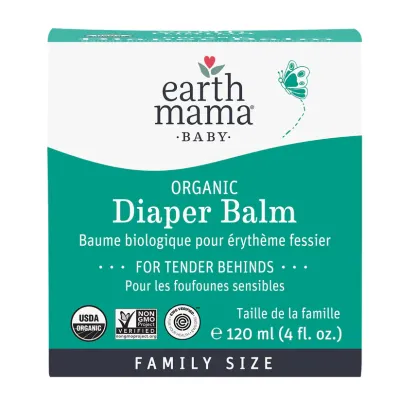
Choosing the right diaper balm in Singapore’s humid climate requires balancing effective moisture protection with gentle ingredients that suit your baby’s skin. Earth Mama diaper balm stands out from traditional alternatives by relying on a plant-based, herbal formulation rather than heavy zinc oxide or petroleum bases. While it excels at daily skin conditioning and soothing mild redness, other popular options on the market may be better suited for severe, moisture-driven diaper rashes that demand an absolute physical barrier. Deciding between them depends on your baby’s current skin condition, potential sensitivities to botanical extracts, and your preferred application routine.
Key Factors to Consider When Choosing a Diaper Balm
Evaluating diaper care products requires understanding how different ingredients interact with your baby’s skin barrier. Barrier ingredients generally fall into two categories: physical blockers and nourishing emollients. Zinc oxide is a classic physical blocker that sits on top of the skin to repel wetness, while plant butters and oils absorb slightly to condition the skin while leaving a breathable protective layer.
Potential allergens and irritants are another critical consideration, especially for newborns with highly sensitive skin. Even natural ingredients can trigger adverse reactions in some infants. Lanolin, a common ingredient derived from sheep’s wool, can cause contact sensitivity, while certain essential oils or botanical extracts like calendula may not be tolerated by all skin types.
Products mentioned in this guide
![[2-Pk] Earth Mama Organic Baby Diaper Balm Exp: 08/28](https://img.lazcdn.com/g/p/2d48adbcc8597e70ce76e65e1f4345d2.png_400x400q80.png_.webp)
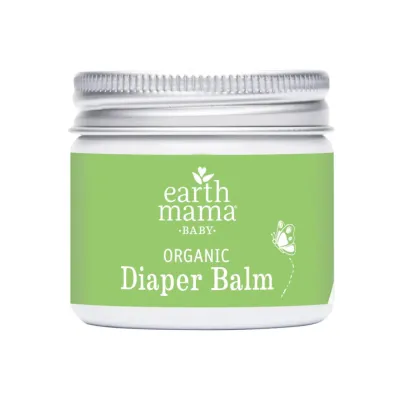
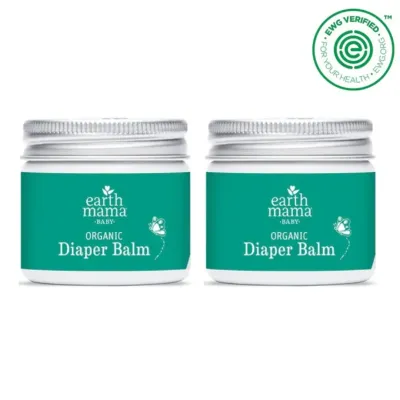
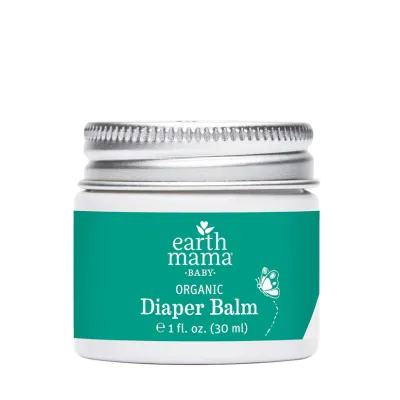
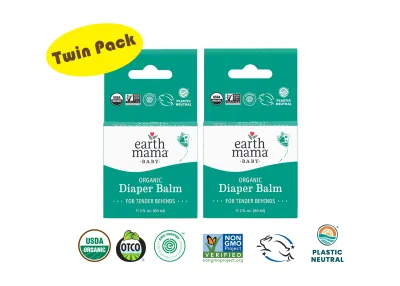
Prices are valid at publication and may change. Please refer to the product page for the latest price.
The practical aspects of daily use also affect your long-term satisfaction with a product. Consider how easily the balm spreads over irritated skin, as thick formulas can require uncomfortable friction to apply. Additionally, evaluate the cleanup requirements during diaper changes and how the product’s cost per use fits into your ongoing household budget.
Earth Mama Diaper Balm: Core Characteristics
Earth Mama diaper balm is widely recognized for its focus on organic, plant-based ingredients and the exclusion of synthetic additives. The formulation typically features a blend of olive oil, shea butter, and soothing herbs such as calendula and St. John’s wort. It avoids petroleum-based ingredients, parabens, and artificial fragrances, making it a popular choice for parents seeking minimalist skincare.

The texture of this balm is highly temperature-sensitive due to its natural oil and beeswax base. In Singapore’s warm climate, the semi-solid balm melts quickly upon contact with the skin, transforming into a smooth, easily spreadable oil. While this makes application gentle on irritated skin, parents should store the jar in a cool, dry place to prevent the product from liquefying.
This balm is primarily designed for daily skin maintenance and soothing mild chafing or early signs of redness. Because it lacks heavy physical barrier agents like zinc oxide, it is less suited for treating severe, weeping diaper rashes. Instead, it serves as a nourishing preventative layer that supports the skin’s natural recovery processes.
Comparing Earth Mama to Other Popular Diaper Balms
To find the right fit, parents must compare options across specific, verifiable criteria rather than relying on generalized claims. The ideal choice is highly conditional, depending on whether your baby needs daily maintenance, a heavy moisture shield, or an ultra-simple formula with minimal botanical ingredients.
Ingredient Profiles and Skin Sensitivities
Traditional diaper creams often rely on zinc oxide or petroleum jelly to create an impermeable barrier against urine and stool. These occlusive agents are highly effective at keeping external moisture out, but they do not actively nourish the skin underneath. Parents should verify the active ingredient percentages on product labels to understand the strength of the barrier provided.
In contrast, herbal balms use plant oils and beeswax to support the skin’s natural barrier. When reading labels, parents of babies with eczema or highly reactive skin should look for fragrance-free options and avoid products with long lists of botanical extracts, which increase the statistical likelihood of a reaction. For mild daily redness, a nourishing plant-based balm is often preferred to avoid the drying effect that high-concentration zinc oxide can sometimes have on healthy skin.
Texture, Application, and Cleanup
The physical experience of diaper changes varies significantly between product types. Zinc-based pastes are notoriously thick and sticky, often leaving a white residue on fingers, clothing, and diapers. This residue can be difficult to wash out and may stain fabrics over time.
Plant-based balms melt into a clear oil that washes away easily with mild baby soap and water. During diaper changes, a standard water-based wipe is usually sufficient to clean up a light balm, whereas a thick paste might require multiple wipes and gentle scrubbing, which can further irritate raw skin. If you use cloth diapers, heavy zinc and petroleum-based products can clog the fabric pores, reducing absorbency, whereas many plant-oil balms wash out more cleanly.
Packaging, Value, and Accessibility
Packaging plays a practical role in daily hygiene. Squeeze tubes protect the product from air and finger contamination, making them highly hygienic for diaper bag use. Open jars, which are common for herbal balms, require parents to wash their hands thoroughly before dipping into the product to avoid introducing bacteria.
When evaluating value, look past the initial price tag to consider the cost per use. In Singapore, diaper care products generally range from S$10 to S$40 depending on the volume and ingredient quality. A thick paste is used sparingly but lasts a long time on the skin, while a lighter balm may be applied more generously and frequently, affecting how quickly you run through a container. Parents can verify current pricing and availability through official brand stores or reputable online marketplaces in Singapore.
Decision Framework: Which Diaper Balm Fits Your Baby?
Choose Earth Mama or similar herbal balms if your baby has normal to slightly dry skin, you prefer organic and plant-derived ingredients, and you are looking for a daily preventative barrier that is easy to apply and wash off. This option is also ideal if you use cloth diapers and want to avoid heavy fabric staining.
Choose a traditional zinc oxide paste if your baby is currently experiencing a moderate to severe diaper rash, has frequent loose stools, or needs a heavy-duty, waterproof barrier to protect the skin overnight. This is the standard choice when active healing and moisture exclusion are the primary goals.
Choose a basic petroleum jelly if your baby has extremely sensitive skin, eczema, or known allergies to botanical extracts, essential oils, or wool derivatives like lanolin. A simple, single-ingredient occlusive minimizes the risk of contact dermatitis while still providing a basic physical barrier.
Consult a pediatrician or qualified healthcare professional if the diaper rash does not improve within a few days, appears bright red with peeling edges, develops blisters or pus-filled bumps, or if your baby seems to be in significant pain. These signs may indicate a yeast or bacterial infection that requires targeted medical treatment rather than an over-the-counter balm.
How to Verify Safety and Suitability
Before applying any new diaper balm to your baby’s sensitive diaper area, perform a simple patch test. Apply a small, pea-sized amount of the product to a patch of healthy skin on the baby’s inner arm or thigh. Monitor the area for 24 hours to check for any signs of redness, swelling, itching, or hives.
Always inspect the product packaging before use. Verify the expiration date, locate the batch number, and read all manufacturer warnings regarding age suitability and application instructions. Ensure the seal is intact upon purchase.
If you observe any adverse reactions, such as sudden redness, localized warmth, or a worsening rash immediately after application, stop using the product immediately. Cleanse the area gently with lukewarm water and seek professional medical advice to identify the cause of the irritation.
Frequently Asked Questions (FAQ)
Can I use Earth Mama diaper balm with cloth diapers?
To determine if a diaper balm is compatible with cloth diapers, always check the manufacturer’s label for specific cloth-safe claims. Generally, balms formulated with natural plant oils and beeswax are less likely to cause permanent buildup on cloth diapers compared to products containing petroleum or high concentrations of zinc oxide. However, heavy use of any oil-based product can still coat fabric fibers over time, potentially reducing absorbency. Using a biodegradable diaper liner can help protect your cloth diapers from residue.
How often should I apply diaper balm?
You should always refer to the specific product label for the manufacturer’s recommended application frequency. Generally, diaper balms are applied during every diaper change, especially after thorough cleaning and drying of the skin. While lighter, plant-based balms may need to be reapplied consistently to maintain a protective layer, thick zinc oxide pastes often stay on the skin longer and may require less frequent reapplication throughout the day.
What is the difference between diaper balm and diaper cream?
The primary difference lies in their formulation and water content. Diaper balms are typically anhydrous, meaning they are made from oils, butters, and waxes with little to no water, resulting in a rich, concentrated texture that melts on the skin. Diaper creams are usually water-based emulsions that combine water and oil, giving them a lighter, lotion-like consistency that absorbs quickly. This structural difference affects how they feel, how they are absorbed, and the type of barrier they create on your baby’s skin.
Community discussion
Share your experience or ask a question. Comments are reviewed before publication.