
Finding the right everyday diaper requires balancing absorbency, comfort, fit, and budget. While Drypers is a widely recognized and frequently purchased brand in Singapore, determining whether it is the best choice for your baby depends on individual needs and skin sensitivities. There is no single universal winner; instead, the optimal choice relies on matching specific product features to your baby’s daily activity level and your household’s financial parameters. This guide breaks down the core performance metrics and provides a condition-based framework to help you compare Drypers against other major diaper brands available in the local market.
Singapore’s warm, humid climate adds an extra layer of complexity to this decision. High humidity means that trapped moisture can quickly lead to skin irritation, making breathability and efficient moisture-wicking critical features for any diaper brand you choose. By understanding how to evaluate these products beyond their marketing claims, you can make an informed choice that keeps your baby dry and comfortable throughout the day and night.
Core Comparison Criteria for Everyday Diapers
When evaluating Drypers against other leading diaper brands, establishing a consistent set of baseline metrics is essential. Parents should focus on four primary performance indicators: core absorbency, surface dryness, breathability, and stretch. Core absorbency refers to the total volume of liquid the diaper can hold, while surface dryness measures how quickly the top sheet wicks moisture away from the baby’s skin. Breathability determines how well air circulates through the outer cover, and stretch dictates how comfortably the diaper conforms to your baby’s movements.
Products mentioned in this guide
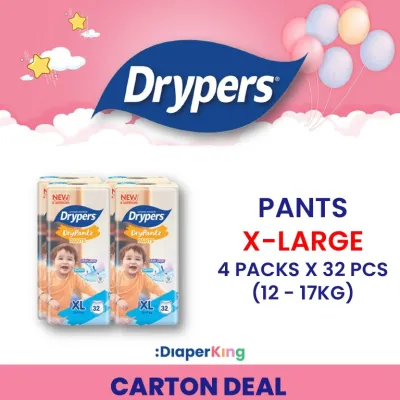
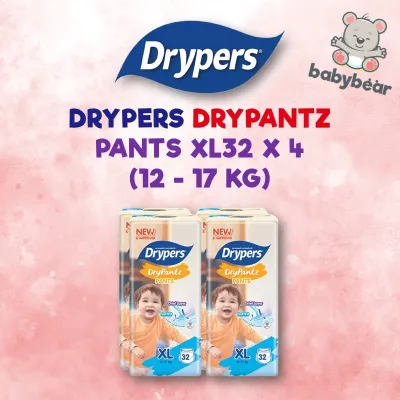
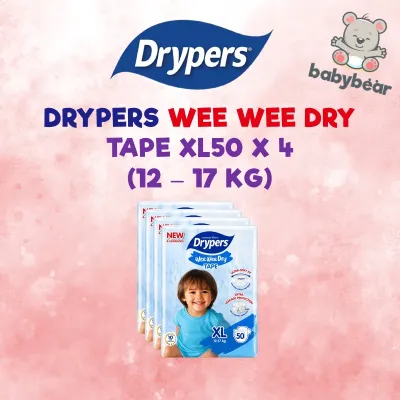
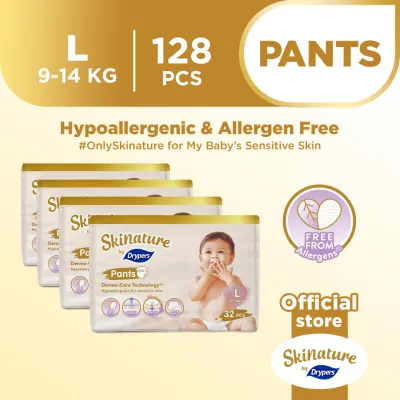
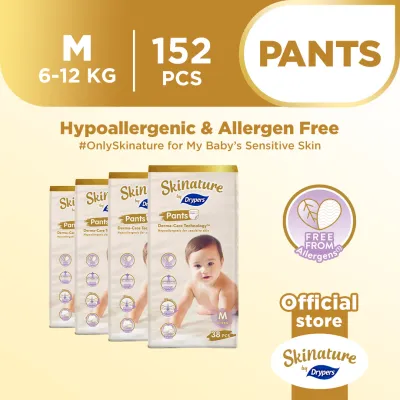
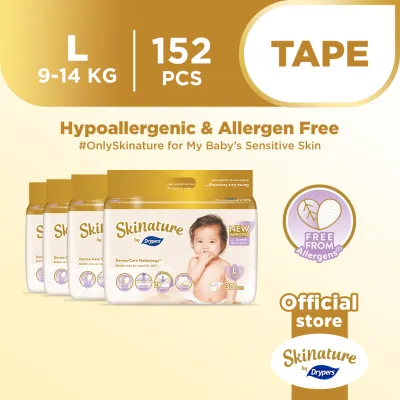
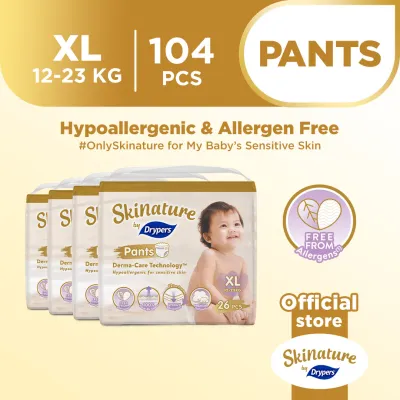
Prices are valid at publication and may change. Please refer to the product page for the latest price.
To make an objective comparison, you must learn to read diaper packaging labels for material and feature claims rather than relying solely on marketing slogans. Look for specific terms such as “superabsorbent polymers” (SAP), “breathable outer cover,” or “hypoallergenic materials.” These terms indicate the technology used to manage moisture and protect skin. Avoid choosing a diaper based on cute designs or vague promises of “premium softness” without verifying the underlying structural features listed on the pack.
It is equally important to match these diaper features to your baby’s age, weight, and daily activity level. A newborn who spends most of the day lying down requires a diaper with excellent back-leak protection and a soft top sheet for loose stools. An active toddler, on the other hand, needs a diaper with high stretch, secure leg cuffs, and a slimmer profile that allows for unrestricted movement. Understanding your baby’s current developmental stage ensures you prioritize the right features during your comparison.
Evaluating Absorbency and Leak Protection
Absorbency is the foundation of any reliable diaper, and comparing this feature requires looking at the structural differences between brands. Drypers and its competitors utilize different core designs to manage liquid. Some brands feature a single, thick absorbent layer, while others use advanced channel designs that distribute liquid evenly across the core to prevent sagging. When comparing brands, look for channels that help channel wetness away from the center, as this design typically improves both surface dryness and overall comfort.

Another key structural feature to check is the presence of a wetness indicator. This color-changing strip on the outside of the diaper provides a quick visual cue that it is time for a change. While many modern diapers include this feature across all sizes, some budget-friendly options or larger sizes may omit it. If a wetness indicator is important for your caregiving routine, verify its inclusion on the specific packaging size you intend to purchase.
To assess absorbency and surface dryness at home, perform simple observable checks during daily use. After removing a wet diaper, gently press a dry paper towel against the inner lining. If the towel remains dry, the diaper is successfully locking moisture away from your baby’s skin. For overnight use, observe whether the diaper can withstand long hours without leaking or feeling damp on the outside. A diaper that performs well during the day may not always have the capacity required for uninterrupted nighttime sleep.
Inadequate absorbency often manifests as sagging, heavy clumps, or frequent leaks at the leg cuffs. If you notice these signs regularly, it may indicate that the diaper’s core is saturated too quickly or that the fit is incorrect. When leaks occur despite the diaper feeling relatively dry, the issue is likely related to the leg cuff design or sizing rather than the absorbent core itself. In such cases, exploring alternative brands with double-layered leg guards or transitioning to a different size is highly recommended.
Assessing Comfort, Softness, and Skin Sensitivity
In Singapore’s tropical climate, a diaper’s tactile feel and skin-friendliness are crucial for preventing discomfort. The top sheet is the layer in direct contact with your baby’s skin, and its texture varies significantly between brands. Premium diaper lines often feature embossed or 3D wave patterns designed to minimize skin contact and allow air to flow. Standard lines, including some Drypers options, may use flatter, woven top sheets that feel slightly different to the touch. Feeling the material yourself can help you gauge its suitability for your baby.
Breathability claims are another critical factor to compare. Diapers with highly breathable outer covers allow heat and moisture vapor to escape, reducing the risk of heat rash and diaper rash. When comparing Drypers to premium alternatives, look for packaging claims that specify the use of micro-porous materials. A diaper that lacks sufficient breathability will trap warm air, creating a humid microclimate inside the diaper that can quickly irritate delicate skin.
Monitoring your baby’s skin is the most reliable way to assess material compatibility. Watch closely for signs of diaper rash, redness, or heat rash around the waistband, thighs, and diaper area. If redness consistently appears in these zones, it may indicate a sensitivity to the materials, fragrances, or adhesives used in that specific brand. Switching to a brand that explicitly states it is fragrance-free or designed for sensitive skin can help resolve these issues.
For babies with known sensitive skin, always verify packaging certifications and dermatological test claims before buying. Look for labels indicating that the product is clinically tested, hypoallergenic, or free from potential irritants like elemental chlorine, parabens, and latex. Because these certifications are managed by various independent bodies, checking the manufacturer’s official documentation or packaging details is the safest way to confirm these claims.
Fit, Sizing, and Mobility for Active Babies
How a diaper fits your baby’s unique body shape directly impacts its leak-prevention capabilities and overall comfort. Different brands employ distinct cuts and elastic designs. For instance, some brands feature highly elastic waistbands that stretch comfortably around chubby bellies, while others rely on flexible side tabs. The design of the leg cuffs is equally important; look for double-layered, elasticized barriers that sit snugly in the groin crease to prevent blowouts without chafing.
To ensure a proper fit, use the simple two-finger rule. Once the diaper is fastened, you should be able to slide two fingers easily between the waistband and your baby’s tummy. Similarly, check that the leg cuffs are flared outward rather than tucked inward, and run a finger around the thighs to ensure they are snug but not tight. After removing the diaper, observe your baby’s skin for red marks or deep indentations on the thighs or waist, which are clear signs that the diaper is too tight or the cut is incompatible.
Sizing transitions can vary significantly between Drypers and other leading brands. The weight ranges printed on diaper packaging are general guidelines, and overlapping sizes are common. If your baby is approaching the upper limit of a weight range, or if they have a rounder build, you may need to size up earlier than expected. Keep in mind that a larger size provides more absorbent material and a wider coverage area, which can often resolve persistent leaking issues even if your baby is technically within the weight limit of the smaller size.
Price, Value, and Bulk Buying Considerations
To find the most cost-effective diapering solution, you must look past the overall pack price and calculate the exact cost per piece. To do this, divide the total price of the pack in S$ by the number of diapers inside. For example, a pack costing S$18.00 containing 60 diapers results in a cost of S$0.30 per piece. Comparing brands using this unit cost allows you to see the true financial impact of your choice, especially since pack counts often decrease as diaper sizes increase.
Within the same brand ecosystem, manufacturers often offer both standard and premium lines. Standard lines generally focus on essential absorbency and affordability, making them excellent for frequent daytime changes. Premium lines typically incorporate softer materials, thinner cores, and advanced wetness indicators at a higher price point. When comparing Drypers to other brands, decide whether your baby truly requires premium features for everyday wear or if a standard line meets their needs during the day.
Smart purchasing strategies can significantly lower your overall diaper expenses in Singapore. Look for promotions at local supermarkets, baby fairs, and official online store sales on major ecommerce platforms. Buying in bulk or subscribing to recurring delivery services often yields substantial savings. However, always verify that you are purchasing from authorized sellers to avoid counterfeit products, and check that the packaging is intact to ensure the diapers have not been exposed to moisture during storage.
Decision Framework: Which Brand Fits Your Baby?
To simplify your final purchasing decision, use this condition-based framework to match your household’s needs to the right diaper brand.
Choose Drypers if:
- You are looking for a budget-friendly, reliable diaper for standard daytime use.
- Your baby has normal skin sensitivity and does not require specialized hypoallergenic materials.
- You prefer a diaper with a familiar, classic fit that is widely available across local supermarkets and online stores in Singapore.
- You want to optimize your daily diapering expenses by using a cost-effective option for frequent daytime changes.
Choose alternative leading brands if:
- Your baby has highly sensitive skin, eczema, or a history of severe diaper rash that requires ultra-soft, fragrance-free, or chlorine-free materials.
- You require an ultra-thin, highly breathable diaper to combat heat and humidity during outdoor activities.
- Your baby is an active sleeper or heavy wetter who needs specialized overnight absorbency and advanced channel distribution to prevent leaks.
- Your baby's body shape requires a highly specific cut, such as an extra-wide waistband or exceptionally stretchy side panels, to prevent red marks.
Verify first if:
- Your baby experiences persistent, severe skin breakdown or recurrent rashes. In these cases, consult a pediatrician or dermatologist to identify potential material triggers before switching brands.
- You are transitioning to a new size or style, such as moving from tape diapers to pants. Always check the manufacturer's specific sizing chart and fit guidelines to ensure a proper transition.
Frequently Asked Questions (FAQ)
How often should I change a highly absorbent diaper during the day?
Regardless of how absorbent a diaper claims to be, pediatric guidelines generally recommend changing your baby’s diaper every 2 to 3 hours during the day, and immediately after any bowel movement. High absorbency is designed to keep the skin dry by locking away liquid, but it does not eliminate the presence of bacteria and ammonia from urine. Leaving a wet diaper on for extended periods, even if it feels dry to the touch, can trap moisture against the skin and lead to irritation, heat rash, or bacterial infections.
Is it safe to mix different diaper brands for day and night use?
Yes, mixing different diaper brands for daytime and nighttime use is a safe and highly practical strategy used by many parents. You can utilize a budget-friendly brand like Drypers for frequent daytime changes when you can monitor and change your baby regularly. For overnight use, you can switch to a premium, highly absorbent diaper designed to handle larger volumes of liquid over longer periods. When mixing brands, ensure both options fit your baby correctly and do not cause skin irritation, and be mindful that you may need to navigate slightly different sizing charts between the two brands.
Community discussion
Share your experience or ask a question. Comments are reviewed before publication.